
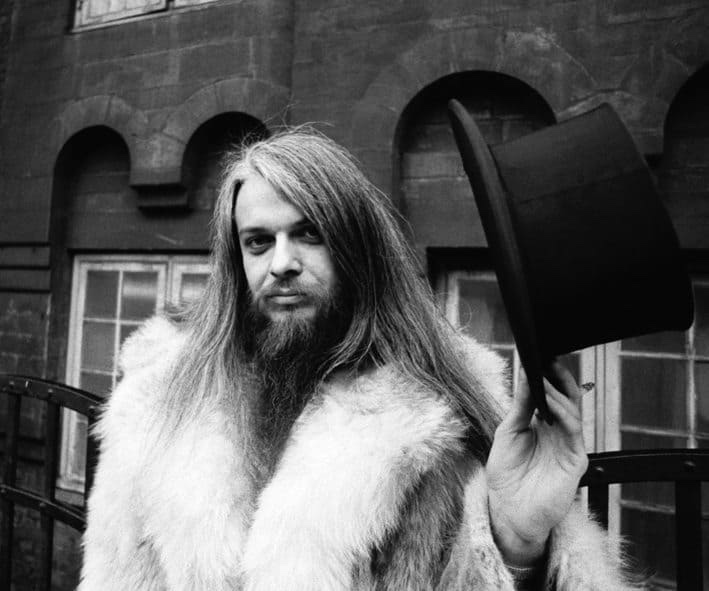
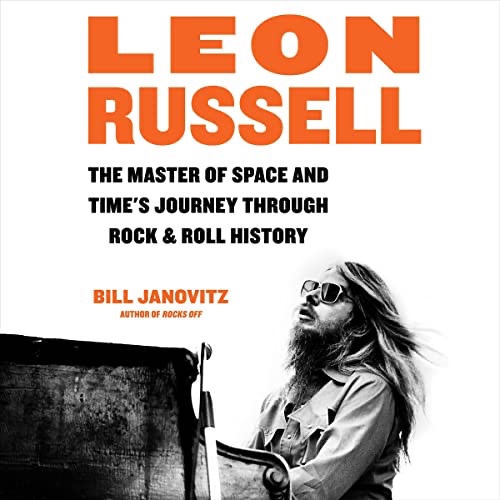
What a life, and what a talent. Leon Russell. Bill Janovitz was authored a biography of Russell, a deep-dive of 536 pages, to tell the complicated life of a complicated man. If you have the time, it’s an incredible journey through the life of a rock and roll pioneer.
Leon Russell, the Master of Space and Time’s Journey Through Rock & Roll History (2023, Hatchette Books) is a serious and detailed look at his life and career. Janovitz has penned other music books and is a founding member of the musical group, Buffalo Tom.
Claude Russell Bridges, but later known professionally as Leon Russell, was born with a birth defect that left him with partial paralysis affecting his walk and his right hand. I never knew that; one certainly wouldn’t know that by watching him play the piano, bass and guitar, on stage for hours, traveling from town to town, city to city, for sixty years. It was only in the last years that he rode a scooter to and from the stage and planted himself behind the keyboard that one noticed his lack of mobility. Spasticity be damned, he was:
I’m up in the spotlight
Oh does it feel right
Oh altitude seems to get to me
I’m up on the tight wire
Flanked by life and the funeral pyre
Putting on a show for you to see
from “Tightrope” by Leon Russell
David Gates (Bread) also came from Tulsa. He and Russell played sessions together, co-wrote a few songs and formed a publishing company. Other musicians came to L.A. from Tulsa and other cities as the rock and roll business began exploding there. Russell quickly fell into session work and became one of the top pianists on the call sheet. We was working with Gates, Glen Campbell, Earl Palmer, Hal Blaine, Don Randi and other members of the Wrecking Crew.
The 1960s would be Leon Russell’s musical decade. It would catapult him to stardom as a recording artist and songwriter. The 1960s would establish his reputation and business. Russell played lots of sessions before he became “of age” to join the musicians union, which he did in 1963. Janovitz details the session years and the work of the Wrecking Crew, to which Russell gained membership. Adaptability and intuition were talents he brought to session work. These were the best of the best musicians, hired to work smart and fast.
That was a long way from playing bars and traveling the backroads for one-nighters as a member of the Starlighters. I didn’t know the connection with Jerry Lee Lewis, who used the Starlighters as a backup band, and the time Russell sat in for Lewis and performed in show when Lewis was ill. Russell’s talent and drive had outgrown the Tulsa scene, although he would maintain a connection. Tulsa had been a fertile musical ground for Russell and other musicians who blended rock and roll, country and blues into a popular concoction in the late 1950s. When Russell and Denny Cordell started Shelter Records, they would have an office and recording studio in Tulsa.
In the 1960s, Russell prospered, he formed a partnership with famed producer Snuff Garrett, and continued to work the top gigs. His work with Phil Spector included “Be My Baby” and “Da Do Run Run.” He worked on Herb Alpert’s Whipped Cream & Other Delights, Jan and Dean’s “Surf City,” Beach Boys songs (“Help Me Rhonda,” “California Girls”), and even some Frank Sinatra sessions. He also played on the Byrds’ “Mr. Tambourine Man” and Gary Lewis and the Playboys” “This Diamond Ring.”
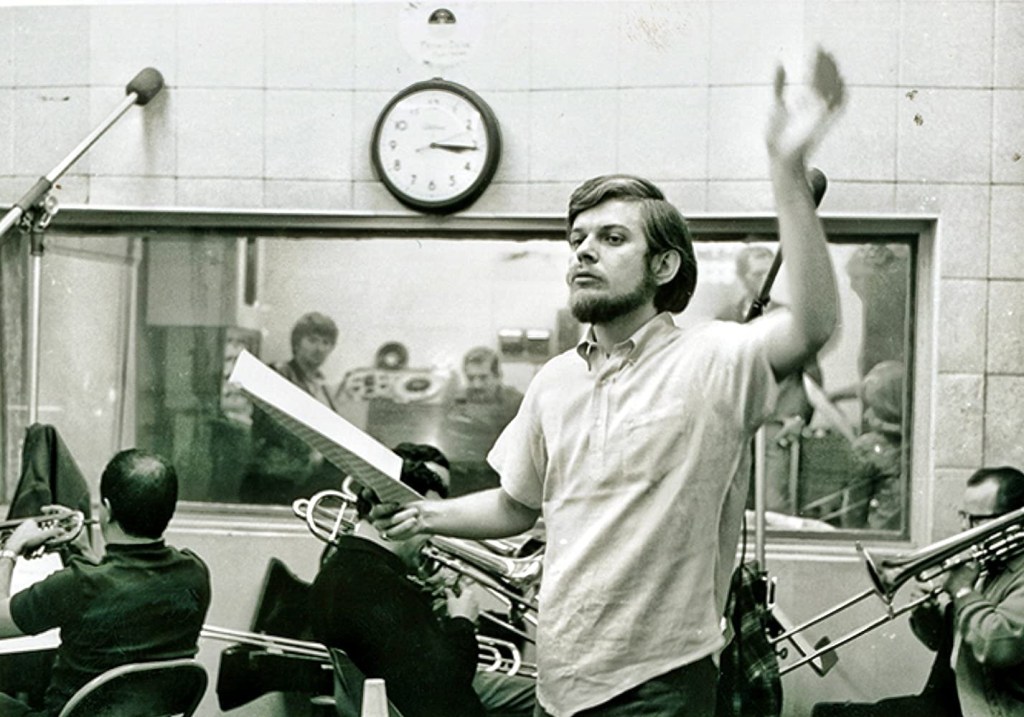
Wrecking Crew member Larry Knechtel said he only got a chance to work the best sessions once Russell stopped doing sessions at a pianist. Knechtel played bass on the Doors’ debut album (including “Light My Fire”), piano and arranging the Grammy-winning song “Bridge Over Troubled Water,” and was a member of the soft-rock group, Bread.
If you enjoy 1960s pop history, Bella has the stories to tell. Russell was playing in the big leagues. In addition to his piano session skills, Russell could work up musical arrangements on the spot, and spent more time as an arranger.
By the late 1960s, Russell had his own home recording studio in the hills outside L.A. and his house was open to the musicians gravitating from Tulsa and Texas to L.A. His deal with Snuff Garrett was over and he had yet to create Shelter Records with Denny Cordell. However, he had hooked up with Delaney and Bonnie, and that attracted musicians like Bobby Whitlock, Dave Mason, Bobby Keyes, Jim Keltner, Rita Coolidge, Eric Clapton, Jim Gordon and George Harrison.
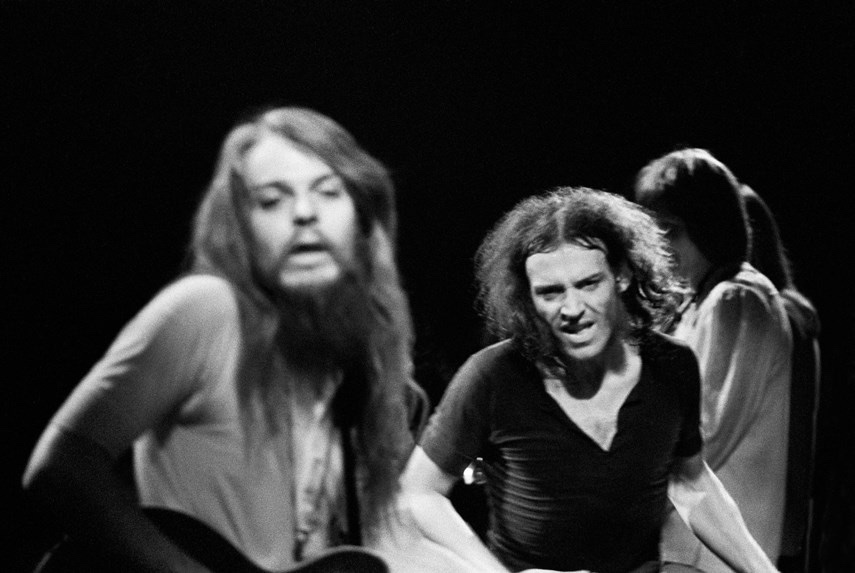
The Delaney & Bonnie chapter was short-lived, but segued directly into the Mad Dogs & Englishmen event. Russell created the tour and album for Joe Cocker, whose became a sensation. Russell was the bandleader, picked and arranged the songs, and assembled the huge band that resembled a combination circus and carnival show, if led by Caligula. Sex, drugs and rock ‘n’ roll. To read about it, this might have been one of the most excessive tour up till that point in time. The Stones and Led Zeppelin might have studied the behavior on this tour.
Janovitz details the whole saga in great detail, and the importance of those supergroups in direction of rock and roll for the next decade. The biggest winner was Leon Russell, who in two short years went from recording session guru to rockstar and solo artist. His reputation was enhanced many times over as he moved from the recording environment to center stage on high profile tours, and was about to launch his solo career. Much had changed for Russell; he grew his hair and beard, and his behavior grew more mysterious. Women came and went, and they remarked in interviews with Janovitz the wide mood swings and the drugs which might have scuttled relationships, but didn’t seem to touch the music.
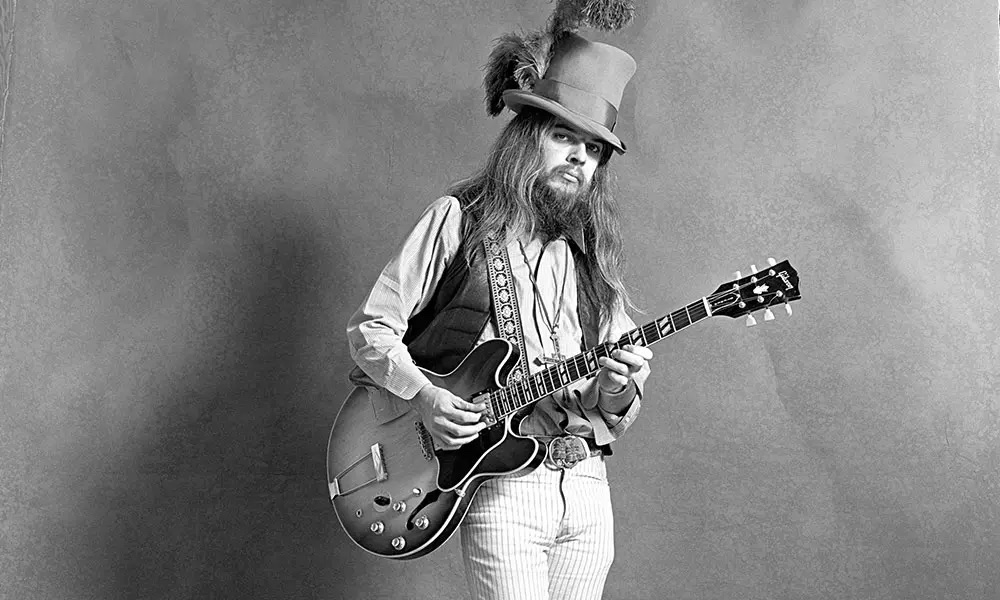
This period was critical to Russell’s career. He was writing and producing hits (“Superstar”), and influencing new artists (Joe Cocker, Elton John), and helping establish artists with new career chapters (Eric Clapton, George Harrison). Russell was asked to perform at the Concert for Bangladesh organized by Harrison, which have a powerful career push.
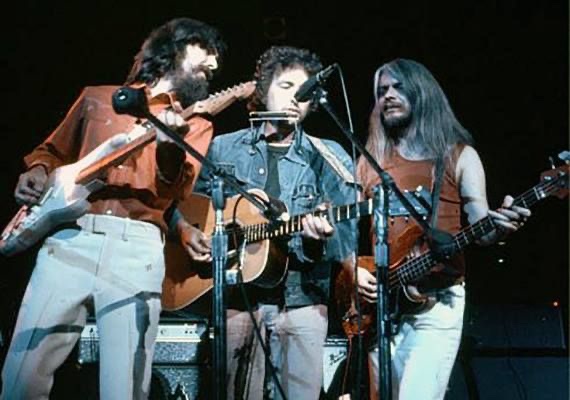
The Concert for Bangladesh put Russell on the same stage as Harrison, Clapton and Bob Dylan. The film of Mad Dogs & Englishmen also put him shoulder to shoulder with Joe Cocker. In the meantime, songs written by Russell were finding themselves on the charts.
Carny, Russell’s next album featured “Tightrope,” his biggest career hit. He was also raking in the cash by touring, charging the highest split of the box office in the 1972-1973 period. The Carny tour, filmed, showed the eclectic nature of Leon Russell, as he blended gospel, white soul, country and vaudeville together into a musical stew.
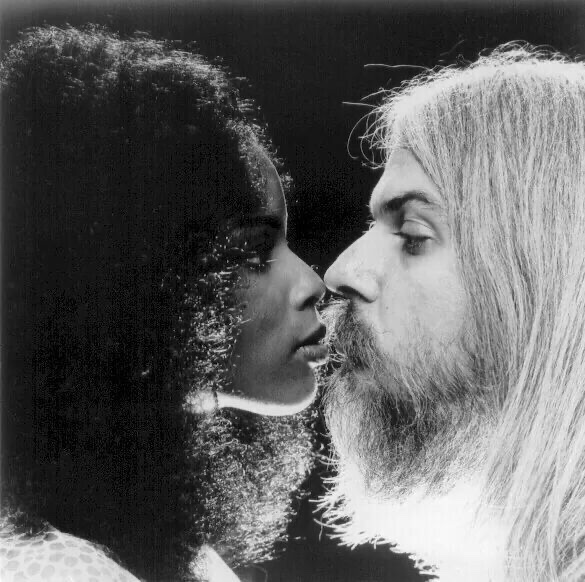
Russell is also portrayed as a bit eccentric, as he moved from place to place, purchasing real estate, hopped from one romantic relationship to another, and didn’t seem much interested in money. The problem that developed was the sudden decline of his albums, writing too little original material and shedding his longtime band for an R&B band. He also jettisoned his manager for someone new and untested. The slump lasted till 1975, when he married Mary McCreary and released Will O the Whisp. “Lady Blue” was one of his best songs, but it was only a temporary reprieve from his downward career trajectory.
Severing his business relationships with Cordell was a costly one. Russell’s own publishing was divided up, with Cordell getting the copyright to “A Song for You.” Later, he sold his remaining publishing for some quick cash at a fraction of its worth. The road would be his main income in the last third of his life, according to Janovitz, it’s really what he lived for; that, and his family. He had children by three different wives, and relations with ex-wife McCreary proved difficult and expensive through his later years.
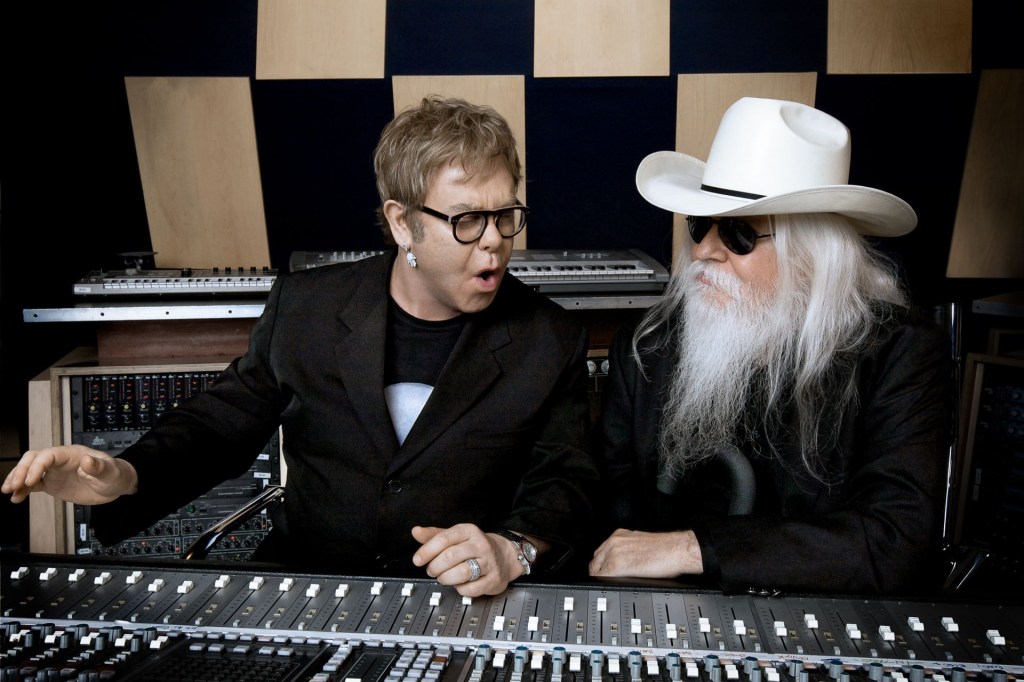
Financially, the album and tour with Elton John were a godsend for Russell, it got him out of small clubs, although Russell seemed tired of the spotlight glare. I saw him in a small venue, before his Union project. His mobility was severely limited and he
Janovitz presents the notion that Russell might have been on the spectrum, undiagnosed with autism or Asperger’s in his life to explain his personality and social struggles. Apparently, even Russell thought that might apply to him after watching a television program about it. His health issues included spinal fluid leaking from his sinuses, a condition that required multiple surgeries. Ten days after one surgery he was recording with Elton John.
Janovitz covers the album and tour with Elton John is great perspective. It’s a great story of one artist giving back to another. Russell needed the money, but the recognition by his peers felt good and was well-deserved. The Elton experience was followed by selection to the Rock and Roll Hall of Fame, with another assist from Elton.
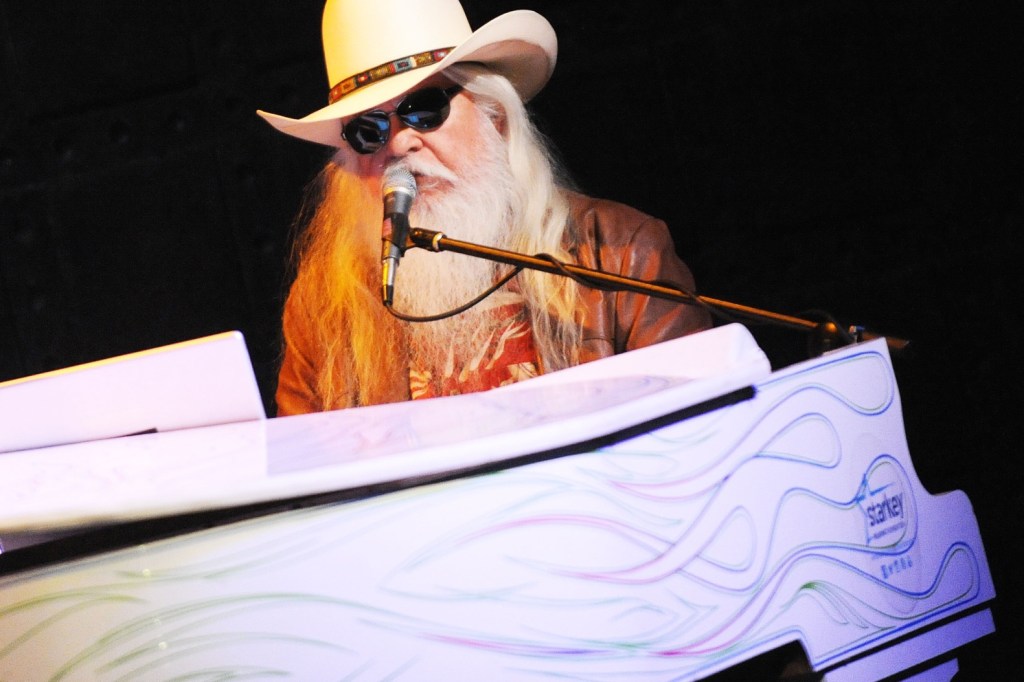
Before Elton approached him in 2009 with the album proposal, Russell was traveling the country in his old bus, which sometimes he drove. The dives he played, along with his royalties, paid the bills and his overhead, but he carried a large debt-load, according to Janovitz, and his his finances were a mess. If you want to skim the last 100 pages, only slowing down to appreciate the Elton chapter, you get more than a sense of Russell’s career, financial, family and health challenges. Instead, focus on his life up till 1975, that’s the Leon Russell that we should remember.
A man that played thousands of concerts had severe stage fright his entire career. He helped many singers, musicians and songwriters, and was loyal to the people who worked for him. He was old before his time, and the troubles piled up, but he never lost his humility and kindness toward others.
Janovitz’s book is pretty honest and goes to the people who knew him for their stories. It’s long and often down in the weeds. More is not always more, but that is not a reason to skip the book. Leon Russell had his time, the 1960s and 1970s, and Janovitz tells it superbly.


 Ticket 2 Ride
Leave a comment