
Geezer Butler, the bass player and main lyricist of Black Sabbath, provides his story and much of it pertains to the legendary hard rock band.
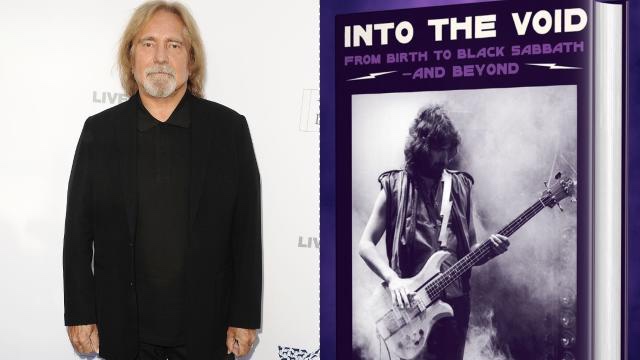
A couple of years ago, guitarist Tony Iommi, released his memoir, and like this book, an interesting read for primarily Sabbath fans. Geezer is a guy that has been in the background of Black Sabbath’s public face; Ozzy and Iommi are the most often quoted and Ozzy in particular, has built a large and profitable, public profile.


Geezer’s story begins right after WWII in the industrial city of Birmingham, England. Like others of his generation, England was still digging out from the war, there was rationing and the cities were recovering from massive rocket damage. Geezer writes of eight people to a small house, no indoor bathroom, no hot water, central heat or telephone. Those were the days, but he looks back with no regrets, most other Brits were in the same situation at the time. Life wasn’t thought of as hard; it was just life.
The story really gets going when Geezer recounts the mid-1960s music scene and his dalliance as a guitar player in those swinging times. American music, specifically the British fascination with the blues, gave rise to a generation of guitarists: Eric Clapton, Jeff Beck, Jimmy Page, Keith Richard, Steve Winwood, Peter Green, Robin Trower, Alvin Lee, John Mayall and many others.
The best part of these books is the climb from the starving days of the first band, to the moment of real success. For me, it’s not the sex, drugs and rock’n’roll part, it’s the broken down van, inferior equipment, shady clubs, long travel, lack of food and sleep. Then we typically get the early success where the band tours nonstop, indulges in rock excess, realizes they got screwed by management on their publishing and royalty rate, finds they are broke from taxes and the expense of recording and touring, begin to run out of creative ideas. Black Sabbath was too coked-up and busy screwing groupies, to seriously focus on music. Geezer recounts the mansions and castles they stayed in write, hoping for inspiration and Iommi riffs to arrive in the middle of the night. That’s about the extent of the creative process described here.
In the 1970s, Sabbath had multi-platinum selling albums, but had seen little of the money. A familiar rock story. Expensively, the bought out their manager, and generally felt ripped off by everyone in the biz. Sadly, the latter half of the decade their album sales took a huge dive as they lost focus, did too many drugs and drank, and younger bands passed them by. They would also part ways with Ozzy.

Frankly, it’s difficult and mind-numbing to keep track of all the Sabbath lineups, and yet, in the 2010s, they were able to record a studio album and tour extensively to worldwide success. The reason was Ozzy’s success, and the power that Sharon Osbourne brought to the table. Iommi, at times, was the only original member left in the band. Ronnie James Dio, Tony Martin, Ian Gillam, Glenn Hughes, Cozy Powell, Bev Bevan and Vinnie Appice are a few of the names that passed through the band; once, twice or even three times. As Sabbath sank, Ozzy soared.
Butler had sold his share of the Black Sabbath band name to Iommi in 1984, who later sold a share back Ozzy. Drummer Bill Ward had sold his share. By the 2000s, the name was owned by Iommi and Ozzy. “I still get a quarter of everything, so it doesn’t matter financially,” Geezer said in an interview.
Ward comes out the worst in the Sabbath story, though a lot of it seems to be his own fault. He as in and out of the band. Really, that applies to everyone except Iommi. Geezer’s book reinforces my thinking that Sabbath had four very dysfunctional people in it.
I don’t mean to be too critical of Black Sabbath, but I see a lot of waste, ego, ignorance and excess. For a number of years, the Black Sabbath brand was in sad shape. Today, Black Sabbath is more respected, in part because of their reclamation, although it was largely for the bucks. The older music is what has always interested me.
Now in his 70s, Geezer seems to have the life he happy with. Married to the same woman for over 40 years, kids and grandkids, enough money from Sabbath tours and royalties to live comfortably. But, Into the Void is a rather depressing read. The drinking and drugs, juvenile pranks on each other, internal battles and dumb decisions grows old after awhile. The saddest part is how they cheapened and disrespected the Black Sabbath legacy through the years simply to churn out mediocre records and fill clubs. The irony is how Ozzy surpassed the band and came around to control the band that fired him.




 Ticket 2 Ride
Leave a comment