

Neil Young has always been unpredictable and apt to rearrange albums he’s working on, shelve songs or entire albums, and mix songs from different recording sessions and band lineups. With his CS&N colleagues, he quit tours and bailed on albums in progress. The fact that his Chrome Dreams album is released almost 50 years later, should come as no surprise. Young has been emptying his vault for the past decade, releasing live concerts, demos, alternate versions and complete albums.
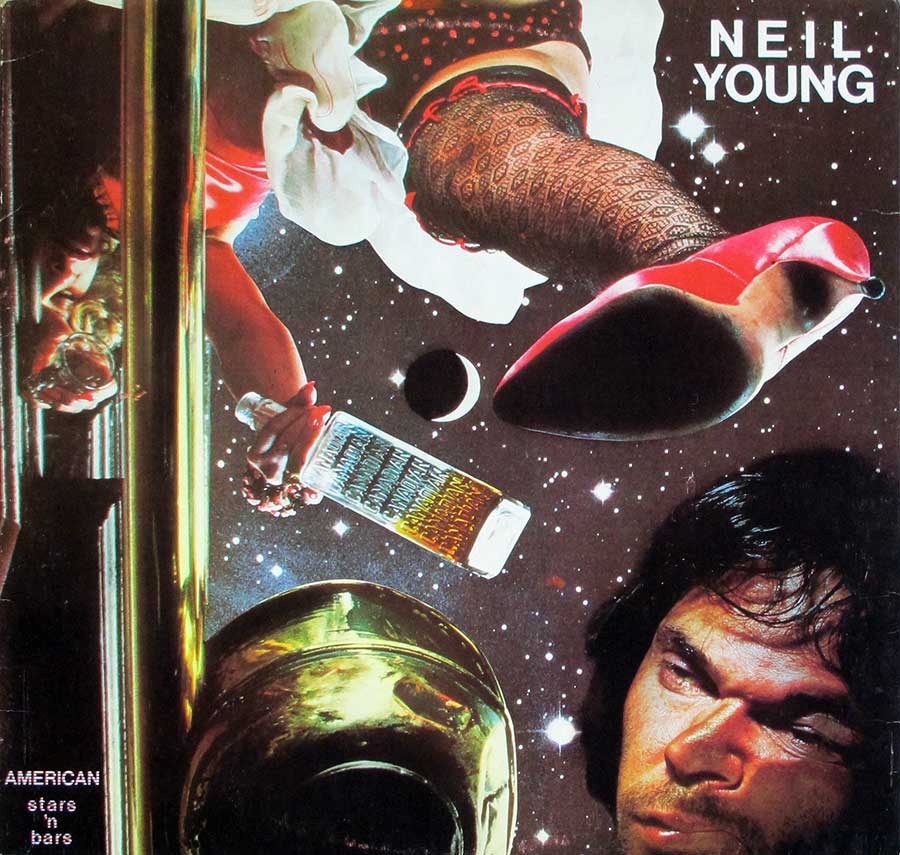
In the mid to late 1970s, Young became even more fickle about his projects. Chrome Dreams contains songs that would mostly appear on other albums, a few with different arrangements. Some of those songs surfaced on American Bars ‘n’ Stars (1977), itself a hodgepodge of recordings, that felt awesome, disjointed and head-scratching all at the same time. Half of that album is perfect and the other half forgettable – that was my opinion then. I’ve learned to appreciate the songs I didn’t like originally, though the album still feels like a chicken that was assembled in the dark. To be honest, two songs on the album, “Like a Hurricane” and “Will to Love,” rank in the top ten Neil Young songs, in my opinion. More on these two songs later.
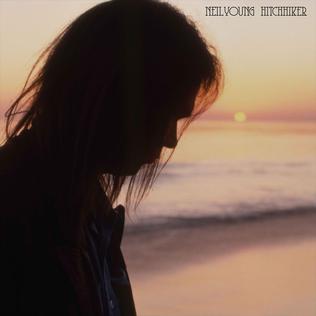
In recent years, Young began revisiting the mid-1970s, the long-shelved country-rock album Homegrown (recorded between 1974 and 1975 but not officially released until 2020), and the 1976 solo sessions that were ultimately packaged as 2017 album The Hitchhiker, both came out of the vault.

So here are the 12 songs that ended up on this version of Chrome Dreams, along with my comments, which continue at the end. I’ve also provided a few YouTube links to songs for your enjoyment.
“Pocahontas” (3:23)
Neil Young – guitar, vocal
Recorded at Indigo Ranch Recording Studio, Malibu, 8/11/1976 for Hitchhiker. Recording first released with additional overdubs on Rust Never Sleeps in 1979. I like this version’s simplicity. The original version is fine too.
“Will to Love” (7:11)
Neil Young – guitars, vocal, organ, piano, vibraphone, drums
Recorded at Broken Arrow Ranch, 4/25/1976 with overdubs at Indigo Ranch Recording Studio, 12/3/1976. Recording first released on American Stars ‘n Bars in 1977. This song reminds me of “Broken Arrow” and “Expecting to Fly” in terms thematic grandeur and production. Young has not recorded anything like this since. The images are vivid and poetic. His overdub of instrumental textures is awesome. He’s never played this song live. The song felt out of place on American Stars ‘n’ Bars, but here, it fits comfortably.
“Star of Bethlehem” (2:43)
Neil Young – guitar, vocal, harmonica; Ben Keith – dobro, vocal; Tim Drummond – bass; Karl T. Himmel – drums; Emmylou Harris – vocal
Recorded at Quadrafonic Sound Studios, Nashville, 12/13/1974 for Homegrown. Recording first released on American Stars ‘n Bars in 1977. I can’t say this is a favorite; never really connected with this song.
“Like a Hurricane” (8:21)
Neil Young – guitar, vocal; Frank “Poncho” Sampedro – Stringman, vocals; Billy Talbot – bass; Ralph Molina – drums, vocal
Recorded at Broken Arrow Ranch, 11/29/1975 with vocal overdub at Village Recorders, Los Angeles, 1/15/1976. Recording first released on American Stars ‘n Bars in 1977. Still an incredible piece of rock ‘n’ roll. I’m not sure Young has equaled this guitar mastery since.
“Too Far Gone” (2:44)
Neil Young – guitar, vocal; Frank “Poncho” Sampedro – mandolin
Recorded at Broken Arrow Ranch, 9/5/1975. Recording first released on Neil Young Archives Volume II: 1972–1976 in 2020. Song first appeared on Freedom in 1989. Decent song, however, this song be a better fit on Comes a Time, which is more the style.
“Hold Back the Tears” (5:15)
Neil Young – guitar, keyboard, percussion, vocal
Recorded at Indigo Ranch Recording Studio, Malibu, 2/6/1977. Recording previously unreleased. Song first appeared on American Stars ‘n Bars in 1977. This is a better version than the released one.
“Homegrown” (2:23)
Neil Young – guitar, vocal; Frank “Poncho” Sampedro – guitar, vocals; Billy Talbot – bass; Ralph Molina – drums, vocal
Recorded at Broken Arrow Ranch, 11/19/1975. Recording first released on American Stars ‘n Bars in 1977.
“Captain Kennedy” (2:54)
Neil Young – guitar, vocal
Recorded at Indigo Ranch Recording Studio, Malibu, 8/11/1976 for Hitchhiker. Recording first appeared on Hawks & Doves in 1980. Thematically, I would have but that on Rust Never Sleeps, but it works on Hawks & Doves too.
“Stringman” (3:32)
Neil Young – piano, guitar, vocal
Recorded at Hammersmith Apollo, London, 3/31/1976 with overdubs at CBS Studios, London, 4/1/1976. Recording first released on Neil Young Archives Volume II: 1972–1976 in 2020. Song first appeared on Unplugged in 1993. A really good song, one of the best on this album. Too bad it stayed unreleased for so long.
“Sedan Delivery” (5:21)
Neil Young – guitar, vocal; Frank “Poncho” Sampedro – guitar; Billy Talbot – bass, vocal; Ralph Molina – drums, vocal
Recorded at house, Point Dume, CA, 5/22/1975 for Zuma. Recording previously unreleased. Song first appeared on Rust Never Sleeps in 1979. It would have worked on Zuma, but also fits on Rust Never Sleeps. It’s a good song.
“Powderfinger” (3:23)
Neil Young – guitar, vocal
Recorded at Indigo Ranch Recording Studio, Malibu, 8/11/1976 for Hitchhiker.
Recording first released on Hitchhiker in 2017. Song first released on Rust Never Sleeps in 1979. I like the song, but prefer the version on Rust Never Sleeps, it has power and scope with the electric, band version.
“Look Out for My Love” (4:01)
Neil Young – guitar, vocal; Frank “Poncho” Sampedro – guitar; Billy Talbot – bass, vocal; Ralph Molina – drums, vocal
Recorded at Broken Arrow Ranch, 1/20/1976. Recording first released on Comes a Time in 1978. Great song and version.
Basic song information from Wikipedia. Commentary is all mine.
I’ve read a few reviews of Chrome Dreams that suggest these songs represent a “greatest hits” of Young’s 1975-77 songwriting. I would disagree, yes, there are some terrific songs here, but there are half a dozen really strong songs he released on other albums during this period that I would trade for “Star of Bethlehem,” “Hold Back the Tears,” “Homegrown,” and maybe others. Young was prolific in those years, constantly writing and recording, so there are a lot of songs to choose from. Look for an upcoming blog where I pick a middle 1970s greatest hits list.
I like Chrome Dreams a lot, it represents Young during a very fertile creative period. The songs are very accessible and reveal Young writing from his most vulnerable and poetic places.
4/5 stars


 Ticket 2 Ride
Leave a reply to Mike Miller Cancel reply