
I saw a feature about Sly Stone on CBS Sunday Morning a few weeks ago. His memoirs were coming out and it was time to promote the book. Funny thing, he did not appear in the feature, but his kids did. Even after reading his book: Sylvester “Sly Stone” Stewart continues to be an enigma. I’ll just refer to him as Sly Stone.

A few years ago, it was widely reported that Sly Stone won a lawsuit over past royalty payments. He was to receive $5M. It was also reported that he was living in a van, but not down by the river. It turns out the judgement was reversed on appeal, and the van was really his motorhome that doubled as his mobile recording studio. In Sly Stone’s life, the truth is likely to be in the details. Whatever the reality, this dude has lived a crazy life. The fact that he’s still alive is astounding.
The book reads like a transcribed conversation, which it might have been. Drugs played a big part in Sly Stone’s life, by self admission, but his substance abuse issues merely enhanced the person he was. People have been curious how he went from a top of the chart, gold record success to another burnout.
His successful years were from 1968-1974, when he had the original Family Stone. Those were immensely successful years, as a recording artist and performer. Sly & the Family Stone even performed at Woodstock. Listen to some of his popular songs and you hear the blend of soul, funk, R&B and pop.
His big hits were not just restricted to the R&B audience, Sly Stone was a crossover megastar. At an early age he began showing his musical versatility, and even though the Family Stone was a talent group of musicians, Sly Stone said he often played most of the instruments on some of the recordings.

“Dance to the Music,” “Everyday People,” “Stand!,” “Hot Fun in the Summertime,” “Thank You (Falettinme Be Mice Elf Agin),” “Everybody is a Star,” “I Want to Take You Higher,” “Family Affair” and “If You Want Me to Stay” are all radio classics. The bright and positive lyrics, easy on the ears hooks and fashionable sound was balanced by a very dark, downbeat and critical style of music and social commentary that arrived in the form of There’s a Riot Goin’ On (1971). It’s a masterful album of dark vibes, the dangerous side on the street. Why release something so counter to the commercially popular music of his last few albums? Simply, it’s where he was at the time. This was also his last successful album.
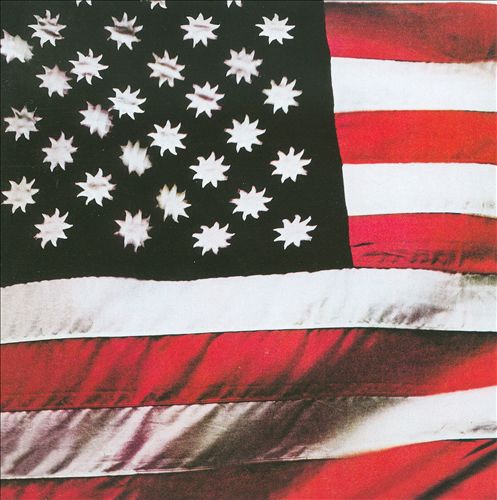
Even after reading his story I am not completely sure why it all fell apart. He recorded and toured constantly, burning out was a real factor. The drugs. Too many people hanging on. Bad business decisions. Relationship problems. Pulling back and withdrawing into the world he had created. Not embracing changes in the music. Stone was a man who depended on others, to handle his business and finances, to handle his personal matters, and to fill whatever voids had developed in his life. Success was not sustainable on the path he was on, and he didn’t seem equipped to run his own life, handle problems, be self aware, and make course corrections. That’s what I got out of the book.
“What I did see was everything else. Coldwater had taken things up a level. Bel Air did that again, on a bigger scale. You could walk into the house at any time of day or night and see coke cut into lines on a glass table or some motherfucker half-asleep with a gun on his chest or women in a room waiting for someone. I had a safe upstairs for Seconals, Tuinals, Placidyls, and since I was the only one with the combination I was the only one who could take a combination of them. Thank you for the party. I could never stop.”
As success grew, so did the magnitude of disfunction in his life. What I remember most about Sky Stone from that era was the wrap that he was late or missed entire concerts. That’s not just a perception, that’s the truth. Partly, he blames that on being overbooked and pushing him to exhaustion. He also blames promoters who took advantage of this to make sure he missed performances and had to pay the penalties. I get the image of a man on a hamster wheel that spins faster and faster but can’t get off.
“Back at home we weren’t getting booked any less, but I was missing more shows. If before it had been 90 percent bad booking and 10 percent me being tired, it had tilted another 10 percent toward tired. The weariness was spreading but I couldn’t show it in the music.”
His failure to show, wasn’t just about performances, it was about his own responsibilities. Along the way, Sly Stone became aware of unpaid taxes, a problem that would haunt him for years. The expensive homes, fancy cars and even his musical equipment would be gone.
“A month later, I failed to show for a court hearing. Two months after that, I failed to show for another one. Warrants went out. People made jokes. Arrest records were my new rec-ords, and I was hitting the charts. Court dates were my new concerts, and I was still just as good about arriving on time.”
Eventually, he was downsized to his motorhome and he was largely forgotten. Until the lawsuit. And then this book. Now 80 years old, he has his story to tell. When CBS Sunday Morning wanted to do a Sunday profile of Sly Stone, they had to film it without him. That’s right, he did not participate, but his three children did. It wasn’t really explained why he was absent, but it was typical Sly Stone.
[If you enjoyed this blog, please “like” and subscribe to. Thanks for your interest.]



 Ticket 2 Ride
Leave a comment