
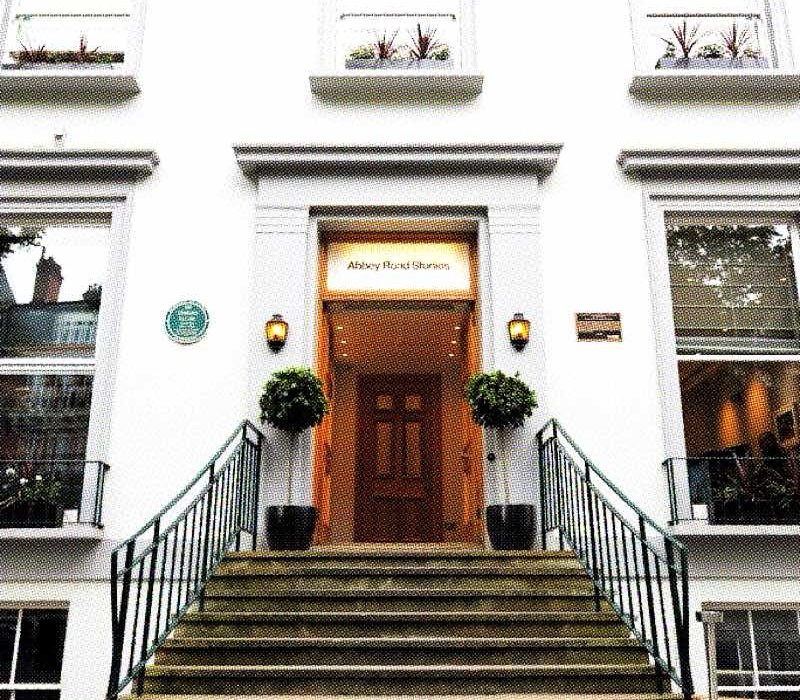
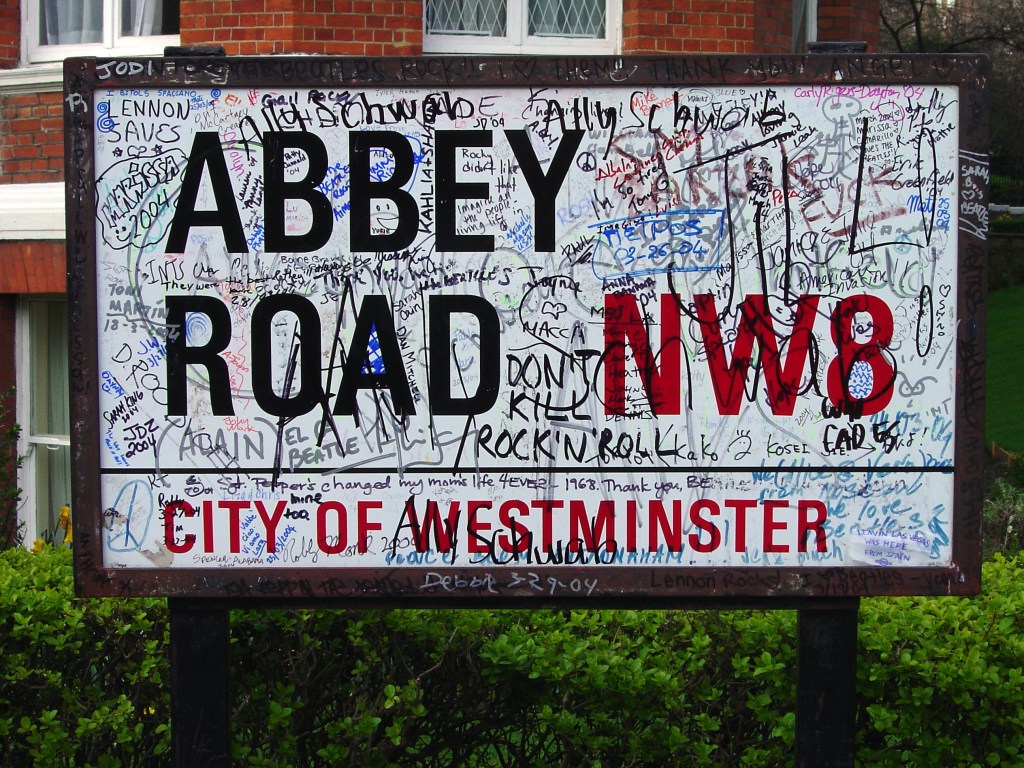
Abbey Road. A street that probably most people have heard of, even if they can’t specify place. Abbey Road Studios is also a recording studio where much of the Beatles’s magic happened.
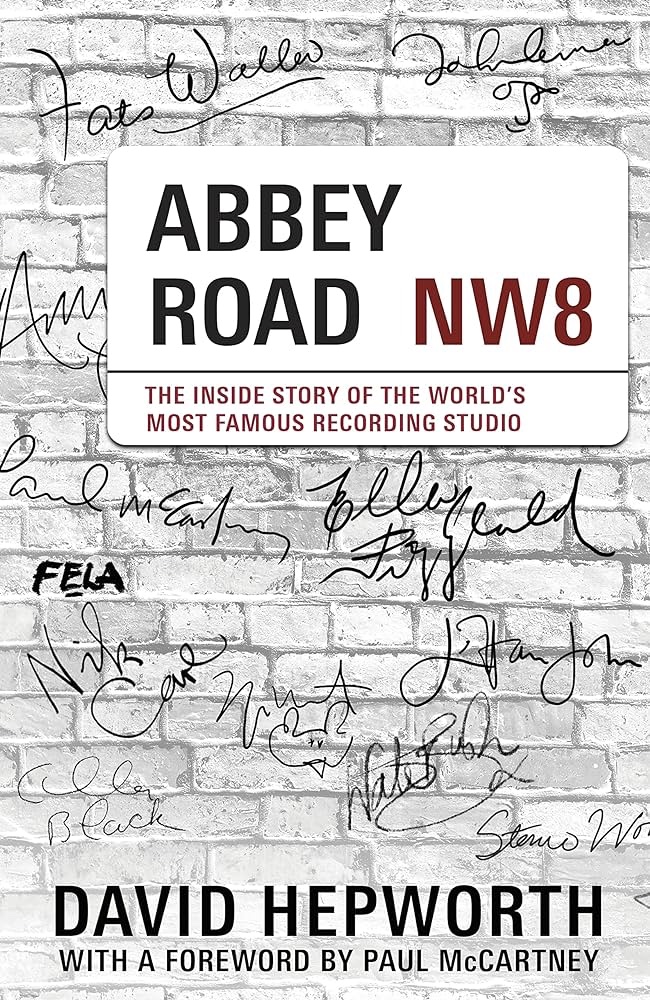
In a new book written by David Hepworth, Abbey Road (2023, Pegasus Books) traces the history of this famous place and historic recordings made by Beatle and non-Beatle personalities. For the record (no pun intended), over the years there have been several books written about the recording studio, but the Hepworth book is the latest, and in time for the release of “Now and Then,” the final song by the Beatles.
As I said this book only partially pertains to the Beatles. Many singers, musicians and spoken word artists have used Abbey Road Studios for their recordings. What I won’t be including is any discussion of the zebra crosswalk located on Abbey Road or the why the Beatles used it for their album cover of the same name. Sorry, maybe in a future blog.
The residential building was purchased in 1929 by the Gramophone Company and opened for business in 1932 after lengthy renovations. The Gramophone Company merged with Columbiato become Electrical and Musical Industries(EMI). EMI’s recording facility had three studios of different sizes, which all remain in place today. EMI was an electrical engineering company and recording was in its infancy then. Hepworth traces the origins of recording technology and the success the Abbey Road studio had in recording the best opera and musical stars of the day. The invention of the electric microphone and audio tape were the greatest overall achievements in recording. Without those, the recording industry would not exist beyond indistinguishable sounds on a 78 rpm disc made from a direct to wax master disc.
It should be noted that EMI was a company that invented much of the electronic technology they used. While EMI could be on the cutting edge of inventing advances in recording, their company culture was slow as molasses to utilize their own inventions and their rigid policies slowed the evolution of musical creativity and innovation. That might sound funny given the Beatles leading edge production work, but they had to push the company and sometimes operate clandestinely in the studios to get around EMI’s entrenched recording culture and practices. If you read books by engineers like Geoff Emerick and Ken Scott, they talk about the outdated recording equipment and such policies as engineers wearing white lab coats, and entrenched policies on the assignment and promotion of young recording engineers. Employees at EMI’s record store were required to wear uniforms. Even producer George Martin left EMI and became an independent contractor due to the refusal of EMI to compensate him fairly given the tens of millions pounds the Beatles were earning annually for the company. That’s another story. Today, George Martin’s son Giles, is now in charge of Universal Music’s operations, which includes EMI’s Abbey Road operations.
Although England had its share of popular music acts, even though more traditional genres like classical and opera were EMI’s bread and butter, America provided much of the new music the masses were warming up to. During the Second World War, Allied Forces got a regular dose of American music. EMI was producing recordings to bolster morale and its technical employees were at work on radar and other war efforts.
In the 1950s, skiffle and folk were powering the emerging youth market. One of the first rock ‘n’ roll artists at EMI was Cliff Richard. Many English artists would cover successful American hits, until record labels trusted them with writing more of their own material. After the Beatles came the Hollies, Billy J. Kramer, Gerry and the Pacemakers, and many other artists recording for EMI.
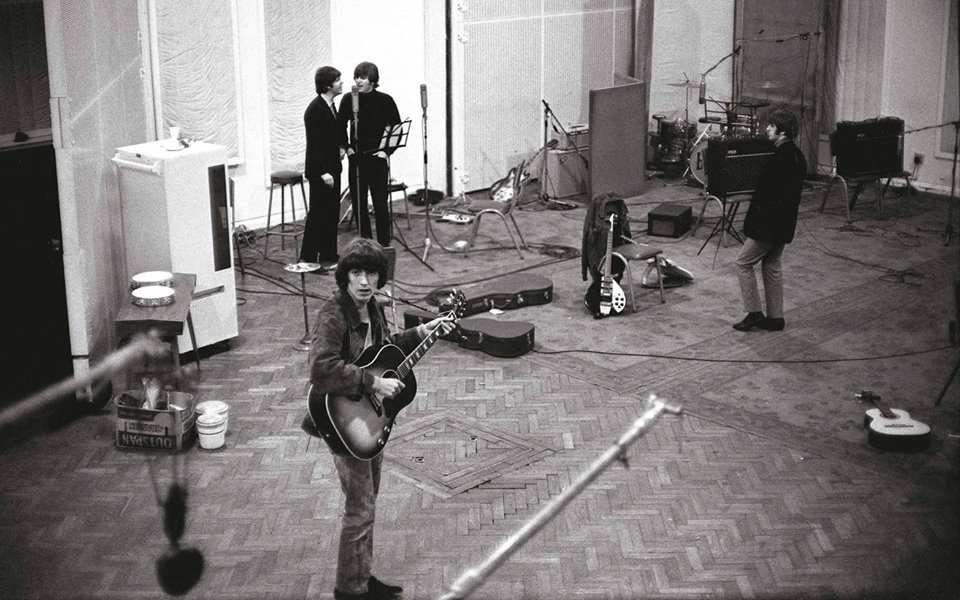
At one point in the 1960s, most of the top pop hits had originated at Abbey Road Studios. Ironic, since pop music was still looked down on next to the classic genres. Less distinguished but it was very profitable. In the early 1970s, EMI created a new label for its newer bands with less definable sounds. Pink Floyd fell into that group at that point in their career. They would shortly begin recording their masterpiece at Abbey Road, with the engineering guidance from Alan Parsons, who would soon lead his own successful musical partnership, The Alan Parsons Project.
Paul Simon’s Graceland, Tina Turner’s comeback, Private Dancer, Amy Winehouse and Tony Bennett recorded a duet there, Oasis’ Be Here Now are among the classic recordings done at Abbey Road Studios.
The soundtrack to Star Wars was recorded at Abbey Road Studios. As the demand for large recording space for orchestras declined, EMI looked for other clients to fill the space (no pun intended). Enter the movie business, which helped keep the studio in the black, but it wouldn’t be the last economic challenge to the studio when developers started sniffing around and so the British Government got involved and the National Heritage Trust made the building an historic structure to keep it off the development market.

Abbey Road Studios still functions as a working recording studio for a variety of musical and film projects. The advent of home recording technology has changed the recording industry and pushed traditional studios to reinvent themselves to remain viable. EMI’s sale to Universal essentially ended EMI’s existence as a musical entity. Abbey Road Studio has gotten creative in marketing its brand, from television series to special programming to visitor tours and souvenirs to recording software that mimics the 1960s technology, the brand lives on.
Overall, Hepworth’s book is an interesting look at the Abbey Road Studios and the evolution of recording from singing into a megaphone to modern digital technology. Along the way, he introduces the reader to some influential employees and artists who made the magic.
One of the more interesting stories involved the work on The Beatles Anthology, which not only consumed the studio’s archives staff, but required the installation of older recording equipment and refurbishing of the studio’s echo chamber per the request of engineer Geoff Emerick who worked along side George Martin on the massive project. The Anthology series was massively successful for EMI, it proved there is gold in them there archives.
This might not be the best Beatles-related book you’ll read, but it’s a fun and informative one.

 Ticket 2 Ride
Leave a comment