
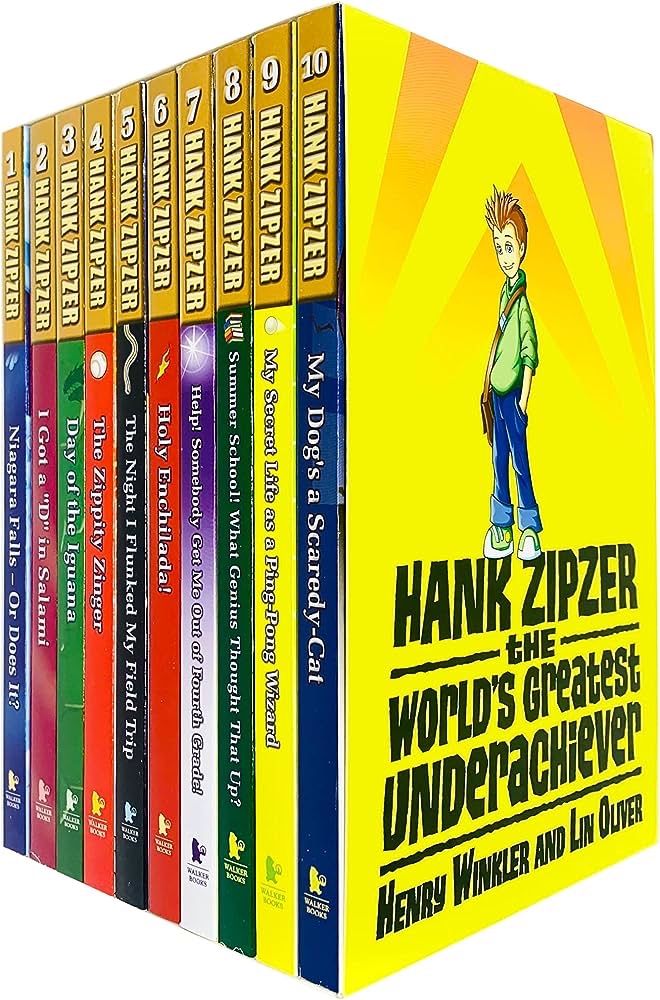
I’ve been waiting for this book. Actor Henry Winkler is one of the good guys. Hugely popular as Fonzie on Happy Days, he never let stardom go to his head, and accepted the typecasting that followed after the show ended. His acting career took a long time to restart, so he did other things liking producing (MacGyver, Hollywood Squares), directing (Memories of Me, Cop & 1/2), stage plays, voice work, and a writer of children’s books.
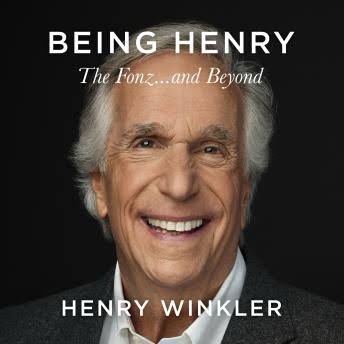
Being Henry is the story of Winkler’s life, but it’s more than that. The stories are mostly funny and heartwarming; this is a good guy, who struggled until late in life with all kinds of insecurities and childhood trauma. He lays it out, baring his soul, because he has moved through it. More than his acting career, it’s a story of self-realization and shedding the weight he’s carried through life. The book outlines lessons learned along the way.
I remember when his first headlining film was released in 1977, Heroes, after Happy Days had been on several seasons and the Fonzie character was now a big deal. Winkler played a Vietnam vet suffering from PTSD who was struggling to deal with the condition, helped by a young woman he met on the road (Sally Field). This bittersweet, melancholy tale was not what fans expected from their favorite TV funny man, though it was successful at the box office. Winkler was trying to tackle something different from Happy Days, and that would be a long journey, considering the success of the series.

Perhaps the most challenging hurdle for Winkler was being dyslexic, it hampered his ability to read scripts, and caused a lot of stress, but he adapted.
“You learn to negotiate with your learning challenge. I improvised. I never read anything the way that it was written in my entire life. I would read it. I could instantly memorize a lot of it and then what I didn’t know, I made up and threw caution to the wind and did it with conviction and sometimes I made them laugh and sometimes I got hired.”
Later in life, Winkler got hot again as an actor, and he became an in-demand character actor. Winkler describes the years where good jobs were scarce as stressful, and it took years for the public to know him for other roles than Fonzi.
This stress seemed to feed other problems for Winkler. He describes a lifelong lack of self-awareness, sabotaging relationships and work meetings, giving advice where not wanted, talking to excess and misreading body language in others.
“But deep down I knew that the part of me that was chasing after the cool kids (and never catching them) that was the part of me that had to change. The ten-year-old in me. Who took up most of the space inside me.”
Sadly, Winkler had a very strained relationship with his German-born parents, who fled Nazi Getmany. This disconnection never resolved itself and was a source of pain and frustration that repeated itself with every interaction. Winkler describes the years of punishment and verbal abuse over his lacking of reading success, his undiagnosed dyslexia. What’s remarkable to me is how children of such relationships can break the cycle and have very successful marriages and healthy children. Winkler seems to be one of those.
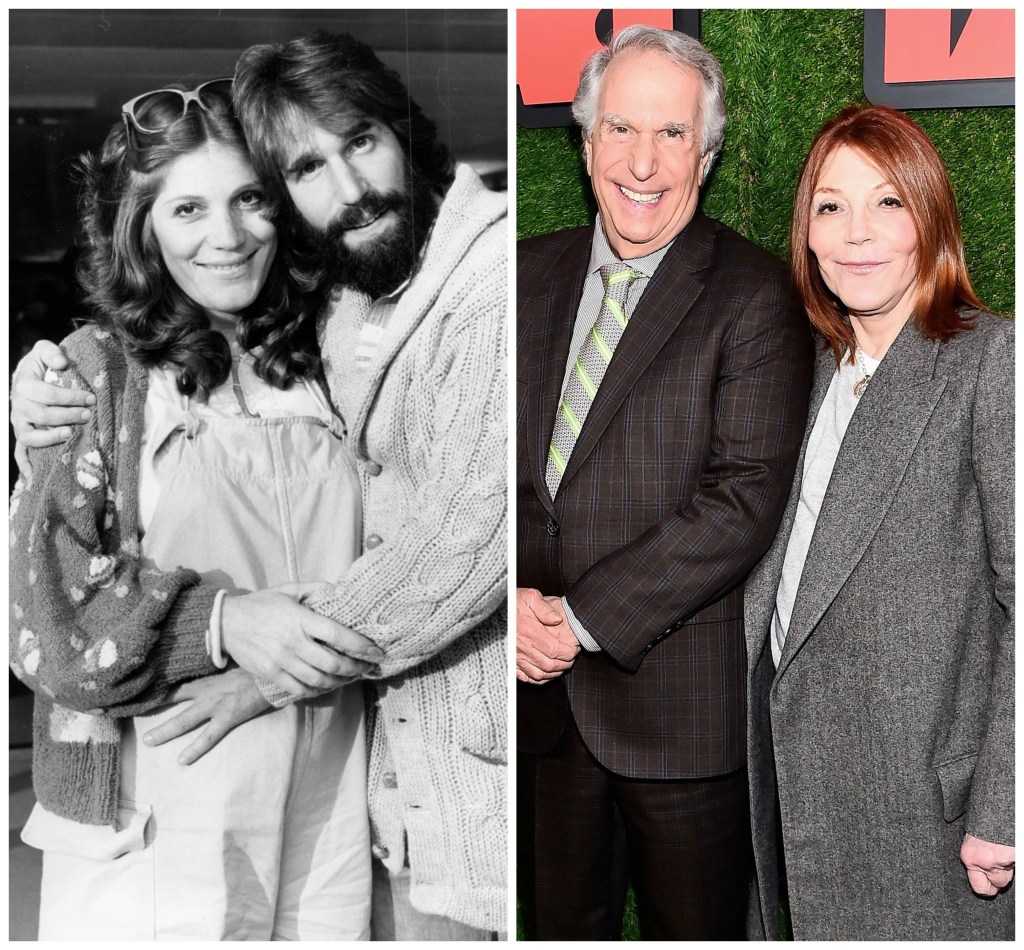
Winkler has been married to his wife Stacey for 45 years.
Being Henry: The Fonz…and Beyond (2023, Celadon Books) includes many show business stories, the best ones are about his friends, and the roles he really wanted. For example, Happy Days was what gave Henry Winkler the actor his voice. His friendship with Ron Howard is a big part of that story. As is the plan to change the show’s name to Fonzi’s Happy Days; the show would be built around his character. Howard threatened to quit, but Winkler told the network head that he wasn’t interested, and keep it as an ensemble show.
Winkler’s role as the acting coach on Barry is one he literally sweated over – for weeks. Winkler writes about the feature film he was fired from: Turner & Hooch. This was one of Tom Hank’s early films and Winkler was hired to direct. Early in production, Disney replaced him. Was it a creative difference with the studio or a problem between director and star? Winkler says the former, but other sources including Ron Howard say the latter. At any rate, Winkler is pretty open about his successes and failures.
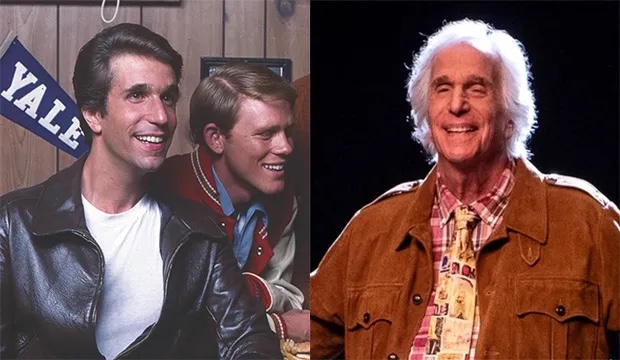
Being Henry is a fun read along with the lessons. Considering how important Happy Days was to his life and career, he talks relatively little about the cast, other than Howard. He doesn’t even mention the alien abduction of Chuck Cunningham, but does write about the “jumping the shark” episode.
Winkler gives credit to many others for opportunities that came his way, particularly when jobs mattered. Adam Sandler was offering film roles (The Waterboy, Little Nikki, Click), Ron Howard steered him to Arrested Development, and friend John Ritter to Clifford the Big Red Dog and 8 Simple Riles when the phone wasn’t ringing with job offers.
As I was reading about the long and stressful audition process for Barry, I’m thinking, this is Fonzi, the most popular TV character in the 1970s, with the exception of JR Ewing, and he’s auditioning like he’s a nobody up for a TV commercial. Something about that is just wrong.
A great read. 4.5/5



 Ticket 2 Ride
Leave a comment