

There is a difference between spending time alone, often by choice, and being lonely. People come in all shapes, colors and personality types, so it is important not to generalize.
I belong to an introverts group on Facebook, and have learned a lot in the short time I’ve been a member. I am reminded that there are many, many types of introverts. If you have a notion of what an introvert is, you are likely mistaken. There is no one type of introvert. I’m an introvert and I’m very different than most of those I’ve had contact with in this group, or people I’ve met in my lifetime. Don’t define an introvert by their silence or lack of participation, that can be quite misleading. Someone posted today that they were trying to explain to a friend that shy and introverted are not the same. Some introverts are, others are not.
I mention this FB group because even an old dog like me can learn something. Each person has their own story and reaction to the world that is different than yours or mine.
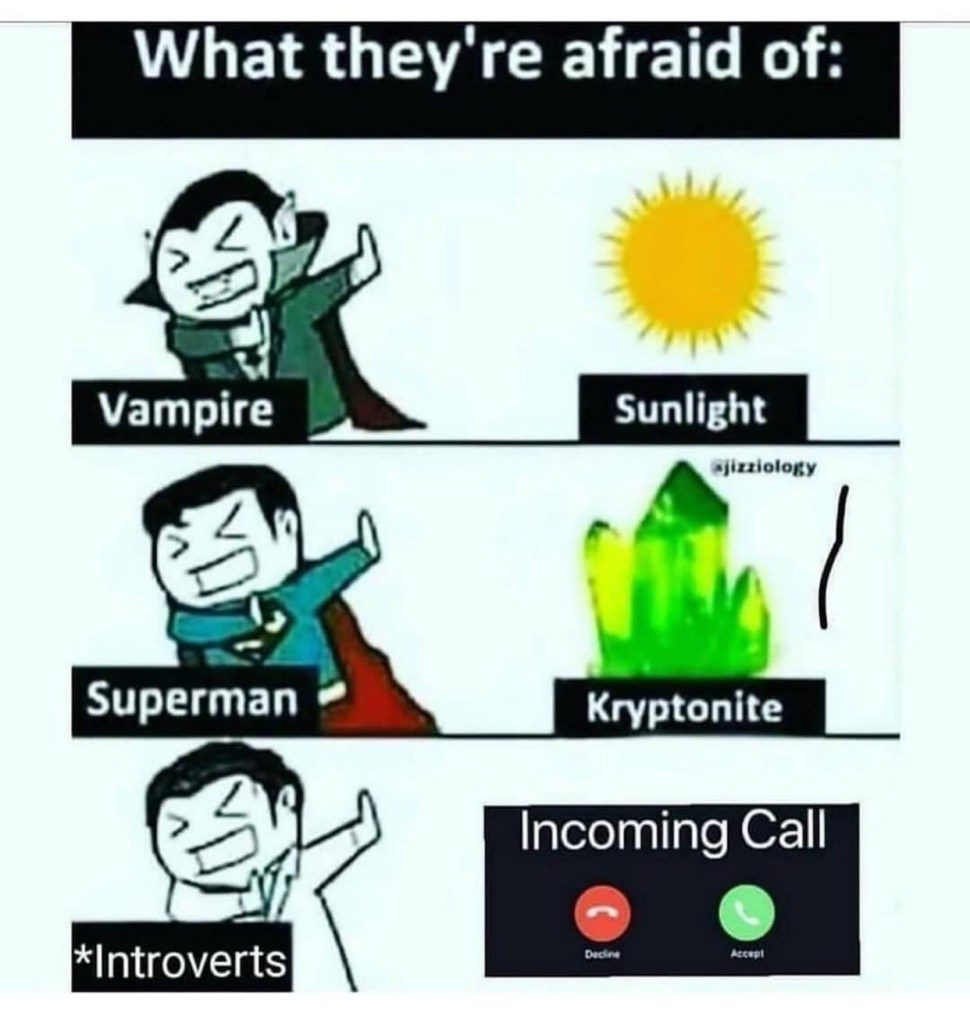
I am surprised by the number of people who identify as introvert who say they dislike people. They indicate they have few if any friends and prefer being alone. Introversion has little to do with liking or disliking people, that’s a separate issue. Feeling comfortable around others and the degree of people contact versus needing alone time is more the issue. Introverts are often mistaken for being antisocial, but that’s also a misleading assumption. Introverts want to be accepted for who they are and free to come or go, as their need or desire of people contact is much different from those who identify as extroverts.
Admitting to being an introvert often comes with a stigma. Alcoholic, pervert, Jets fan, gambling addict, bed wetter, hermit, etc. Some of that is in jest, but you get the idea. Extroverts are normal, introverts are to be pitied. “Are you okay?” Don’t worry, you’ll grow out of it.” “You probably have premature ejaculation, too.” “At least you aren’t left-handed as well.”
What I gather is there is a larger segment of the population who do not associate much with other people. Many of these folks avoid others, including family. They tend to have a very small network of friends and prefer it that way. Many of those folks debate whether to form close relationships, especially to find a partner. The usual social conventions of meeting people is a turnoff and past relationships serve as a reminder of what can, and often does go wrong.

Cianna Garrison, writer for fruity.com, developed a list of 12 Nightmares That Every Introvert Will Relate To for Truity’s true you journal. Truity offers personality tests, to help people discover their true selves.
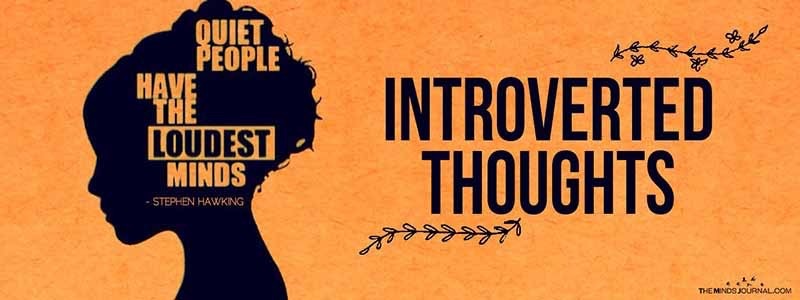
Founder Molly Owens writes a blog that makes some astute observations about various personality types, including introverts. Check out truity.com, meanwhile, here are the nightmares:
- Someone sabotages your “me” time.
- The dreaded team work.
- You find out your relatives are coming to visit, back-to-back-to-back.
- Someone shows up at your doorstep unannounced.
- You’re the center of attention in public.
- You’re picked to talk in class or at work.
- You run into someone you know.
- You’re stuck at a party and have no way home.
- Surprises.
- The stranger beside you tries to make small talk.
- You’ve overbooked yourself for the whole week and have zero downtime.
I can testify to this list, it’s spot-on. Nightmare may be a bit strong a word, but these situations can whip the internal anxiety machine into gear. “Surprise” is on that list because of introverts do not appreciate surprises. Most of the other situations are also surprises too. Extroverts are more tactical in their approach to social interaction, introverts are more strategic. Introverts need more prep time and contemplation. Like a billiards player, introverts need to compute the angles.
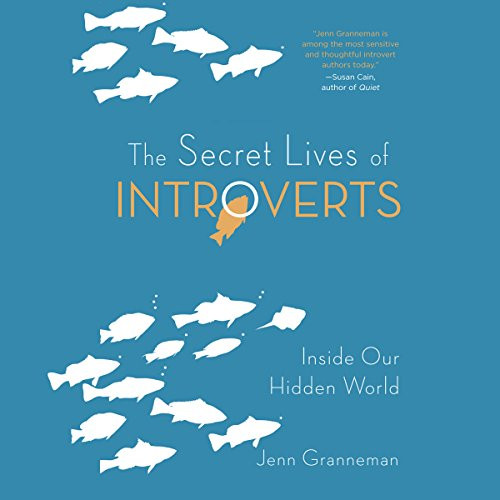
Writing about introverts is a huge, endless subject. I purchases a book called The Secret Life of Introverts: Inside Our Hidden World, by Jenn Granneman (2017, Skyhorse Publishing). This book is as accurate a book as I’ve discovered on introverts. Here are a few key points:
- Introverts are not broken people who need to be fixed. Even many introverts believe there is something wrong with them.
- The introvert hangover or social burnout is real. We get overloaded with social interaction and we really do feel sick.
- Alone time is golden. Time to decompress, think, recharge, be creative, plan your social interactions, not be “on” or required to have your public persona activated. Alone time can be shared with another individual, like a significant other, hanging out, enjoying a movie or some other activity.
- Introverts likely stay away from large, noisy parties where a lot of interaction is expected. Social interaction tends to drain us quickly. We tend to be wallflowers or observers, sizing up the crowd, carefully picking our one-on-one conversations, and waiting for our escape hatch to open. We take our own cars and have an exit strategy prepared. If we attend the gathering with an extrovert, we let them initiate the gab and approaching strangers. We stand ready for a well-placed comment or witty follow-up.
- Introverts tend to prefer communicating in writing (email, texts) verses phone conversations or in-person meetings. We may not respond immediately, we aren’t rude, just thinking, processing and choosing our words.
- There are other untrue assumptions about introverts. We are not antisocial or rude, just reserved. We are not generally lonely, although some introverts are. Even those who crave solitude can become prisoners of that. Introverts are poor communicators, which is not generally true. What is more likely the case is not speaking up enough or putting ourselves in the spotlight. If you are with an extrovert, an introvert may need to step up their game as a communicator. Be less in your head and more words said.
You get the gist of what being an introvert is about.



 Ticket 2 Ride
Leave a comment