

Sgt. Pepper’s Lonely Hearts Club Band may be the first album people identify with the psychedelic era. The 1966-69 years were rich with many albums that could be called “psychedelic.”
Tripping or explorative lyrics, spacey or distorted sound effects, with unusual instruments or sudden changes in song structure or time signature – these are often descriptive elements of psychedelic pop/rock. Psychedelic songs do not have to be the length of “In-A-Gadda-Da-Vida” or Pink Floyd’s “Echoes,” they can be slices of pop candy like “Penny Lane” or “She’s a Rainbow.”
For me, the music eventually released as Magical Mystery Tour is more psychedelic than Sgt. Pepper, but whatever your pleasure, the Beatles helped kick open the door to a wild, mind-altering sub-genre of rock & roll.
Psychedelic rock tended to mirror the kaleidoscope of fashion, art and colorful language that parents did not speak. Psychedelia also embraces experimental, and the late 1960s was that. Hippy music or stoner music or space rock, the labels were inventive and heaped onto bands that became associated with drugs: pot, LSD, speed, etc. Tune in, turn on and drop out. Feed your head.
Here are some of the most notable psychedelic albums of the era:
Donovan, Sunshine Superman (1966) – Donovan was the original folk song hippy. Any of his late 1960s albums could fit here, but Sunshine Superman was the first of his significant works. “Sunshine Superman” and “Season of the Witch” are the best songs from album.
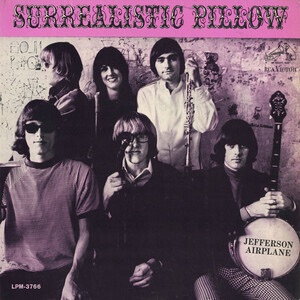
Jefferson Airplane, Surrealistic Pillow (1967) – Arguably, the top JA album, it certainly shimmers with a Summer of Love vibe. Hard-edged, poppy, trippy, and far-out.
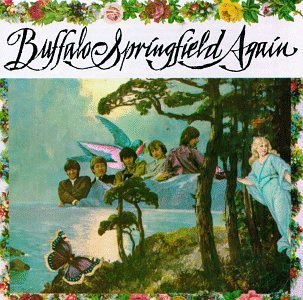
Buffalo Springfield, Buffalo Springfield Again (1967) – The best of their three albums and most diverse. Quiet ballads and folk songs, blistering rockers, and lush, ethereal productions. Give Neil Young credit for pushing the boundaries with “Broken Arrow” and “Expecting to Fly,” mature songs well beyond his years.
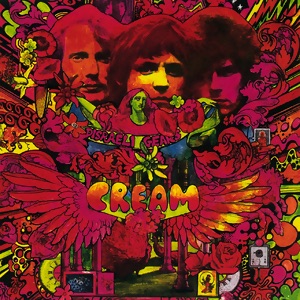
Cream, Disraeli Gears (1967) – A departure from the hardcore blues into psychedelic rock. Full of grooves, fuzzy guitars and tricks of the time. Psychedelics with a hard edge. “Strange Brew,” “Sunshine of Your Love” and “SWLABR.”

The Rolling Stones, Their Satanic Majesties Request (1967) – The Stones were lost in Pepperland. This attempt at a concept album has some gorgeous moments, but others that are silly.
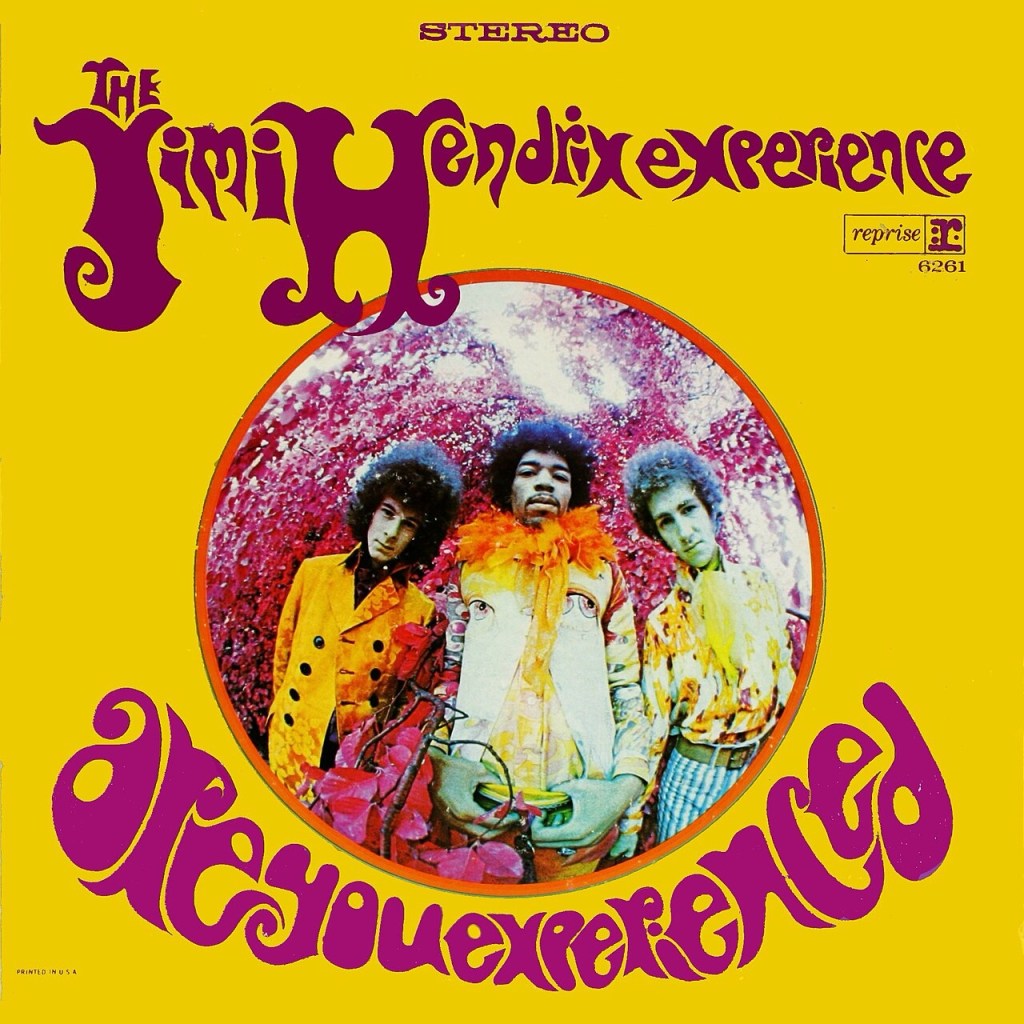
The Jimi Hendrix Experience, Are You Experienced (1967) – Colorful, surreal lyrics, distortion, feedback, tape effects, along with shards of jazz and soul, Jimi Hendrix and band created quite a psychedelic stew. “Purple Haze,” “Foxey Lady,” “The Wind Cries Mary” and others are the cream of this brew.
Pink Floyd, The Piper at the Gates of Dawn (1967) – “Astronomy Domine” and “Interstellar Overdrive” are the best-known songs from Pink Floyd’s first album. “Barrett’s catchy, melodic acid pop songs are balanced with longer, more experimental pieces showcasing the group’s instrumental freak-outs, often using themes of space travel as metaphors for hallucinogenic experiences.” – Allmusic review. The music goes from childlike and color, to dark and threatening soundscapes.
Traffic, Mr. Fantasy (1967) – The first album by Traffic and the quintessential psychedelic album. Trippy lyrics, spacey effects, sitars and other unusual instruments, eclectic ideas, and full of experimentation – somehow it all works.



Moby Grape, Moby Grape (1967) – Sadly, an overlooked band that burst on the scene with this much-praised album. A three guitar lineup and well-blended harmonies, an energetic and diverse set of songs. Refreshing sound and perfect for the Summer of Love.
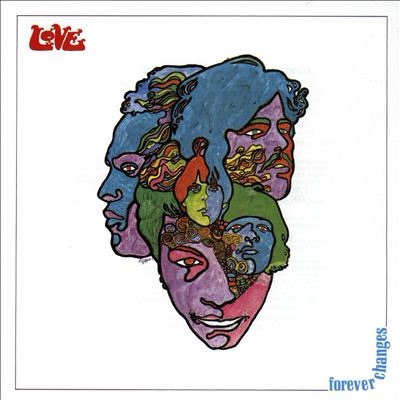
Love, Forever Changes (1967) – A subtler album than its predecessors, Forever Changes is built on “interwoven acoustic guitar textures and subtle orchestrations, with strings and horns both reinforcing and punctuating the melodies.” – Allmusic review. The album was praised for its beauty and optimism. In 1968, the world would forever change.
The Doors, The Doors (1967) – Not for the faint of heart. The Doors is almost a masterpiece, one of the best debut albums ever. Eerie and menacing, The Doors projected an undertow counter to the flower power and sunshine of the moment. Complex lyrics and undercurrents of musical darkness, this album probably scared a lot of parents.
The Byrds, Younger Than Yesterday (1967) – The Byrds without Gene Clark turned to bass player Chris Hillman for more ideas. With producer Gary Usher, the band used recording techniques to deliver an album of quirkier songs, expanding on previous album’s “Eight Miles High.”



Quicksilver Messenger Service, Quicksilver Messenger Service (1967) – Another S.F. band with their own unique sound. Folky and jazzy, known as a jam band in concert, but more disciplined on vinyl. Their debut album, featuring “Gold and Silver” and “The Fool” are long jams, but also include shorter, pop songs.
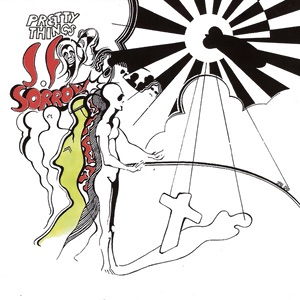
The Pretty Things, S.F. Sorrow (1968) – Extraordinary album, lost in time and poor initial distribution in America. Breathy and delightful, a concept album ahead of its time. Find this album if you can.
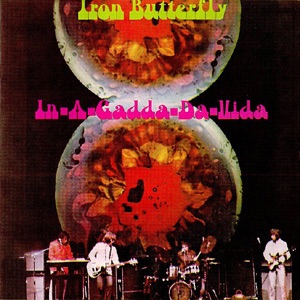
Iron Butterfly, In-A-Gadda-Da-Vida (1968) – The classic heavy, psychedelic rock song (and then some), played at every make-out party at the time. Seventeen minutes in duration, it’s still a gas. There were other songs on the album.
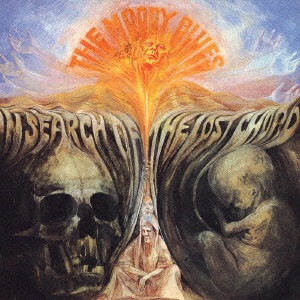
The Moody Blues, In Search Of The Lost Chord (1968) – The first real album of original songs by the revamped band, but their second album. This albums explodes with ideas, boundless energy, a kaleidoscope of musical pieces, and so many questions.

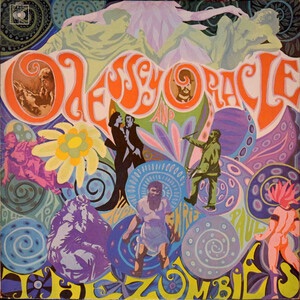
The Zombies, Odessey & Oracle (1968) – What an overlooked album. The story behind this album is sad, but its legacy is amp reward for a fine set of songs that sound like a cross between the Moody Blues and The Beach Boys. Trippy, lush and full of melodic hooks.
The Monkees, Head (1968) – A head trip. I’ve never made it through the entire film. The soundtrack is probably better stoned. A few bright spots.
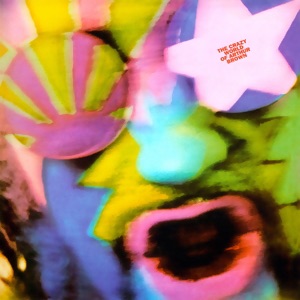
The Crazy World of Arthur Brown, The Crazy World of Arthur Brown (1968) – Listening to this album now, it’s easy to feel the raw power and blinding energy of Arthur Brown.
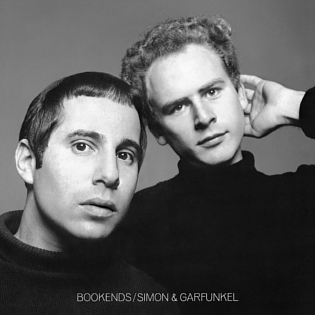
Simon & Garfunkel, Bookends (1968) – This album is probably a surprise for this list. Bookends is everything a psychedelic album has. Inward examination, funny lyrics, the metaphysical, bouncy melodies, quirky musical ideas and sounds. Even adults grooved on these songs.

What did I leave out?



 Ticket 2 Ride
Leave a comment