


The Dalton Gang has always held a special interest for me; I was born in the town where they tried and failed to pull two bank robberies at the same time. Coffeyville, Kansas.
The Last Outlaws, The Desperate Final Days of the Dalton Gang is very reader-friendly. That’s not a complaint, it’s a compliment to how the writing pulls you in, providing color and interesting facts without losing the pace or diverting into detail. That’s a tough balance, but author Tom Clavin, a former New York Times reporter and best selling author, is efficient yet never dry.
Let’s face it, stories about outlaws are inherently interesting by nature, especially unusual and daring robbery plans. This was also the dying days of the Wild West, when civilization was pushing over the prairie and outlaws on horses were an endangered breed.
The outlaw life, despite the occasional big heist, was a hard one. It was romantic as well, as gangsters would find out some years later. Clavin provides history of the Doolin-Dalton gang, as well as the James-Younger gang, who operated in the Midwest during the same period, remnants of the pro-slavery factions operating before and during the Civil War. Cole Younger joined William Quantrill, participating in Kansas-Missouri border raids, including the massacre and burning of Lawrence, Kansas, where more than 200 men and boys were killed. I grew up in Lawrence, so I have another connection to this story.
This book isn’t just about the Daltons or James brothers, it’s really about the changing landscape of the West and American culture in the late 1800s. The outlaw was often the folk hero, taking on the banks, stage lines and railroads, not to mention the government and local law enforcement and notable judges. The Civil War and the passions of the times continued to boil, postwar, as injustices simmered, farmsteads and assets taken during wartime were not replaced, Native Americans were moved off of their tribal lands, big business like the railroads gobbled up land, Western land was opened up for settlement, and crime outpaced the justice system.
Outlaws found ways to navigate in the postwar, at least until the law or civilization caught up with them. If outlaws survived, which a few did, they found notoriety and comfort selling their stories, joining Western shows and delighting crowds with tales of gunfights, daring robberies and adventurous escapes – true or partly true. The Daltons and other outlaws saw themselves as Robin Hood type heroes. If bank clerks, train personnel and bystanders cooperated, the Daltons had no beef with them, but the outlaws weren’t ones to give away their heists. Whatever revenge or heroic notions, the Daltons were still dangerous wanted men.
Four of the Dalton brothers either wore a badge or served on a posse to track down law breakers. One brother, Frank, died while attempting to make an arrest. It wasn’t uncommon for officers of the law and gunmen to flip sides of the badge. Working for the badge was steady, if dangerous work. The skill sets were similar.
In the case of the Daltons, outlaw seemed their destiny. The scars of the Civil War ran deep, and the sense of being wronged was unavoidable. Again, the fragmented and overburdened justice system was behind the curve of lawlessness and able enforcement.
The Dalton story crisscrosses and intersects with many other outlaw characters. Outlaws worked big territories in multiple jurisdictions: states, territories, reservations; with U.S. Marshals, town marshals, county sheriffs, private security like Pinkertons and railroad agents, and bounty hunters and paid posse riders, all in pursuit of wanted persons.
It’s amazing to realize that so many outlaws were found and brought to justice, or killed in gun battles. Clavin meticulously describes many stories of lawmen tracking and finding their subjects, and the often deadly results. The death of Frank seemed a factor in his brothers’ decision to steal and rob, but apparently several of them weren’t good at anything else or couldn’t stay out of trouble. Sadly, other brothers felt a brotherly duty to go along and help in their thievery. The Daltons collectively seemed to feel victimized by the law, for a variety of reasons, brother Frank’s murder, brother Graf being tried for a crime he was not directly involved, and several of the brothers being terminated from law work.
As the gang focused on robbing trains full-time , their work grew to $5,000 per head, or $40,000 for the entire bunch. Those heists, only some successful, created a great pushback by the railroads and the law. Lawman Heck Thomas, a notable deputy marshal, was tracking the Daltons.
Brother Bob, felt the heat and wanted a big, final score before hightailing it somewhere else, maybe to another country. the Dalton gang had worn out their welcome; they were known extensively throughout the Midwest, had warrants out for them, had few hiding places where someone didn’t know them, and had a misguided belief in their own ability to pull off the job never attempted before.
According to Clavin, Bob Dalton wanted to top whatever the Jame-Younger gang had ever done. This was an effort to not only set themselves up for the future, but be the top outlaw gang. The five-member Dalton gang would rob not one, but two banks at once in the same town, and no one would get hurt.
Coffeyville was a bustling town, prosperous with the railroad, grain and milling, and assorted industries. Unfortunately, the Daltons were well-known in Coffeyville, but that’s beside the point. Brother Bob was convinced the plan was a great one and sold it to brothers Grat and Emmitt, and Dick Broadwell and Dick Power.

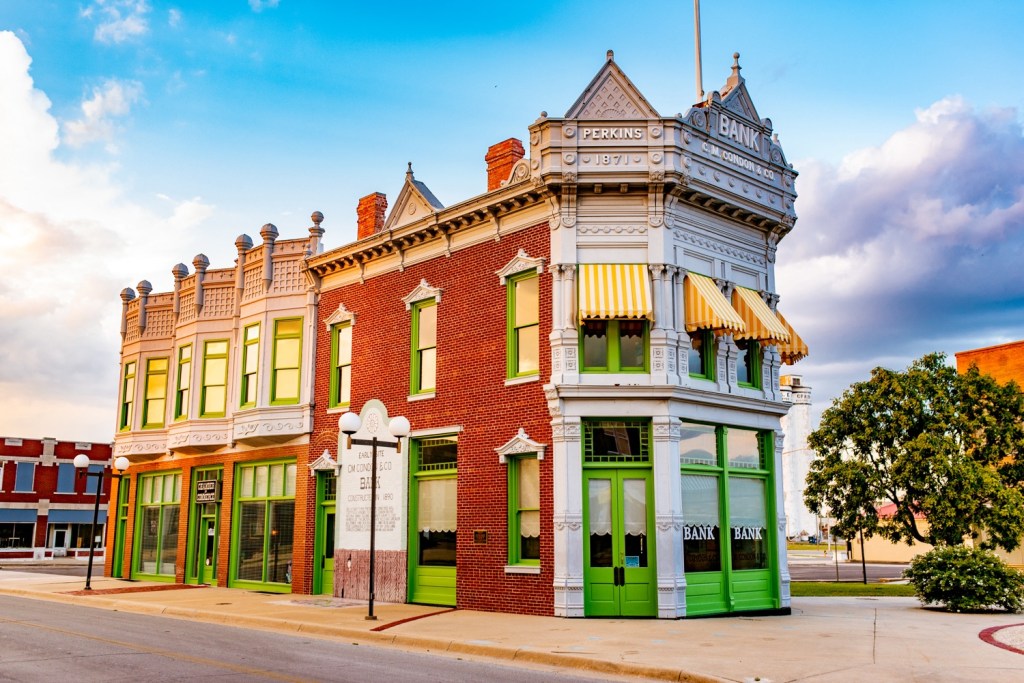
Clavin details the many contributing factors for the heist’s failure. Bad planning, bad disguises and bad luck all played a part. What brother Bob thought would be easy in, easy out, was far from reality.
The Daltons may have intended that no one get hurt, and that might have been the case had they not been recognized walking to the banks with their guns visible. Word spread as citizens and business workers grabbed guns and prepared to defend their town.

Three citizens and the town marshal died in the battle. Others were wounded, one seriously. Bob and Grat Dalton, and Power and Broadwell died. Emmit Dalton had 23 bullet and pellet wounds, but survived to spend 14 years in prison.
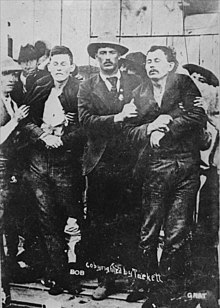
The Doolin-Dalton gang was formed by Bill Dalton and Bill Doolin, who had not been involved with the Coffeyville episode. The Doolin-Dalton gang would generally operate out of Oklahoma, robbing banks, trains or whatever fancied them. While the frontier was long closed, and it became harder for outlaws to survive, there seemed a ready supply of neardowells seemingly unsuited for becoming productive, law-bidding citizens. But the law remained in pursuit.
The Three Oklahoma Guardsmen were a trio lawmen, each having tracked the Daltons, Doolin and many others part of various gangs in Kansas and Oklahoma: Heck Thomas, Chris Madsen and Bill Tilghman. Clavin teaches you a lot about these law dogs and their true grit.
When you are done with the book, you feel the dust from the trail and the beans from the campfire. Clavin paints a vivid Western landscape, full of bushwhackers, gunsmoke and wanted posters.
4.5/5


 Ticket 2 Ride
Leave a comment