

The 1960s was a time of musical evolution and tremendous creativity. While record companies often nurtured young recording artists instead expecting instant success, many were fast out of the gate in delivering seismic results.
Any list is subjective, and mine is too.
If You Can Believe Your Eyes and Your Ears (1965) The Mamas and The Papas. “Monday, Monday,” “Go Where You Want to Go” and “California Dream’” changed the pop landscape. This album gave us delicious four-part harmonies and folk-rock anthems.
The Doors (1967) The Doors. “Light My Fire” and “Break on Thru (To the Other Side)” are classics. “The End” establishes the deeply philosophical writing of Jim Morrison.
Buffalo Springfield (1966) Buffalo Springfield. Nearly every song on the album is a gem. Rock, folk, country all represented here. “For What It’s Worth,” and “Nowadays Clancy Can’t Even Sing” are classics.
Music From Big Pink (1968) The Band. These were hardened musicians by the time they released this set of songs. Mostly originals, and a couple of Dylan songs. At the other end of psychedelic rock was folk and gospel, but The Band kept mixing in rockabilly, ragtime, r&b, blues, country and anything else. “I Shall Be Released” and “The Weight” are classics.


Please Please Me (1963) The Beatles. What more needs to be said?
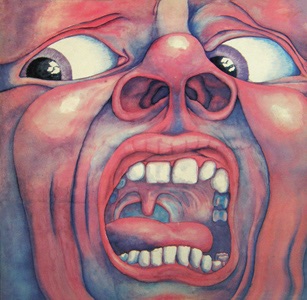
In the Court of the Crimson King (1969) King Crimson. Opinions vary, but this album is largely responsible for the emergence of progressive rock. The Mellotron, woodwinds, tape loops, melancholy melodies, cryptic lyrics and jazz styling poured out of stereo speakers when this album played. “21st Century Schizoid Man,” “I Talk to the Wind” and “In the Court of the Crimson King” are classics.
Are You Experienced (1967) The Jimi Hendrix Experience. “Foxy Lady,” “Manic Depression” and the title track burned holes in rock music. Hendrix used his guitar to travel where music had never been.
Led Zeppelin (1969) Led Zeppelin. Volcanic blues rock, with a pinch of folk. The album is a mixture of traditional, blues cover versions, and “borrowed riffs and entire songs.” The courts straightened out the lack of credits. It’s really the playing, more than the songs, that gave birth to the genre.



Chicago Transit Authority (1969) Chicago. Of the jazz-rock bands, Chicago became the most successful. “Does Anybody Really Know What Time It Is?” and “Beginnings” are classics. This album was adventurous and rocked.
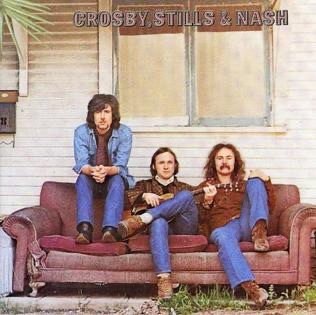
Crosby, Stills & Nash (1969) Crosby, Stills & Nash. That gorgeous three-part harmonies and razor-sharp philosophy set the sail for the SoCal music scene.
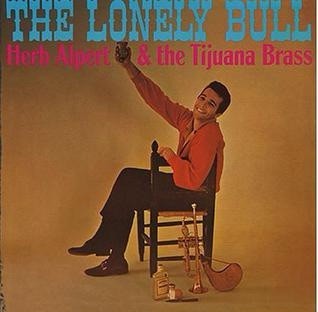
The Lonely Bull (1962) Herb Alpert & the Tijuana Brass. This album brought a new and infectious sound to pop music. Originals and covers had that South of the border sound. Many great songs were to follow.
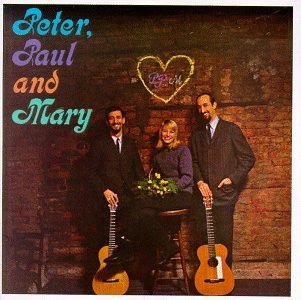
Peter, Paul and Mary (1962) Peter, Paul and Mary. “If I Had a Hammer,” “The Lemon Song” and “Where Have All the Flowers Gone” are not just folk classics, they are music classics.. Their three-part harmonies are like warm honey.

The Barbra Streisand Album (1963) Barbra Streisand. That voice. A Grammy winning album.
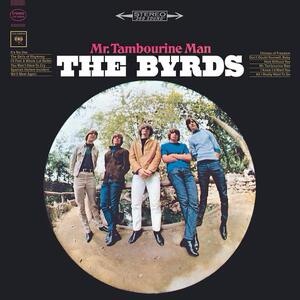
Mr. Tambourine Man (1965) The Byrds. These guys were more than electric folkies. Yes, they covered Dylan and Seeger, but they also wrote some earthy rock and roll songs. The title track, along with “I’ll Feel a Whole Lot Better,” “All I Really Want to Do” and “The Bells of Rhymney” established this band as American originals.
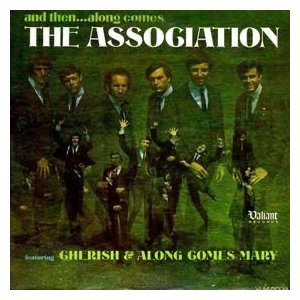
And Then… Along Comes the Association (1966) The Association. “Along Comes Mary” and “Cherish” were huge hits. These guys wrote and sang great pop, with luscious harmony vocals and lilting melodies.
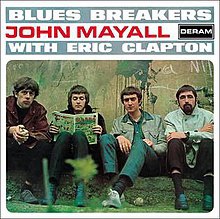
Blues Breakers with Eric Clapton (1966) John Mayall & the Bluesbreakers. Mostly blues standards. The star is Clapton.

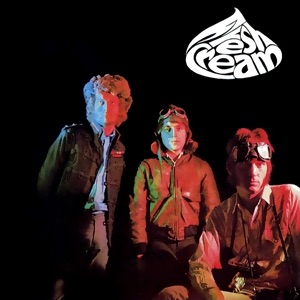
Fresh Cream (1966) Cream. Although about half the songs were blues covers, they were scorchers. Clapton, Bruce and Baker were largely responsible for the power trio. British blues evolved into a sharp and thunderous hard rock genre. This album was a bit ahead of their contemporaries.
The Monkees (1966) The Monkees. “Last Train to Clarksville,” “Take a Giant Step,” “Saturday’s Child” and “I Want to Be Free” were a solid hits. They had some great writers, musicians and producers.
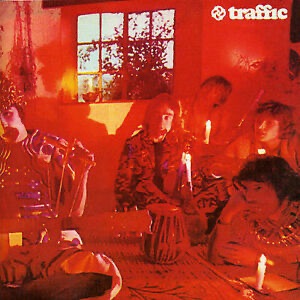
Mr. Fantasy (1967) Traffic. “Paper Sun”, “Hole in My Shoe”, “Dear Mr. Fantasy” and “Smiling Phases” are great songs. Trippy and experimental, but so much more. Traffic would keep experimenting, but it would in more traditional genres.
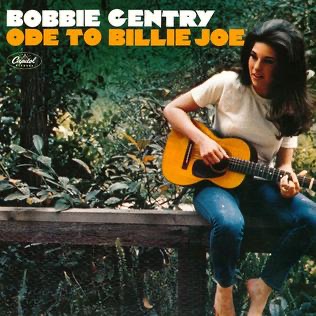
Ode to Billie Joe (1967) Bobbie Gentry. These songs weren’t folk, pop or country, but they incorporate bits and pieces into a haunting brew. Gentry brought something very different and special to her song craft.

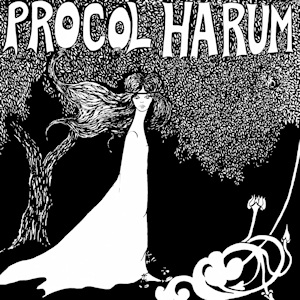
Procol Harum (1967) Procol Harum. The U.S. version included both “Conquistador” and “A Whiter Shade of Pale.” The rest of the album is pretty good too.
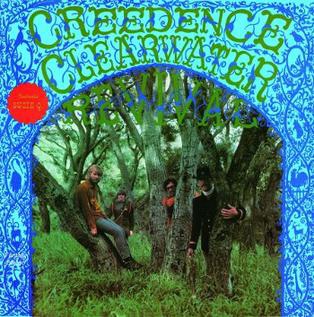
Creedence Clearwater Revival (1968) Creedence Clearwater Revival. CCR would be famous for their riff-driven rockers; here, the star are two R&B classics. “Susie-Q” and “I Put a Spell on You” terrific versions.
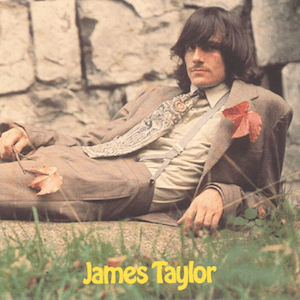
James Taylor (1968) James Taylor. His debut album was for the Beatles’ Apple Records. Although it was spiced up with musical interludes, the James Taylor style was set. “Carolina in My Mind,” “Something in the Way She Moves” and “Rainy Day Man” are keepers.
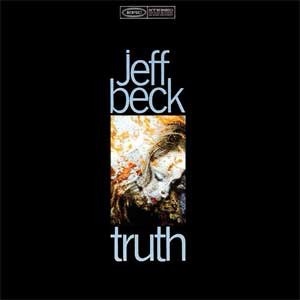
Truth (1968) Jeff Beck. After leaving the Yardbirds, Beck hooked up with Rod Stewart and Ron Wood, who would back him on this blues-rock project. “Beck’s Bolero,”and “I Ain’t Superstitious” and “The Shape of Things” are blistering. Beck proved he was a phenomenal arranger/interpreter of many genres.
Three Dog Night (1968) Three Dog Night. “One” and “Try a Little Tenderness” are songs remembered from this album. Relying on covering songs by other artists, the band (not just the lead singers) excelled at reimagining the songs, giving them a powerful and soulful edge.
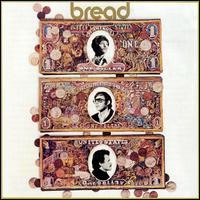
Bread (1969) Bread. “It Doesn’t Matter to Me” and “Friends and Lovers” are the most familiar songs, but the style is what is even more important. Soft rock and dreamy California sunsets. The band was David Gates, James Griffin and Robb Royer.
Santana )1969) Santana. Latin-rock is an easy, but limiting description of this new sound. Half of the album is instrumental, soaring and percussion heavy, with Greg Rolie’s organ and Carlos Santana’s tasty guitar. “Evil Ways” and “Soul Sacrifice” are Santana classics.
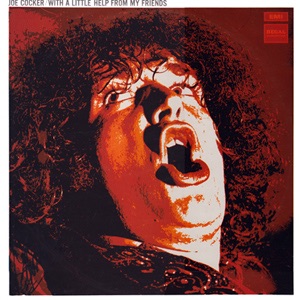
With a Little Help from My Friends (1969) Joe Cocker. The title track and “Feeling Alright” were the big hits, but the album oozes with Cocker’s soulful interpretations. Cocker was at the top of his game.


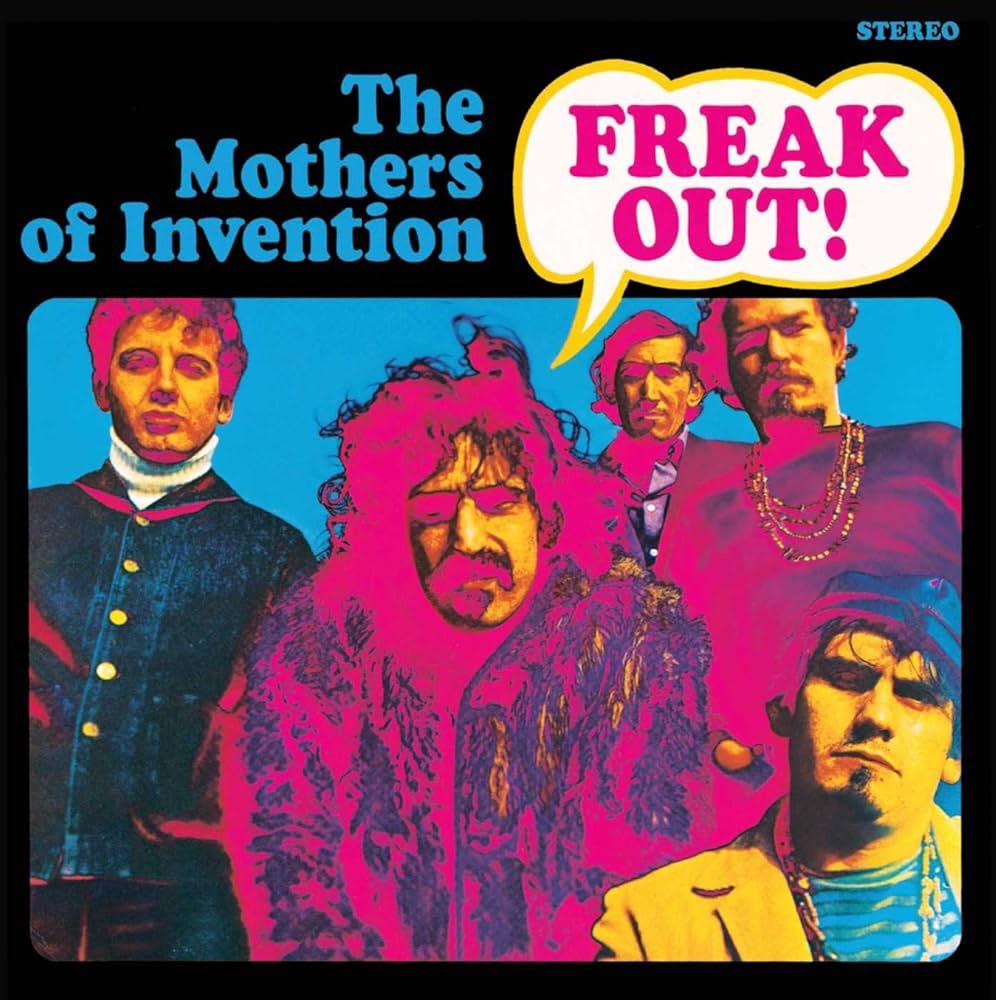
Freak Out! (1966) Frank Zappa & the Mothers of Invention. Do I understand this album? Nope. It’s a concept album (I’m told). Universally lauded, I hope to grow into this album. It’s taking me awhile, but I’m enjoying it.
My Generation (1965) The Who. Attitude and edge. Pre-punk aggressiveness. The title track conveys Pete Townshend’s balance between power chords and crafty melodies. “The Kids Are Alright” and “A Legal Matter” are taut and lyrically mature.
A Girl Called Dusty (1964) Dusty Springfield. “Wishin’ and Hopin’” is how I first came to know her. She had several singles not included on her first American release including, “I Only Want to Be With You.” She could do pop, soul, country, R&B, anything she wanted.
Presenting Dionne Warwick (1963 Dionne Warwick. The first slice of Warwick/Bacharach/David. “Wishin’ and Hopin’,” “Take it Easy on Yourself” and “Don’t Make Me Over” are classics, but these three were just getting started.


Thoughts..
This is certainly not a comprehensive list, just ones I believe need to be mentioned. Missing from the list are The Rolling Stones, The Kinks, The Beach Boys, Leonard Cohen, Yes, Genesis, Bob Dylan and many others. Why? These artists released albums filled with covers or original songs that were underdeveloped or just average.
You might counter that The Kink’s debut had “You Really Got Me” and “Stop Your Sobbing,” plus that wry and angry attitude. I would say there’s one classic song and one good song, the rest are average at best. These artists shifted gears and had great sophomore albums.
Phenomenal is a subjective word. I’m talking about the great albums that quickly made a statement and were influencers in the musical landscape. Again, it’s subjective.



 Ticket 2 Ride
Leave a comment