

From about 1975 to 1979, Barry, Maurice and Robin Gibb owned the radio waves. The Bee Gees had a few hits before and after that period, and produced hits for others, but the late 1970s belonged to them.
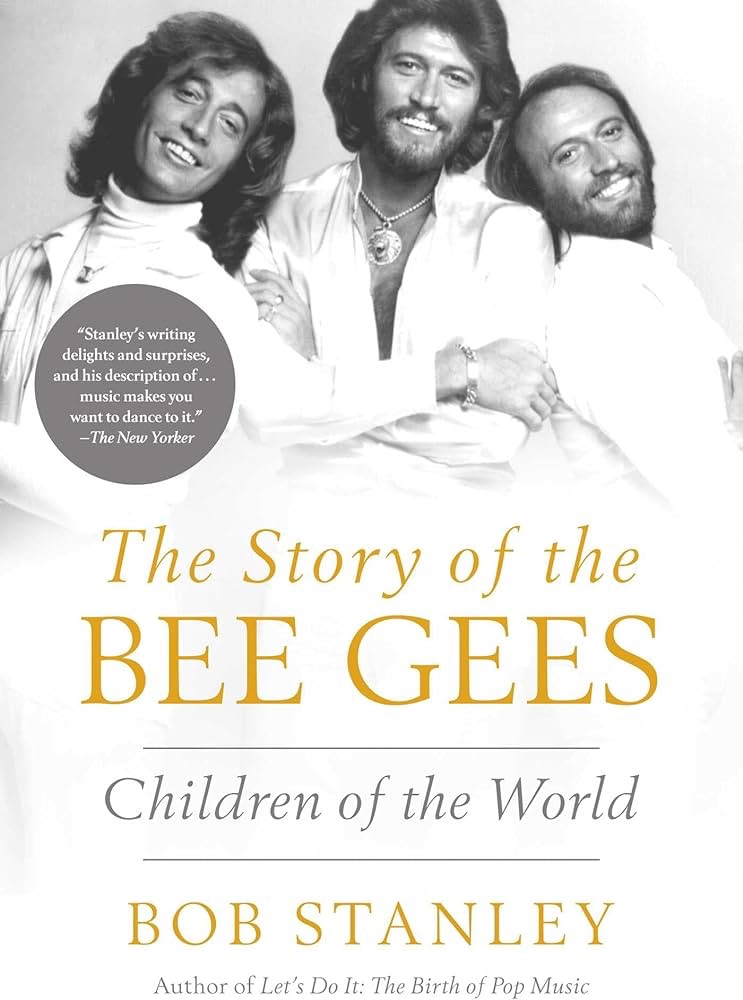
Bob Stanley’s book The Story of the Bee Gees: Children of the World (2024, Pegasus) goes deep into the childhood, career and personal lives of this band. I found it an informative read, heavy on the music, but light on the business end of the band. In particular, there isn’t much about Robert Stigwood, manager/music publisher/record label owner, who grew rich off the band. The Sgt. Pepper film debacle is only mentioned in passing, as is the brothers’ lawsuit against Stigwood.
Stanley includes this top ten list that shows the incredible success of the Gibb brothers. Not only did they have the top two hits, but wrote and produced “Emotion” for Samantha Sang and “It I Can’t Have You” for Yvonne Elliman. But wait, there’s more. “(Love is) Thicker Than Water” was co-written by Barry Gibb, and produced by the Gibb production team.
Billboard US top ten, 24 March 1978
- Bee Gees – ‘Night Fever’
- Bee Gees – ‘Stayin’ Alive’
- Samantha Sang – ‘Emotion’
- Eric Clapton – Lay Down Sally’
- Barry Manilow – ‘Can’t Smile Without You’
- Andy Gibb – ‘(Love Is) Thicker than Water‘
- Paul Davis – ‘I Go Crazy’
- Dan Hill – ‘Sometimes When We Touch’
- Yvonne Elliman – ‘If I Can’t Have You’
- Jay Ferguson – ‘Thunder Island’
The meat of The Bee Gees story is obviously the mid to late 1970s. The prior decade of relocating back to England, occasional hit singles, brotherly turmoil, failed records and concept albums shows the brothers Gibb’s tenacity and ability to rebound from defeats. I never realized The Bee Gees were huge users of the Mellotron. Do you remember Mr. Natural, Cucumber Castle, Horizontal or Odessa? All names of Bee Gee albums before Main Course.
Stanley writes that The Bee Gees anticipated that their 1970s success would recede and that the disco popularity would wane. That’s what happened, but the fall hurt more than imagined. As you might recall, the “disco sucks” backlash was strong and effective. When people warmed to hearing the old music, and embracing them again, The Bee Gees were visibly moved.
Of course, there were divorces, substance abuse issues, lawsuits, and the decline and death of Andy Gibb. That might be the saddest part of the book. His fast rise and fall has been told many times, but if there is one story of being devoured by show business and self-doubt, it’s Andy Gibb. Brother Barry got him a recording contract, supplied most of his music and with his team, produced his albums. Stanley describes Barry taking charge of Andy’s final album and even substituting his own voice when Andy didn’t show up at the studio.
The post-1970s had been rough, personally and professionally. Barry Gibb had the most success, working with Barbra Streisand, Dionne Warwick and Kenny Rogers. While Barry might have co-written some of the songs with either Maurice or Robin, he worked in the studio with his brothers. Individual albums or film projects under-performed or were shelved. Even Barry’s solo album was not a hit. As the brothers began working together again after several years apart, they managed to adapt to changing musical tastes.
Barry Gibb was the taskmaster, and is described by Stanley as taking leadership of the group early on. The dynamics within the brothers is talked about in the book, but it was more than age difference and work ethic. If you watch videos of The Bee Gees during the 1970s, and even later, it’s generally Barry on lead vocals, Barry giving interviews, Barry at center stage. That wasn’t the case early on, and even at the end.
The book concludes with Maurice’s death in 2003, with just a few pages devoted to Robin and Barry. Maurice’s role in The Bee Gees is understated, and it is here too. Lead singer, rarely, and not directly in the spotlight. Maurice was more of the composer than lyricist, a very good vocal harmonizer and wonderful musician. Bass, guitar and keyboards; he had a deft ear and amazing way of inventing fills and adding sweetness to melodies.
Stanley may not have answered all of the questions about The Bee Gees, but you won’t find a lot of salacious rock and roll stories here. There are other books for that. If you are interested in the music, this one’s for you.
4/5




 Ticket 2 Ride
Leave a comment