
I love reading about classic rock, and this book has many stories about the artists we’ve heard on the radio for more than five decades now. Classic rock is generally defined as rock music produced between the late 1960s and early 1980s, not primarily focused on Top 40, rather album-oriented tracks that played on FM radio stations. Taste changes and the decline of rock for other splinter genres shifted the focus away blues based rock and roll toward a younger, MTV-driven audience. Some definite classic rock extending the early 1990s, but I don’t agree, although selected artists continued their success beyond the early 1980s, but they did so outside of the systematic changes that happened in the recording industry and changing demographics.

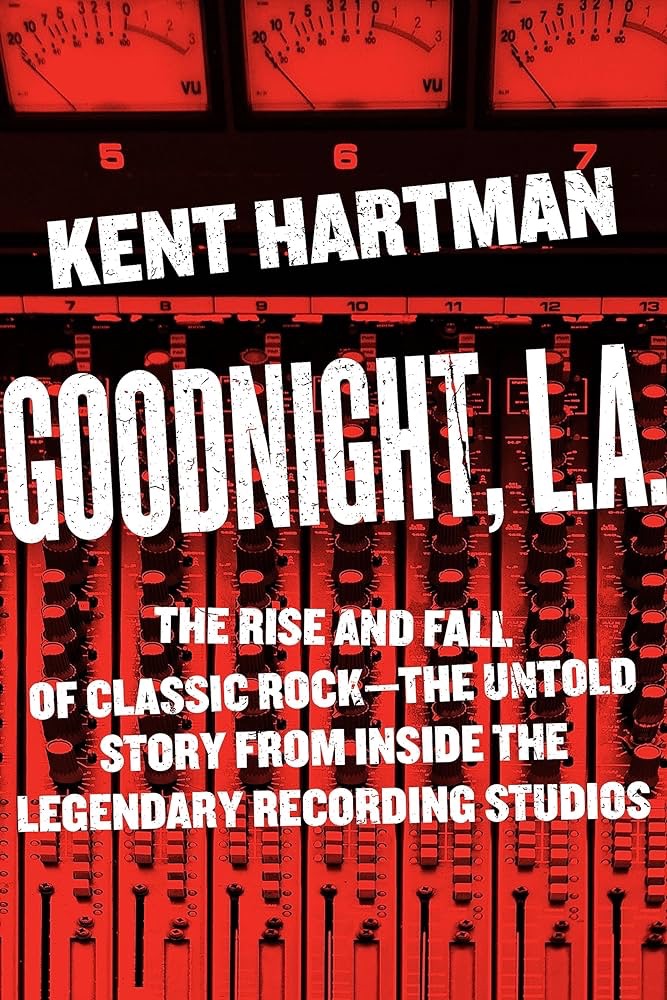
Author Kent Hartman threads these stories through the creative process, i.e., the recording studio. Goodnight L.A. was also the name of Keith Olsen’s recording studio.
Some of the stories, like the formation of the Eagles, Loggins & Messina, and the most famous Fleetwood Mac lineup, have been told many times through the years. Hartman supplements those tales with interviews from those who had a role with those bands.
I rather enjoyed reading their stories from angles that were new to me, and perspectives that hadn’t been milked to death. Hartman, who previously wrote about The Wrecking Crew, knows his way around the L.A. music scene. Goodnight L.A. (Da Capo Press, 2017), looks at an amazing time period in contemporary music.
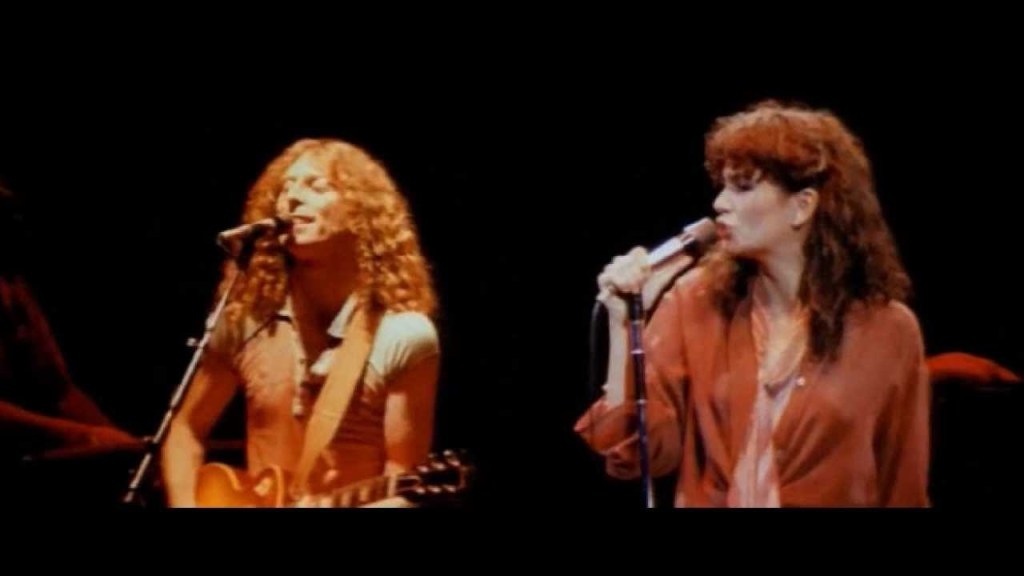
The stories include the emergence of singer-songwriter Warren Zevon, how Tom Scholz created the first Boston album, Linda Ronstadt turning into a multi-platinum artist, Tom Petty’s war against MCA, Carlos Santana’s rebound in the late 1970s, Foreigner’s surprising second album, Chicago stumbling after guitarist Terry Kath’s sudden death, REO’s big break, Pat Benatar shooting to stardom, Kim Carnes finding the song (“Bette Davis Eyes”) that finally gave her a hit, Rod Stewart being a problem child, and many more.
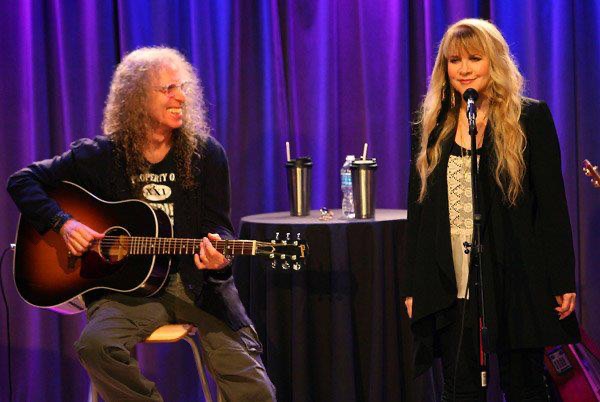
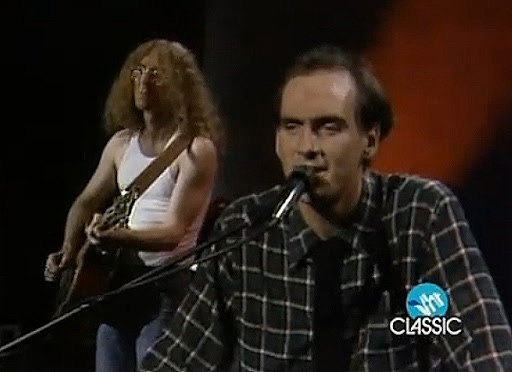
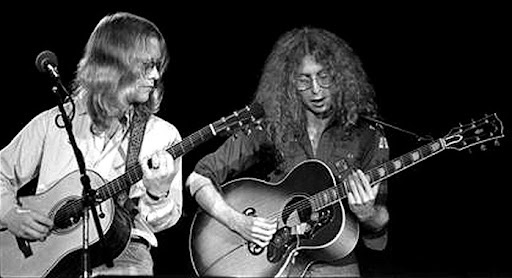
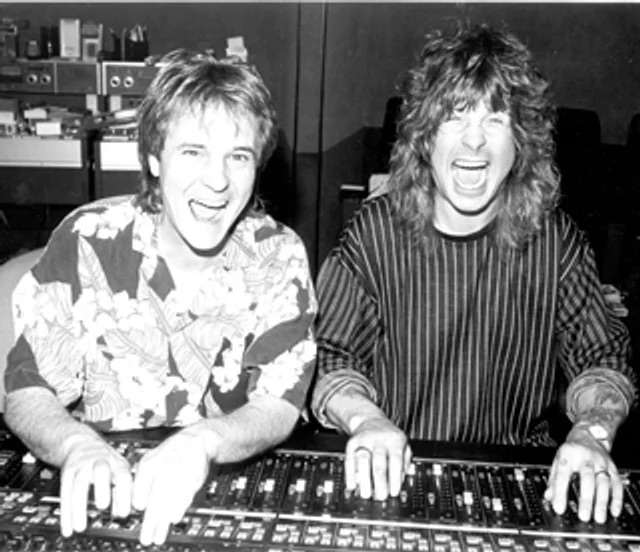
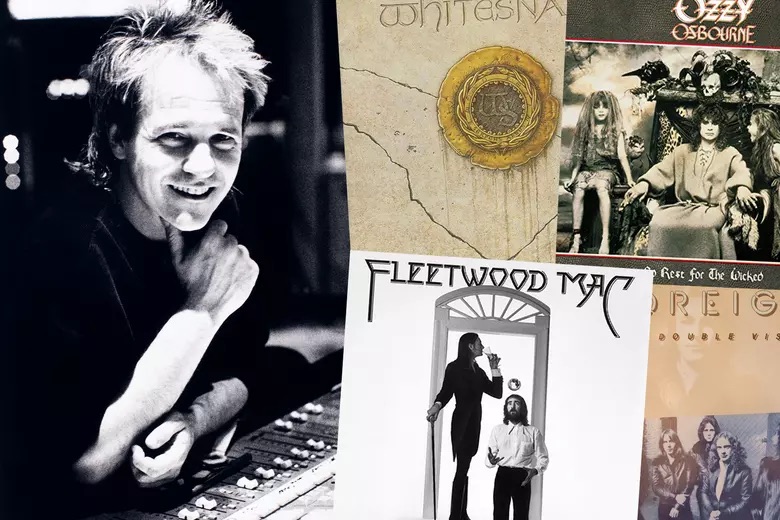
To no one’s surprise, the paths of many in the music biz intersect, and they do in this book, which is fundamental to the story. The key figures in Hartman’s book are producer Keith Olsen and guitarist/producer Waddy Wachtel. Each has a starring role in the classic rock story, joining the L.A. rock scene as classic rock was going strong, and still prospered after the good old days were over (Olsen died in 2020). The magic that happened in the old recording studios is different today with digital, computers, autotune, unlimited number of tracks, and A.I. Musicians can record in their bedrooms or basements, and never set foot in an actual recording studio. Although vinyl has made a remarkable comeback, the record industry is another universe.
While the stories are fun, Hartman’s book really needed a stronger editor to smooth out his overuse of accolades and cliches. After a while, it became annoying. That aside, this book creates the world that produced an incredible genre of recorded music. The book ends abruptly, like Route 66 suddenly ending under your feet. My criticism aside, if you enjoy classic rock, this is a journey you should take.
3.5/5



 Ticket 2 Ride
Leave a comment