

The 1950s, what a decade! My recollections of that time are few (I was a baby), yet I know enough about the times to be glad that my presence there was a brief one. Now, I applaud others who have great memories and consider these the good ole days, when life was great.
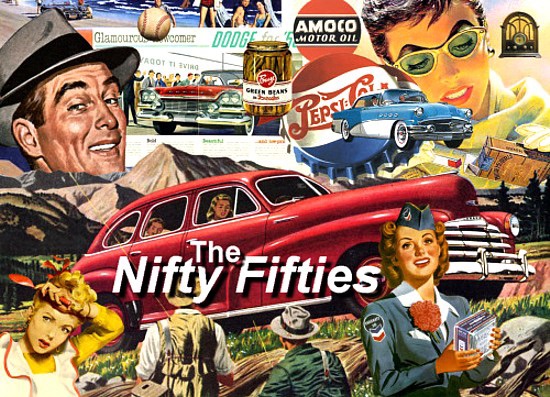
Pulitzer Prize winning author David Halberstam wrote a massive book, The Fifties, where he examined cultural and political trends, and many things that made the decade unique. He said on C-SPAN’s Booknotes in 1993, that to understand the 1960s, you need to first understand the 1950s. The 1960s were in many ways inevitable, and a response to the rapid changes that occurred in post-War America.
https://www.c-span.org/video/?46582-1/the-fifties
But was it great? The 1950s are an idolized, idealized time. We all have different ideas about what is great, and our minds do filter what we perceive. Let’s take a closer look at the world that existed when I was born.
The decade following the Second World War was a busy one. A returning G.I. got help going to school and financing a home, and the boom in post-war housing, created fuel for the American Dream of home-ownership. The economy was pretty solid as the U.S. transitioned from a war economy to a consumer-driven one. The Second World War, then the Korean “police action”, and the arms race kept military spending rising, which gave President Eisenhower pause as he was leaving office to warn us about the military industrial complex. In America, we want both guns and butter.
Following the WWII, the U.S. led funding to rebuild what had been destroyed overseas, stabilize emerging democracies and keep communism at bay through foreign aid and American military presence. With a few exceptions, the War had been kept from U.S. soil, but certainly war was felt on the home-front through personal and national sacrifice. Americans were ready for peace and prosperity. If you were white, Christian and not born into crippling poverty, the 1950s certainly did resemble the American Dream.
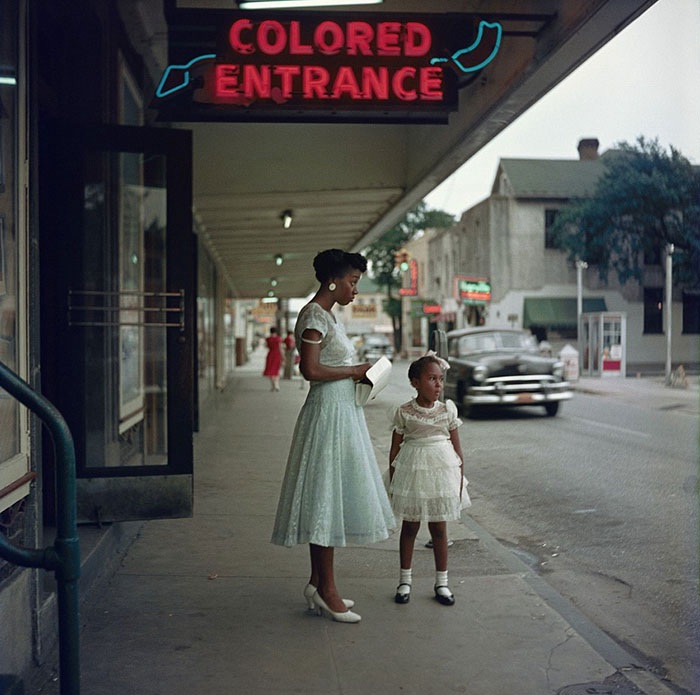
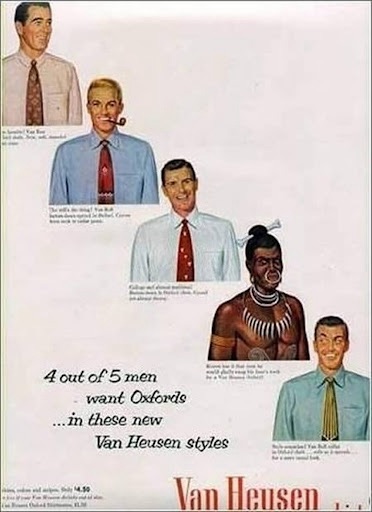

When examining television, film and popular magazines, the 1950s looked pretty homogeneous. America was the land of opportunity, but if you were Black, Asian, Native American or Latino, your path had many more obstacles to the Dream. Employment, education, housing and credit had legal restrictions and unwritten prohibitions. Jim Crow was alive and well. Same if you were Jewish. Antisemitism didn’t follow immigrants from Europe, it was already here.

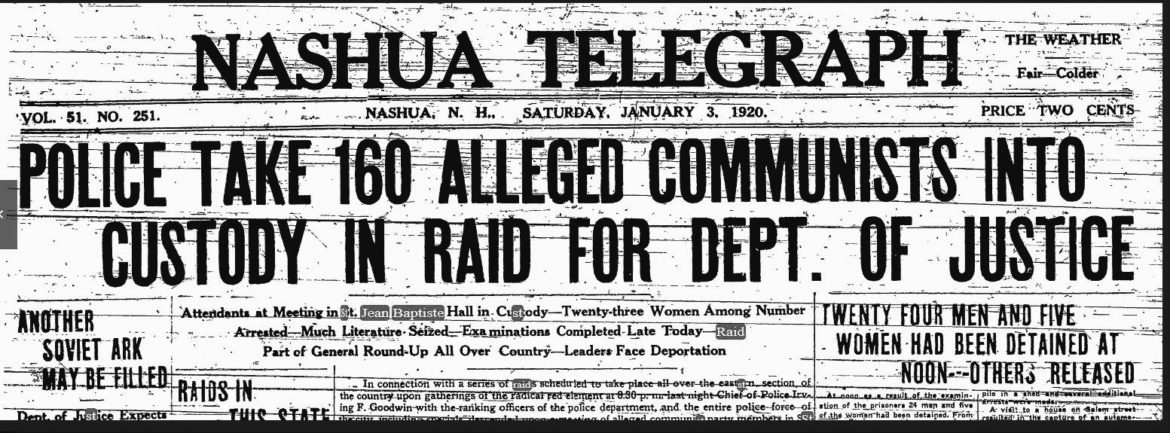
The 1950s are also known for McCarthyism and the hunt for suspected communists in government, Hollywood and working at the local A&P. It was everyone’s responsibility to be watchful and report on anything hinky.
Women in the 1950s could vote, attend college and hold jobs, but many doors were closed to them. Women needed a husband’s okay to open a bank account, inherit money on their own or get a credit card. Instead of maternity leave, a woman could be fired; there was no protection against sexual harassment in the workplace, or even protection from abuse at home. If a husband wanted sex, he took it, and if the wife needed to be knocked around a bit, cops weren’t likely to arrest the husband.

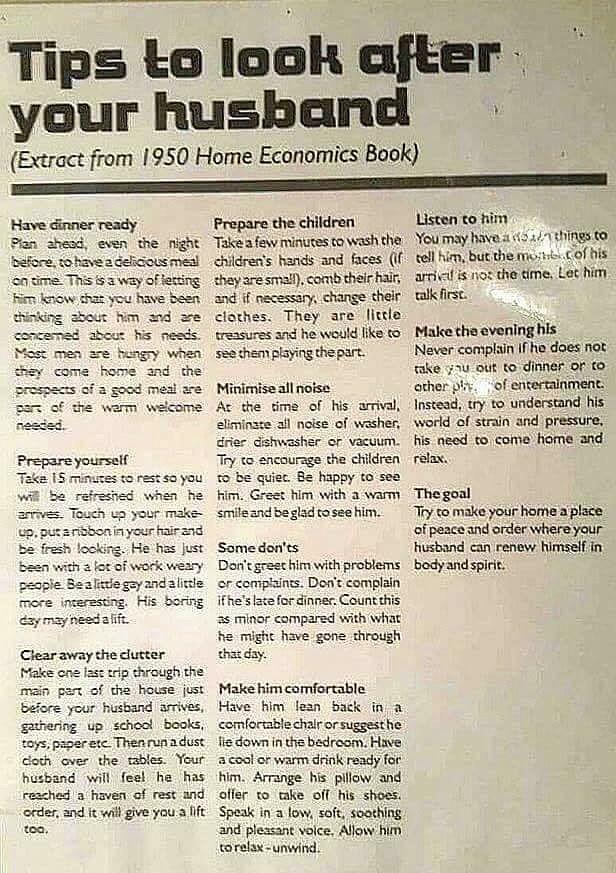
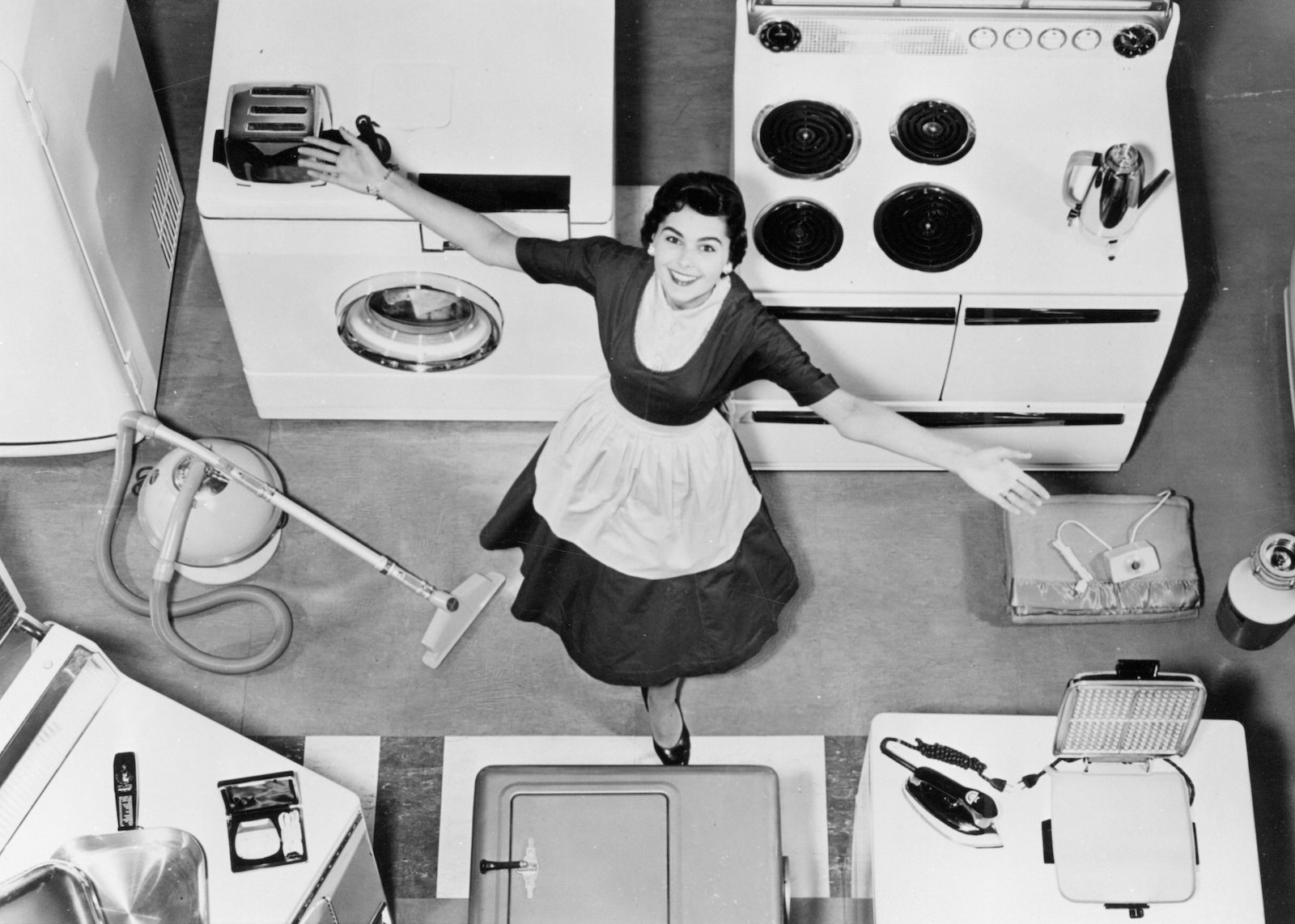
When I look back on the 1950s, I think of cars with fins, women who wore pearls to vacuum, leather jackets and slicked-back hair, Milton Berle and Joe McCarthy. The 1950s was a strange decade – one of black & white TV, black & white drinking fountains, the red scare & residential redlining, the arms race & separation of the races, the baby boom & the sonic boom, Sputnik & beatniks, the Korean War & Dinah Shore.

The 1950s was a time of glamour, because the world was no longer in just black & white – welcome to living color. The decade was also about consumer products, designed for a comfortable lifestyle, courtesy of the Madison Avenue Mad Men – look your best, feel your best, enjoy the best. Remember, keep up with the Joneses as you flee the urban core for suburban life. Move into that new neighborhood where everyone looks like you.
The country’s industrial base was strong, this was before jobs were outsourced to China or Mexico because of cheaper labor and fewer regulations. Made in the U.S.A. was considered an endorsement of quality. Made in Japan was considered cheap and low quality. Detroit was pushing out new cars with distinctive designs and features. New cars were considered affordable, especially since families only needed one vehicle them. Federal spending built the interstate highway system to connect cities across the county. You could See the USA in your Chevrolet, and get your kicks on Route 66.
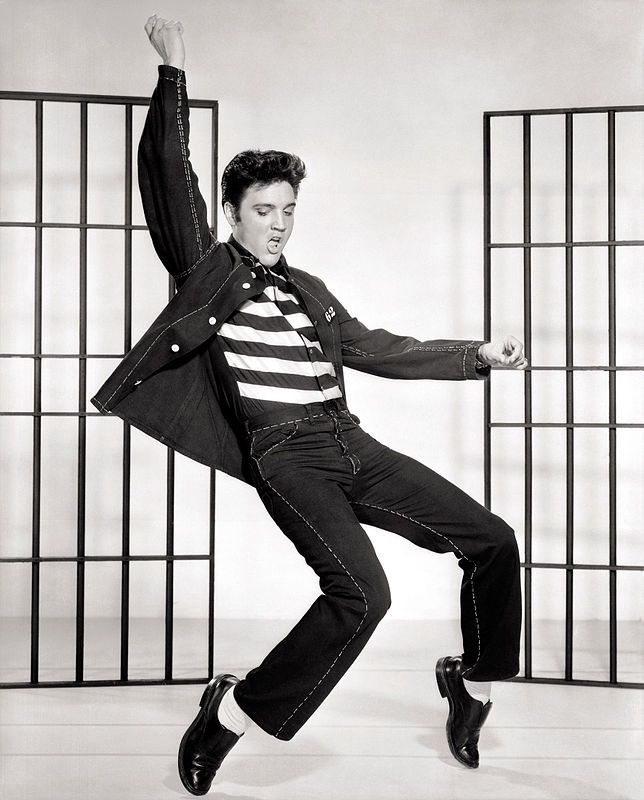
Disneyland opened, Barbie made her debut, Elizabeth became Queen, Grace wed her prince and Marilyn her Yankee Clipper, Alaska and Hawaii became states, the Dodgers moved across the country, Valium was invented and trials of the birth control pill began, Desi loved Lucy, Charlie Brown and his Lucy first appeared, the term “rock and roll” was coined, Elvis learned his hips could gyrate without snapping off or creating a nation of juvenile delinquents. But teens suddenly became important, as new consumers, and as voices in American culture.
Consumerism became the other big “ism” of the decade. We could buy our way to the American Dream. By the way, what did things cost then?

A year at Harvard was $1,000. Wouldn’t that be nice now!
A dollar in 1957 would be worth $11.17 today.
Inflation was 3.3% over 1956, which was by far the highest in the decade, except for 1951.
In 1955 (I could not find figures for 1957), the median annual family income for Whites was $4613, and for Blacks was $2544.
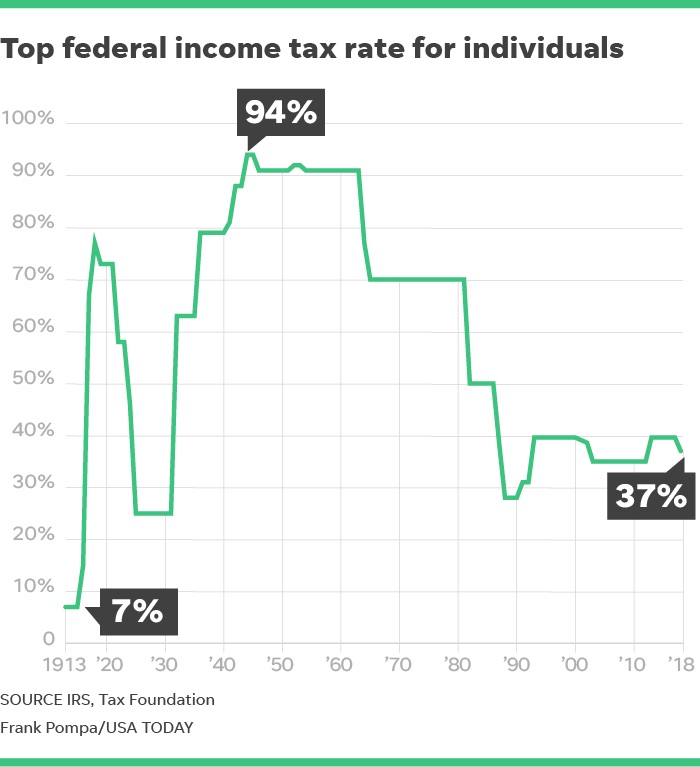
Taxes were a bit higher then. According to the Economic Policy Institute: The top statutory corporate tax rate has been falling since the early 1950s. The top corporate tax rate was 52 percent throughout the Eisenhower administration—17 percentage points higher than the current top rate of 35 percent. U.S. GDP grew by almost 4 percent annually in the 1950s compared with a 1.8 percent growth rate in the 2000s.
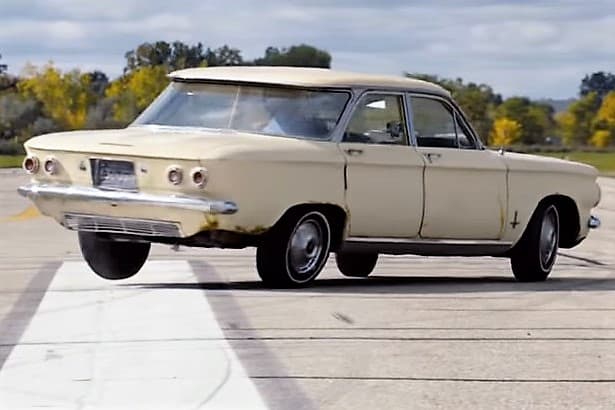
Overall, the 1950s sound pretty swell! Well, aside from segregation, accusing each other of being communists, interracial marriage being illegal, homosexuality being grounds for losing your career, antisemitism restricting employment and housing, contracting polio, the threat of thermonuclear war with the Soviet Union, and the Corvair – life was good (except for those I mentioned earlier).
There were scientific and technological advancements, that advanced healthcare, travel, communication, industry and paved the way for the space program, satellite communication, computer technology, disease prevention and an array of consumer products.
With all of the advances and discoveries, was life better? Yes and no. That’s a personal question based on experience, not a nostalgic one. I arrived in the 1950s, but I grew up later, and with hindsight and understanding, I’ve determined that the 1950s was an important time in our history, certainly with its flaws – a work in progress for America.
Halberstam was correct, the 1950s certainly did set the stage for the 1960s.



 Ticket 2 Ride
Leave a comment