

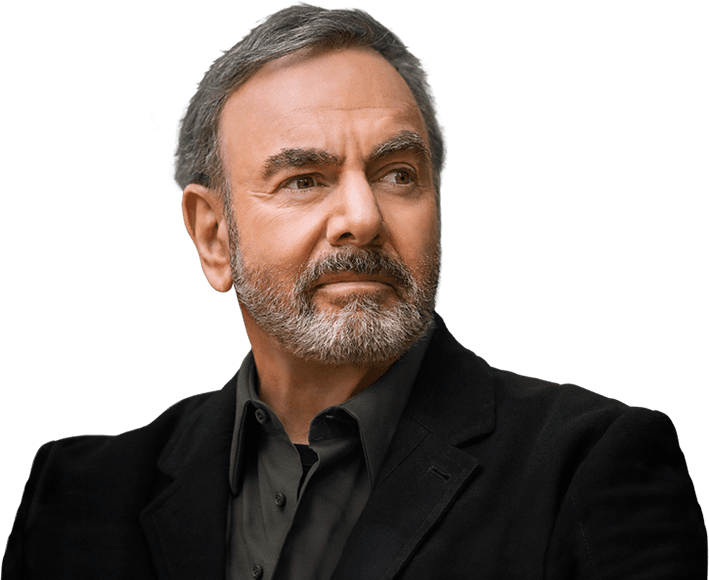
What do I think of when I hear the name, Neil Diamond? Sparkly clothing, big hair, soulful voice and a huge musical production. I’m not a huge fan, but what a mega pop star in the 1970s! You have to respect his legacy, and 130 million albums sold. I think of Diamond as the 1970s version of Elvis in his prime.
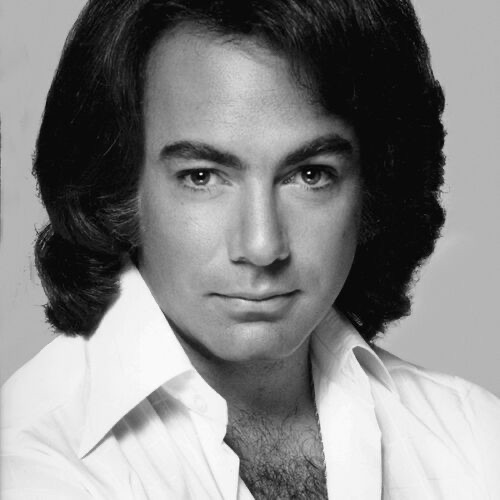
AM radio loved Neil Diamond; he had hits all over the Billboard top 40 and adult contemporary charts. He made his name first as a songwriter supplying tunes for others, before scoring any success as a solo artist with his own material. Remembering “I’m a Believer” by The Monkees? He wrote that hit.
Diamond stopped touring in 2018 after a Parkinson’s diagnosis. He continued to release newly recorded music, but as a man in his 80s, he now focuses on other things. What a career. One doesn’t have to be a super fan to appreciate his accomplishments and the joy that he brought to so many.
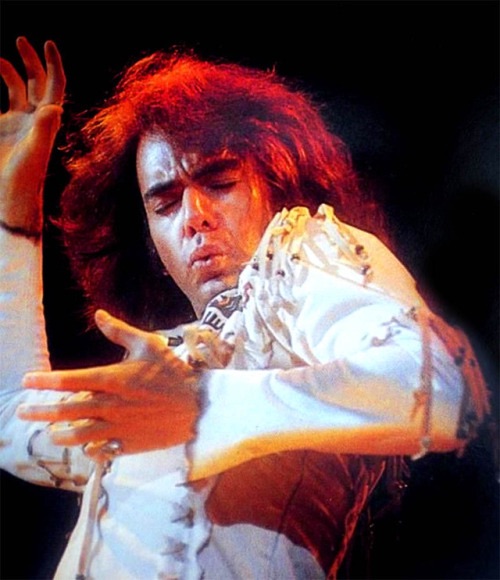
Diamond’s first solo hit was “Cherry, Cherry” (1966) #6 on the Hot 100 chart, and his last top ten single “Heartlight” (1982) #5; that’s not the main indicator of his popularity, but it does point out his staying power, bridging constantly changing audience tastes.
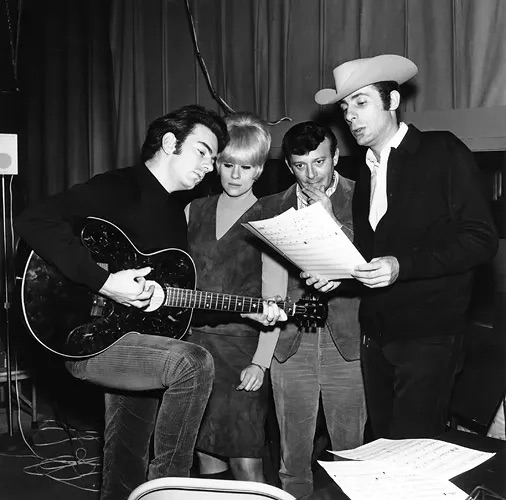
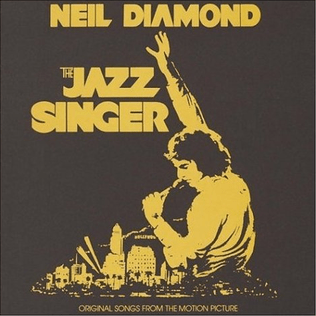
In the 1970s, at the height of his star power, Diamond was mentioned for film roles, including opposite Barbra Streisand in A Star is Born, which ultimately co-starred Kris Kristofferson. In 1980, Diamond did star opposite Laurence Olivier in the remake of The Jazz Singer, which didn’t lead to any more films, and which was easily surpassed by the fine soundtrack album.
In the 1980s, Diamond’s career moved more into the adult contemporary genre, perhaps as his audience aged and pop music tastes changed. He certainly maintained a strong touring schedule with sold-out shows around the world. His new recordings sold respectably, live albums like Hot August Night II (1987) and Hot August Night/NYC: Live from Madison Square Garden, and seasonal offerings like The Christmas Album (1992) achieved platinum status.
Diamond found other ways to connect with his audience. He released an album of movie songs, a country album, older Diamond-penned tunes with an orchestra, and an album of stripped-down arrangements among his releases, in addition to various greatest hit collections.
Again, like Elvis, we tend to think of Neil Diamond as stuck in a time capsule, performing the same type of songs over and over, but in truth, he’s been one of the more adaptive recording artists. Look back at his early 1970s albums, Gold: Recorded Live at the Troubadour (1970) was Diamond’s first live album, which showcased what would be the end of his rock period. Yeah, his early albums rocked. Tap Root Manuscript also from 1970, featured The African Trilogy (A Folk Ballet), a suite of songs featuring African rhythms infused in his contemporary-pop songs. Yes, really. Diamond is usually associated this thick, soaring orchestral arrangements, which puts him more in the AOR genre, except Diamond used top arrangers to do more challenging things not found on other music in the AOR category. “Theatrical pop” as some have described Diamond’s sound, especially his concert performances. Jonathan Livingston Seagull
(1973) was a successful soundtrack to the film of the same name, not exactly a move an artist would make who was ascending to superstardom. A film about a bird? Beautiful Noise saw Diamond shift gears with the help of Robbie Robertson with an eclectic mix of light rock, jazz, gospel, Caribbean, and ballads.
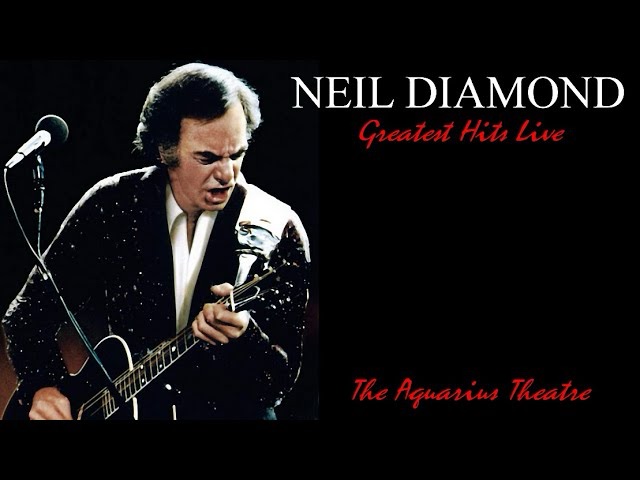
Diamond wrote songs with funny titles like “Soolaimon”, “Brother Love’s Travelling Salvation Show”, “And the Grass Won’t Pay No Mind”, “Crunchy Granola Suite”, “Reggae Strut”, and “The Dancing Bumble Bee / Bumble Boogie”.
Diamond used Tom Catalano as his producer for many of his early albums but wasn’t afraid to go with other producers as his career moved into his middle and later phases. Robbie Robertson gave Diamond a rootsy feel, more organic like his early Bang! recordings. Bob Gaudio (The Four Seasons) stepped in for several late 1970s albums including The Jazz Singer Soundtrack. By the late 1980s, Diamond worked with much high-profile producers as Richard Perry, David Foster, Peter Asher, Burt Bacharach, Val Garay, Don Was and Rick Rubin. Diamond was always refining his style.
Another element of Diamond’s success came from the arrangers who wrote and conducted the orchestral backing and musical arrangements that were synonymous with Diamond’s deep, rich voice. In the beginning, Charles Calello, Arthur Butler, Jimmie Haskell, Nick DeCaro, Alan Lindgren, Tom Hensley, Bob Gaudio and Lee Holdridge lent their talents to shaping Diamond’s music.
The knock against Diamond is the schmaltzy and bombastic arrangements, which is the very thing his fans love. Overblown and pretentious at times, too grandiose and ambitious, collapsing under its own weight – descriptions I’ve read. You can’t hit the bullseye every time, but you have to respect his efforts and track record.
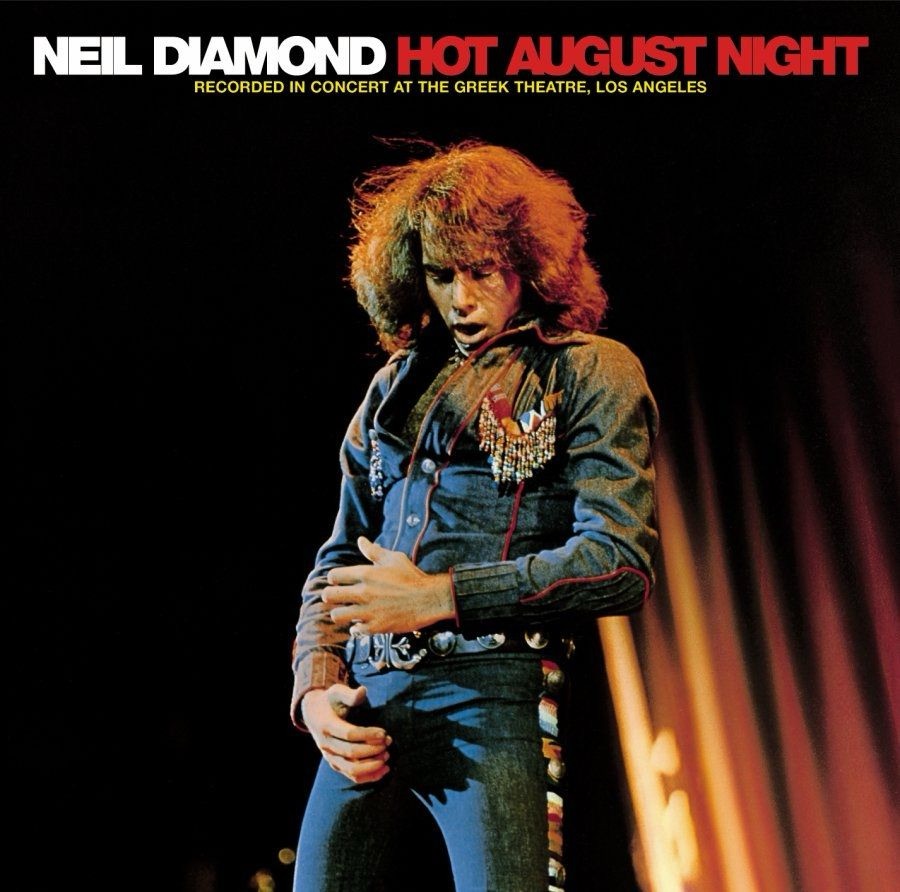
Later on, David Foster, Maurice White, Greg Phillinganes, Alan Lindgren and Burt Bacharach were among the arrangers who worked on Diamond songs. Many would agree that Neil Diamond was best when he had a lush sound behind him, which made him a 1970s concert superstar. Trying to replicate the live magic on record is a challenge, but Diamond scored huge sales with his live recordings, especially Hot August Night (1972) which reached number five on the Billboard Hot 200 album chart and has sold over two million copies in the U.S. alone.
Here are a couple of my favorites.




 Ticket 2 Ride
Leave a comment