


An actor’s actor, Laurence Luckinbill has written his memoirs, Affective Memories: How Chance and the Theater Saved My Life (Sunbury Press, 2024).
Now 89 years old, Luckinbill has a lot to say, and most of it is about acting. Luckinbill is one of the greatest stage actors of his generation. Many actors are better known and possess more theatrical awards, but few have the history and devotion to the theater than Luckinbill.
But sometimes we need an authority figure to get our attention. “Don’t laugh at the words of poets. Words are very important. Poets are important. This is your language. If you don’t know how to communicate, you don’t amount to much.” The nun had slapped Luckinbill so hard it knocked him to the floor.
Although primarily told through his acting, Luckinbill describes his early life and marriages, including his 44 year marriage to actress Lucie Arnez.

Affective memory is a technique used in acting that involves drawing on an actor’s own past experiences to create a more authentic portrayal of a character’s emotions.
Although Luckinbill appeared in a few films and television series, he’s a theater guy, and a very successful one. I noticed him in the early 1970s, starring in The Delphi Bureau, a short-lived television show, one of Mary Tyler Moore’s boyfriends on her show, and Star Trek V as Spook’s brother. He first garnered broader notice as one of The Boys in the Band (1970), the first major film about gay men.
An actor with good looks and a substantial acting resume, why wasn’t Luckinbill in more TV and films? He was in his share of television and film projects, but as he describes in his book, going Hollywood was more of a choice. He did want to “climb the ladder,” but at what cost?
But, as I gained prominence as a professional, I lost something my amateur virginity. I considered the money with each new job and discussed the salary with my agent. This was the Name Game. I believed it was necessary, and I hated it, but I also hated when my agent couldn’t get better billing for me. It reminded me of how high I had yet to climb.
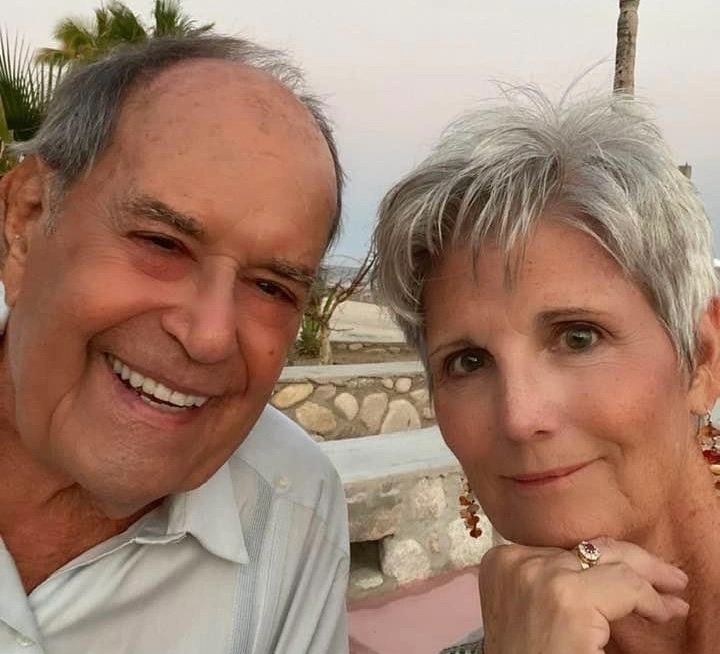
The issue of “stardom” is a big part of the book, because it consumed his life. The push-pull of success in his profession underscored Luckinbill’s drive and his raging insecurities. Sex, booze, top billing…it never seemed to fill his cup.
After my TV series was canceled, I had stayed in Hollywood for another two years, trying to become a respected part of the film community. But I couldn’t make peace with the fact that work in television-with all the poor writing, the hack stuffwas just what one did to pay for the house, the car, the pool, the personal trainer and the public relations maven who kept your name in the mythical eye of the A-list gatekeepers.
One failed marriage and two sons he shared custody, then his marriage to Arnez and three more kids, they weren’t happy bringing up their children in L.A., and headed back to rural New York, where Luckinbill hoped to lead a “normal” life.
Then he (film director Sidney Lumet) said, “I’ve seen you a lot on television in those airline commercials, and I think you might be overexposed to the public. You are a very effective spokesman and an excellent actor, but the part (a prominent role in Dog Day Afternoon) I’m looking to cast has to be someone the public must be surprised by—it’s fundamental to the story. So, Im sorry, but I have to say I can’t cast you.”
Luckinbill is quite forthcoming about his marital challenges, infidelities, and alcohol issues that underscored his lifelong journey to understand himself and for successful personal relationships. He freely discusses his foibles and those relationships he could not fix. His lifelong struggle to have a relationship with his alcoholic father, the acrimonious split with ex-wife Robin Strasser, and the distance with mother-in-law Lucille Ball, that could never be closed.
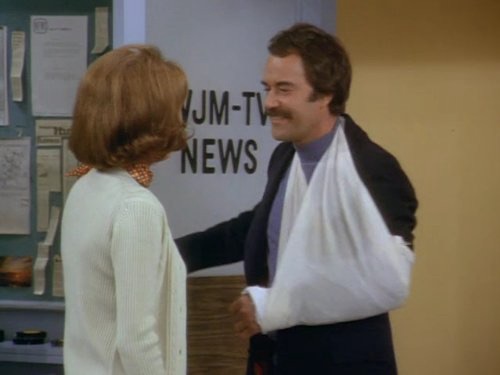
Luckinbill was a workhorse of the New York stage, but his stage was everywhere. I wasn’t aware of his four, one-man plays, which were extraordinary. Lyndon Johnson, Ernest Hemingway, Clarence Darrow and Teddy Roosevelt were subjects of these plays, most of them created or adapted by Luckinbill.

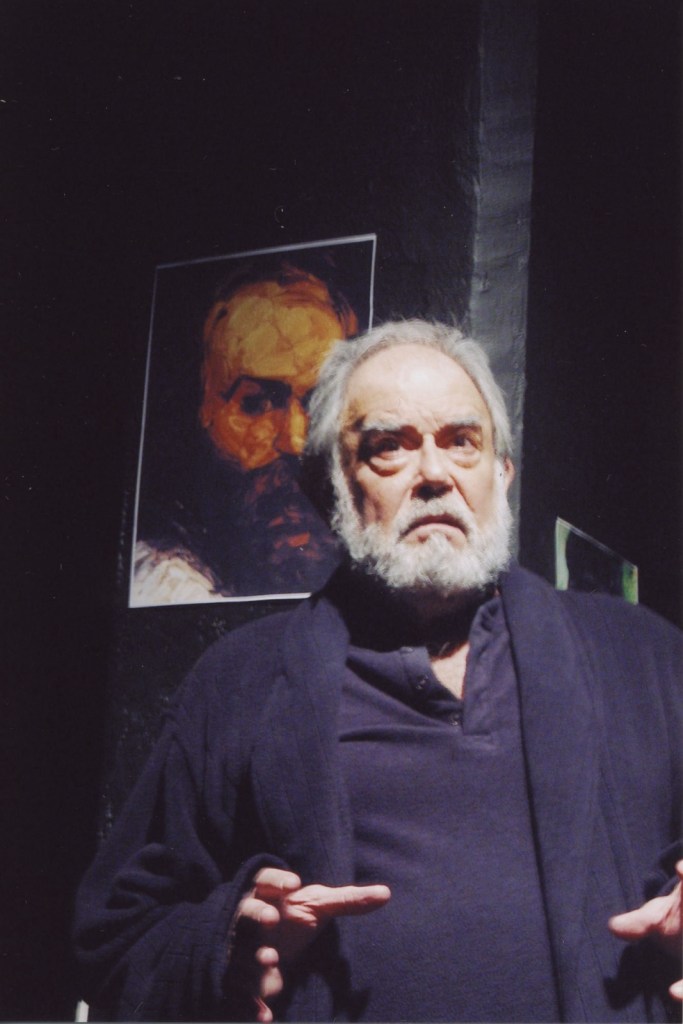


Early in his career, the battle over his career rose its ugly head…
I got a call from Robert Brustein, the esteemed liberal critic and founder of a theater company at Harvard called the American Repertory Theater. He offered me a place in his company in Boston for a season and a juicy, serious lead part, in Danton’s Death by Georg Büchner, a German tale of the excesses of the French Revolution. I thought about it, waffled, and turned him down. I think the coincidental timing involved a contract for a guest-starring role in an episode of the cop show, The Rookies. Brustein flew off the handle, crawled through the telephone line, and tried to strangle me. He called me a traitor to the theater, a weakling stuck on money and bullshit, a coward who was afraid to test myself as an actor in his company.
In the end, what mattered was not the awards, money or applause – it was satisfying the critic inside.
The theater had saved me, given me the chance my mother hoped for me— the chance to reach for something higher, something finer in myself.
I was surprised at how much I enjoyed this book. Luckinbill is brutally honest in his life story. Definitely worth the read.



 Ticket 2 Ride
Leave a comment