

The passing of Marianne Faithfull this week marked the passing of another 1960s icon. Faithfull was one of the beautiful people in swinging London, dating Mick Jagger, being a singing star, fashion influencer and actress. Her life in the fast lane came to a crashing end. Her decline in the 1970s found her addicted to heroin, sick, homeless and without the custody of her young son.
“I was in agony and I healed myself as best I could,” Faithfull said in a BBC interview in 2002. “One of the ways was with drugs, because they are painkillers.
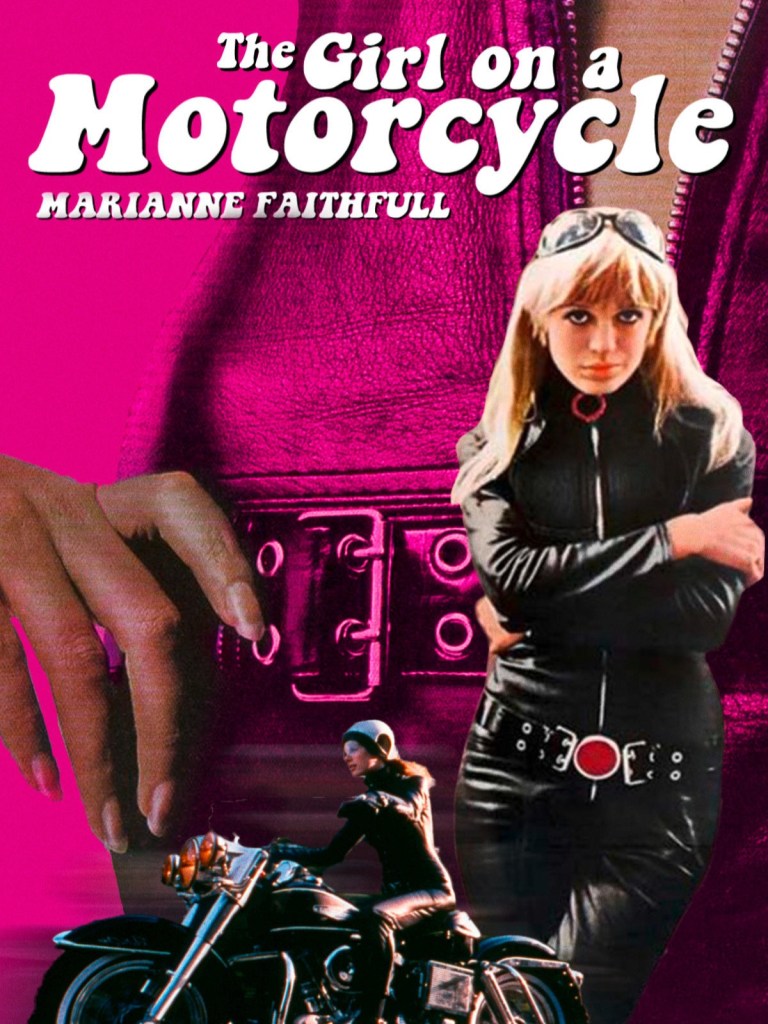
Instead of winding up in the London Times obituaries, Faithfull did something remarkable, she survived and rebuilt her life. Broken English saw her return to the music charts, a remarkable feat, considering that she had virtually no career during the 1970s, and battled her addictions. Broken English was raw, edgy and a real downer – but it was embraced and put her back in the limelight. By 1979, punk rock had raged and stuck a dagger in the world of rock music. Faithfull fit right in.
I found Broken English rather jarring and not much fun. I wish that I still had that album because I could far better appreciate it now. Faithfull would go on to release quite a few album in the next 35 years, embracing a variety of genres and musical influences. One of her later albums, Negative Capability (2018), found her in good form, although her voice remained rough and throaty, her years of drinking and a lifelong smoker ravaging her voice years ago.
For Negative Capability, Faithfull teamed up with Warren Ellis from Nick Cave and the Bad Seeds, as a co-writer, co-producer and player; songwriter Ed Harcourt; songwriter Mark Lanegran; co-producer Rob Ellis, songwriter/guitarist Rob McVey, and songwriter Nick Cave. Faithfull chose to cover several times including “It’s All Over, Baby Blue”, her own collaboration with Jagger and Keith Richards, “As Tears Go By”, and “Witches Song” from Broken English.
Something you notice right away is the poignant arrangements in these songs, giving Faithfull room to emote, and weave her husky voice and experience around each word and note. I was truly impressed.
Faithfull co-writes the seven originals for the album and with the thoughtful production, these songs showcase her voice and style in a very satisfying way. It is often said that singers whose voices deepen with age and hard living, find a way to inject a layer of experience and weariness that give the vocals a rich, smoky, haunting texture. I’ll go along with that, to a point.
Marianne Faithfull was part of that 1960s culture that gave us music, fashion, film, attitude and style icons like Jean Shrimpton, Twiggy, Patti Harrison, Jane Asher, Lulu and others who captivated, influenced, and made those a groovy time.
Jim Morrison said, nobody gets out of here alive, and he was right. Marianne Faithfull was a fascinating person: beautiful, a charmed life, the world at her feet, on photo everywhere. Sometimes for a not-so-great reason, but we remember, and look back at her life and say, wow!




 Ticket 2 Ride
Leave a comment