
From the Devil himself, as many would say. Bill Gates is a complicated man and divisive public figure. It’s easy to look at him as either genius, philanthropist, influencer, brutal businessman, narcissist, despicable person – but he’s a product of all of those. Putting him in one category and ignoring the rest is simplistic and wrong.
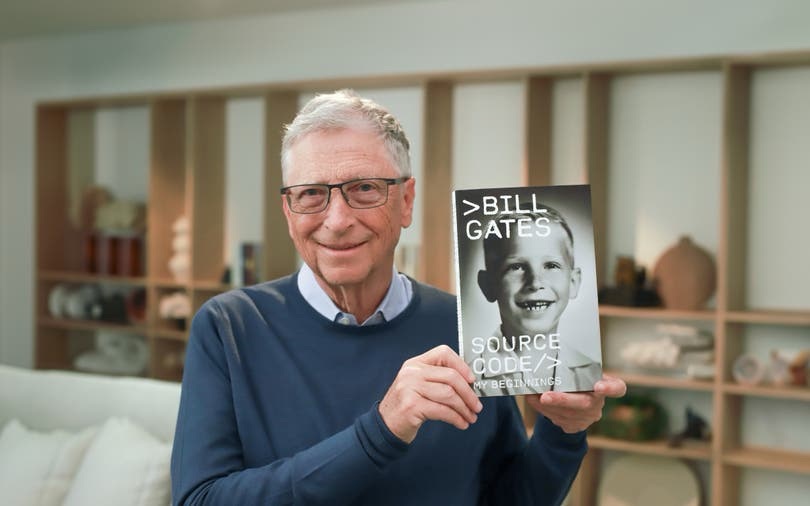
Source Code is Gates telling his own story, and it’s a long one. Volume one only gets us into the early years of Microsoft. I’m am not a fan of multi book autobiographies. One book should cover anyone’s life.
Source Code is about young Bill Gates, or Trey as he’s known by his family. Source Code should have the subtitle: The Search for Bill Gates.
Gates was a typical kid growing up in a white, middle class family in the 1960s and early 1970s. He had many opportunities to learn, grow and explore his interests. His parents were educated and both busy with careers, but emotional and material support were always there. Young Gates had a thirst for learning, but not for school; he was often bored and lacked challenge. He was quite adventurous, and though somewhat shy and socially awkward, yet he had great self-confidence and intense self-motivation. He was also rebellious, questioning authority, even what his parents made the decisions.
“Why should I have to do things that didn’t matter to me? Gates writes. “Never mind that my mom and dad provided everything I had or ever needed, from the material to the emotional; I just didn’t get why they were in charge. Their power seemed arbitrary…I rebelled against what I saw was her (his mother) need to control me.”
As a teenager, Gates began to take control of his life, time and energy had great value to him. “At school, I was pulling back… I was very deliberate about what I put energy into and what I let slide. I continued to excel in math and reading and made almost no effort in the subjects.” Gates would stop going to class, using that time for his own software projects, then cram before final exams.
Writing computer software was a perfect match for a young Bill Gates. Most of the book is about his drive to learn to write software and how to build a successful company. The book spends a lot of time on the growth of personal computing, both the hardware and the code to make it work. Gates writes it simplistically for non-nerds, but he covers a lot of ground.
Like him or hate him, Gates’ life is an extraordinary story. He and boyhood friend Paul Allen built a software empire, they were in the right place at the right time, with a vision and skill to make it happen. History is littered with companies and talented people who didn’t make it.
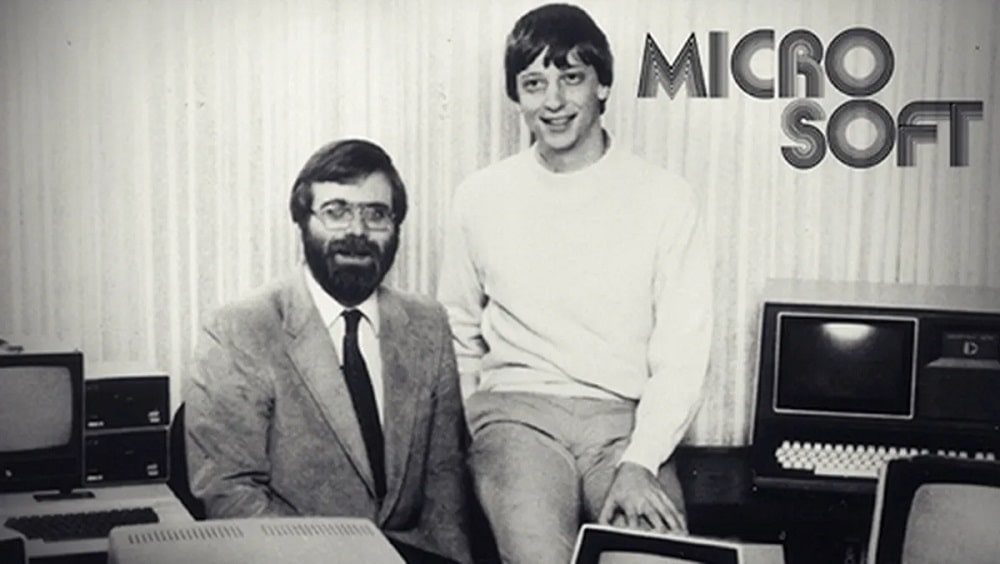
At age 13, Gates was immersed in developing software and eyeing the future. While the business side of the business wasn’t as much fun, he jumped in, selling Micro-Soft services and himself. One has to admire what he accomplished in an adult world as a teenager.
The story of Microsoft is an interesting one and it parallels the creation of Bill Gates. Yes, he preferred to write code over building a balanced life. While he became a multibillionaire and greatly influential, he lacks some character traits that are important in life. Gates has made some bad personal choices, and his outward personality seems to reinforce a negative public view of him. Despite his commitment to give away the bulk of his fortune, his charitable efforts bring suspicion and criticism, just as his business practices did. I believe there is a connection.
The future volumes of his life story should be equally revealing, but what will they tell us about the man? Will we see the values or just the 1s and 0s?






 Ticket 2 Ride
Leave a reply to Mike Miller Cancel reply