

Soft rock. Some of you will think: yacht rock. Well, that’s not my focus here because yacht rock is an exclusive genre that excludes many artists whose sound is melodic, inviting, polished, laidback and more than a touch of rock. Soft rock is sometimes derided as ear candy and easy listening, due to its relationship to the Adult Contemporary chart. Soft rock doesn’t have to be your parents’ rock and roll, not that there’s anything wrong with that.

Soft rock embraced a lot of genres, it was a musical blender of pop, rock, soul, folk, country, bluegrass and threads of other musical forms. Soft rock was just as comfortable on FM as it was on AM radio.
Soft rock gets a bad rap: bubblegum, simplistic, teen music, easy listening, unoriginal, syrupy, etc. The creation of the yacht rock term even piled on the soft rock term because it distanced itself from soft rock by defining yacht rock as musically sophisticated, infusing jazz or R&B elements, smooth and catchy melodies, and more musical than lyrical. Sounds, I guess yacht rock is the more sophisticated cousin of the down-home soft rock cousin. I’m writing this with a bit of sarcasm because, who really cares. The debate is silly. Soft rock gets your attention, it’s direct, it molds itself around your emotions and connects with your life that become your memories.
By the late 1970s, the singer-songwriter and country-rock trends had declined. The Laurel Canyon sound had evolved into a slicker style of music, partly so these artists could survive the changing audience for record sales and radio airplay. Rougher, harder, rock was splitting into emerging genres of post-punk guitar bands, industrial synth-pop groups, and metal hair bands. What’s a laidback soft rocker to do? They could transition into country or try and remake themselves into something else.
Jackson Browne – The eternal kid is now in his 70s. “Doctor My Eye”, “The Pretender”, “Running In Empty.” His hits slowed in the 80s, but he kept on going after a very successful 70s decade. He still tours and release the occasional album. His political edge has only sharpened. The kid who famously wrote “These Days” about looking back, can now actually relate to the words.
James Taylor – Sweet Baby James had a lot of mellow hits in the 70s, but his output slowed considerably in the 80s. His sound didn’t change, much if any, and he scored a few Adult Contemporary hits. He’s still at it today.
Christopher Cross – His debut self-titled album (1979) was impossible to match, but he tried. “Sailing”, “Ride Like the Wind” and “(Theme from) Arthur” were his radio hits. His silky voice and smooth melodic grooves had a few more charting songs, but his time at the top was over. He’s the poster boy for yacht rock and his career is surging again.
Dan Fogelberg – He found a niche and continued cranking out charting hits until 1984. “Part of the Plan (1974), “Longer” (1979), “Same Old Lang Syne” (1981), and “Leader of the Band” (1982). His soft voice and mellow, romantic songs stuck, but his most popular days were over. After that, Fogelberg kept recording and touring until his death in 2007.
Stephen Bishop – Such a sweet voice, dreamy and smooth, and a damn fine songwriter. “On and On”, “Everybody Needs Love”, “Looking for the Right One”, “Send a Little Love My Way” and “Save It for a Rainy Day” were chart hits stretching from 1976 to 1980. “It Might Be You” was from 1982’s film Tootsie. By the late 1980s, Bishop’s career had cooled, though he’s still recording and occasionally performing.
Alan Parsons Project – Consisting of Alan Parsons, and singer, songwriter and pianist Eric Woolfson, they used a cadre of musicians and vocalists to help realize their complex musical arrangements, built around lyrical concepts and stories. “I Wouldn’t Want to Be Like You”, “Games People Play”, “Time”, “Sirius”, “Eye in the Sky”, and “Don’t Answer Me” were their biggest hits, yet the albums were amazing in their entirety. Known for lush, epic ballads, but balanced with sophisticated instrumentals and linking interludes. By their sixth album in 1982, the duo had peaked, although they released several more albums before Parsons and Woolfson split.
Firefall – Made up of former members of bands like the Byrds, The Flying Burrito Broyhers and JoJo Gunn, their big success was in the late 70s with songs “Just Remember I Love You”, “Strange Way”, “You Are the Woman”, “Cinderella” and “”Strange Way”. The original band broke up in 1981, but various reincarnations have occurred frequently through the years. Main songwriter Rick Roberts embarked on a solo career.
Air Supply – Russell Hitchcock and Graham Russell were Air Supply. The duo’s biggest hit were from the late 1970s to the early 1980s: “Lost in Love” (1979), “All Out of Love”, “Every Woman in the World” (both 1980), “The One That You Love”, “Here I Am” (both 1981), “Sweet Dreams”, “Even the Nights Are Better” (both 1982) and “Making Love Out of Nothing at All” (1983). Though the duo never split up, their lean times in terms of hits started in the mid 1980s, declining album sales didn’t seem to affect their touring demand. They are currently on their r 50th Anniversary Tour.
Linda Ronstadt – Linda opted to embrace different genres in the 1980s and beyond, only occasionally recording more contemporary rock. She toured until her illness took hold and robbed her singing voice. She’s retired.
Kenny Loggins – Evolving from a longhaired folkie, Loggins incorporated lush production and songs from popular film to keep the momentum. song “I Believe in Love”, “Whenever I Call You Friend”, “Don’t Fight It”, “Footloose” “I’m Alright.” He flourished in the 1980s on the Adult chart. He’s still on the road these days.
Chicago – After guitarist Terry Kath’s untimely death, the band soldiered on, but sputtered musically until producer David Foster rebuilt their sound and Peter Cetera stepped to the foreground. The band had shed the rock, R&B and jazz elements for pop and the Adult Contemporary chart. Three original members are still touring with the current lineup.
Beach Boys – Outside of one hit in the 1980s, the dreadful “Kokomo”, The Beach Boys retreated into a legacy band. Efforts at original material just proved how far off the mark they were. The death of Dennis and Carl, internal battles and the limited involvement of Brian, turned The Beach Boys brand into Mike Love’s backup band.
Elton John – His career went up and down, though he kept scoring the occasional hit. Working through substance abuse and personal issues, he never regained his musical dominance, but remained eternally popular. He’s finally off the road after a two-plus year final tour.
Leo Sayer – His best days were in the 70s, as a recording artist, and having his songs recorded by other artists. Sayer didn’t stop recording or performing, he did have a few more hits in the UK, but his sales slowed elsewhere. Known for “You Make Me Feel Like Dancing”, “When I Need You” and “More Than I Can Say”. He lives in Australia and periodically records and performs live.
Hall & Oates – After a few hits (“Rich Girl”, “Sara Smile”) and a lot of albums in the 1980s, Hall & Oates found massive success in the first half of the 1980s, harnessing a more contemporary sound and with the help of MTV, high charting singles and multi-platinum the result. The duo pulled the plug on their own success and returned to flying under the radar, until their recent split.
ABBA – The champ of hits worldwide, ABBA just stopped and went separate ways.
Billy Joel – The more that he experimented with styles and production, the bigger he got in the 1980s. Eventually, he got tired of trying to keep up with the success rollercoaster of remaining relevant and retired, then came back to only play live shows. His popularity remains immense.
Anne Murray – I never understood her appeal, but she continued to release songs that played on the radio. “Snowbird”, “Daydream Believer” and “Danny’s Song” were a few of her hits. Was she pop, folk or country? A bit of everything. She finally retired in 2008.
Neil Diamond – Another artist that crossed genres and age groups. Massively successful in the 1970s, his hits ended in 1982 with “Heartlight”, although his sales were strong with his large fan base as he continued touring until 2017 when health issues were disclosed.
England Dan & John Ford Coley – Danny Wayland “England Dan” Seals and John Edward “John Ford” Coley were known for such hits as “I’d Really Love to See You Tonight”, “Nights Are Forever Without You”, “We’ll Never Have to Say Goodbye Again” and Todd Rundgren’s “Love is the Answer”. The duo broke up in 1980 to pursue solo careers.
Crosby, Stills & Nash – The group resurfaced with Daylight Again (1981) and wouldn’t return as a trio until a decade later. Splintering into solo projects, David Crosby going to prison, and lack of interest. Crosby passed, so it’s just Stills and Nash, who work solo.
Little River Band – This Australian band had some big hits in the late 70s and early 80s, although they could rock, but outside of their first American hit, “It’s a Long Way There” we heard mostly the mellow stuff. A weird thing happened, all of the original members have been out of the band for years, and the band is now other folks, who also ended up owning the name, not the guys who wrote and recorded the hits. Only bass player Wayne Nelson who joined in 1980 has a connection to the band’s hits. “Cool Change”, “Reminiscing”, “Lady” and “Happy Anniversary” were some of their hits. This new version of the band still tours, but it’s really a cover band.
Pablo Cruise – Known in the late 70s for “A Place in the Sun”, “Whatcha gonna do”, “Don’t Want to Live Without It” and “Live Will Find a Way” before lineup changes derailed the band’s success. Pablo Cruise was a smooth, upbeat, occasionally jazzy, good time pop. The band had muscular chops and excelled to tight, sophisticated grooves. Commercial success faded in the early 80s and the band soon split up.
Olivia Newton John – Was she pop or country, or both? In 1981, Physical, sold over ten million copies, this her move to a harder, contemporary sound and very mature subject matter. After that album her output slowed and the reception to her new music was mixed. When her music was more heartfelt, the results were pure, but less successful commercially than when the record label squeezed the soulfulness out for the sake of slickness.
Ambrosia – Having hits like “Holdin’ On to Yesterday”, “ “Nice, Nice, Very Nice”, “Can’t Let a Woman”, “How Much I Feel”, “Biggest Part of Me” and “You’re the Only Woman (You & I)” marked a very successful 1970s. Their first album of the new decade saw the band move away from their mellow, polished sound, toward a heavier edge and production. The sound didn’t fit consumers in the new decade and the band broke up.
Orleans – “Dance With Me” was a top ten hit and got the band noticed. Their next single, “Still the One” became a top five hit and was used by ABC to promote their lineup. “Love Takes Time” was their last hit of the 1970s and for the band. Main songwriter John Hall departed for a solo career and which coincided with the band’s faltering popularity. The band still tours and recorded, but with only Lance Hoppen as the only original member.
Renaissance – This band started with members of the Yardbirds, but morphed into a folk/classical/progressive rock band with songs such as “Midas Man”, “Ashes Are Burning”, “Day of the Dreamer” and “Can You Understand?”. The 1980s were a challenging decade for the band, who adapted their sound and look, and shrunk the band. After a long hiatus, singer Annie Haslam and guitarist Michael Dunsford regrouped until Dunsford’s death. Haslam soldiered on, recording and touring, they are winding down their final tour.
Paul Simon – After a massively successful album in 1975, Simon did not return with an album till 1980, that was only moderately successful. His next album appeared in 1983 that was better received but still not a big hit. Simon returned in 1986 with Graceland, a critical and commercial success, selling more than 14 million copies, and awarded a Grammy for Album of the Year. His next album, The Rhythm of the Saints, was commercially successful but to a lesser degree than Graceland. Every few years, Simon released an album of new material, very personal music, continuing to flex his style and accompaniment, without regard to commercial acceptance. Simon, at age 83, embarks on a tour of smaller venues this spring.
Al Stewart – A folkie in the early 1970s, he hit it big with Year of the Cat (1976) and then Time Passages (1978), both produced by Alan Parsons, and then 24 Carrots (1980), all done with a band. The hits slowed, although he continued to record and tour, which he continues to do today. Stewart’s lyrics were stories, often set in foreign places with a mix of intrigue and historical significance.
Cat Stevens – More than just a singer-songwriter with a guitar, his albums had a simplicity that belied its sophistication and melodic structure. A multi-instrumentalist, his music grew more complex and esoteric. His last album before his retirement, Back to Earth (1978) had the best elements of his songwriting, but failed to find an audience, but it didn’t matter because he had already closed that chapter. It would be decades later before he retuned to music.
Van Morrison – Not really a soft rock artist, his moody, soulful, jazzy albums were a blend of spiritual, atmospheric, Celtic soul and folk. Although Morrison had a lot of charting songs, he painted broad strokes with his musical pallet. After the 1970s, Morrison’s albums were almost religious events, but the man could construct romantic and soulful songs when he was in the mood. His best, and accessible, work from the period was the mid 80s thru mid 90s.
The Carpenters – Karen and Richard Carpenter packed a lot of music into their brief career. They had peaked with Passage (1978) and produced very little new music after that. The Carpenters were pop/soft rock, but blended other genres into their music. They were all over the radio in the 1970s, and Karen’s death in 1983 silenced an angelic voice.
America – Nothing says soft rock than the three guys who made up this band. “Ventura Highway”, “I Need You”, “Horse With No Name”, “Tin Man” and many more. In the late 1970s, Dan Peek left the band and the hits became fewer. Gerry Beckley and Dewey Bunnell stayed together all the years since, releasing the occasional album and touring every year. Beckley has now retired from the road, but still records.
And in the end..
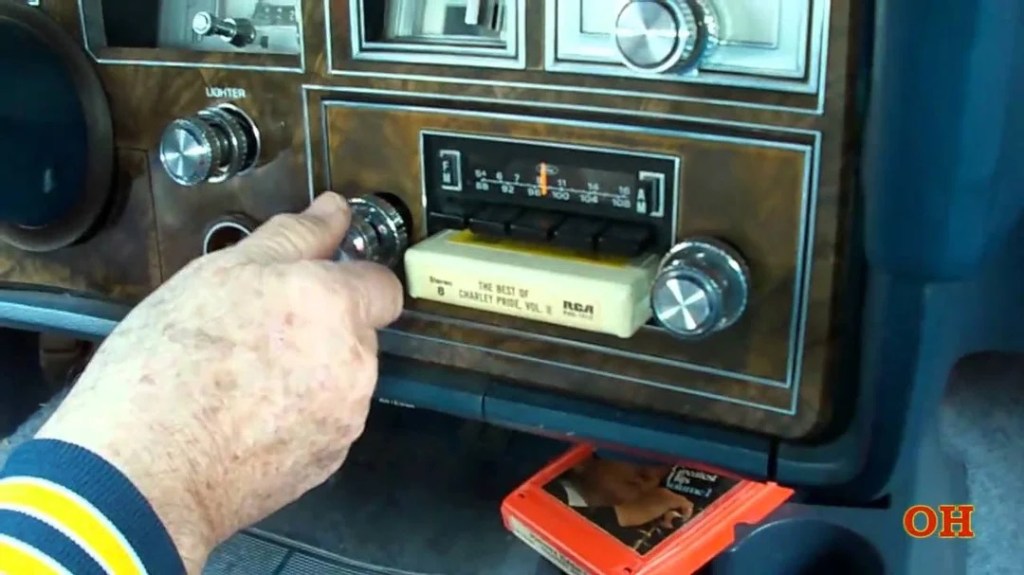
By the start of the new decade, groups like Seals & Croft, Loggins & Messina, Doobie Brothers and Bread were either done or on their way to a breakup. Artists such as the Eagles, Moody Blues, Jefferson Starship, Dire Straits, Rod Stewart and Fleetwood Mac are often lumped into the soft rock category, but that’s a listener’s choice. Either way, soft rock was not whimpy or boring, just mellower than harder-edged and thunderous rock that became popular on the expanding FM dial, or pouring out of your 8-track car stereo.
Some mellow artists thrived in the 1980s, others’ careers faded. Those that prospered reinvented their sound or their image, some with the help of music videos. The laidback grooves of the 1970s weren’t the electrified grooves of the pastel 1980s. The natural, earnest music was processed and polished with glitzy production affectations.




 Ticket 2 Ride
Leave a comment