

I’ve been waiting for this one. Mike Campbell, Tom Petty’s right-hand in Tom Petty and the Heartbreakers, finally tells his story. Written with Ari Surdoval, Heartbreaker (2025, Hatchett Publishing), Campbell takes us from his humble beginnings to the heights of rock star fame, the tragic passing of Petty, and Campbell’s life since.

Gainesville, Florida was the jumping off point for Campbell, Petty, Benmont Tench, Stan Lynch, Ron Blair, the other members of Petty’s Mudcrutch band, and Bernie Leadon, older brother of Mudcrutch’s Tom Leadon. Campbell’s early story is similar to those of wannabe rock stars all across the country, who saw the Beatles on Ed Sullivan, picked up an instrument, grew their hair, and dreamed of being on stage.
Campbell recounts the lean Mudcrutch days, to the massive fame of Tom Petty and the Heartbreakers, and then life after Petty’s sudden passing. There are several other good sources for the Mudcrutch/Tom Petty story: Runnin’ Down a Dream, the Peter Bogdanovich documentary, and Petty: The Biography, by Warren Zanes; but this one is personal.

What’s interesting in the story of Tom Petty and the Heartbreakers is how much luck and timing entered into events that brought these guys together and put them on their path. Talent, hard-work and perseverance are a huge part of destiny, but magic selects only a few people. After years of struggle and opportunity not knocking, Petty and the Heartbreakers released their debut album, which featured “Breakdown” and “American Girl”, but it didn’t sell…at first.
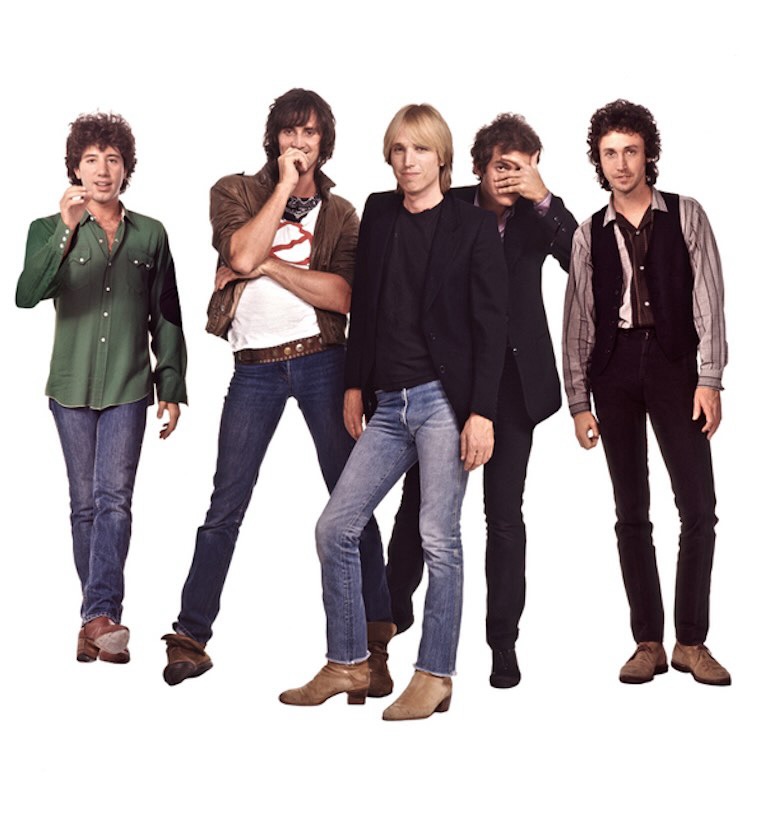
Tom Petty and the Heartbreakers didn’t fit into any genre in 1976 or 1977, which made finding airplay and a larger audience challenging. A tour of Europe supporting Nils Lofgren gave them confidence, great word of mouth, and opening for bigger rock bands in America. The band now included also Stan Lynch, Benmont Tench and Ron Blair, all Florida guys who melded into the Heartbreakers.

Just when success was starting to role in, Petty changed the dynamics of the band’s business. Manager Elliot Roberts explained the roles to the band: “You think you’re as important as Tom. You are not. Tom was the star. Tom was the frontman. Tom was the songwriter.” Campbell got it, he understood his role was to support Petty’s vision, it was Petty’s band and if Campbell couldn’t get behind it, he didn’t deserve to be in the band. It was Petty who was first offered the record deal, not the band. Mike Campbell believed in Petty’s songwriting and growth as a frontman; he was all in.
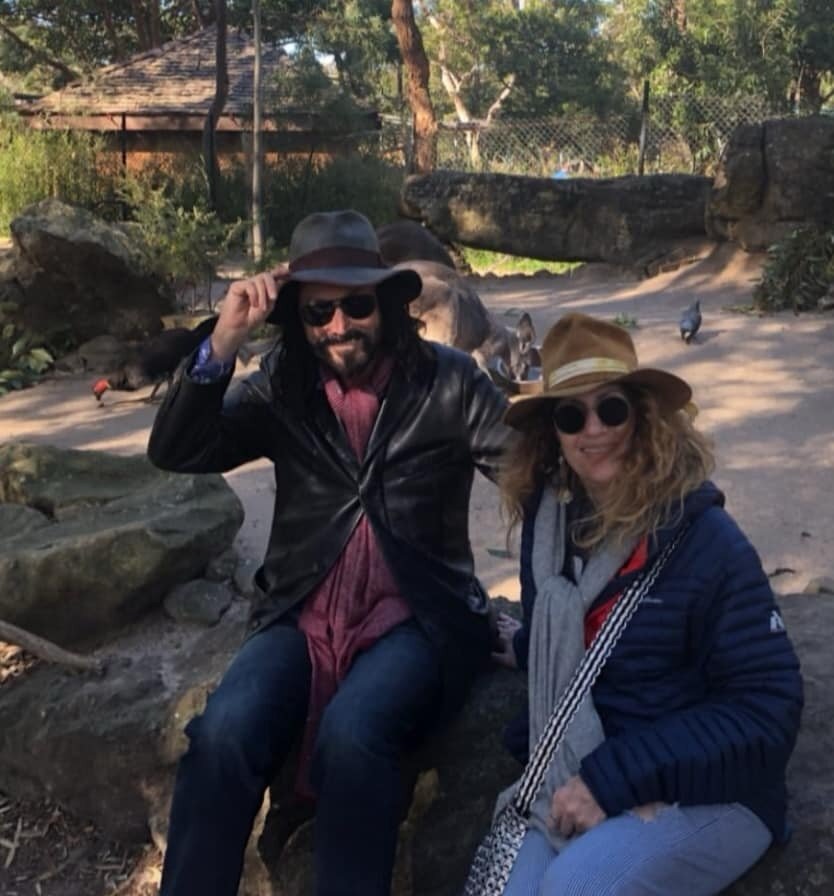
Still, Campbell had to be humble and accept that Petty selected whatever music of Campbell’s that would be incorporated into a Petty song. Petty was the boss and made the decisions. Once, Campbell sent Petty a tape with songs Campbell recorded that also included vocals; Campbell always gave him tapes, but this one was different because they were songs Campbell wanted to possibly use for his own first solo album. An incredulous Petty ripped the songs apart and told Campbell to stay in his own lane. That had to have hurt, deeply, and somehow Campbell was able to bury it and move on.
Campbell is still totally loyal to Petty, and credits him for the great life and career Campbell has. Still, Petty comes off as sometimes mean, with a volatile temper and not exactly encouraging to his longtime band members who had to get permission to work with other artists. Petty turned down the song that became “Boys of Summer”, a monster hit for Don Henley. Campbell was facing foreclosure on his home and desperately needed the income. Even though Petty turned down the song, he was upset when it was all over the radio, and told Campbell about it.
Some of my favorite recollections of his, are of George Harrison. Their paths crossed numerous times, in part because of Petty, other times because of Bob Dylan or Jeff Lynne. In the musical world, not everyone knows everyone else, but orbits intersect, and when it involves a Beatle, or two, those tend to be amongst the most memorable events.
“Denny Cordell (co-owner of Shelter Records) knew I could write. I never thought I could really do it until he told me I could. Until he told me I should. Until he told me I had to. What a gift to give someone. The belief that they can write. And then, everything they write after. I could never thank him enough.”
Mike Campbell is a guy you’d want as a friend, not because he’s famous or can play guitar – you’d want to be around him because he’s a really good guy.
My blog on Mike Campbell’s solo albums.


 Ticket 2 Ride
Leave a comment