

Tom Clavin knows the frontier and outlaws. I learned a lot from his Last Outlaws, which was primarily about the Daltons, Youngers and James gangs in the Kansas, Missouri and Arkansas areas.
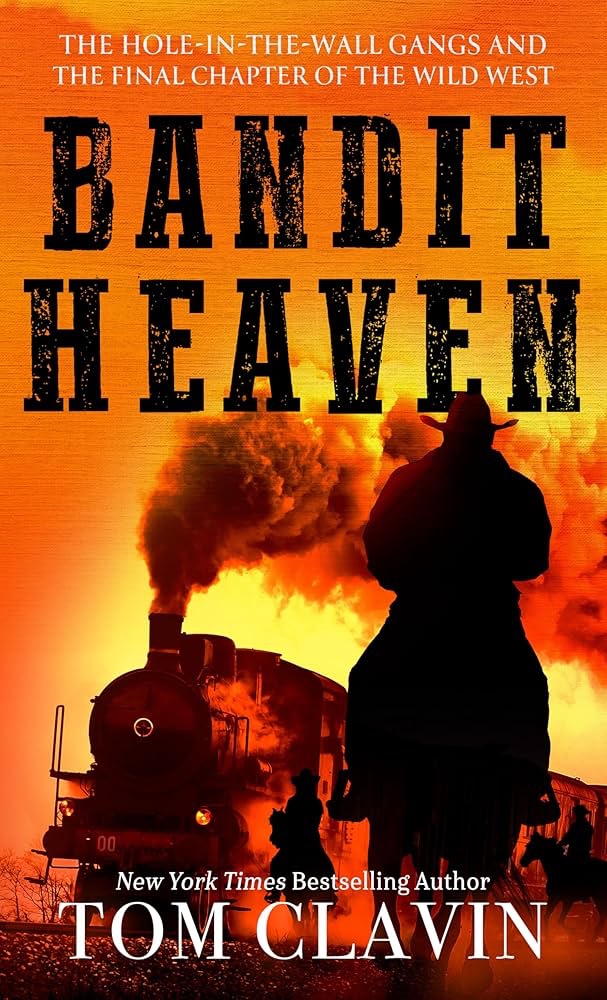
Bandit Heaven concerns Butch, Sundance and others running from the law on the Outlaw Trail through Wyoming and Utah. Again, Clavin knows his outlaws, painting the landscape of rustlers, train heists, shoutouts and bank robberies, in what were the last days of the Wild West.
Bandit Heaven: The Hole-in-the-Wall Gangs and the Final Chapter of the Wild West (2024, St. Martins Press) involves a lot of characters as Clavin describes the various outlaws who use the Outlaw Trail and how it came to be. Just like I found out with Last Outlaws, Clavin gives you the full history, tracing these characters lives back to their origins, and the various lawmen and other players like the big wheels in the rancher associations, which in some cases functioned like the law.
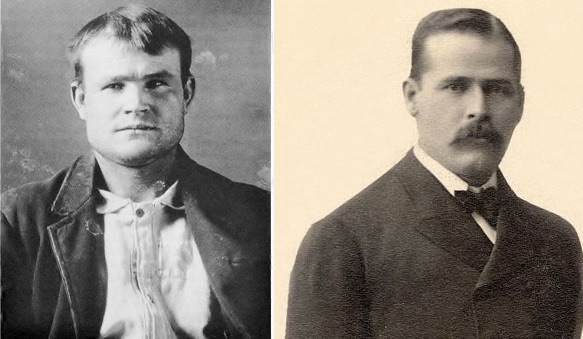
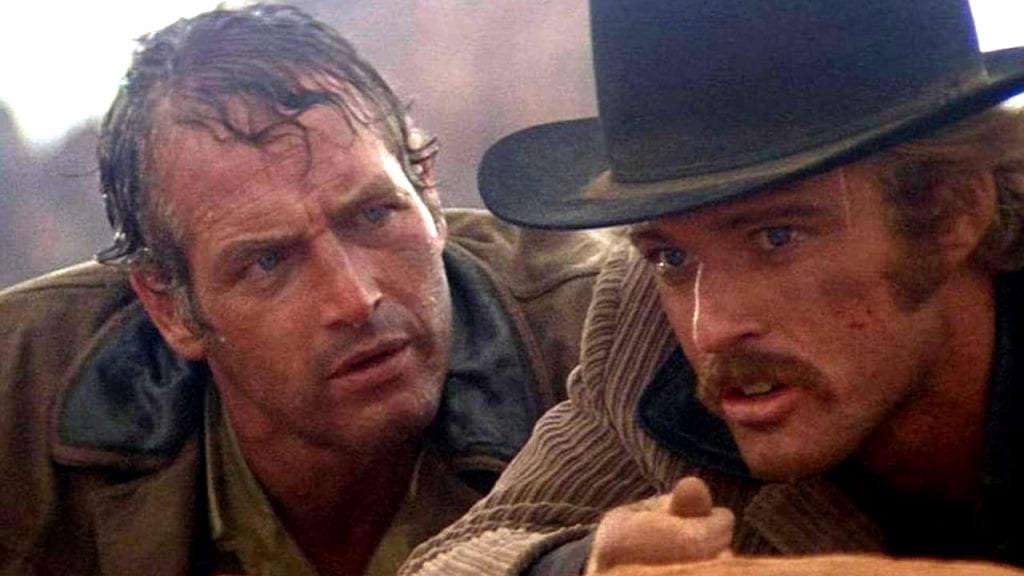
The Wild Bunch was Butch Cassidy, Sundance Kid, Kid Curry and others. There is some basis in reality for the movie Butch Cassidy and the Sundance Kid, but it obviously romanticized and homogenized some Western characters and fictionalized many facts. In movie land, The Wild Bunch referred to an entirely different band of outlaws, and was a gritty, bloody movie of the same name, while Butch and Sundance were the folk heroes called The Hole-in-the-Wall Gang. Kid Curry was nowhere to be found in either film and surfaced as part of Alias Smith and Jones, a TV Western, where the Kid was a softhearted good guy who wanted to make up for past bad deeds.
Butch was a charismatic character, he was spotted everywhere and Clavin says every man who marched into a bank was Butch.
Hollywood was busy in 1968-1970 as outlaws ruled the big and little screens, as Westerns themselves were dying from their own hand. That is a story for another time, or season my category of “Western” for more blogs.
Meanwhile, back at the ranch…Clavin even tells us there was a Junior Wild Bunch, a sort of minor league for up-and-coming outlaws, that didn’t produce any all-stars, just bit-players, and not very smart ones. Clavin writes with a light, amusing touch, although some of these folks did stories themselves are quite odd and humorous. Fact is at times stranger than fiction. The book is full of irony.
The roster of characters in a Clavin book includes judges, law dogs, lawyers and even governors. The Pinkerton Detective Agency functioned as America’s FBI in those days given its reach and use of undercover agents. The outlaws knew how to operate effectively between jurisdictions and where to hide out, which refers to the book’s title.
Tom Horn, lawman and assassin, is also a character in the book, a Wild West figure of mystery and folklore. Horn represents how intertwined the law and the lawless were, and how the good and bad were often the same.

The Wild West was not a vast period of time. Once the closing of the frontier was announced, the days of the outlaws were numbered. Even their safe havens were no longer either, as the law closed in.
Reading a Clavin book requires being able to keep the characters and their aliases straight, and they come and go in the narrative structure of the book. What would help might be to provide a list of the characters and their aliases different names they went by and their affiliations, for the memory-challenged, like myself, to quick-reference.
I highly recommend this book and others in the Clavin series.






 Ticket 2 Ride
Leave a comment