

These are shorter reviews of recently released “new” music. That definition included new releases of older music too, albums from the vault or new remasters. These are albums I listened to or purchased in June 2025, so their release date might have been earlier. I’ll note that.
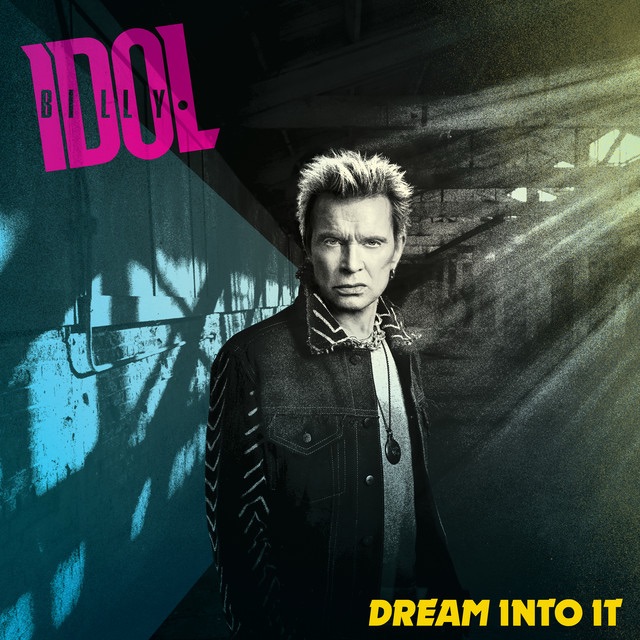
Billy Idol, Dream Into It (April 25, 2025) – Idol’s ninth solo album, hard to believe he hasn’t released more albums, but if you like Idol, you’ll enjoy this one too. Produced by Tommy English, the music stays close to Idol’s successful brand of hard-driving, danceable, pop-punk. I’m reminded of “Rebel Yell” by the energy and badass guitar riffs by Steve Stevens, who continues to collaborate with the still snarling blonde punk. “Even Billy Idol gets it!” An immortal line of dialogue from The Wedding Singer. Yes, he’s still got it.
🎼

Neil Young, Oceanside Countryside (April 25, 2025) – From Young’s website: Oceanside Countryside is the latest of Neil Young’s great “lost” albums to be released as part of his Analog Original Series (AOS). The album was recorded from May to December 1977, preceding the release of Comes A Time in 1978.
Most of these songs appeared on Comes A Time or other Young albums, and some versions differ from the ones on this album. Confused? Keeping track of Neil Young’s musical library is challenging, and to the casual fan, a mystery. During the 1970s in particular, Young seemed to record constantly, with different groups of musicians, across many studios, emphasizing a variety of musical styles – all depending on his mood and vision. Songs that made his officially released albums might be drawn from multiple recording sessions utilizing a variety of musicians, songs that sound nothing alike, only related by Young’s intention at the time the album went to press. He was known to change his mind, change the order, substitute songs and even cancel releases, putting together an entirely different album for the record company to release.
Oceanside Countryside is not a great album, but when viewed as an album released in 1977 (if it had been), it would have fit nicely as a follow-up to After the Gold Rush. Young had a lot that he wanted to present acoustically, whether it was countrified or folk, he stepped outside of “Like a Hurricane”, “Fountaine Blue”, “Cortez the Killer and “Rust Never Sleeps” to travel acoustically for awhile. If you are a completist, you’ll want this album, if not, you can find versions of these songs elsewhere.
🎼
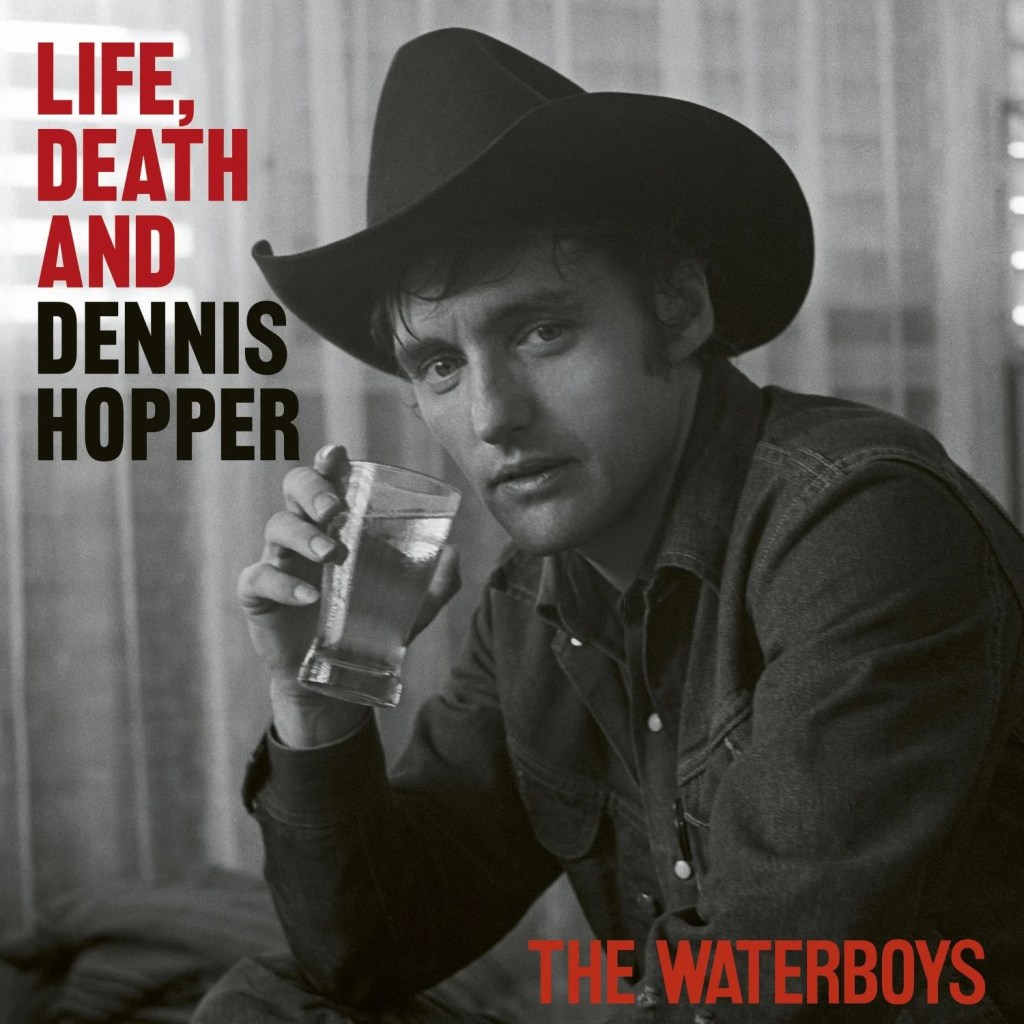
The Waterboys, Life, Death and Dennis Hopper (January 6, 2025) – Based around the life of the late actor Dennis Hopper, the musical vibe here changes with each song – Bruce Springsteen folk to Tom Waites blues to George Thorogood blues-rock to 1950s easy listening to swinging British 1960s pop, Beach Boys Pet Sounds era pop, laidback surf rock – this album travels the musical spectrum. Just when I think I’ve got a handle on Mike Scott’s vision for this journey, he shifts into a new gear and off we go in a different direction.
Scott explained in an interview:
“The arc of his (Hopper) life was the story of our times. He was at the big bang of youth culture in Rebel Without A Cause with James Dean; and the beginnings of Pop Art with the young Andy Warhol. He was part of the counter-culture, hippie, civil rights and psychedelic scenes of the ’60s. In the ’70s and ’80s he went on a wild 10-year rip, almost died, came back, got straight and became a five-movies-a-year character actor without losing the sparkle in his eye or the sense of danger or unpredictability that always gathered around him.”
If you follow The Waterboys, you shouldn’t be too surprised by the wide turn in style, Scott is known for his large musical pallet. The change from song to song is a bit jarring, challenging the listeners to embrace this rather eclectic journey. How the music, and occasional spoken word interlude, reveal Hopper and his times are a big task – it took me several listens to grasp it all.
Life, Death and Dennis Hopper is a very cinematic album, not just because of Hopper’s profession, rather it tries to capture the America in which he lived, and impacted. The diverse musical styles are tools in transporting us there. I’m reminded of Springsteen’s beautiful Western Star, Young’s After the Gold Rush, the Dead’s American Beauty, Eagles’ Hotel California.
🎼
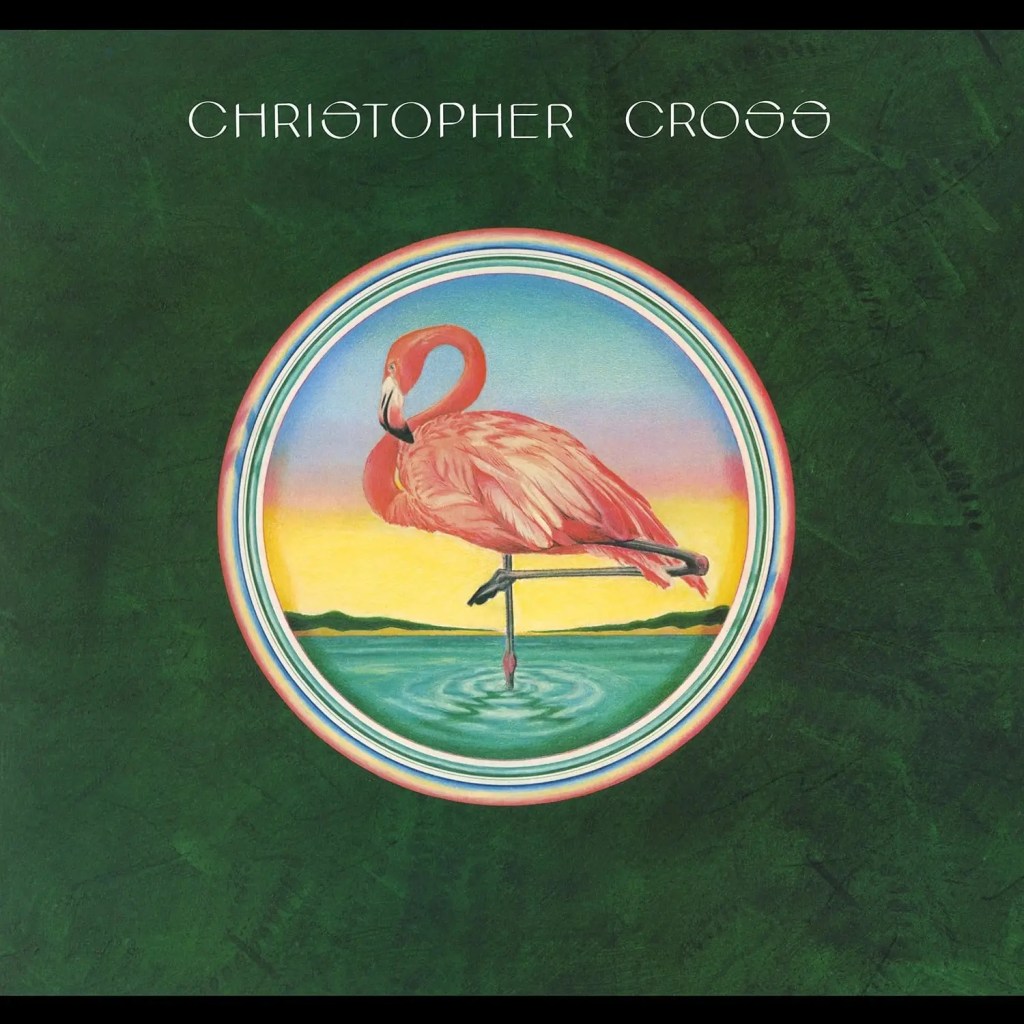
Christopher Cross, Christopher Cross (originally release December 27, 1979, expanded version released June 29, 2025) – Produced by Michael Omartian, a fairly new producer at Warner Bros. Records in 1979, he heard Cross’s demo tape in a meeting with other WB producers, no one jumped at the chance to produce Cross, except for Omartian. When he met with Cross to discuss the project, Cross was underwhelmed by Omartian, until Cross found out that Omartian had played on most of the Steely Dan albums. That instantly changed Cross’s view.
“He always wanted someone else to play a solo (on Ride Like the Wind), and I’d say ‘no’,” Omartian said in an interview with Mix. “I’d say, ‘Dude, play the solo,’ and he’d just burn it up. After we were done with the record, Walter Becker and Donald Fagen both wanted him to play guitar on one of their records, and he was so intimidated, afraid to do it, and he never did.”
Christopher Cross won five Grammy Awards including categories of Album, Record and Song of the Year as well as Best New Artist. The original album sold five million copies in the U.S. This expanded release contains a 2019 remaster of the original tracks, plus ten demos and the non-album track “Mary Ann.” On the demos, you get an idea of how good the songs were, but the released versions are classics.
Think about the music in 1979, soft rock was not the stellar sound, a harder, more stripped-down sound was taking over. Yet, this debut album of an Austin, Texas songwriter found a niche and exploded. Christopher Cross is a yacht rock classic – skilled songwriting, masterful production and one of the best voices in rock.




 Ticket 2 Ride
Leave a reply to Mike Miller Cancel reply