

The second installment in my film documentary summer review. This blog is entirely about music-related films. I love that documentaries are so available on the streaming platforms, although I have great memories of tracking down films in art houses, college film programs and late night television.
What Happened, Miss Simone? (2015)
Directed by Liz Garbus. Nina Simone (1933-2003) was a jazz/folk/classical pianist and vocalist, who from 1954-1974 was one of the most influential vocalists of that era. Garbus’ film focuses more on Simone’s adult years: her rise to success and career/personal life decline. The title of the film comes from a Maya Angelou quote.

Simone was incredibly talented, passionate about achieving success, and wanting to be the first Black female classically trained pianist. Perhaps overarching her career was her push for civil rights. Because of her outspokenness about race and her openness about violence, her mainstream career suffered to the point it never recovered. The film also delves into her largely undiagnosed mental illness, which further hurt her career and damaged her personal relationships. Bad business decisions, lack of management and her unpredictable behavior crippled her earning power and reputation.
This film draws from performances, archival interviews and the participation of family and friends. Back in college I had a friend who was a big Nina Simone fan, that’s how I knew of her music, but I knew almost nothing about her life. What Happened, Miss Simone? is playing on Netflix.
—
David Bowie: The Last Five Years (2017)
The camera goes behind the curtain to reveal what David Bowie was doing during what became his last five years. Archival conversations with Bowie, recent interviews with his musical collaborators, behind the scenes recording of albums and videos, and insights from people who knew him – all of this shows a man coming to grips with his health and reflecting on what remained of his life. Bowie was highly secretive of his health issues and of projects underway, and had code words used when talking with his collaborators.

Francis Whately who worked on several Bowie projects, directed this intimate portrait of a very famous man who shielded a great part of his life. Along the way, Whately takes us through periods of Bowie’s career that directly influenced what he did during the last five years. Those glimpses into his past help to provide perspective to Bowie’s constant evolution.
This film is not a repeat of other Bowie films. The interviews with producer Tony Visconti and members of Bowie’s band are particularly revealing about Bowie’s creative process and how he sculpted his music. This film is streaming on MAX.
—
Mr. Saturday Night (2021)
Mr. Saturday Night is the story of Robert Stigwood’s evolution from music artist manager to entertainment mogul and producer of Broadway and Hollywood movies.
Stigwood managed The Bee Gees and was a partner in Brian Epstein’s NEMS Ltd. who managed the Beatles. Epstein wanted Stigwood to take over the Beatles management, but the Beatles didn’t like Stigwood and put the kibosh on that move. Stigwood left NEMS with The Bee Gees and Eric Clapton setting up RSO Productions as his main company. He located in New York where he got ahead of the disco and dance phenomenon of the middle 70s, which was vital to his film and music success.

Stigwood convinced Andrew Lloyd Webber and Tim Rice, who had written and recorded an album of songs with the title Jesus Christ Superstar, that he could turn the songs into a concert tour, and then a Broadway musical – which he did. Then he got the rights to Tommy and developed a film with director Ken Russell and Who songwriter Pete Townshend.
Stigwood bought a magazine article about the rise of dance clubs and signed John Travolta to a three-film deal. As the disco scene grew beyond the gay audience, Stigwood’s Saturday Night Fever would gross nearly $300M.
In many way, Stigwood owned the 1970s. Eric Clapton battled numerous addictions, but he rebounded to great fame and success. The Bee Gees had their own career rebirth and for a while dominated the Billboard record charts. Stigwood’s RSO records made money hand over fist. His next film was Grease, a blockbuster even bigger than Saturday Night Fever. Stigwood had an ego as big as his bank account, and was known as a ruthless negotiator. Shrewdly, he negotiated fifty percent ownership of the Saturday Night Fever film, and owned the multimillion selling soundtrack.
Then came the Sgt. Pepper movie, an unexpected and expensive flop. A couple of years later the disco backlash happened, and Stigwood had lost his touch for creating hits. He retired to the Bahamas and lived on his yacht, out of the public eye.
Mention Robert Stigwood today and all you get are blank looks. The man knew promotion and how to capitalize on trends. He guessed right more than he stumbled. What would the 1970s been without The Bee Gees, Saturday Night Fever, Grease, Jesus Christ Superstar, Tommy, the disco culture and Clapton bouncing back from heroin addiction? You might not know Robert Stigwood, but you’ve grooved to what he brought to the scene.
—
The Greatest Night in Pop (2024)
The Greatest Night in Pop is a wonderful film. Imagine trying to corral many of the top recording artists, under great secrecy, to record a fundraising song in one night.
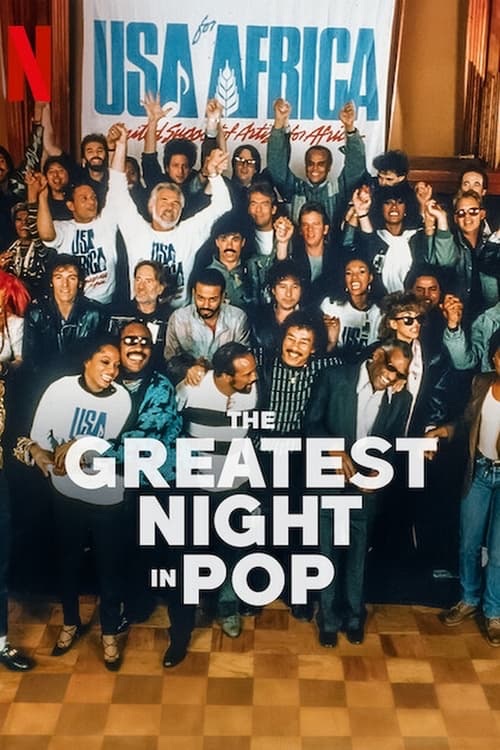
Lionel Richie and Quincy Jones, along with manager Ken Kragan organized the event, while Richie and Michael Jackson wrote the song, with Jones producing. The logistics of coordinating the large number of participants, who worked through the night, required masterful organization and the checking of egos at the door. The documentary takes you inside of the initial planning, songwriting, and production of “We Are the World,” an idea to quickly capitalize on the energy and availability of megastars to raise money for famine relief.
Directed by Bao Nguyen, thank goodness the event provided so much film to work with. Nguyen constructs a very moving story, showing the heart and compassion that fueled this Herculean project that faced many challenges, ego clashes and deadlines – plus, to maintain secrecy. Even though we all remember the finished product, Nguyen still cranks up the fear of not getting to the finish line.
Relive the 1980s and this star-studded project. See the superstars acting like fans, as they fawn and collect autographs when the song is completed and morning arrives.
—
Trainwreck: Woodstock ‘99
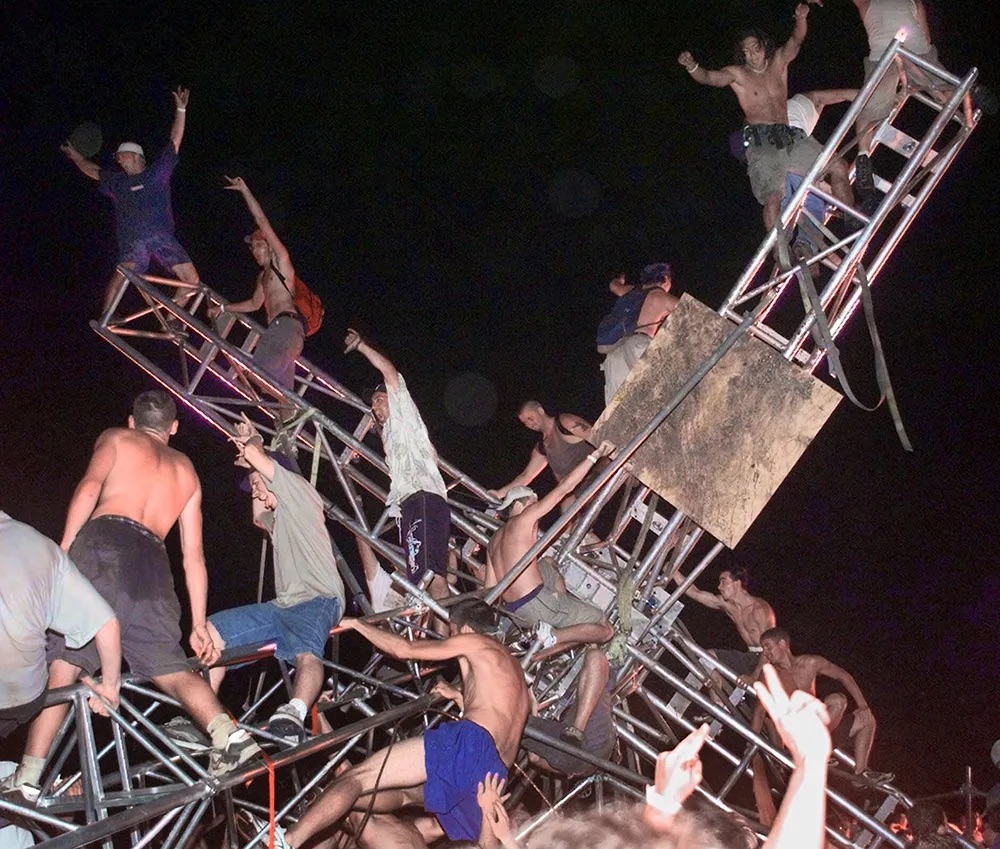
I’ll spend a little more time on the Netflix documentary, Trainwreck: Woodstock ‘99. Part of the Trainwreck documentary series, this was a tough one to watch. From the outset, this concert event was doomed from the beginning and it’s amazing that no one went to jail, or multiple fatalities occurred, although there was violence, sexual assaults and massive property destruction. The event had the moniker of “Show us your tits,” which was chanted to performers like Sheryl Crow and Alanis Morissette during their sets. Frat boy behavior permeated the crowd as the explosive energy built. Performer Moby recalled that entering the event grounds, which was held on a decommissioned Air Force base, the energy was noticeably negative, and that was only a few hours into the event. “When we were onstage, it was the greatest concert of all time,” claimed Fred Durst of the band Limp Bizkit to The Washington Post. “I had no idea that the finger would be pointed at me as a guy starting a riot…I didn’t see anybody getting hurt.” Yeah, right.

“Let’s see if we can’t get this motherfuckin’ place stirred up a bit,” Durst shouts at the crowd. If rioting, tearing apart and burning the the tower, destroying the outdoor venue infrastructure, looting the vendor area, setting fires and violent acts against other attendees – if those are examples of being stirred up, then Mr. Durst accomplished his goal. The documentary uses MTV footage, concert film, news reports and interviews to put you might into the mayhem. Spread over three parts, the tension ramps up as this event was ill conceived, poorly planned, and incapable of safe management as it spiraled out of control. Those in charge, the organizers of the first Woodstock and the 1994 version, do their best to look surprised and deflect any responsibility. The documentary pretty well traces how the wheels came off of this event as it sped toward anarchy. The cameras exposed it all, especially the inattentiveness of the decision-makers, who not only failed to plan, but refused to listen to their own people as bad things began to happen.
In the late 1960s, there was an overwhelming wave of peaceful coexistence, good vibrations and still a lot of optimism. Neither of the two previous Woodstocks were without incidents or problems. Rain, heat, short supplies of food and water, traffic jams and some misbehaving were attributes of large concert events. However, the bad things were pushed out of the events’ legacy. “Woodstock” is remembered for being true to the spirit of the event, no matter what may have happened outside of the range of camera. And yet, original Woodstock and Woodstock 1994 organizer Michael Lange failed to learn anything about event planning and management.

Anyone remember Woodstock 1994? I vaguely do, and because it consisted of mainly artists that played the original event, and it was advertised to the aging Boomer crowd. Woodstock 1994 was a fairly mellow, largely forgotten event, despite the rain and mud. While there were logistical issues, no riots or anarchy occurred. Lange said, “let’s do it again in five years.”
There was something different this time. As the documentary shows in great detail, Woodstock ‘99 was intended as a huge profit center, and aimed at a much younger demographic. Sponsorships were secured for the event as Woodstock ‘99 was about money. This plan set the stage for concertgoer dissatisfied with outrageous prices for food and water, lack of conveniences, and the feeling of being ripped-off.
The other factor worth noting is the change in the audience, which was directly tied to some of the performers signed to play the event. The music of 1999 wasn’t your grandfather’s rock and roll, and alcohol and drugs didn’t mellow many in the crowd – it served to enrage them. Peace and brotherhood was replaced by anger and destruction. When MTV pulled their people out due to the unsafe environment, that was the sign that the shithouse was going up in flames, as the late Jim Morrison for-warned. The third episode is pretty frightening – a huge crowd, inadequate security, agitation growing, no easy way out. A sense of doom.
Woodstock ‘99 was a clash of cultures, played out on MTV. This is a riveting documentary directed by Jamie Crawford.



 Ticket 2 Ride
Leave a comment