
In 2024, John, Paul and George each had a re-release of an album that was remastered and included alternate versions or out takes, unreleased songs or live versions. Each came in multiple formats. I was particularly interested in the bonus material and these different versions. All three of these albums are popular legacy albums that sold well and has notable singles.
Living in the Material World (1973) was never one of my favorite George Harrison albums, nor a great album, but there are some fine songs. Thankfully, Phil Spector was not much involved in it. The sound doesn’t have that muddy, overproduced sledge of overdubs. The songs breathe, in a way All Things Must Pass did not. The songs here are deeply introspective and although many have very beautiful melodies, these are hardly inviting pop songs. Harrison fully embraces these songs and sings them in a deeply personal manner. Stripping away layers of production enhances his heartfelt lyrics even further.

To celebrate its 50th year, the Harrison Estate released several versions of the remastered album. The original album sounds cleaner and warmer, thanks to modern technology. The new 2024 remix is Paul Hicks and Dhani Harrison. Hicks was earned three Grammy Awards for his work on Beatles projects, he worked on the All Things Must Pass 50th anniversary release, John Lennon and Paul McCartney boxed set.
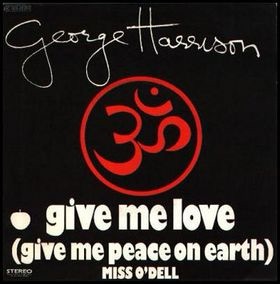
The second disc is a collection of demos, different versions and alternate takes. Also included is a remix of the non-album track, “Miss Odell”, the b-side of the “Give Me Love (Give Me Peace on Earth)” single. More on that later.
I enjoy this extra disc, and actually prefer these versions to the ones on the original album. That’s probably blasphemy, but for 50 years I’ve listened to the original album and thought those songs so downbeat, that their arrangements and mix worked against the poignancy in both the writing and George’s performance.
Living in the Material World was not a collection of rock and roll songs, to present them as such underlies the beauty in them. George owed EMI a contemporary sounding album, something that could follow All Things Must Pass in the marketplace, there are several upbeat songs on Living in the Material World, but I wouldn’t confuse them with rockers. In 1973, George was beyond that, occasionally he would release something that rocked, but George was usually aiming for something more.
The songs…
“Give Me Love (Give Me Peace on Earth)” (Take 18; Acoustic Version) – Solo acoustic guitar with Harrison’s vocals.
“Sue Me, Sue You Blues” (Take 5) – Stripped down version, acoustic slide guitar and piano are very prominent in the mix.
“The Light That Has Lighted the World” (Take 13) – Beautiful piano and acoustic version. Better than the original.
“Don’t Let Me Wait Too Long” (Take 49; Acoustic Version) – A run through with guitar and piano. I really like the original version because it’s one of the few uptempo songs on the album.
“Who Can See It” (Take 93) – Not that much different from the released version.
“Living in the Material World” (Take 31) – Not that much different from the released version.
“The Lord Loves the One (That Loves the Lord)” (Take 3) – A looser version, a bit more inviting, and Harrison’s singing is more expressive and intimate than the original version.
“Be Here Now” (Take 8) – A very intimate version, leaner musical arrangement, but awesome Harrison vocal.
“Try Some Buy Some” (Alternative Version) – Not too different from the original, the slide guitar is more prevalent in the mix.
“The Day the World Gets ‘Round” (Take 22; Acoustic Version) – A lot like the original, a bit less polished.
“That Is All” (Take 24) – A lot like the original, a bit less polished.
“Miss O’Dell” (2024 Mix) – I don’t know this delicious song was relegated to B side and unavailable for many years. It a fun song, Harrison is heard cracking up during the song, glad that it is available. I wish his version of “Sunshine Life For Me (Sail Away Raymond)” had been included in this set and not held over for the expensive super humongous set.
Final thoughts…
—
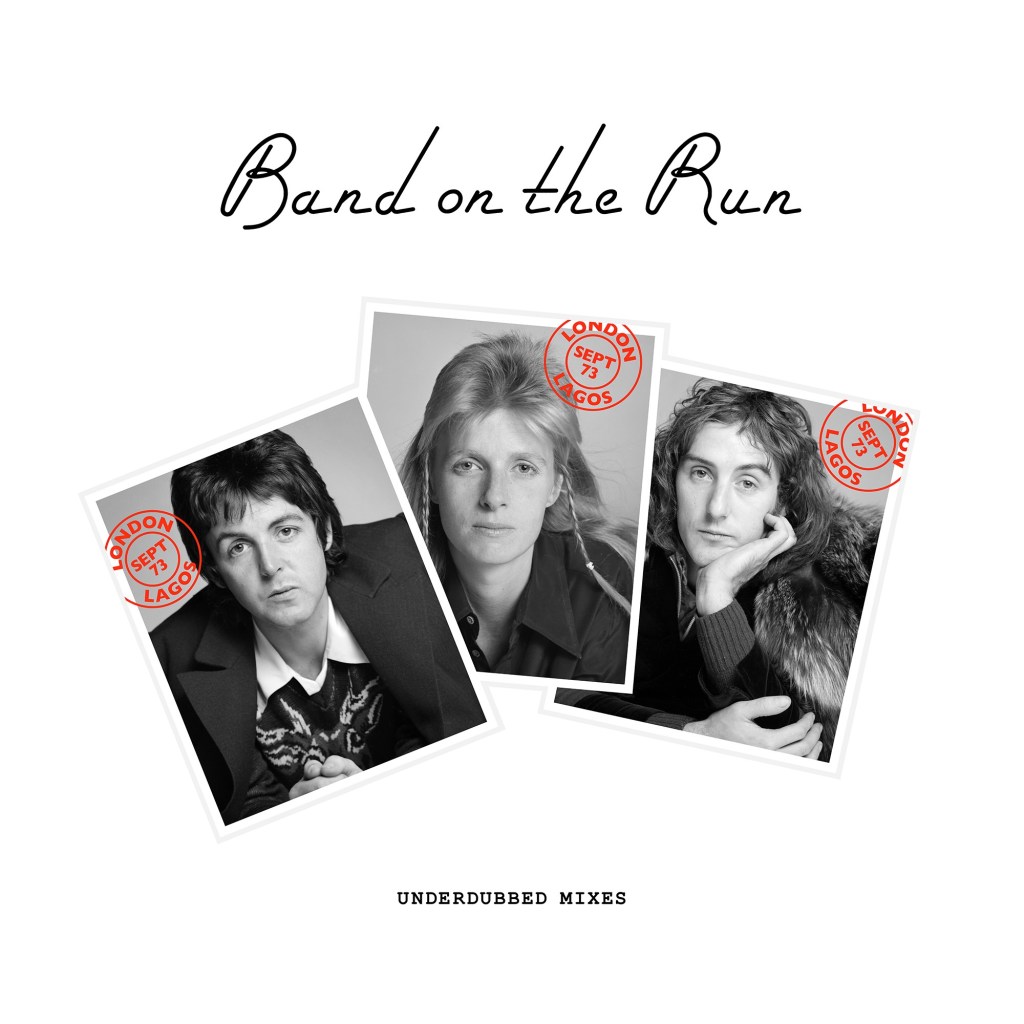
Band On The Run, Underdubbed Mixes, the 2025 release of the 1973 mixes.
Band On The Run has been remastered in 1993, and again in 2010. This has always been one of my favorite McCartney albums. For the 50th Anniversary Edition, a new pressing of the vinyl edition, an Atmos mix by Giles Martin and Steve Orchard, and a release of the album tracks by Geoff Emerick in 1973 prior to orchestra and sweeteners. Paul McCartney said: “When you are making a song and putting on additional parts, like an extra guitar, that’s an overdub. Well, this version of the album is the opposite, underdubbed.”
So, how do the tracks without the overdubs stand next the released versions? Notice that “Helen Wheels” is not included. That’s because the song was recorded as a single and not planned for release on the album, however, it was included in the U.S. LP version.
The songs…
“Band on the Run” – This mix isn’t nearly as good as the released version with the sweeteners. It feels naked. This can’t be the lead vocal that was used, too rough.
“Mamunia” – Toss up. I don’t hear a big difference. The acoustic guitar playing is brighter in the mix. This is a campfire type song, the simpler the mix the better.
“No Words” – I like this version a lot, it’s sharper, more of an edge to balance the sentimental nature of the song. Laine’s harmony vocal is quite clear; all of the vocals are exquisite.
“Jet” – Without the horns, the vocals really stand out. The song loses no energy, in fact it breathes more. The vocal harmonies sparkle and the guitars soar. Either version is good, but the edge goes to this one.
“Bluebird” – A beautiful song. Both versions are nice, but there’s a hole where the horn solo was.
“Mrs. Vandebilt” – Didn’t notice much difference.
“Nineteen Hundred and Eighty Five” – This is essentially an instrumental version with only backup vocals in a couple of places. Here’s a song where I miss the strings and sax solo, and the lead vocal. It’s a great song that’s even better with what’s missing.
“Picasso’s Last Words (Drink to Me)” – I prefer the released version. This feels like a working version with vocals that are going to be replaced. The horns and strings are pretty essential to the spirit of this song.
“Let Me Roll It” – Never a fan of this song, so I’m ambivalent about the mix. Background vocals and a few guitar licks can be heard that weren’t apparent in the original version.
Final thoughts…
I’m really surprised by this album. I was prepared to really like it.
—
Mind Games, 2024 The Ultimate Mixes, Alternate Takes disc
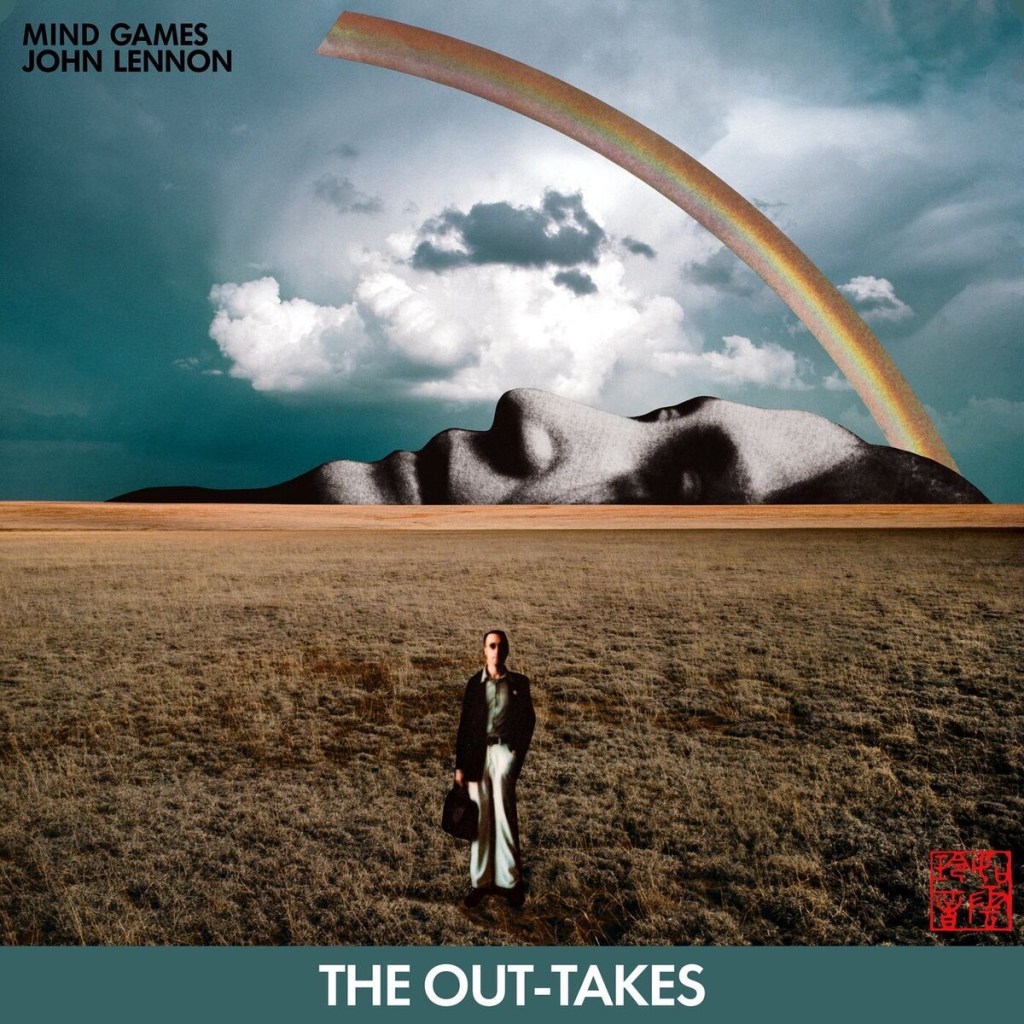
I was never a huge fan of John Lennon’s album, although I as drawn to the title track when it was released as a single in 1973. Overall, I thought, and still believe, that he was not fully tapping into his creativity. The sound was brittle and compressed, and the songs didn’t match his older songs.
Sean Lennon and Paul Hicks handled the remixing, remastering, and even reimagining of the material for different versions of the rerelease. The two-disc set includes a cleanup and tweaking of the original album for improved sound quality and better separation. The second disc are selected takes of each song, a sort of alternate Mind Games album.
The songs…
“Mind Games” [Out-Take Take 7] – Looser version, some different lyrics, less keyboard overdubs.
“Tight A$” [Out-Take Take 6] – More countrified rhythm, Davis Spinozza’s guitar swings more.
“Aisumasen (I’m Sorry)” [Out-Take, Take 2] – I like this version better, less echo, slower, bluesier performance..
“One Day (At a Time)” [Out-Take, Take 18] – No background chorus or slide guitar, Lennon’s voice is not drenched in echo.
“Bring on the Lucie (Freda Peeple)” [Out-Take Take 15] – No chorus, more basic guitar accompaniment, no steel guitar. No echo on lead vocals.
“Declaration of Nutopia” [Out-Take Take 1]
“Intuition” [Out-Take Take 12] – Multiple keyboard overdubs, the only guitar is Spinozza’s electric.
“Out the Blue” [Out-Take Take 15] – A looser, funky version. The piano is almost obnoxious. No chorus.
“Only People” [Out-Take Take 12] – Predominant clavinet keyboard. No chorus or heavy echo on Lennon’s voice. I prefer this version.
“I Know (I Know)” [Out-Take Take 22] – Stripped down arrangement. The beauty in the song comes through. Acoustic guitar, piano, bass and drums.
“You Are Here” [Out-Take Take 5] – I hated the production of the original release. This version is simpler and clearer. Lennon’s vocal is more intimate.
“Meat City” [Out-Take Take 16] – The original version is better.
Final thoughts…
Not all of these versions have Lennon’s heavy echo, although the sound has heavy compression. Predominately a keyboard album with Lennon and Ascher; Lennon plays the acoustic guitar, piano or clavinet. The core players are Gordon Edwards, Ken Ascher, Jim Keltner, David Spinozza and Lennon. The bass and drum sound reminds me of the Plastic Ono Band of 1969-1970, solid and driving beat, not fancy.
The main difference between these takes and the released versions is really Lennon’s production. He tends to bury the songs with instruments that dilute the strength of the melodies, the intimacy of his vocal, and he uses too much compression. The chorus he used on the released songs got to be cloying and annoying. Simpler is better. Spinozza is a fine guitar player, I wish Lennon had focused on expanding the use of guitar or brought a more rock and roll player.
 Ticket 2 Ride
Leave a comment