
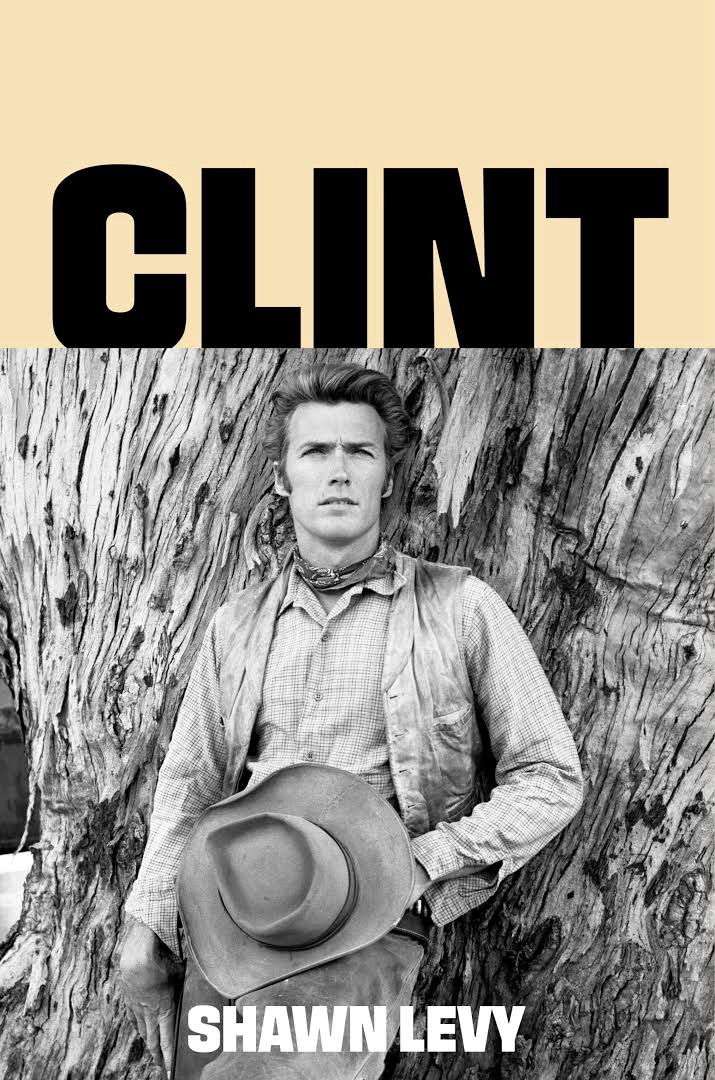
This book wasn’t on my radar, but having read others by Shawn Levy, I thought this might be an interesting read. Clint Eastwood lends himself to inquisitive readers for both his many relationships and his long, successful film career.
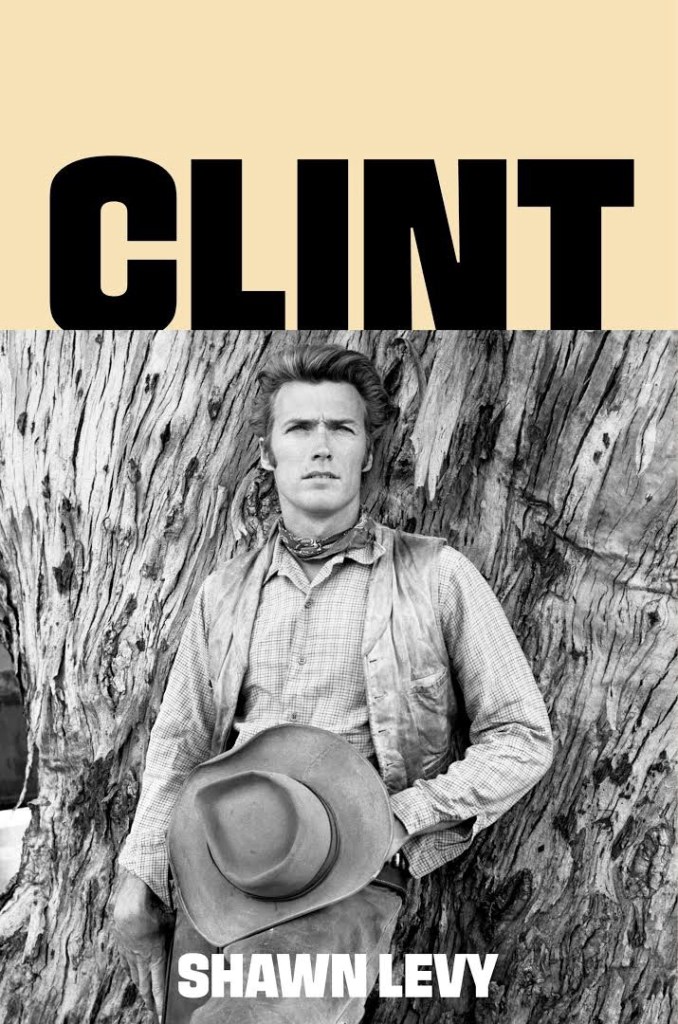
Clint: The Man and the Movies (2025, Mariner) is a lengthy read at 480-plus pages, but it moves quickly. Right up front, Levy provides several Eastwood quotes that define his nature, particularly with women. Yes, he’s a wanderer, doesn’t want to be tied down or be fenced in by female expectations, but he’s been in a few long term relationships. He always had women, lots of women, even when he was with his first wife, Maggie. An endless appetite. His first known child was born while married to Maggie, but Kimber was the daughter of another woman. He would learn later in life that he sired a daughter as a young man, who was given up for adoption.
When stardom hit, Eastwood had been a working actor for a number of years. Rawhide was a stepping stone, and much more than a job, he used the experience to learn about what happens on the other side of the camera. The Westerns he made in Europe also served their purpose beyond making him a rising international star, it fueled his intention of forming his own company and making the films he wanted – and to be in control of them.
For the fan looking for a casual read about a superstar, keep looking. Sure, every known relationship and film project is discussed, as well as Eastwood’s ventures into politics and real estate. Would I say this book is a fair assessment of Eastwood’s life? Well, the warts are more entertaining to read about, but Eastwood has many successes and accomplishments too. At nearly 500 pages, that’s more than most people want to know about anyone.
Eastwood’s film career has many peaks and valleys, but his body of work is astonishing across genres and subject matter. For a man who delivered The Rookie, Pink Cadillac and 15:17 to Paris – all clunkers for various reasons; he rebounded with the award-winning Mystic River, Unforgiven and Million Dollar Baby. Even late in his career, Eastwood has delivered quality-made and relevant films. He has mainly avoided high-concept, CGI films, for scripts that tell compelling stories, or that he finds relatable characters.
Levy isn’t afraid to inject some commentary into the book, noting how some elements of Eastwood’s films wouldn’t fair as well if released today. In High Plains Drifter, the name with no name rapes one of the town woman, perhaps just because she’s mouthy and he can get away with it. Levy points out the scene has no story purpose in the film and is in bad taste. That scene always made me cringe. Another example is with the Eastwood directed-only film, Breezy, about a much older man who develops a romantic relationship with a young girl who is supposed to be seventeen years old. It was the early 1970s and perhaps a sophisticated thing despite the age difference, that other cultures would accept. Again, a cringeworthy story element that Levy correctly calls out.
Levy doesn’t hold back when he discusses Eastwood’s philandering, how he uses and discarded women, his quick tendency to “lawyer up” or even the crazy stunt of talking to the empty chair that was supposed to represent Obama.
For all of his success, Eastwood has made numerous films that failed to connect with audiences or even earned their cost. He’s had a fifty year relationship with Warner Bros., in part because of the freedom they have afforded him and his efficient style of filmmaking. That’s changed with the merger with Discovery, which replaced executives who represented the loyalty and business-handshake between Eastwood and WB.
Clint Eastwood is the last of a breed, the last of Old Hollywood, and the last true Western icon. Should you want to tackle this thick book, there’s a lot that even knowledgeable film fans can learn.



 Ticket 2 Ride
Leave a comment