


This is the first substantive biography of The Cars. If you are looking for a compact story that skims the highlights, this is not for you. Bill Janovitz is a researcher and digs deep into the life of his subjects. The three surviving Cars were interviewed and fully cooperated with Janovitz. If you are looking for a comprehensive read about Leon Russell, I recommend Janovitz’s book. Janovitz is a member of the indie band Buffalo Tom, and has released several solo albums, so he knows his way around a song and brings street cred to his writing.
I hadn’t expected a detailed look at each song on each album, but if you’re interested, it’s a great analysis, aided by the surviving band members. What I’d realized is dense The Car’s sound was, when we thought this new sound was simpler and leaner than the dinosaurs of the rock old guard.
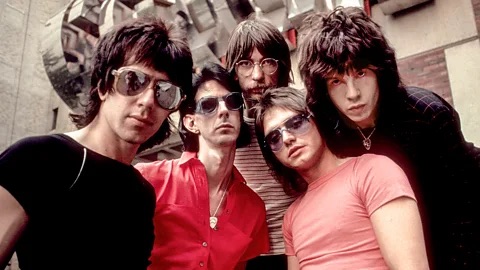
Producer Roy Thomas Baker (Queen, Foreigner, Journey, Bee-Bop Deluxe), known for huge, layered projects like Queen’s “Bohemian Rhapsody”, gives “My Best Friend’s Girl” and airy sound that includes a lot of overdubs, but they are selectively mixed into the songs in small injections. Ironically, Thomas was one of the producers mentioned in comments by punk rockers about the bloated, boring of rock that needed changing. According to Janovitz, Thomas took those comments to heart and applied that to his work. The Cars sounded both retro and futuristic at the same time. Neither Baker nor “Mutt’ Lange simplified The Cars sound.

The story of the making of Heartbreak City is heartbreaking. It’s a great album, but the band seemed to hate the experience and working with “Mutt” Lange. It’s described as excruciating, and pieced-together like a puzzle, built from snippets of processed sounds. Despite the cold, impersonal assembly process, the album does have a warmed beneath the sheen and techno-polish.
The Cars were Ric Ocasek’s band, more so after the band switched to Elliot Roberts (Neil Young, Joni Mitchell, Tom Petty) as their manager. Roberts knew who mattered, same as Tom Petty to the Heartbreaks, only The Cars had five equal partners, whereas Petty was clearly the boss. The story Janovitz tells of The Cars search for a new manager sealed their fate, only they didn’t realize it at the time. Roberts would focus solely on Ocasek, same as Irving Azoff did with Henley and Frey of the Eagles, and Shep Gordon did with Alice Cooper. What’s different is that each member of The Cars had an equal vote, but the thing is, only Ric Ocasek knew it, and benefited from the relationship. Roberts ignored the careers and interests of the other band members, that’s crystal clear. He’s not alive to defend himself, but Janovitz paints a compelling picture.

The book does not paint Ocasek in a very positive light. Yes, he wrote all the songs – he insisted on it – and determined when the band recorded, who sang what, and when they toured. He instructed Roberts to direct press inquiries to him, and met with the attorney and business manager, not the band. While Ocasek grew wealthy, from his publishing and solo career, other band members found life after the band’s breakup in the late 1980s, to scrounge for income. For example, guitarist Easton says he made more money performing with the Creedence Clearwater Revisited, playing CCR tunes. Drummer David Robinson opened a cafe and did carpentry work. Bassist Ben Orr played corporate events until his untimely death.
This a very informative read, even knowledgeable fans will learn many new facts. It’s also a sad read. What is sad? The band broke up, but it was not functioning as a band for years prior to that. Ric Ocasek had many issues and the book goes into many of them. I feel bad for the other four band members who didn’t get either the credit, respect or earned compensation for what they contributed to The Cars’ success. The Cars’ music was unique, brought joy to millions and is the soundtrack to many lives – yet their story contains disappointments and missed opportunities. You’ll learn more than you want to know.

 Ticket 2 Ride
Leave a comment