
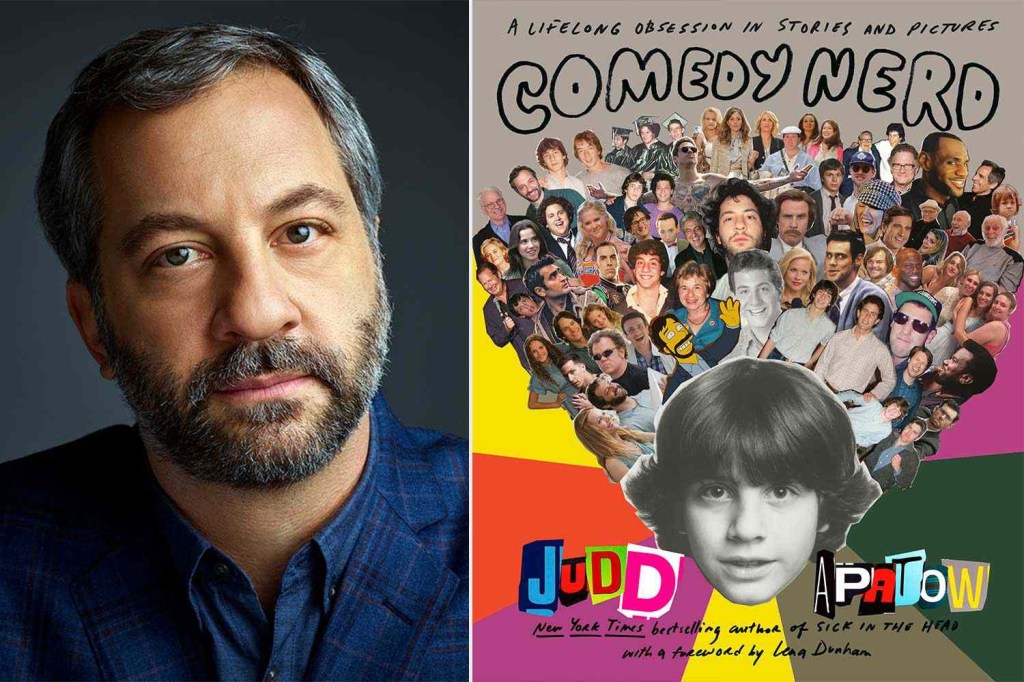
Judd Apatow. The name is familiar, yet hard to place. It seems that he’s attached to a lot of film and television projects, and I know he’s worked with Will Farrell or was it Adam Sandler, wait, it was Paul Rudd. Actually, it is all three. And many more. Oh, that Judd Apatow!
His production company, Apatow Productions, has produced dozens of television programs, feature films and documentaries. Apatow is into everything, as you will learn from this book.
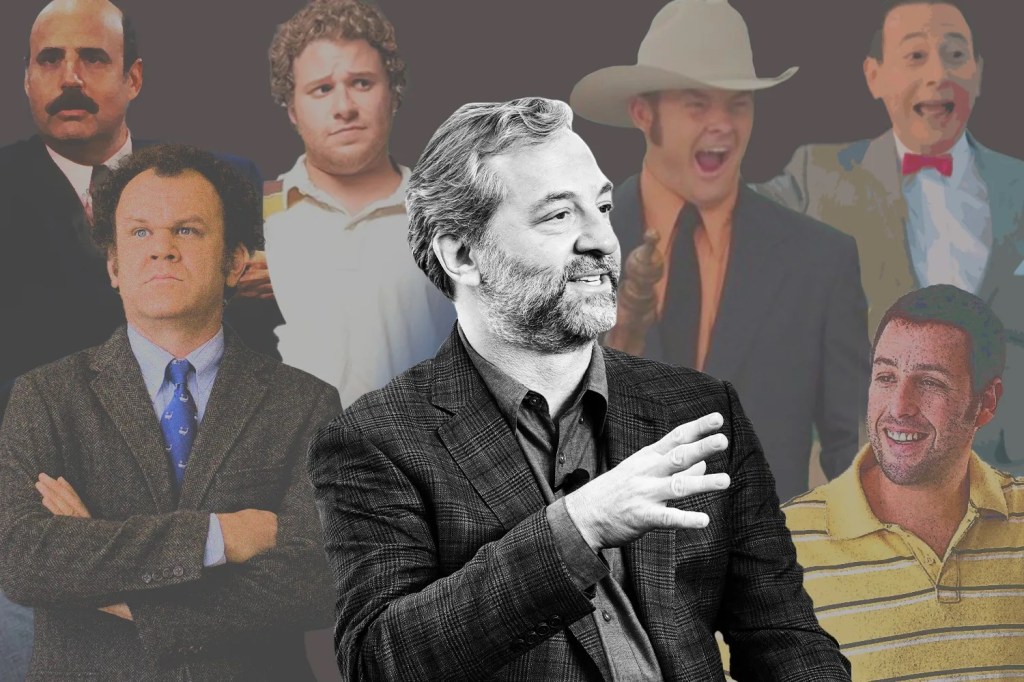
A curious kid with a nose for humor, it’s only right that the kid would become friends with other comedy wannabes, and become one of the most successful writer/director/producers in L.A. His journey is a great read.
He has a funny story of asking Steve Martin for an autograph while Martin is washing his car. Martin tells the 10-year old Apatow that he can’t, it would lead to other people coming to his house. Apatow sends Martin an angry letter threatening to send his address to a fan site that will make Martin’s home a popular destination for tour buses. Martin sends Apatow an autographed book with a sarcastic inscription. Today, they are friends and laugh about the story. That story seems to illustrate how Apatow blows past yield signs and pursues what he desires.
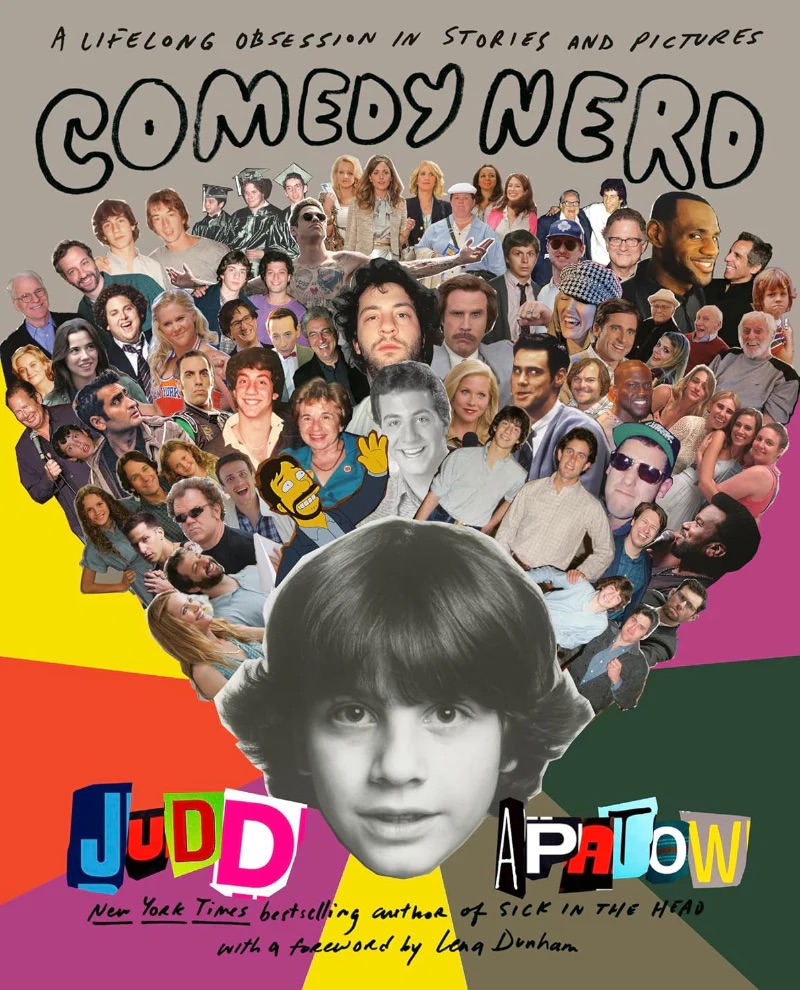
Apatow was a huge collector, and his book is filled with autographs, photos, letters, script pages, reviews and other mementos from his life and career. Judd Apatow: Comedy Nerd (2025, Random House) is subtitled: A lifelong obsession in stories and pictures. Presented as a visual memoir of his show business journey, and what has become a tremendously successful writing, directing and producing career.
The book selects many of his films and television shows, with Apatow providing a page or two of stories or interesting facts about the project, photos, production notes, reviews and comments from others. There’s no particular format, just entertaining information about why and how that project was made, and a few odd facts about it. It’s not all films and TV shows, Apatow riffs on his early life, he seemed destined to be in entertainment and to use that sharp wit that he displayed with Steve Martin.
Apatow started in standup comedy and gravitated to writing jokes for others, including material for hosts of Grammy Award show, and several Tom Arnold television specials. Soon, he was a writer/producer for the legendary Ben Stiller Show, The Larry Sanders Show, and Freaks and Geeks. A few film writing gigs came along, and then the breakout film, The 40 Year Old Virgin. The success of that film led to Knocked Up, Walk Hard: The Dewey Cox Story, The Anchorman, Don’t Mess With the Zohan, Pineapple Express, Funny People, This is 40, Love (TV series), Talladega Nights, Knocked Up, Superbad, Forgetting Sarah Marshall, Drillbit Taylor, Stepbrothers, Year One, Get Him to the Greek, Bridesmaids, Wunderlust, Five Year Engagement, Begin Again, Trainwreck and others.
After cutting his teeth in the comedy trenches in the 1990s, Apatow was the go-to comedy guy of the 2000s. If you look at the credits of each film, Apatow’s name is either writer, director, executive producer or producer. Many films have him listed more than once, but he will always says that film and television are collaborative arts. Apatow has worked with a wide circle of friends including actors Adam Sandler, Seth Rogen, Will Ferrell, Jack Black, Jason Segel, Paul Rudd, Steve Carell, Kristen Wiig, Leslie Mann, Jonah Hill, Bill Hader, John C. Reilly and Amy Schumer. Through his company, Apatow functions more often as a producer, helping find money, working on scripts, hiring talent and getting through the studio executive tangles. It’s no wonder that he’s pitched ideas constantly, and while having him name attached is helpful, studios still turn down his projects. That’s where finding the money becomes a crucial component of his work.
Comedy Nerd is also inclusive of what’s important to Apatow outside of his IMDb.com listings. Philanthropy, mentors and giving back to his art, all are subjects that matter. The book is more than 500 pages and it’s heavy to carry. I wondered it that amount of reading would hurt my brain, but I survived and enjoyed the humorous journey through Apatow’s career and life.
Flipside documentary
A book from someone as successful as Judd Apatow can feel like a big “hey, look at my big career” exercise. That’s not how I embraced the book. Many of his projects are labors of love and break-even or money losing projects. Which brings me to the documentary Flipside (2023), a film Apatow executive produced, seemingly about an effort to save and transform a used record store in New Jersey. The film turned out to be so much more. Written and directed by Chris Wilcha, who worked at this once bustling record store as a teenager and discovers it’s fallen on hard times.

Flipside is about Wilcha’s own journey from serious documentary filmmaker to director of television commercials. Along this journey, Wilcha started and abandoned numerous film documentary projects, including his idea to rejuvenate the record store. Among his abandoned documentaries projects is a film Apatow commissioned him to make about writer/producer David Milch (NYPD Blues, Deadwood), a mentor to Apatow, who is now battling Alzheimer’s disease and resides at an assisted living facility.
Flipside started out as one thing, but morphed into a series of vignettes about people who found and buried into their niche in life, rather than doing something else. The people featured in Flipside are an array of characters that imparted something to Wilcha along the way.
“Early on, I didn’t think that an entire film could be made out of the record store…Can we combine these things, can we have characters recur, can we weave this together in a way into a weird essay?” Wilcha told IDA.
Wilcha, needing to pay his bills and support his young family, became a very successful director of commercials, but always felt like he missed his calling – documentary film.
“Yes. I mean, the whole thing about this film is there are so many contradictory things that you have to hold in balance to be an adult,” Wilcha told Variety.
Like the subjects in Flipside, Wlicha made decisions as an adult that moved him further away from his dream. Others followed their dreams, sometimes it brought them money and fame, sometimes it was a long-delayed sense of accomplishment, other times the reward is more ambiguous.
After viewing this documentary, my wife said there is a lot to unpack from this film. I totally agree; I’m still thinking about it weeks later. Isn’t that what art should do?



 Ticket 2 Ride
Leave a comment