
“It’s very likely that my social conscience sharpened further in that acutely anti-conformist, smoke-filled corner of London, enlisted, as I was, into the acoustic movement that grew out of that beatnik-ridden basement. Songs-modern and traditional-of protest and rebellion against injustice and the dirty business of war fired our desire to create a new world in which we could all meet and live peacefully together. My art as a lyricist began to mature in this highly critical environment. Words needed to mean something.”
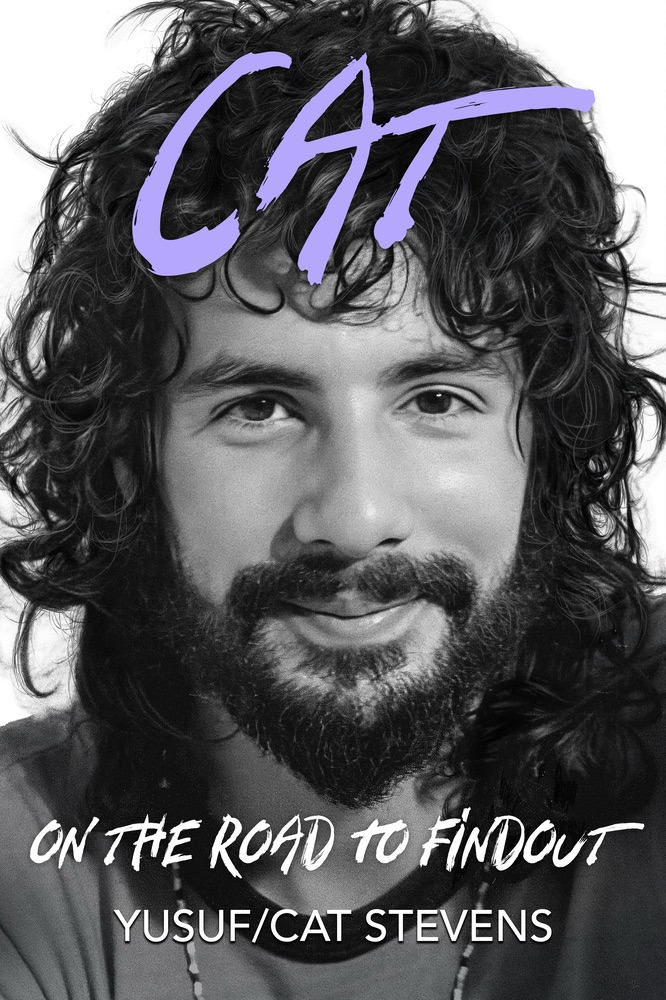
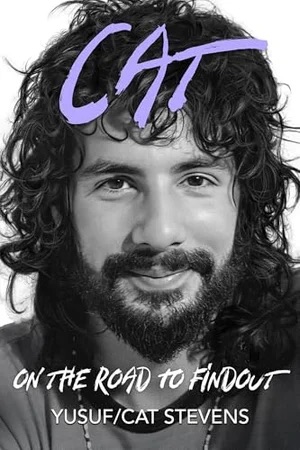
Singer/songwriter Cat Stevens, later became Yusuf Islam, leaving behind his Western life to adopt the Muslin faith and give his life to God. His, is quite the story, he shares it in his new memoir, Cat On The Road To Findout (2025, Genesis House).
My wife asked if I learned anything from the 534 page read. Absolutely. Cat Stevens/Yusuf Islam is a complex individual, and the reader realizes this early in his story.
Cat Stevens wasn’t even his real name; he was born Steven Demetre Georgiou, but knew he needed a simpler stage name. Whatever name he is known by, he’s a man who has lived many lives.
“It is humbling to learn how much my songs mean to many of my musical followers. At one time art and music were all I had to present, but that was before I was given a book that helped me change from within and experience that inner peace I sang about…No matter what separates us in belief, philosophy or even musical taste, these differences need not lead to wars. Diversity does not have to obstruct harmonious coexistence.”
In his early life, he was raised by Christian parents, explored Buddhism and Judaism, and found his true connection with God in Islam. Many have converted to Islam, but Cat Stevens is one of most high profile converts. That, would cause him significant issues in the UK, Israel and the U.S. as he outlines in the book, particularly being refused entry to Israel and at times, the U.S., creating travel problems for himself and his family.
Each time there was a major event where Muslims were tied to terror attacks or the death threats, and then violent attack on author Salman Rushdie, Yusuf was asked to defend his religion or mistakenly labeled as a radical sympathizer. That’s the kind of tag that puts you on the “no fly list”, detained by security at airports or face hateful treatment in public.
That’s ironic because Yusuf has been presented with numerous peace awards and bestowed honorary degrees in humanities. The man who wrote “Peace Train” really is about peace.
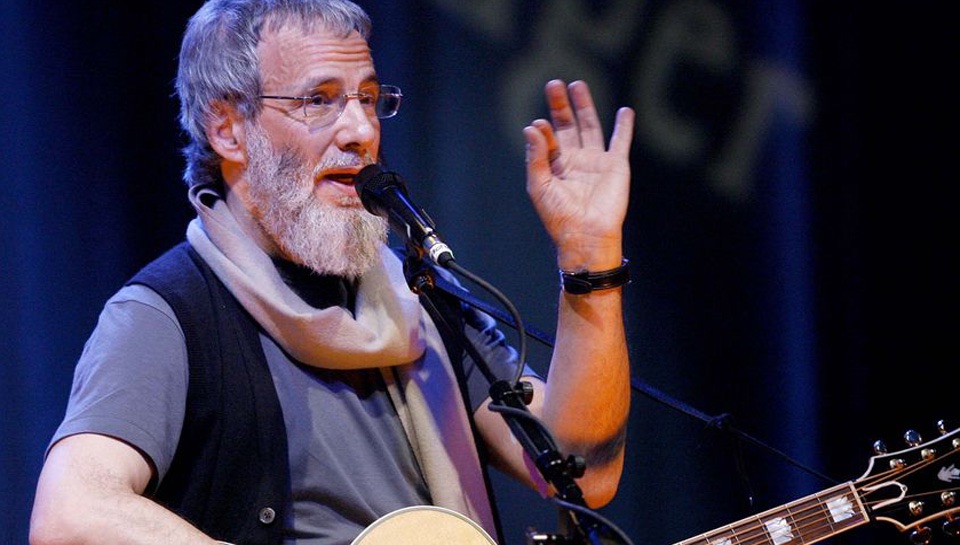
He created the Muslim Aid program delivering relief aid to war victims throughout the world, started two schools for Muslim students in London, they met the government requirements to qualify for public funding same as other faith-based schools, one of which was visited by the Prince and Princess of Wales.
“As Cat Stevens, more so as Yusuf Islam, I had a significant role to fulfill. I was uniquely positioned to become a glass portal through which the West could see Islam, and Muslims could see the West.”
That’s what he wanted, and often was able to accomplish it by activism, charitable and philanthropic activities, appearing at high profile peace events, and eventually a return to music.
Cat Stevens left his music career in 1978 because that world conflicted with his need for a different life, being a pop star no longer fulfilled him. He auction his musical instruments and gold records. God had saved his life from near drowning in the Pacific Ocean, and he honored his promise to give his life to God. It look him a while to figure out how best to do that, but the music he was making no longer filled his cup.
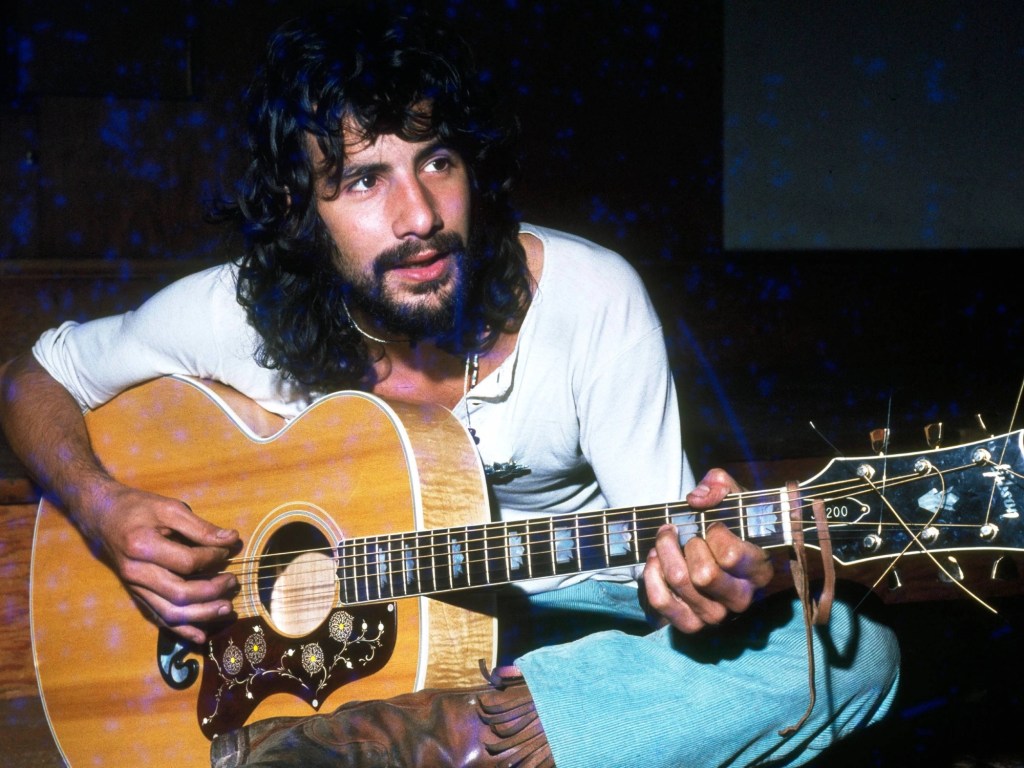
The first half of the book is his life and career up till he converted to Islam; the second half was living as Yusuf Islam. He mixes a lot of his philosophy and beliefs from the Quran into his story. For some, these sections may be less interesting or somewhat repetitive in the story. Yusuf is a thoughtful man, what he shares is quite interesting to me, and I understand why we provide a lengthy perspective to the friction of these two different worlds.
The second half overshadows his success as a pop star, but that’s the part of his life that we know, and it’s quite interesting. Cat Stevens went through several phases in his career. First, his record company tried to make him a traditional English pop star with lush, orchestral backing. Then he broke away from that and had his biggest hits like “Father & Son”, “Peace Train” and “Wild World.” The third phases happened after he heard Stevie Wonder’s latest album and felt his own music was uninspiring by comparison, so he composed complex suites, moved to keyboard and electronic sounds and more challenging soundscapes. He tried to write concept albums with scripts, which did not come to fruition, but fed the hunger for more meaning in his life.
Cat Stevens/Yusuf has traveled an incredible road all over the world, through deep religious study and practice, and his evolution to find and understand truth. I certainly recommend this book, although many will just focus on the first half, and maybe tempted by the rest.




 Ticket 2 Ride
Leave a comment