

These are albums that aren’t mentioned with other popular albums by an artist. Why? A change in musical focus, lack of hit singles, change in lineup, nonsupport from label, changing taste of consumers or other related or unrelated reason.
In my wind, these are quality albums that didn’t have the pizzazz or radio play consistency of other catalog albums. One thing these albums share is a variety of musical styles, a lack of a unified musical sound. While there are some very strong songs, there are more of the deeper cuts that take longer to embrace and therefore are missed by those wanting instant connection with songs.
Indelibly Stamped (1970), Supertramp
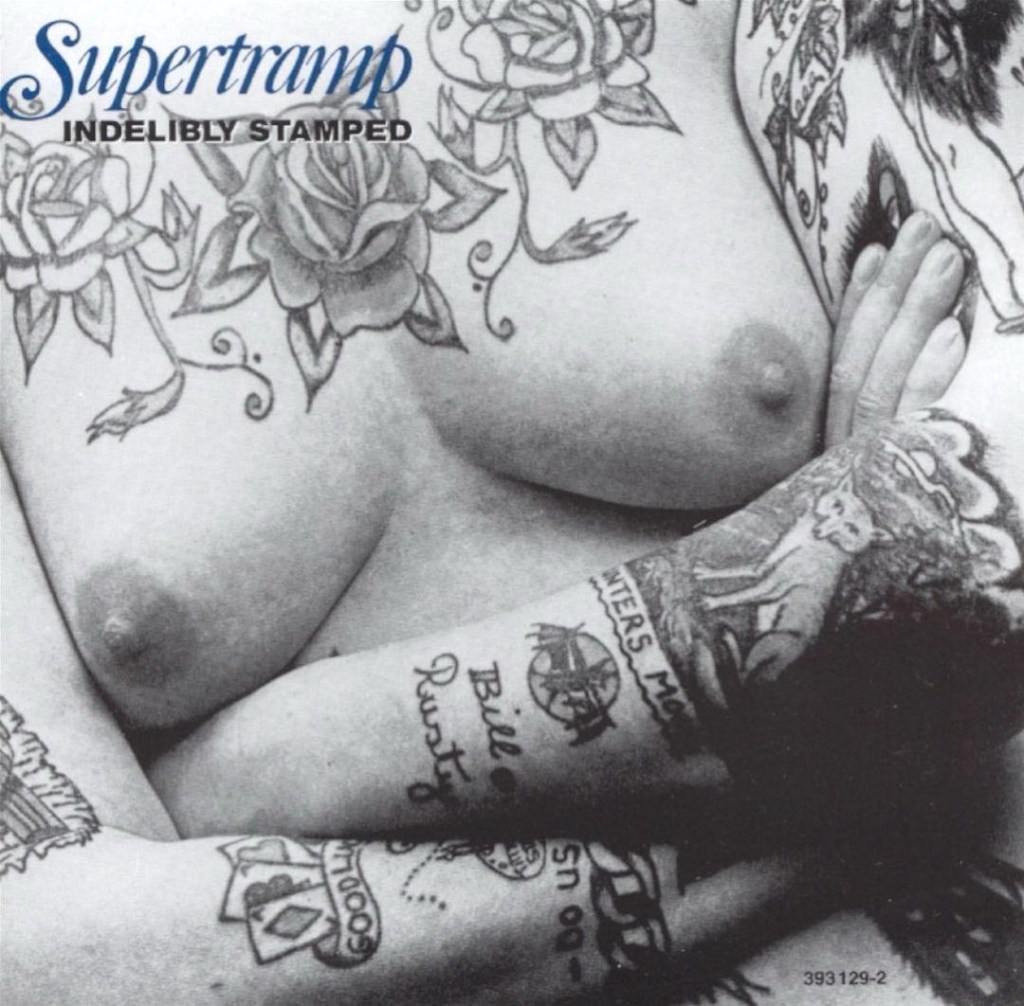
Supertramp’s second album, the one before Crime of the Century. The band was still working on developing their sound and on this album it was starting to come together. This album has songs of diverse styles, which is one thing I find inviting. It’s not a great album, but it has some very “Supertramp-like” songs in style and sound. While there is a world of difference between Indelibly Stamped and Crime of the Century, the seeds of what would quickly become a highly original sound were evident.
The first side of the album is very strong, the songs have the creative spark that we expect with Supertramp. Side two is a bit more hit and miss, but nothing is terrible.
“Rosie Had Everything Planned”, “Your Poppa Don’t Mind”, “Travelled”, “Remember” and “Forever” are on side one.
Rick Davies and Roger Hodgson were aboard, but the lineup was still changing. On the next album, Crime of the Century (1974), drummer Bob Siebenberg, saxophone and clarinet player and vocalist John Helliwell, bassist Dougie Thomson would be aboard.
Rhymes & Reasons (1972) Carole King
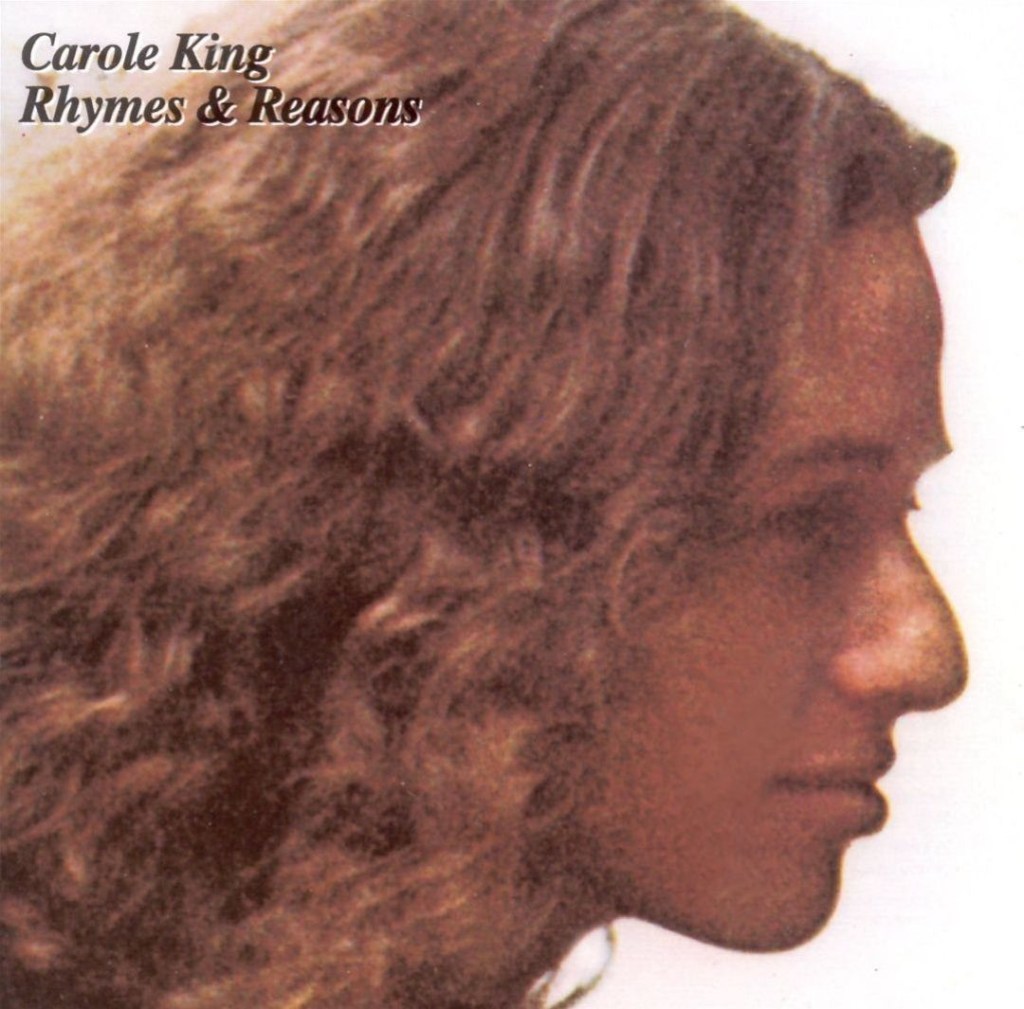
Carole King was busy in the early 1970s. In less than three years she released three albums of original material: Tapestry (1971), Music (1971) and Rhymes & Reasons (1972). Again produced by Lou Adler, she gathered some familiar musicians from past albums like James Taylor, Danny Kortchmar, Russ Kunkel, Bobbye Hall and her husband at the time, Charles Larkey. She augmented that group with many other talented musicians, although Alder kept the sound from swallowing King’s plaintive and intimate songs.
Although similar to Tapestry, the songs are much sadder and downbeat. That might be why the album was harder to embrace by critics and radio. I believe the songs here are close to the quality of Tapestry, obviously the public didn’t agree, but musically, they burst with hooks, great melodies and heartfelt emotion.
My favorite tracks include “Come Down Easy”, “Feeling Sad Tonight”, “Goodbye Don’t Mean I’m Gone” and “Been to Canaan.”
Hat Trick (1973), America’s third album, and a sales disappointment.
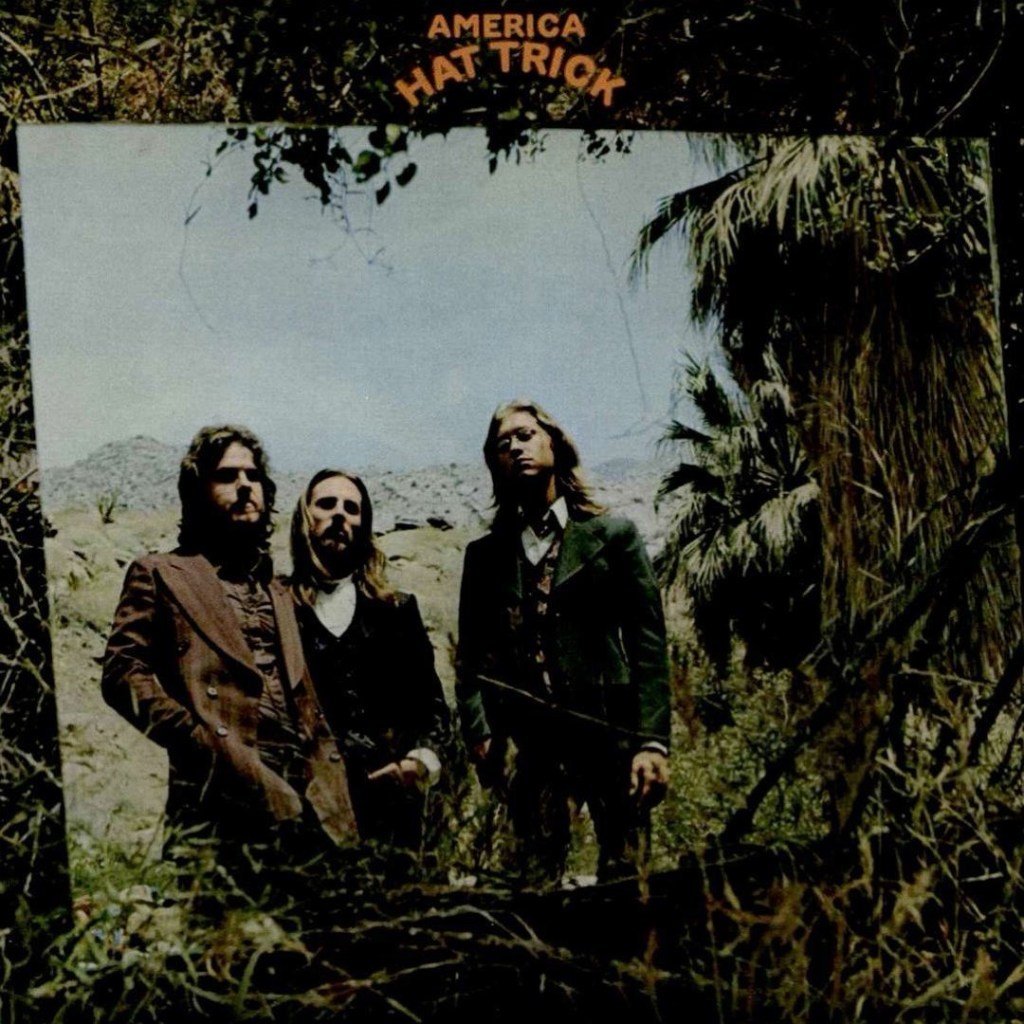
The previous two albums were platinum, Hat Trick failed to reach gold status and could often be found in the cutout bin for a dollar or two. “Muskrat Love” was the most played song on the album, which should tell you something. The album was self-produced by the band, which would be the last they would record without at least a co-producer.
Everything hints at this album being a stiff, even the cover photo looks amateurish, but covers can be misleading.
“Submarine Ladies”, “Green Monkey”, “Wind Wave”, “Rainbow Song”, “Willow Tree Lullaby” and “Goodbye” are melodic and soulful, full of harmonies and plenty of guitars. Aside from “Muskrat”, there is nothing sentimental or weepy, just good SoCal rock.
Head Over Heels (1975), Poco
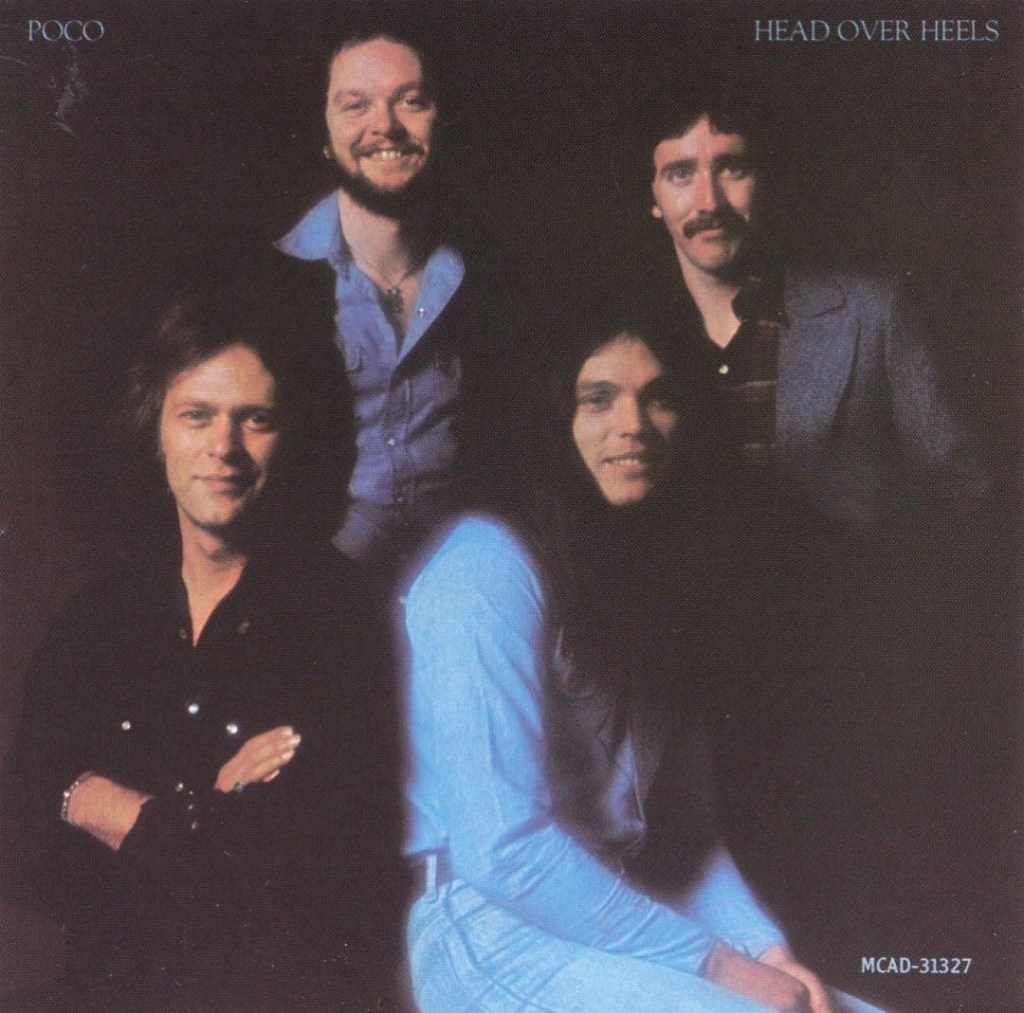
Poco’s eight album, first for ABC Records. By this time, Poco was significantly reducing the country part of their sound, turning up the soft rock in an attempt to grow their audience. The songwriting was split almost equally between Rusty Young, Paul Cotton and Timothy B. Schmit. This was the first album that Young took a lead vocal and he has a very fine voice.
The reviews for this album were mixed and no real growth in sales. Poco, of which I’m a longtime fan, had a diverse audience, particularly a hardcore group of country fans, but as the Eagles discovered, the airplay and sales were in a stronger rock audience. Poco moved that direction, yet wanted to keep their core audience. A tough feat.
Most of the songs here are solid and quite melodic. The harmonies are tight and there’s plenty of steel for the country fans. The full transition to pop-rock wouldn’t occur until Legend (1978), but after that they let the country influence drift back in.
Interesting, on Head Over Heels, a Fagen-Becker penned song, “Dallas” appears. It’s a very good song. A nice addition to Cotton’s “Let Me Turn Back to You”, “Down in the Quarter” and “Georgia, Bind My Ties”; and Schmit’s “Keep On Tryin’” and “Flyin’ Solo”.
Stampede (1975), The Doobie Brothers’ fifth album.
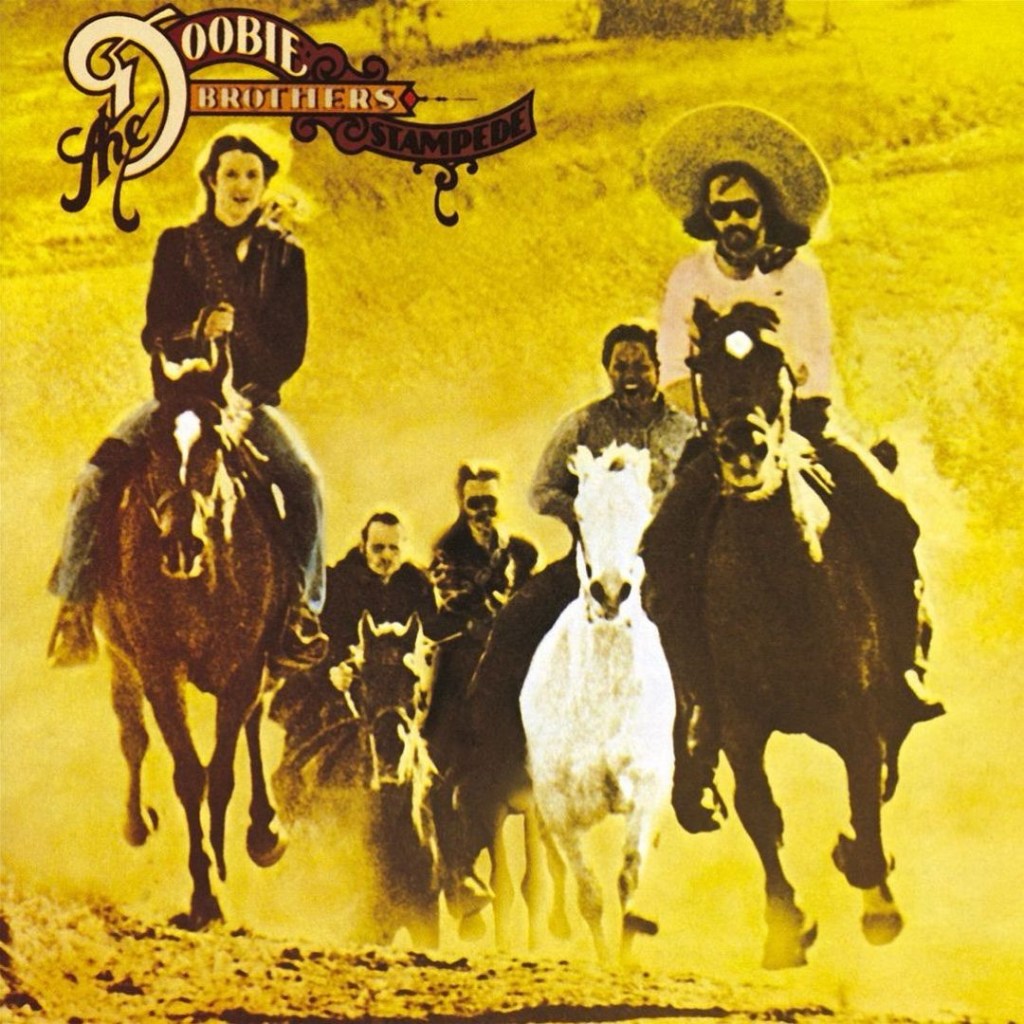
Changes were happening. This was founder/guitarist Tom Johnston’s last full album until the reformation in 1989. Jeff “Skunk” Baxter, who had guested previously, came from Steely Dan to join the group as a third guitar.
The album had no huge singles, although there are a number of outstanding songs. None charted higher than 50. “Music Man”, “I Cheat the Hangman”, the “Take Me in Your Arms (Rock Me a Little While)” cover, “Sweet Maxine” and “Neal’s Fandango.”
The album reached number four on the Billboard chart, based on the strength of the band’s past performance. Still, no one really talks about this album.




 Ticket 2 Ride
Leave a reply to greenpete58 Cancel reply