
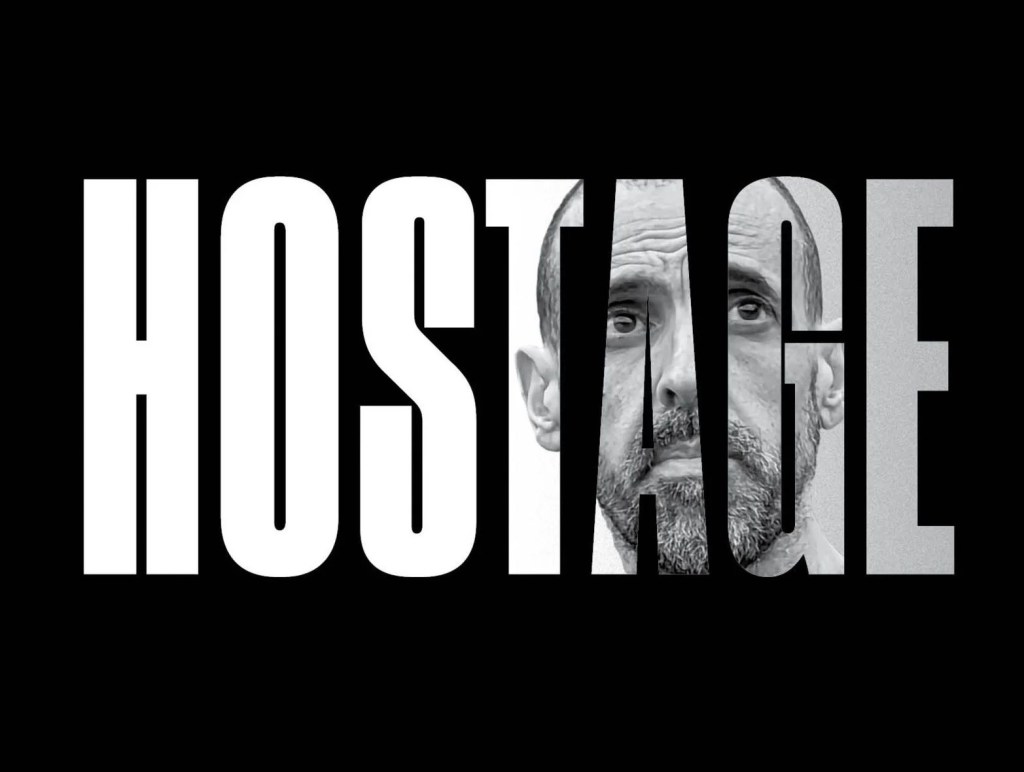
Survival. That’s the mission.
We have honed our survival skills, and we use them at map out the various characters of our tunnel. We work out who’s softer, who’s tougher. Whom to ask for food, whom not to approach for anything…Like hungry street cats, we keep watch on them, from our cell.
Eli Sharabi was one of the 250 Israelis, kidnapped by Hamas, on 7 October, 2023. Hostage tells Sharabi’s story of his 491 days in captivity, most of it underground, with chains on his ankles, starved and often beaten. He was psychologically tortured and subjected to regular efforts by his captors to keep Sharabi and other prisoner disconnected from reality. He was moved several times to different locations, but spent most of those 491 days underground. He went months at a time without seeing the sun.
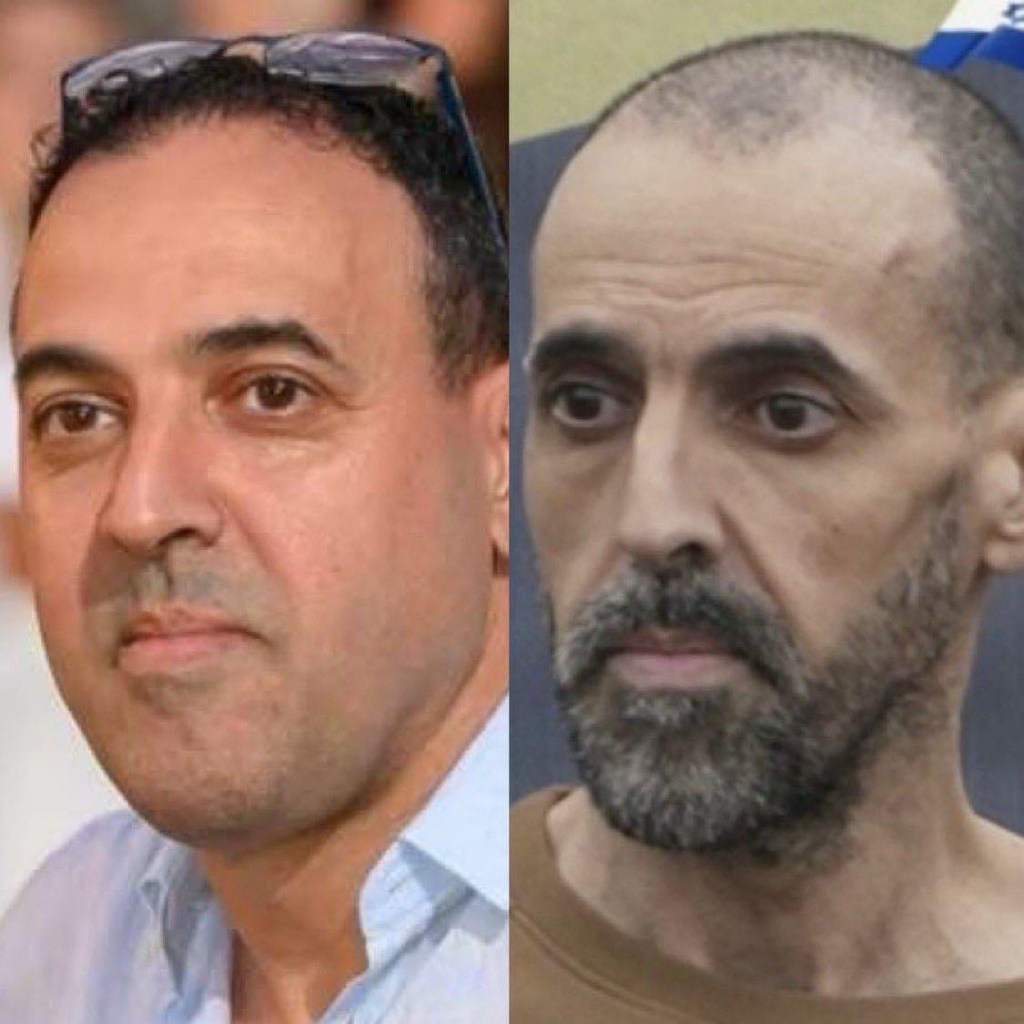
Estimates of between 1,500 to 6,000 Hamas and other military groups swooped into the kibbutz where Sharabi and his family lived. Dozens of homes was blown up or set on fire. Sharabi was separated from his British wife and two daughters, and taken to Gaza. More than 1,200 people were killed, primarily Israeli civilians and security forces, including attendees at the Nova music festival, and residents of several kibbutzim. Sharabi was one of 250 Israelis taken prisoner.
This is not the story of the attacks or the ensuing war on Gaza. Eli Sharabi writes an incredible story of his 491 days in mainly darkness, fear, starvation and cruelty. This a man who existed, held tightly to his sanity, helped his fellow prisoners to survive, and refused to give up. I’m not as all sure I could have endured and come out the other side as he did. Not all prisoners made it out alive.
Initially, Sharabi described captivity as much kinder than it later became, as the prisoners found themselves held by more hardened captors, and the living conditions substantially less livable. “Eventually, the mutual suspicion and distance between us narrows, and I find myself growing closer to my captors and the family holding me in their house. We begin to form bonds of trust and even start to feel close. These sorts of connections are almost inevitable.”
He quickly added, “This isn’t Stockholm Syndrome. I don’t identify with them. I don’t pity them. I’m not confused about who they are or what they really want. And as I said, if I thought that snatching their guns and killing them would get me home, I’d do it in a heart-beat.”
Sharabi and his fellow prisoners formed their own tight bond. “It’s OK to be homesick. It’s OK to be sad,” I tell him, “But self-pity, Or, that’s the kind of thing that could break us. It could distract us from our mission. And our mission is to survive.”
There are stories of courage in the face on onslaught. Dozens of young people huddled in fear inside a crowded, enclosed rocket shelter. The terrorists arrived and started throwing grenades inside. “A young man named Aner Shapira, who stood at the entrance, took command, ordered everyone to lie down, caught the grenades as they flew in, and chucked them back out. Over and over again. Seven times. He told them that if anything happened to him, someone else had to keep going.” He was killed when one of the grenades exploded.
Sharabi would figure out that while the captors would starve and abuse them, the Israeli prisoners were valuable. “Their job is to keep us alive, for as long as possible. That’s clear to us. And to them.” Bargaining chips and to use them for propaganda, which they would carefully orchestrate when the prisoners were handed over to the Red Cross.
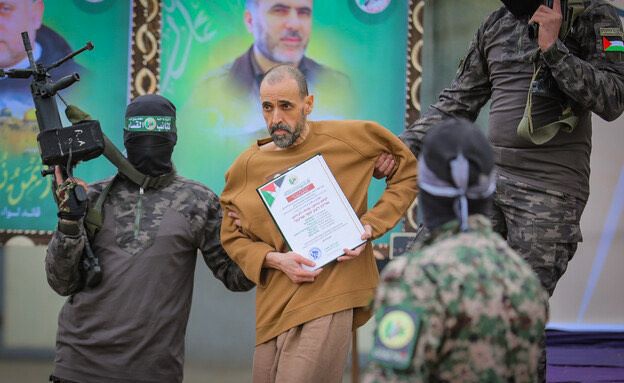
Staying alive, surviving, and keeping sane involved recognizing the good, in the horrible, “something that we stick to, cling to, cleave to.”
I am purposely leaving out many details, out of respect, and not to tell his story any more than I have done. This is truly a story with many victims, in a part of the world that continues to experience cultural, ethnic, political and historic disagreements.
I wish for peace. Maybe that’s naive. The divisions between people are centuries old, and that just makes the hate more incendiary, and harder to extinguish. The military targeting of civilians, whatever the conflict, is wrong.



 Ticket 2 Ride
Leave a comment