
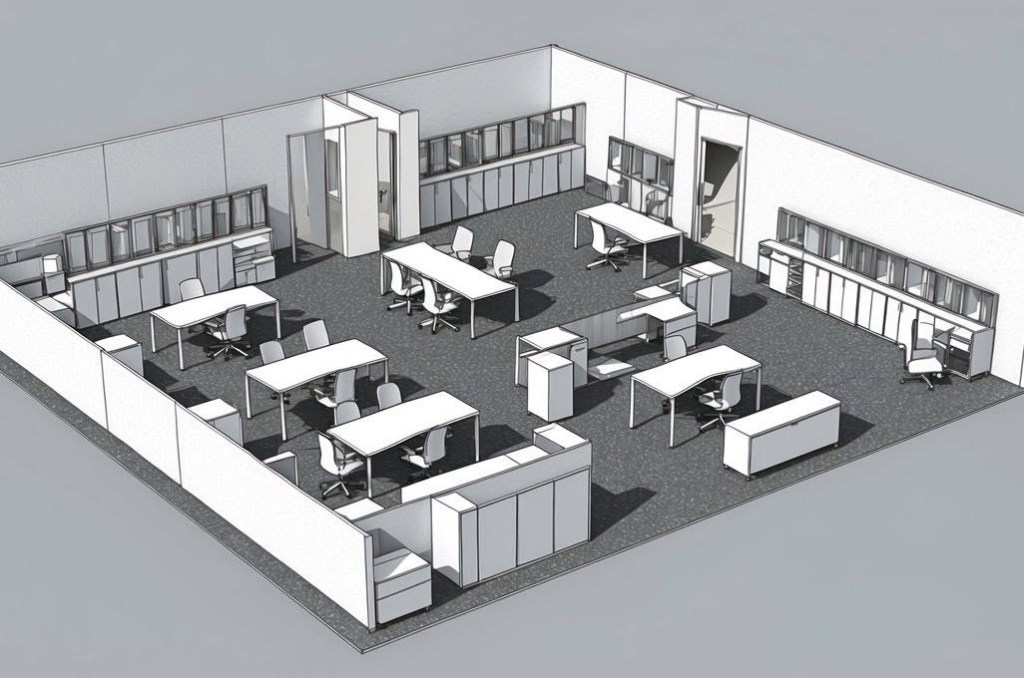
It’s been a few years since I worked in an office environment. I do not miss it, in part, because of the dynamics of office space design and philosophy. The “science“ of how workers are organized, allotted and furnished work area, and rewarded with space – is what I miss least about working. Maybe “science” is a bit much, perhaps there’s an art, or there’s an algorithm (we love algorithms) to computing office design.
Remember Office Space, the film about the dynamics of the office work environment? The film was as much truth as a silly, offbeat, but spot-on comedy. Space is more than function, it’s territorial, and it’s a way of comparing levels of importance, value and longevity. Space represents power and hierarchy. Managers like to say that space layout is about efficiency and collaboration. True, to an extent, but it’s also about control and oversight. And punishment. Poor Milton, exiled to the basement, was more perceptive than he looked.
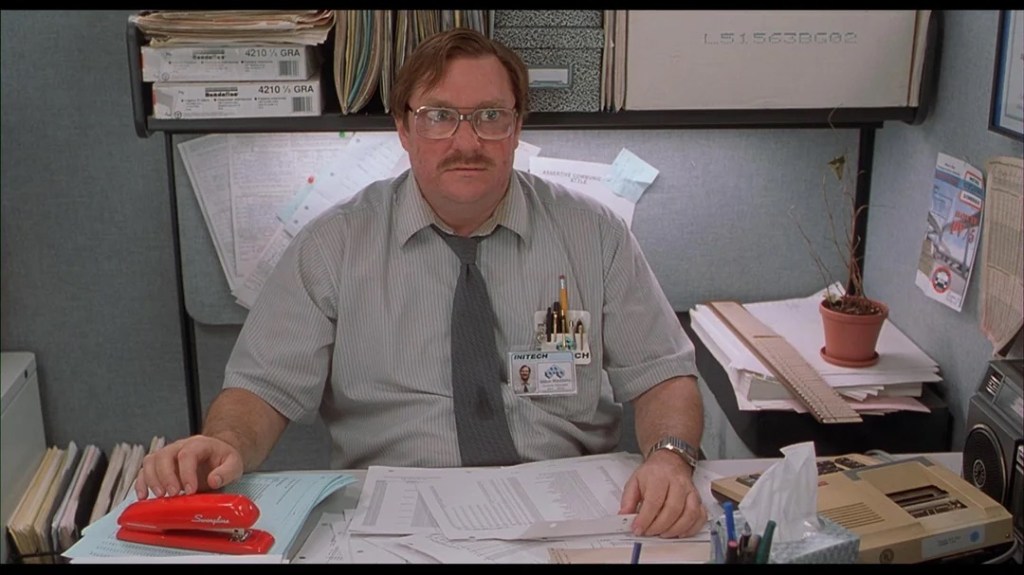
Want to anger or demoralize an employee, mess with their work environment or their parking. The Malek Manual, was authored by Fred “the hatchet” Malek who worked in the Nixon Administration. This federal government political personnel playbook contained strategies for circumventing civil service policies in isolating and terminating, “employee-victims”, as a means of forcing out employees and skirting legal employment protections. Milton would fit the bill of employee-victim.
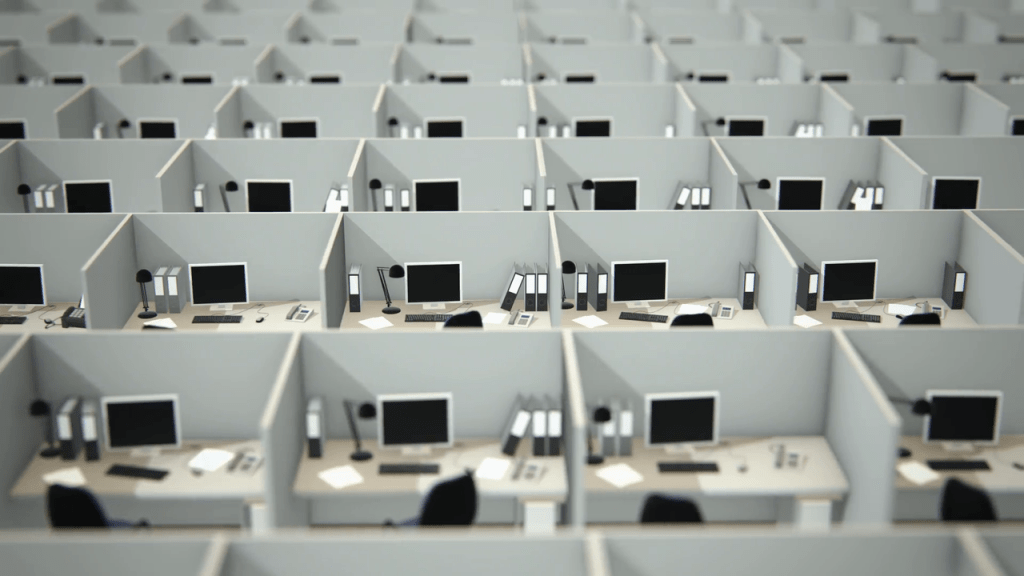
The maze of connected cubicle units filling the large open spaces makes me wake up in a cold sweat. In my last job, I used to have responsibility for work space allocation and managing internal remodel projects. Employees study the plans, compare allocations and openly debate decisions of remodels.
COVID changed the office environment and introduced the concept of working remotely. Organizations that never allowed it, were in some cases, now requiring it. It’s amazing how quickly people adapted to it – setting up a computer in their dining room or spare bedroom, online meetings, taking client calls with a cat on your lap or dog at your feet. How crazy is that?
My wife, before we started dating, taught elementary school remotely for a year. It’s unbelievable to imagine teaching kids over the computer. It worked, but of course there are studies that say it came with learning and development costs. Remote teaching wasn’t totally new territory, but doing it with elementary school classes with a short time to transition, that’s pretty incredible.
Back to the office.
BambooHR posted a survey conducted by Method Research with some startling results. Their report revealed that 82% of Fortune 500 companies currently offer some degree of flexible working, and over half of workers (52%) prefer remote work.
Other interesting data:
- 39% of executives would rather go through a breakup than return to the office full-time.
- 45% of HR executives would take a pay cut to stay remote.
- Of Fortune 100 firms, 45% now require either 4 or 5 days in office, meaning nearly half of Fortune 100 workers are in the office almost daily.
- 67% of companies under 500 employees are Fully Flexible, covering half the US workforce.
- Fully Flexible companies grew revenues 1.7x faster than mandate-driven firms from 2019–2024.
- Two-thirds of U.S. firms (66%) continue offering location flexibility. Only one-third (34%) require full-time office presence.
There are job seeker websites geared towards working remotely and traditional job websites have search features for remote opportunities. Remote working is a thing now. You cannot put the toothpaste back in the tube. Or can you? While many job seekers like the remote flexibility, it seems that a considerable number of employers are clawing back the office presence requirement. If you are highly desirable, and use technology to accomplish company goals, you’re in a strong bargaining position for working remotely. COVID changed the thinking about the traditional work environment, that’s for sure. Office space is expensive. Do we need as much space as we used to?
I had never heard of kissflow.com before, but they have an interesting mission for helping businesses find simpler solutions in a highly complex world. Here is what they’ve learned about remote working:
- Better work-life balance
- More freedom
- Improved employee experience
- Decreased business and infrastructure costs
- Increase in productivity
While many employers have stuck with some version of remote work for employees, other companies have doubled-down on working in the office full time. Forbes discussed the topic in their February 2025 issue. Some of the arguments are:
- Strengthens team bonding through shared experiences.
- Allows managers to provide real-time feedback.
- Maximizes ROI on existing real estate investments.
- Makes it easier for teams to engage in rapid iteration and real-time feedback.
- Strengthens interpersonal relationships, which can improve teamwork.
- It creates clearer delineation between leadership and employees.
- Helps younger or newer employees acclimate faster.
- Help rebuild engagement for employees who may feel isolated.
- Restores a sense of normalcy for leaders who believe traditional office environments are best.
I believe that companies want employees onsite because it is about managerial control – shorten the distance between the manager and the employee, closer to the flag pole, as some say. Read that how you will. The office environment also better ensures the culture of the organization is being lived.
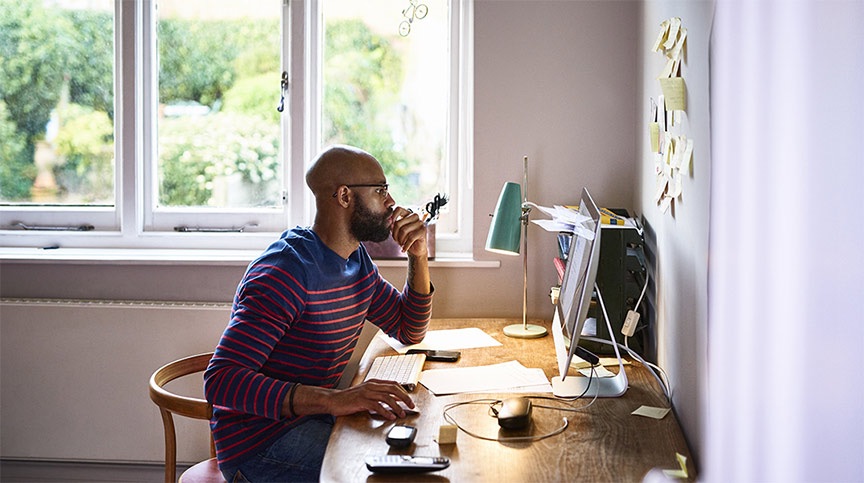
The work environment has changed, COVID or not. Younger employees have different work preferences than my generation. Not all work is remote possible, but a lot of it is. Office space is costly to maintain, so it’s to the organization’s benefit to reduce the physical footprint. By doing that, an option is fewer enclosed offices and more office pods and shared space for collaboration. I am not a fan of the open office concept, but it’s a growing trend. Younger employees seem to have less issue with the openness than my generation (Sorry, I’m speaking for an entire generation). Again, it depends on the nature of the work.
I bought a car recently and the dealership had very few traditional offices. Most of the sales and customers support staff shared a location near the front door that had different computer locations. Off to the side, in a lower traffic area, there were several booths, like at a restaurant. That’s where a sales consultant met with the customer to work out a deal. Buying a car is like ordering off a menu.
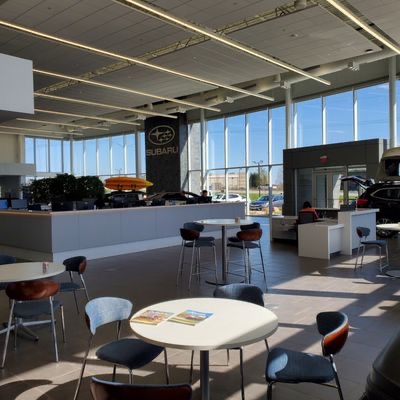
I’m guessing that a space planner worked with the dealership and architect on the design and layout.




 Ticket 2 Ride
Leave a comment