
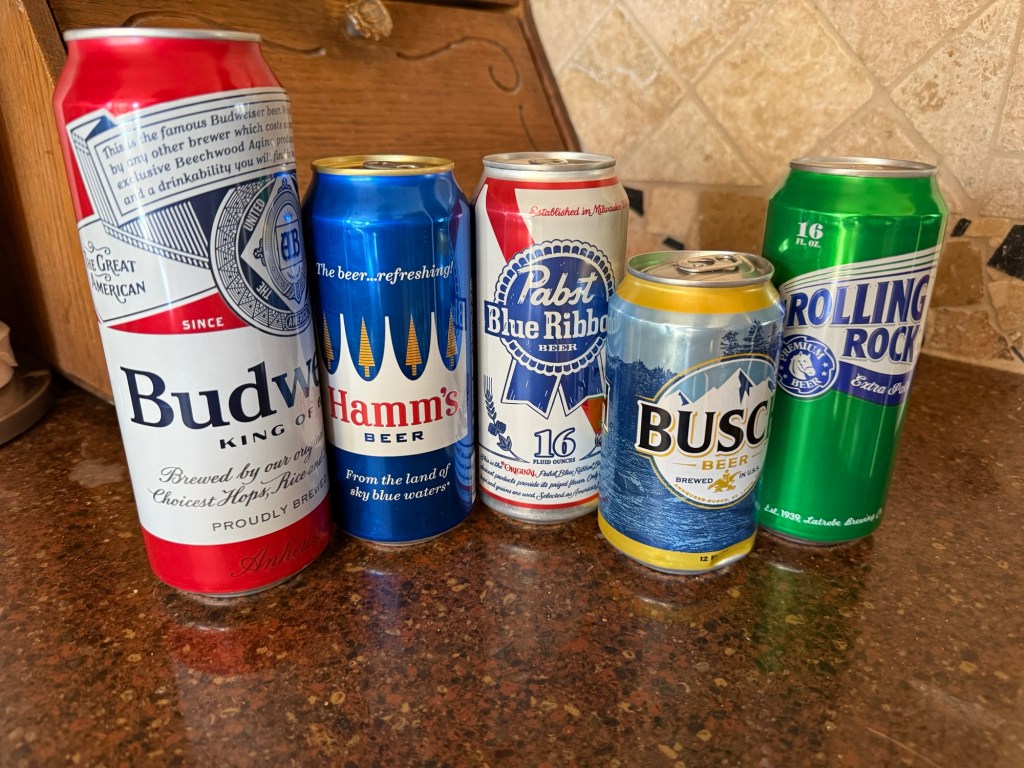
Econo beers, workingman’s brew, or simply low cost lagers, America has a long history of popular and mild tasting beers.
These are beers many of us grew up with, beers frequently on tap at neighborhood bars, beers you could purchase at the gas station or local Piggly Wiggly. These are not your craft beers, imports or snooty brands. These are your after-work, backyard grilling, fishing trip, drink while fixin’ your truck beers.
Some of these beers are gone, but thankfully, many are still around to be enjoyed. This is the first of a series of taste tests I’m conducting on various beers.
Pop the tab and let’s drink!
Budweiser
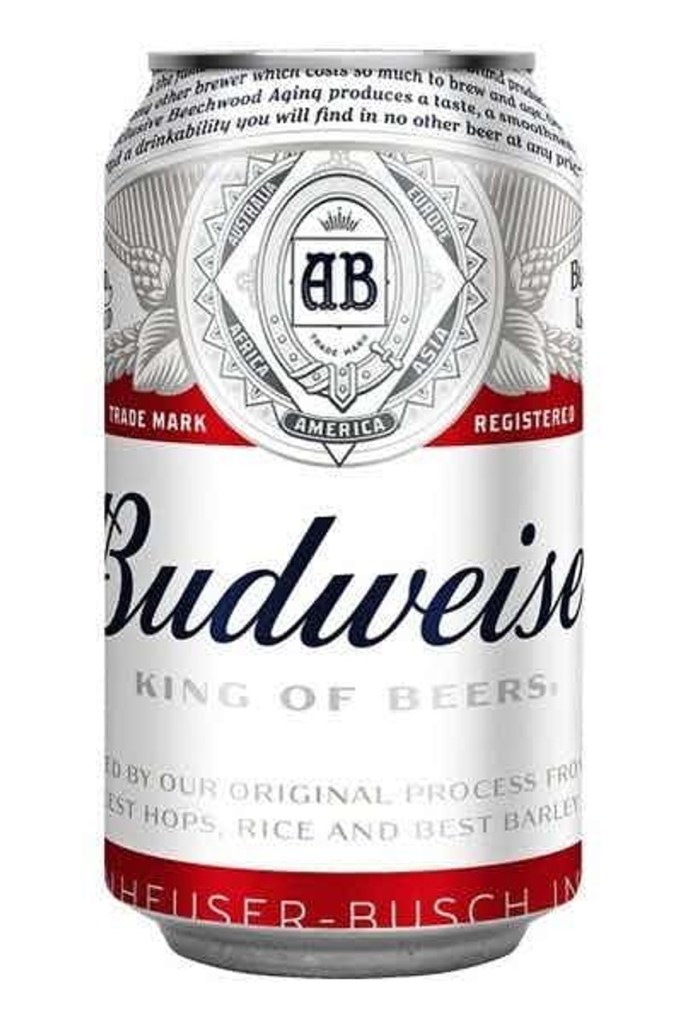
First up, the King of Beers! One of the most distinctive of the econo beers. Made with barley malt, premium hops, fresh rice, and filtered water. The rice content may be up to 30%, which contributes to that strong and unique taste. I’m still not a fan, but I understand why it sells a lot of beer. It’s a pass for my palate, but here’s to you.
History
Introduced in 1876 by Adolphus Busch. American version was created in St. Louis, United States, by Anheuser-Busch. The “original” Budweiser, however, comes from this Czech town, produced by the Budweiser Budvar Brewery, with brewing traditions dating back centuries. In 1852, German American brewer and saloon operator George Schneider opened the Bavarian Brewery. In 1860, the brewery was purchased on the brink of bankruptcy by William D’Oench, a local pharmacist, and Eberhard Anheuser, a prosperous German-born soap manufacturer. D’Oench was the silent partner in the business until 1869 when he sold his half-interest in the company to Anheuser’s son-in-law Adolphus Busch. From 1860 to 1875, the brewery was known as E. Anheuser & Co., and from 1875 to 1879 as the E. Anheuser Company’s Brewing Association. Busch, a wholesaler who had immigrated to St. Louis from Germany in 1857, had married Eberhard Anheuser’s daughter, Lilly, in 1861. Busch purchased D’Oench’s share of the company in 1869. Adolphus Busch was the first American brewer to use pasteurization to keep beer fresh; the first to use mechanical refrigeration and refrigerated railroad cars, which he introduced in 1876; and the first to bottle beer extensively. Headquartered in St. Louis, Missouri. Since 2008, following the hostile takeover by AB Inbev of Belgium, it has been wholly owned by Anheuser-Busch InBev SA/NV (AB InBev), now the world’s largest brewing company. – thanks Wikipedia
In media.
Budweiser has featured some of the most creative marketing campaigns, especially using the Clydesdale horses in many variations of ads, the frogs and other effective characters.
Busch
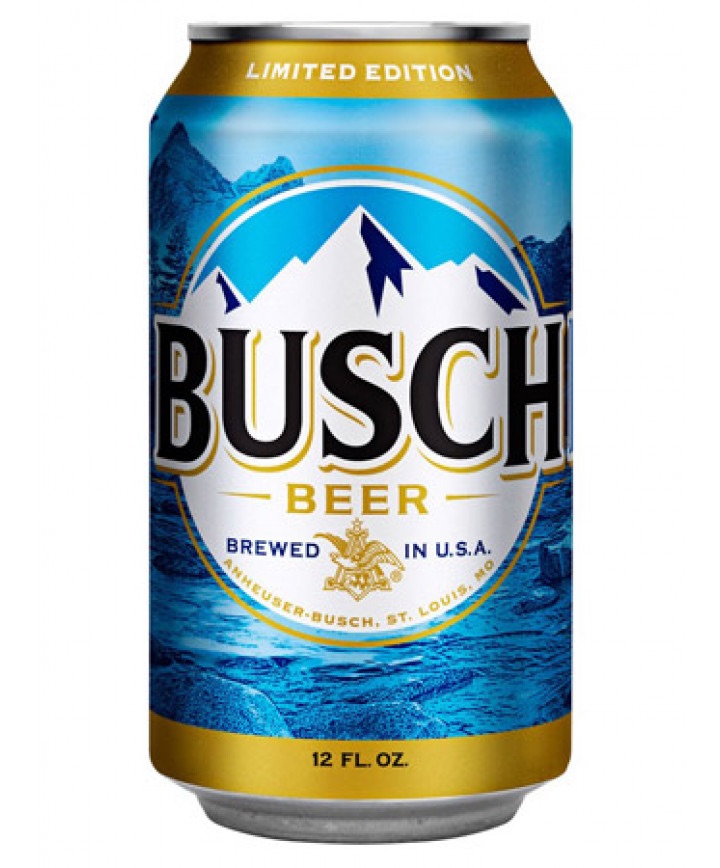
Known for affordability. Described as mild, slightly sweet, and grainy flavor profile, with faint hint of malt and corn. For me, the taste is rather generic but if a beer had a faint taste like Budweiser, this it is. I think it is the sweetness that prevails over other ingredients. I don’t hate it, but don’t love it either. Not my first selection from the fridge.
History: see Budweiser.
A.I. says: Busch beer originated from the giant Anheuser-Busch company, launching in 1955 as Busch Bavarian Beer, a post-Prohibition offering positioned as a value brand, known for its crisp taste and mountain-themed slogans like “Clear and Bright as Mountain Air,” eventually evolving into the familiar Busch beer with the “Head for the Mountains” tagline and iconic sound.
In media. The “Buschhhhhh” sound.
Horses and outdoors Busch TV ad
Pabst Blue Ribbon (PBR): A classic, lower-cost option.
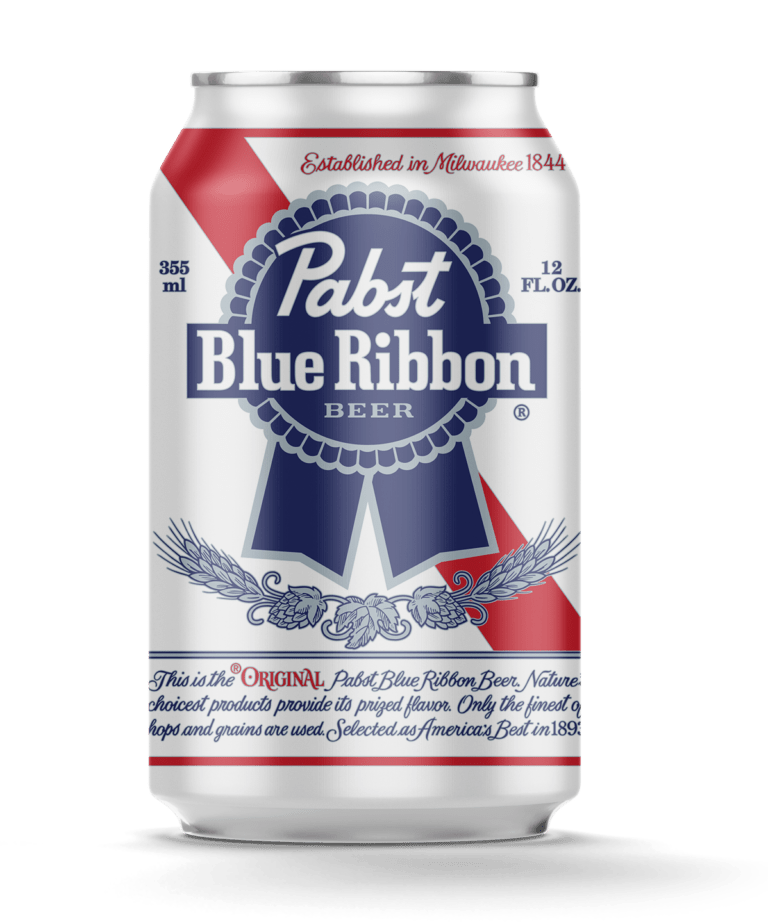
PBR has an initial mellow taste, but something kicks in quickly. It’s not so much an aftertaste as the tail of that first taste wave. I think this beer gets a bad rap, but I wouldn’t drink it in quantities.
Described as: a light-bodied, easy-drinking American lager, not a “heavy” beer in flavor or texture like a stout or IPA, though it can be filling due to its adjuncts (like corn) and has a balanced, slightly sweet maltiness.
History.
The Pabst Brewing Company was founded in 1844 in Milwaukee, Wisconsin, by Jacob Best and later named after Frederick Pabst, who expanded the company significantly during the late 19th century. The company became one of the largest brewers in the United States by the turn of the 20th century. It oversees a diverse portfolio of legacy American beer brands, including its flagship Pabst Blue Ribbon, its former Milwaukee rival Schlitz, Old Milwaukee, and Lone Star. In 2019, Pabst signed a 20-year production agreement with City Brewing Company. The transition of production from Molson Coors to City Brewing was underway in 2022. By early 2025, Pabst had entered into a second production agreement with AB InBev. – Wikipedia
In media.
These two ads show that PBR is for everyone, not just blue collar workers. I think of PBR as a dive-bar staple, but a step up from Schlitz, Falstaff, Old Milwaukee beers. Pabst made a lot of effort to appeal to middle class and professional people in their marketing.
Hamm’s: Known for its history and affordability.
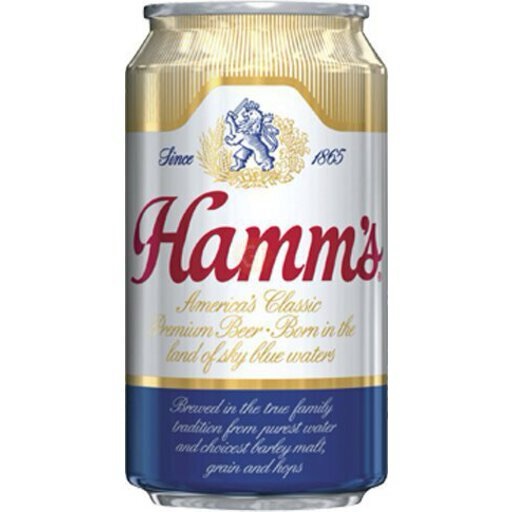
Hamm’s color is very light gold. It even tastes light, although a bit strong at first, with a quick aftertaste, then it’s gone. Its advertising says, just a hint of hops.
Despite the alcohol content, it wasn’t filling. Easy to drink a few, perfect for an outing or a backyard party or getting hammered.
History.
Hamm’s dates back to 1865 when German immigrant Theodore Hamm inherited a St. Paul, Minn., brewery from his friend Andrew F. Keller, who had established it in 1858. Hamm became a business partner when Keller needed additional funding to fuel the brewery’s expansion, and Keller ultimately cut ties with the business in the early 1860s, leaving the keys to Hamm. Hamm was a local saloon owner and a trained butcher — he proved to be a savvy business owner, as the brewery ascended to become the second largest in Minnesota by the 1880s. In 1896, it was renamed the Theodore Hamm Brewing Company. And in the 1940s, Hamm’s started using its now-famous slogan: “Born in the land of sky blue waters.” Minneapolis-based ad agency Campbell-Mithun created the original “Land of Sky Blue Waters” campaign, which featured scenic lakes and woodlands, as well as an accompanying jingle. The Hamm family sold the company to Heublein Inc. in 1968. The brand went through numerous ownership changes over the remainder of the century, eventually falling into the hands of the Miller Brewing Company in 1999. Now, courtesy of a string of acquisitions and mergers, Hamm’s is owned by Molson Coors and brewed at the conglomerate’s Milwaukee Brewery. The original Hamm’s St. Paul brewery is now home to a distillery and micro brewery. – Wikipedia
In media.
The outdoors. “Land of Sky Blue Waters” was an effective ad slogan. It wasn’t just blue collar people that loved the outdoors, or a product with clean, natural water for brewing.
Rolling Rock
Like the other beers on the list, a lager, a light yellow-gold color. No big flavor, no initial bite, a mellow taste that slides down the throat. I don’t know what I expected, but it was quite agreeable with my tastebuds. Not my first choice from the cooler, but I’d drink a few with no complaint.
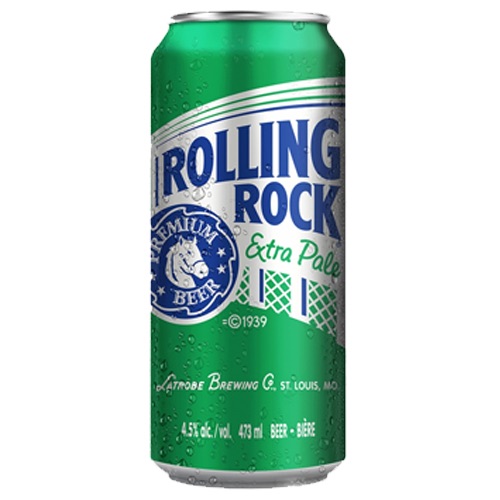
Rolling Rock uses the traditional ingredients (water, malt, rice, hops, corn, brewer’s yeast) in brewing. It’s gimmick was a distinctive green bottles.
Rolling Rock markets itself as comfortable being with being unique. “Keep doing your thing, and we’ll keep doing ours.”
History.
Launched in 1939 by the Latrobe Brewing Company in Latrobe, Pennsylvania. Although founded as a local Western Pennsylvanian brand, it was marketed aggressively and eventually became a national product. The brand was sold to Anheuser-Busch of St. Louis, in mid-2006, which transferred brewing operations to New Jersey while continuing to label the new beer prominently with the name of Latrobe. In 2006, Anheuser-Busch purchased the Rolling Rock and Rolling Rock Green Light brands from Belgium-based InBev for $82 million. In 2015, Anheuser-Busch stopped brewing bottled Rolling Rock in glass-lined tanks. Only the canned beer was being brewed using the traditional process. – Wikipedia
In media.
Frankly, I don’t believe I’ve ever seen a Rolling Rock commercial so I did a search on YouTube. In recent years it seems they focus on humorous ads. Here’s one:
Thoughts…
It was fun to revisit a few old beers. I have several other beer blogs on the way.
What I began to recognize with this taste tests, these light American lagers taste remarkably the same, with some minor variations. Maybe my beer palate has numbed to the light golden lager. These are not craft beers with very stylized tastes, rather inexpensive, mass produced, with broad appeal.
I was known to drink a few beers in my younger days. I had a few favorites, but I drank what was available, usually on tap, and wasn’t as selective as I am now, although my palate is far from discriminating.
The beers I am taste testing are beers common to the area I live, the Midwest. I’m including a bit of history with each and a few TV commercials from the olden days. Enjoy.
Sources:
Wikipedia
Beer company websites


 Ticket 2 Ride
Leave a comment