
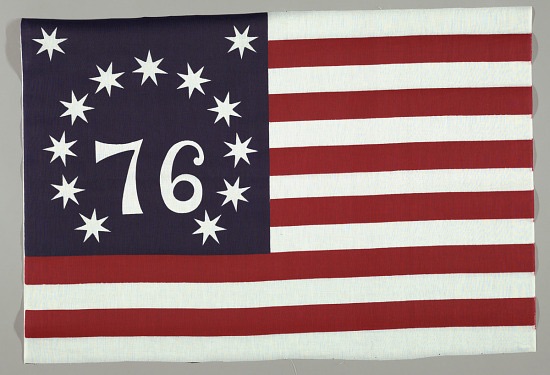
First I picked a dozen, then 20, increased to 25, and then removed the number entirely. The fact is, 1976, the year of the American Bicentennial, was an awesome year for music. The number of debut albums on my list was surprising.
Rock, Pop, soul, jazz, jazz-fusion, progressive rock, even disco had a good year. This is in no way a complete list, but these albums were significant in one or more ways.
The albums…
ABBA, Arrival – Regarded by many as ABBA’s most accomplished album containing four revered songs, and showing a maturity in their songwriting. A best selling album around the world and more weighty than just sunshine-pop.
Kansas, Leftoverture – Kansas was not everyone’s cup of tea, neither stadium rock, hard rock or progressive rock, they blended all three. This was their fourth album and their strongest to date. Guitarist Kerry Livgren emerged as a major songwriter on the album.
Al Stewart, Year of the Cat – Stewart continued his relationship with producer Alan Parsons, with help from guitarist Peter White to create this collection of wistful, beautiful, songs of adventure and lost love. Stewart building on his folk experience, Parsons expanded his sound for this unique mixture of styles.
Bob Seger & the Silver Bullet Band, Night Moves – Incredibly, this was Seger’s ninth album. His previous album, Beautiful Loser, was well-received, nowhere near the sales of Night Moves. Suddenly, Seger was hot and he packed concerts and put three of these songs into serious radio rotation. Remember, rock and roll never forgets.
Warren Zevon, Warren Zevon – Zevon’s reputation finally resulted in his first major label album. Produced by Jackson Browne, and with help from many music superstars, Zevon’s world weary, quirky songs finally saw daylight with his own voice. Linda Ronstadt made hits of several of these songs.
Ramones, Ramones – Recorded in seven days for a total of $6400, and despite touring relentlessly, it didn’t sell, but critics loved it. Now recognized as an influential recording, copied by many bands of the era. Loud, fast and with swagger. Catchy song names are helpful.
Thin Lizzy, Jailbreak – One of the most successful twin-lead guitar bands, and this album was a commercial breakthrough for the Irish band. The title track and “The Boys Are Back in Town” are classics.
Genesis, A Trick of the Tail – The first album without Peter Gabriel, and nearing the end of their prog period, this album foretold the next period for Genesis. Musically dense, the band was tight and created a rich sonic tapestry, with the emphasis was on the music rather than lyrical concepts.
Rush, 2112 – It’s hard to believe that Rush was ever in danger of being dropped by their record company for lack of sales. 2112 was their fourth album and the success they needed, triple platinum in the U.S. alone.
Electric Light Orchestra, A New World Record – Each album of ELO was a big jump in songwriting and production. Gone was the prog-rock element, replaced by shorter, more radio-friendly songs.
David Bowie, Station to Station – Another stop in Bowie’s 70’s evolution of personas and musical styles. Funk and R&B, along with his emerging kraut-rock influence, blended into the soundscape that became Station to Station.
Boz Scaggs, Silk Degrees – Boz had been around awhile, but he could breakthrough to mainstream success. This set of songs changed his career and opened up a slicker, more commercial sound. The musicians who would form Toto were here and their talent and David Paich’s co-songwriting with Boz brought out the contemporary R&B, with jazzy stylings, that would rule the charts for the next several decades.
Peter Frampton, Frampton Comes Alive! – The album that made, and pigeon-holed, the career of Peter Frampton. Lightning in a bottle, who could possibly live up to that success? Sold a jillion copies. Now, to hear it performed live is delightful and connects his fans to a golden set of memories.
Stevie Wonder, Songs in the Key of Life – A monster album for Stevie Wonder, a plateau in his career. Wonder placed so many hits on the charts through the 1970’s as his sound was both top 40 commercially successful and plowed ground in urban R&B.
Eagles, Hotel California – This album has been dissected and critiqued to death. A mighty triumph for the Eagles.
Aerosmith, Rocks – The last really good Aerosmith album for at least a decade. Rougher, and with more swagger than Toys in the Attic, but not better. Did success spoil Aerosmith?
Boston, Boston – The album that everyone owned, that defined a sound, and that helped give rise to arena rock. Still a staple of classic rock radio.
Tom Petty and the Heartbreakers, Tom Petty and the Heartbreakers – The band that defied labeling. What genre did they fit into on their debut album? High energy, but not punk, more 1960’s jangle rock, but more cynical. Several classics on their debut album, but it only hinted at what would follow.
Steely Dan, The Royal Scam – A great album, but it hints at what was on the horizon for Becker and Fagen. Described as their darkest and edgiest work to that point, it also contains perhaps the best guitar work of any Steely Dan album. Although no huge hits, the album contains several of their most celebrated songs.
George Benson, Breezin’ – The jazz-pop album that made George Benson’s name known to a wider audience. The songs on Breezin’ found themselves on FM radio, and topped not just the jazz chart or pop and rock.
The Doobie Brothers, Takin’ It to the Streets – Everyone knows, guitarist Tom Johnston’s health forced him to the sidelines and Michael McDonald stepped in. The band’s sound changed to embrace the different personalities and styles of the members. The album was a big seller and spawned numerous hits.
Pat Metheny, Bright Size Life -The first album by his kid from Missouri, a guitar virtuoso, not a rocker, a jazz guitarist. Fifty years and a ton of Grammys later, Metheny stands as one of the most influential jazz artists of his generation. This album had an original sound and only hits at his vision and talent.
Steve Miller, Fly Like an Eagle – Steve Miller had been around since 1968. His early 70’s albums produced a single or two, and he had a loyal following, but Fly Like an Eagle was a very set of songs, enhanced by a connective musical vibe. Instead of just a blues rock guy, he was headlining stadium shows and using that back catalog to bolster these new radio hits.
Blue Öyster Cult, Agents of Fortune – Their fourth album and a surprising hit. The secret was “(Don’t Fear) The Reaper” written and sung by guitarist Donald “Buck Dharma” Roeser. Known for hard rock/metal, on this album, the band shifted focus to a more mainstream rock approach, but didn’t change their style completely. Maintaining this new found success would prove difficult as their sound shifted repeatedly, trying to please metal fans and rock fans.
Alan Parsons Project, Tales of Mystery and Imagination (Edgar Allan Poe) – The debut of APP and largely forgotten now, but was exciting and trippy when released. Who was this band? It wasn’t a band, just two guys writing and producing, and using a small group of musicians, and orchestrating where needed. No touring or big promotional efforts. Just the music. This album would lead to a batch of albums even better than this one.
Jaco Pastorious, Jaco Pastorious – His first official solo album. A member of the jazz group Weather Report, Jaco also released several solo albums and worked with other artists. An amazing talent, his bass playing was unique and influential. A tragic end to such an influential artist.
Joan Armatrading, Joan Armatrading – Her third album, and first to be produced by Glyn Johns. Joan’s songwriting, coupled Johns’ warm and intimate production brought out the poignancy of her very personal songs. From start to finish this album will embrace, and hold you tight.
Blondie, Blondie – I’m torn on this album. Yes, it was the band’s debut, but most everything about it was wrong. Blondie would have a makeover by the time their second album appeared. They would be on a major label with a more appropriate producer.
Styx, Crystal Ball – After several hard rocking, progressive-rock flavored albums, garnering a few radio played songs, the band was looking for more commercial success. Enter guitarist Tommy Shaw. Actually, Crystal Ball, was less successful than the previous album, Equinox, but it set the band on course for a higher trajectory. Shaw was the songwriter the band needed as a compliment to Dennis DeYoung.
Graham Parker & the Rumour, Howling Wind – The debut for the English songwriter and his band. Witty, energetic and a bit of the angry young man swagger put him in the league of Elvis Costello, Nick Lowe (who produced this album), Joe Jackson and Paul Weller. Critical acclaim helped Parker and band become recognized and produced a string of well-received albums through the 70’s.
Bob Dylan, Desire – The first Dylan album I ever purchased. A departure from Blood on the Tracks, as Dylan continued his musical evolution. Long story-songs, infused with Scarlett Rivera’s violin give this album the Rolling Thunder Review sound.
Joni Mitchell, Hejira – Joni Mitchell was a chameleon during the 1970’s, as she turned away from confessional folk and stylized pop, and dug into the jazz and non-standard guitar tunings as she continued this journey of musical discovery. Hejira didn’t sound like anything else and signaled an eclectic period for her.
Marvin Gaye, I Want You – Marvin is back, and he’s got a new sound. After three years, he returned with a noticeable shift in musical style. Partnering with writer/producer Leon Ware, Marvin’s most erotic subject matter, which is saying something.


 Ticket 2 Ride
Leave a comment