
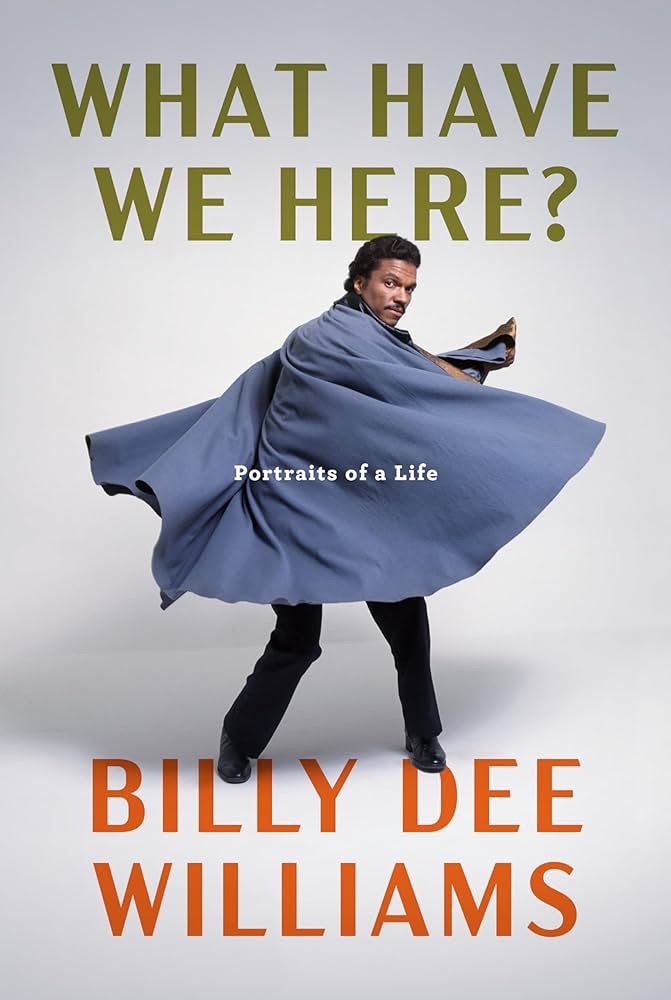
Dashing and charismatic, the words I would use to describe actor Billy Dee Williams. The publication of his new memoirs, What Have We Here: Portraits of a Life (2024, Alfred A. Knopf), is much like the man, more than meets the eye.
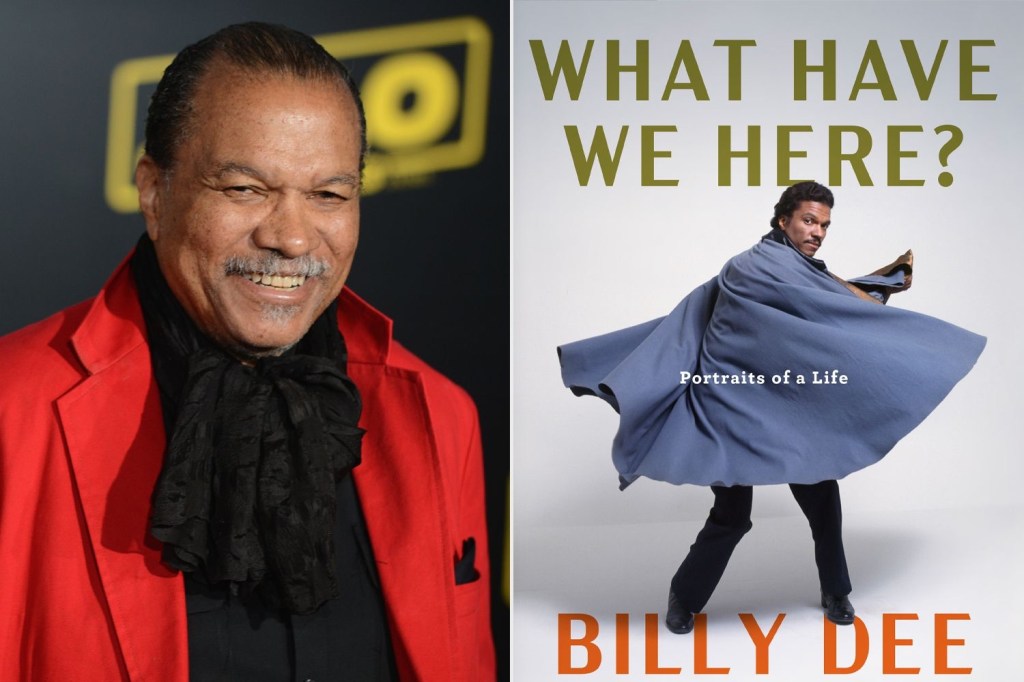
This book straddles the deeper subject of race with the breezier discussion of a man with many creative and life interests. Williams doesn’t sugarcoat being Black in America and the challenges that adds to pursuing a career in the arts, when the roles were not there, and whatever jobs were pursued by a core group of talented actors like himself. I got the feeling early on that race could have been a much deeper focus of his story, but he chose to use more of the pages on his success and what it meant.
Williams talks a lot about his acting roles, naturally, which should satisfy his fans. Of his many roles, certainly Brian’s Song was such an unforgettable television movie and performance. I’m not surprised that it continues to inspire people. Williams really captured the complexity of Gale Sayers. One film he didn’t discuss much was The Bingo Long Traveling All-Stars & Motor Kings. That’s a film few people probably know about and that’s a shame. One of his later roles was on an episode of White Collar, as a love-interest for Diahann Carrol. The two of them worked together in the old days and they had great chemistry.
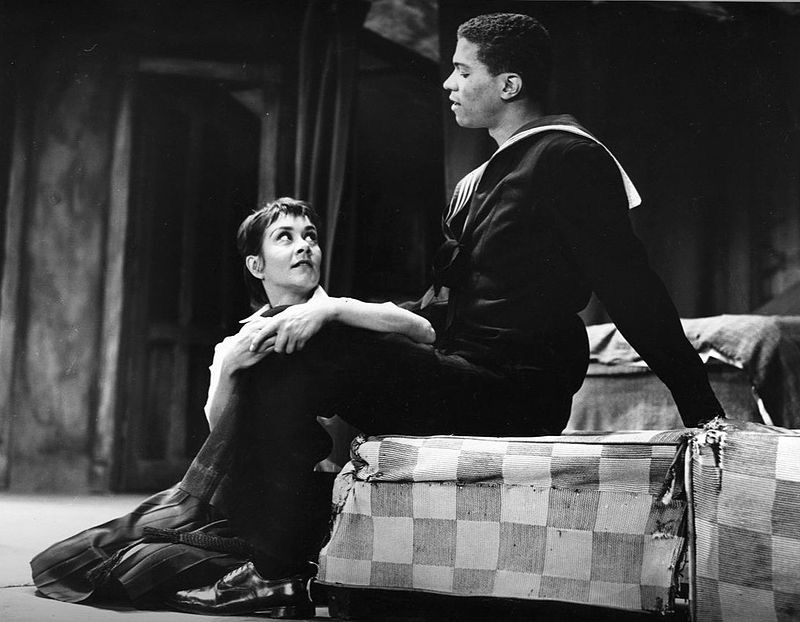
Williams is a good-looking guy, who projected warmth and passion, those qualities didn’t hurt his cast-ability and exposure. He was a matinee idol in the 1970s, a romantic and debonair character in television and film roles. From Brian’s Song to Lady Sings the Blues to Star Wars sequels to Dynasty, Williams was in demand as a romantic lead and action star. That’s what will get people to read this book, but that’s only the frosting to the story.
Williams is an accomplished artist, having studied painting in college and painting hundreds of pictures in his life. Just from the few pictured in his book, the man has talent and keen observation. He began his career on Broadway and was nominated for a Tony; he developed his acting chops prior to landing those romantic leads. Living in New York afforded him a vast world of learning opportunities and experiences.
“I was always out and about in the city, looking to have experiences, intrigued by almost everything, and my God, what a time it was to be in New York. I attended a lecture by Ayn Rand at the 92nd Street Y. I also saw poet Dylan Thomas there. Do not go gentle into that good night. I was near the front for Spanish flamenco dancer Carmen Amaya at the Coliseum. The same with José Greco and Antonio. I loved that world, the drama, the romance of those dancers. I even took flamenco lessons for a while. My mother and I saw Lotte Lenya at the Coliseum. I hadn’t seen her since I was in Firebrand of Florence, but my mother had kept in touch, and afterward we went backstage to say hello. While we were there, Greta Garbo walked in.”
The man has style and also a social consciousness for those on whose shoulders he stands, as well as those who will follow in his footsteps. It’s one thing to attain fame and a nice financial portfolio, but those things have diminishing value when your time is up. The knowledge you pass on, the opportunities shared with others, and the consciousness you have raised in others move the needle more than popularity.
Williams didn’t just want to act, he wanted to act in roles that weren’t defined by color. At that time, America was very defined by color.
“I went to the Metropolitan Museum of Art one day when I was in my early twenties. My father had taken me there countless times when I was a kid. I had gone there to look at art my entire life. But this one day, as I walked through the galleries, I realized that I didn’t see anyone in the paintings who looked like me. I walked out and never went back. Imagine growing up without seeing people who look like you.”
“I never—and this is important to me— saw myself as a victim. I moved toward the positive. ‘If you know whence you came, there is no limit to where you can go,’ Jimmy Baldwin once wrote. I believed him. I was an adherent of individualism. I didn’t walk around full of anger or bitterness. I didn’t blame other people or make excuses. I knew the obstacles I faced, but I never thought of them as so large or foreboding that I couldn’t figure out a way past them.”
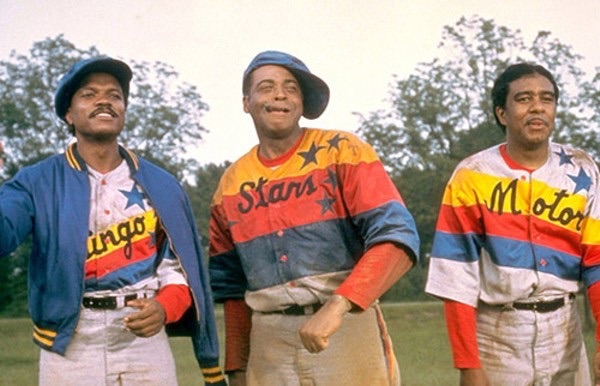
Hollywood would prove to have many obstacles, especially for a Black actor. Even a successful Black actor. “I was offered my pick of roles as pimps and dope peddlers in various movies, I refused to let myself be Black-cast by Hollywood. In a perfect world, I would’ve been starring opposite Candice or Barbra. But ours was an imperfect world. The movie business was as segregated as the Old South. Critics and people in the industry spoke about movies and Black films as if they were two different genres, assuming there was a difference.”
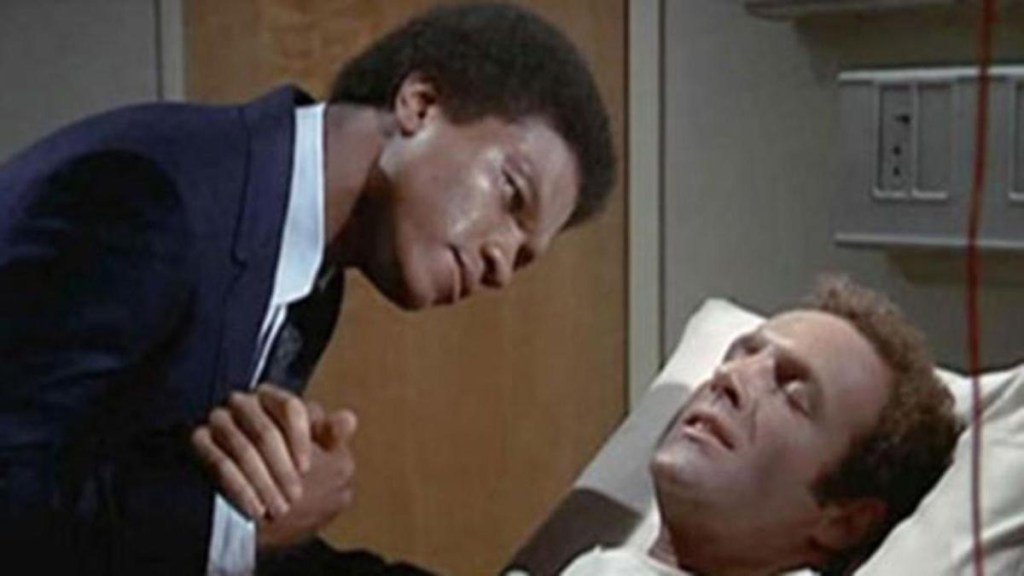
“Brian’s Song touched a nerve across America. Most people wanted to believe that we could acknowledge our differences and love each other because of them, not despite them, the way these two football players and friends did.”
His fortunes turned after Brian’s Song, Motown boss Berry Gordy came calling. Lady Sings the Blues was being cast and they were interested in Williams for a lead role opposite Diana Ross.
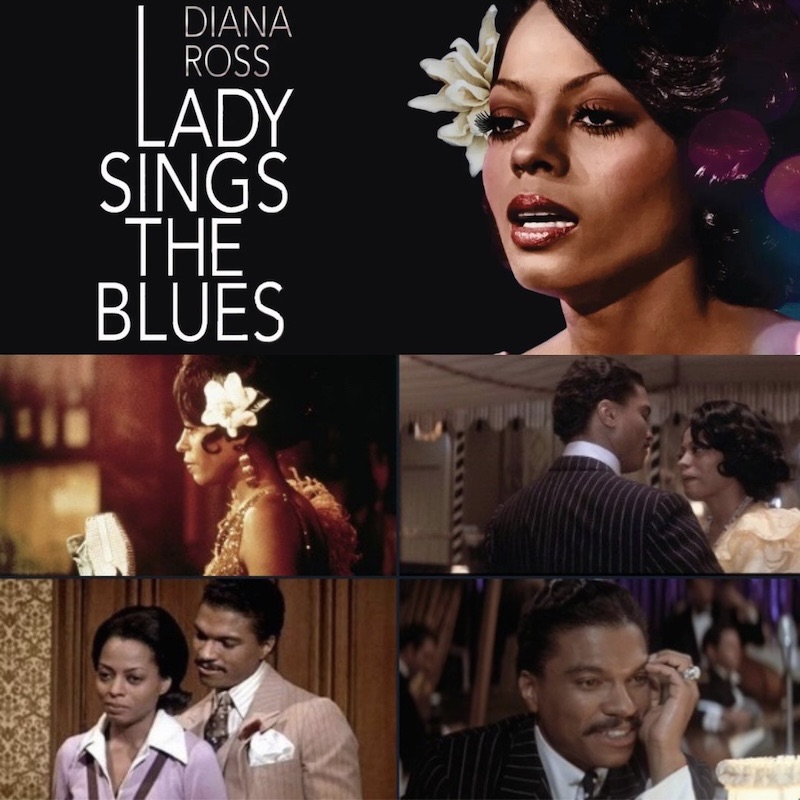
“When Diana entered the room now, she was a twenty-seven-year-old woman, a superstar, poised, confident, beautiful, and friendly….That moment was magic. Our special connection was immediate.”
The relationship between Williams and his father was special. “THAT SUMMER I took over my father’s jobs for a week while he went out of town. Not only did I end up seeing my father in a whole new way, but I also experienced a part of his life that I wouldn’t have otherwise known and learned what it means to be a hero in real life.”
Williams describes writing his father a heartfelt letter. “In it, I told him how much I loved and admired him, and understood and appreciated his struggle and the sacrifices he had made as a man who put caring for his family at the top of his life’s goals. I knew he wished I was physically tougher, but I assured him that hed taught me something more important—to be a loving, caring, thoughtful human being. He needn’t worry about me, I said. I was going to be okay.” After his father passed, Williams was curious about what his father carried in his wallet. He found the usual pieces of identification, family photos, and that letter.
Celebrity memoirs are a mixed bag. Most of them are cotton candy for the brain. This one provides some sustenance.
4.5/5



 Ticket 2 Ride
Leave a comment