
For a brief time, the biggest rock band in the world was Blood, Swear & Tears (BST). Not the Beatles, Stones, Who or Zeppelin, but a nine-piece jazz-rock-R&B band that had just replaced their founder and lead vocalist.

Blood, Sweat & Tears
Al Kooper, a veteran of the music industry started the band wanting horns as a central part of the band’s sound. Kooper was also a well-known session player, who recorded with Bob Dylan, The Who, Jimi Hendrix, The Rolling Stones and many others. The first album didn’t sell, there were not singles, but lots of jazz. Kooper left when the band wanted a stronger singer and more accessible songs; enter Canadian David Clayton-Thomas, who was hired on the spot at his audition.
The band’s second album, Blood, Sweat & Tears, released on December 11, 1968, would top the album chart for seven consecutive weeks. Three singles, “You’ve Made Me So Very Happy”, “Spinning Wheel” and “And When I Die” were all top five hits in the U.S.
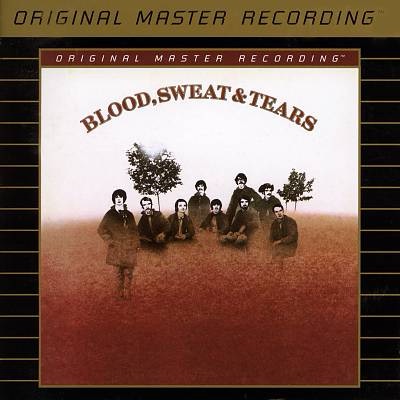
Horn bands were momentarily popular in the 1960s and early 1970s, although Chicago would have success that lasted much longer. BST’s second album was produced by James William Guercio, Chicago’s producer in their early years, so he knew something about hit singles.

Let’s Make a Deal!
How did a very successful band end up going on a U.S. government-sponsored tour of Eastern Europe? That might not seem unusual today, but in 1970, with the generational divide, anti-war protests and distrust of government, BST was an odd choice for this mission.
Under this cultural exchange program, musical artists played concerts in Eastern Europe, and their artists came here, however, this was the first time a rock & roll band was part of the program. Up till 1970, the program tilted towards classical and jazz artists.
The tour would last 26 days, 11 concerts were planned across Yugoslavia, Romania and Poland. These were satellite countries of the Soviet Union, but each country was working around the fringe of cultivating better relations with the West. The Kremlin complained that sending a rock & roll band was an American plot to ruin their youth, and the tour would spark controversy, for a variety of reasons.
What the Hell Happened to Blood, Sweat & Tears (2023) is an absorbing documentary that tells this fascinating story. In an odd, and secretive deal, the State Department and BST’s manager agreed for the band to perform concerts in Eastern European, if Clayton-Thomas would get his green card back, and not be deported backed to Canada on a trumped-up charge of domestic violence. He had a lengthy record of misdeeds growing up in Canada, but denied any truth to the charge he faced.
BST weren’t the Osmonds, but they weren’t The Stones either. The Iron Curtain would survive the music, but the government authorities had other issues to worry about. That’s what happens when you repress people and get a small breath of freedom – they get tired of it.
BST and the Nixon Administration – strange bedfellows. There was a national divide over Vietnam and members of the band had spoken out against the war, including lead vocalist Clayton-Thomas. That didn’t please the Nixon Administration, but that didn’t stop them from using the band.
A film crew accompanied the band with the goal of a documentary film. Donn Cambern and his crew filmed 65 hours of footage of the tour. The idea for a film was instead edited into a 53 minute television program that was abandoned. For 50 years the footage collected dust as the production company went out of business. There it rested until director John Scheinfeld located in as he searched for tour film.
What happened on the tour that caused the documentary to be abandoned and more importantly, derailed Blood, Sweat & Tears’ successful run?
The Concert Tour
Yugoslavia was the first stop behind the Iron Curtain. The first concert had 5,000 showing up. Everything looked positive, but at the second concert, in Sarajevo was a disaster, the audience walked out.
“Then we went to Romania, and you could hear the Iron Curtain slam shut behind you,” Clayton-Thomas said. The reception was chilly, luggage was searched, the rooms were bugged and the band followed. The reception by young people was great, it showed there was freedom beyond the borders, which wasn’t embraced by the government. Audience members were chanting “U-S-A” and flashing the peace symbol. The police moved in and there was pushing and shoving with the audience. The State Department met with the band because it was unsure if the authorities would permit another concert. To make it worse, the cameras were inciting the crowd, and that was bad. The authorities get a list of demands or there would be no concert. Less rock, more jazz. Lower sound volume, no gestures or actions that incite the audience and no filming.
There was no filming, but the cameramen used their 35mm still camera instead. The band did not tone down the music and the audience responded. The police moved in with dogs. The government then ordered that the exposed movie film be x-rayed at the airport, believing that it would be ruined. The camera crew had switched unexposed film for the exposed film and smuggled it out of the country.
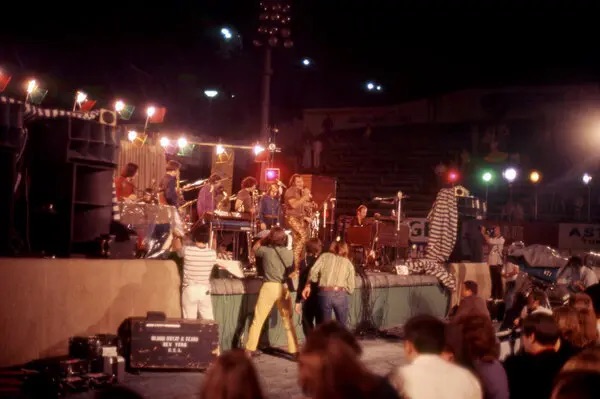

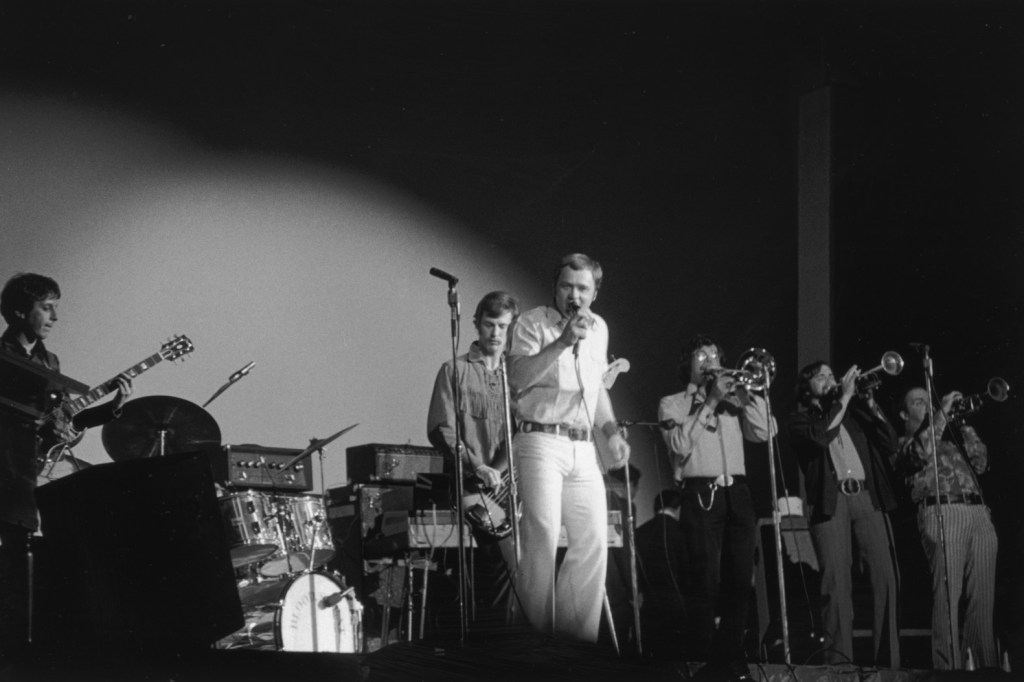
Next up was Warsaw, Poland. The concert venue was surrounded by armed troops.What’s cool is that concert goers from the three countries are interviewed in the present as they reflect back on how “cosmic” these concerts were to young people who had not tasted Western culture before. The authorities knew it too. But the Poles were well-behaved and no need for the riot police.
Returning Home
On their return to the U.S., the band was blindsided with a news conference and they discovered they were the news, not what they had to say. Had the band sold out and were used by the Nixon Administration? They were judged to be uncool by the rock press. Yippie Abby Hofmann called them Blood, Sweat & Bullshit and picketed their NYC concert. Going to Eastern Europe was not going to be forgiven by the counterculture press. The band was attacked by both sides.
This was not the only misstep to plague BST. They had played at Woodstock, a headliner, but weren’t in the movie. No one remembers their participation in the event because their manager wanted more money and denied letting the band be filmed. BST would become the first big rock & roll band to play Las Vegas. Rock & rollers avoided Vegas, it was uncool and strictly Establishment. BST set attendance record, but were criticized as selling out.
Lineup changes, songs that didn’t chart like before, bad press and bad vibes. The band would break up, reform, change lineups, and drift into becoming a tribute band, licensing the name from founding member Bobby Colomby.
The Film
The documentary that was supposed to be released of the concert tour, underwent scrutiny by the State Department requiring anything that showed negative to the Eastern European countries be cut, because it would damage developing relations with countries like Romania. The edited film was never shown, but a pristine copy was found in a vault with raw footage.
Scheinfeld directed this documentary, and it’s an absorbing view. Thankfully, film footage exists of the tour, including interviews and travel footage. Clayton-Thomas, Colomby, Steve Katz, Jim Fielder and others from the band are interviewed and their observations are priceless. Finding concertgoers from those shows adds even more to the story, those who lived under oppressive governments and witnessed firsthand a slice of American freedom.
Not only does this documentary tell you a story most of us have never heard, but you get a dose of the raw power of a band at the top of their game.
A must see.
 Ticket 2 Ride
Leave a comment