
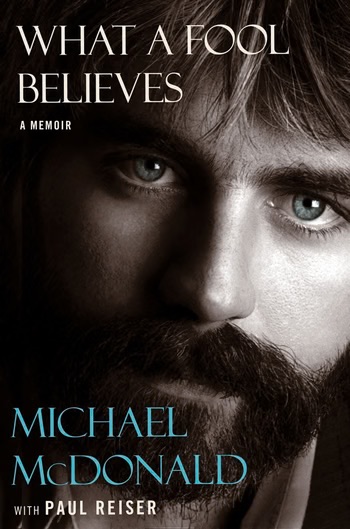
Written with comedian and author Paul Reiser, Michael McDonald delivers his memoirs, What a Fool Believes (Deyst, 2024). Known as a member of the Doobie Brothers and a solo artist, McDonald has an easy writing style in telling his story.

McDonald is brutally honest about his poor-choice filled youth. DUI’s, drugs, not finishing high school, a teenage pregnancy, all contributed to a life going nowhere. He knew it, and admitted that his probation officer gave him a key bit of advice: McDonald was his own worst enemy.
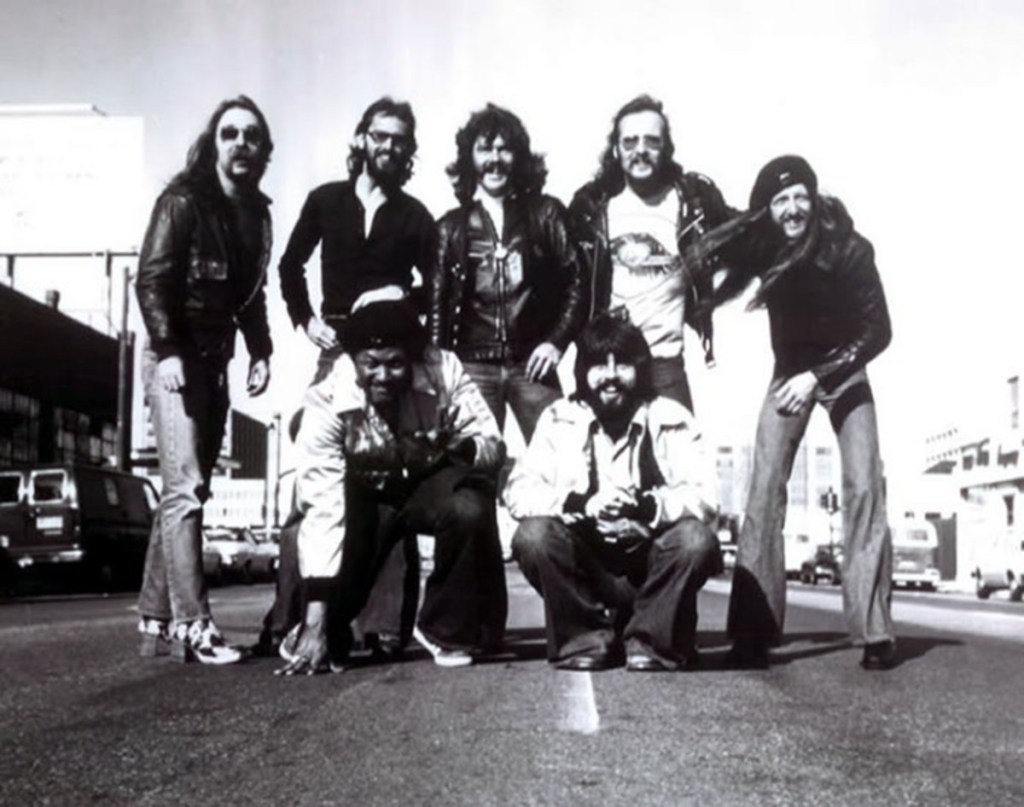
McDonald may have making poor personal choices, but he was also taking care of his family, moving his family from St. Louis to Southern California, in search of a better life. He arrived in L.A. still in his teens to tackle the music biz. Life was hand-to-mouth, an album produced by Rick Jarrad (Jefferson Airplane) went nowhere, although he did session work as a background vocalist and piano player. Word-of-mouth served him better, as he was invited to tour and sing background on a couple of Steely Dan albums. Jeff “Skunk” Baxter was an original member of Steely Dan, and went on to play with the Doobie Brothers. When Tom Johnston went down with an intestinal illness, Baxter convinced the Doobies to call McDonald. The call that changed his life.

McDonald’s telling of the few years he spent in L.A. he was aimless and had too many interactions with the LAPD. It’s hard to imagine McDonald in those humble times, then suddenly lifted from poverty to platinum selling albums and sold-out arenas.

McDonald writes that he was surprised and grateful to be offered a role in the Doobie Brothers, especially as his song ideas were immediately embraced by the band and producer Ted Templeman. His songs were a change of direction for the band, but fit with the soulful R&B music they loved. Suddenly, the band had another lead singer and songwriter.
What struck me was McDonald describing his piano skills as quite basic and barely adequate, so he started taking lessons once he joined the Doobies, to get a deeper understanding of chord voicing, and variations that he immediately used in songwriting.
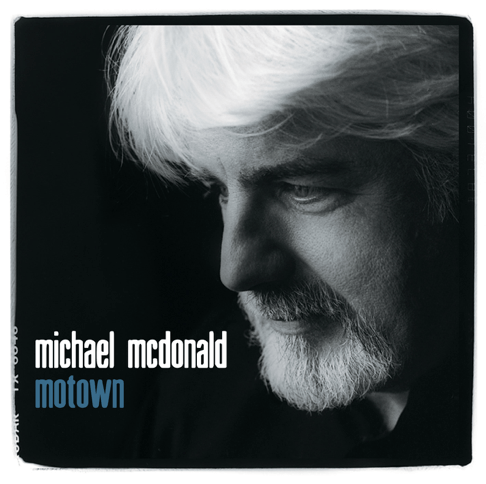
The stories are quite interesting and revealing. As I’ve said, McDonald dishes on himself, sometimes unflattering, always thankful for the good fortune bestowed on him. Someday, he harbored, it will be revealed that he doesn’t deserve the success, fame, money, and that the jig is up. Those feelings of inadequacy haunted him and were directly tied to his substance abuse problems that would have to be faced.

The one story that reoccurs concerns Tom Johnston, the Doobie that McDonald stepped in for. Johnston did not return to the band after his intestinal issues passed. McDonald long felt guilt and uneasiness over that issue and it seems prevalent even as he reflects on it today. The credit or blame for the band’s changing sound fell at McDonald’s feet. I know, I was critical of the change in musical direction and away from the rougher guitar sound of the early albums.
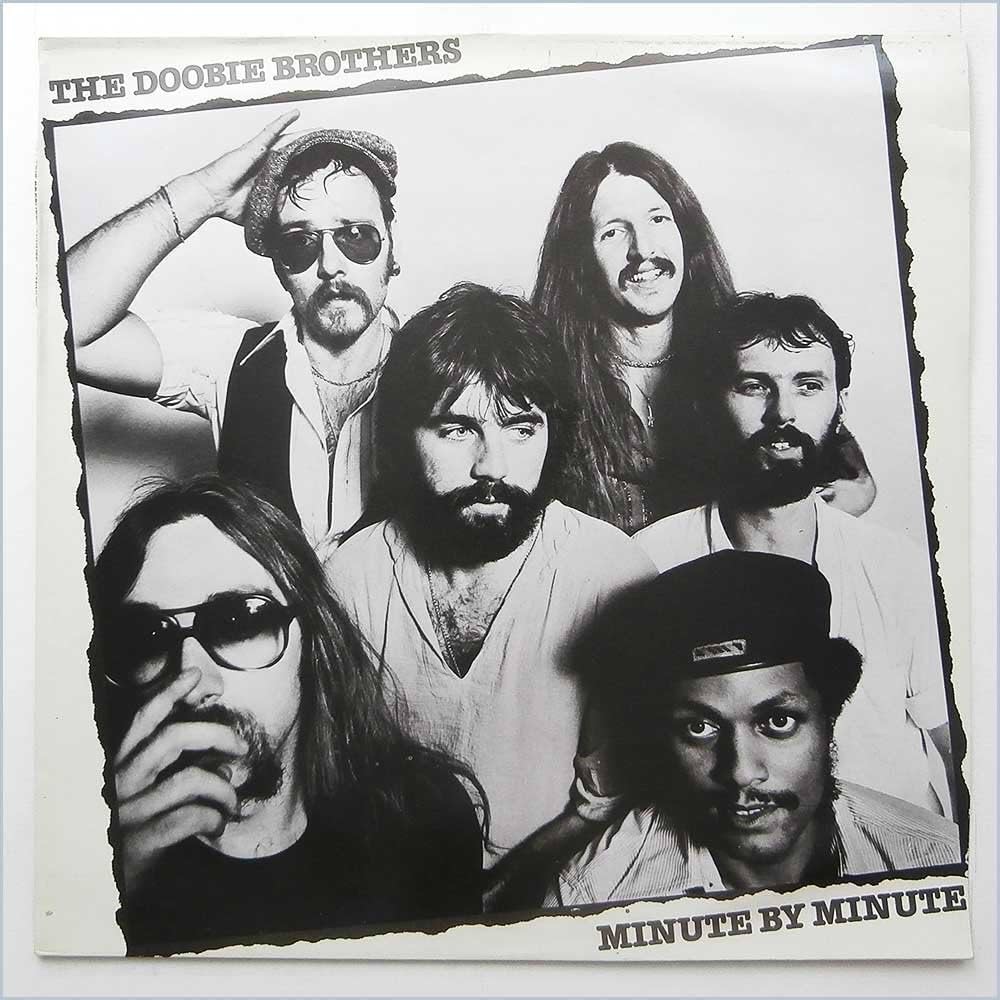
Another great story involves the tension, creative and personal, within the band as they struggled with success and expectations. The band was told that Minute By Minute was dead on arrival, but something unusual happened – it became a huge hit and garnered numerous Grammy Awards – but that would come after more lineup changes and more concerns about the band’s sound.
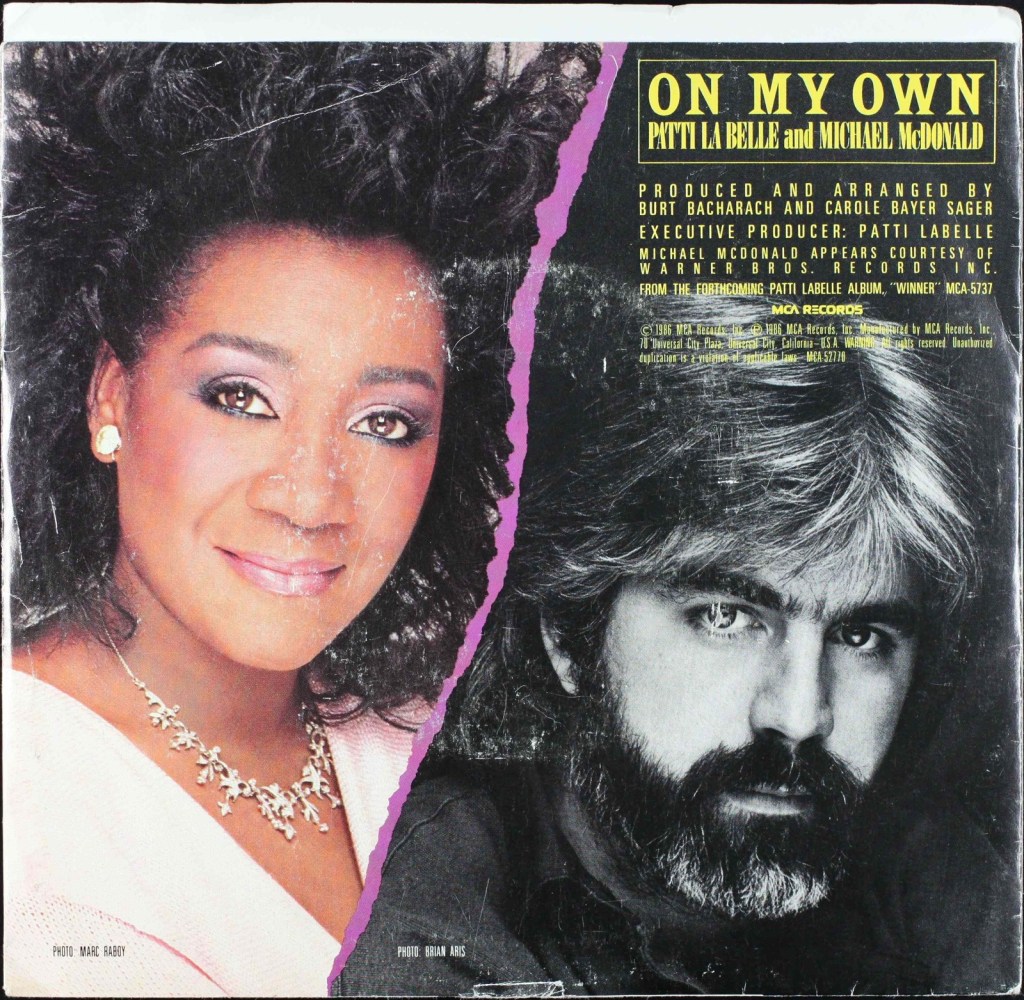
Within a couple of years, McDonald emerged from the disbanded Doobies at an interesting musical time. The music of the early 1980s was about young synth bands, not the yacht rock acts. McDonald writes that he fashioned a reasonably successful solo career in the decades following, but understood how much the recording industry had changed. He also refused to color his prematurely graying hair. McDonald did what other legacy acts did, recording other genres and releasing Christmas albums. Touring opportunities afforded a comfortable living.
The prevailing theme in McDonald’s book is that nothing is as it is seems at first. All the good things that happened for him had to be temporary or were not deserved. Should he cash the check or make plans? Success might be a mirage, that’s the message that repeats in his story. But success was not a mirage, it just took awhile to arrive.
What a Fool Believes is not your typical rockstar read. Honest, never pretentious, and the feeling you could be buddy’s with this guy.





 Ticket 2 Ride
Leave a comment