
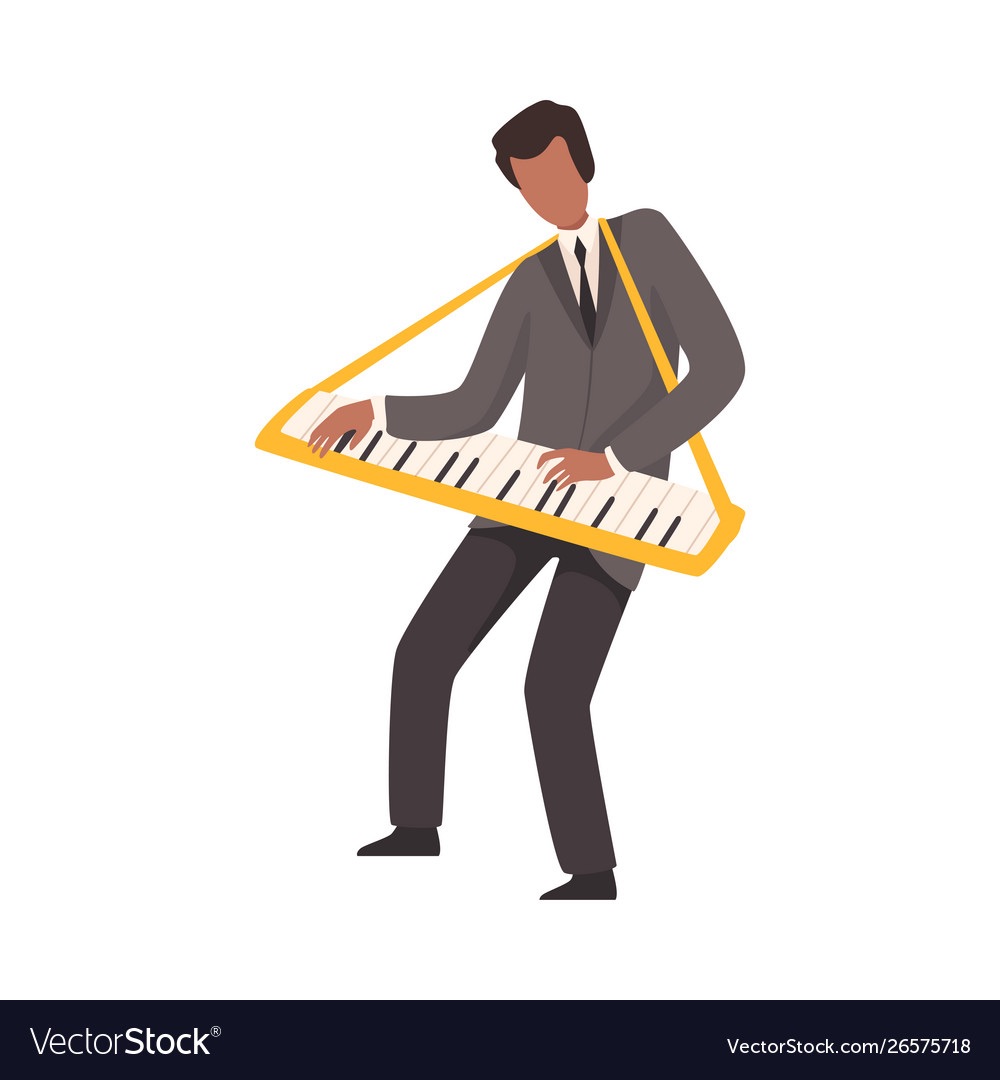
The simple answer is – not many. Stretching back to the 1960s, a lot of seats have been filled by some famous, and some not so famous, pianists and organists. Some players adapted to the emerging technologies that brought the Mellotron, Moog, Rhodes, ARP, Korg and later versions of synthesized sound, others stuck to a variation of the piano or organ.
Before all of this “new” technology, it was pianists like Jerry Lee Lewis, Fats Domino, Burt Bacharach, Nat King Cole, Ray Charles, Art Tatum, Dave Brubeck, Floyd Kramer, Liberace, Count Basie, Thelonious Monk, Duke Ellington and Little Richard, among others, who laid down the grooves on the piano keys.
There is a new documentary that I want to see about Nicky Hopkins, Session Man, about this extremely talented, but not well-known (to today’s audiences), pianist. He died too soon, his star diminish in large part due to the synth generation. I’ll review this documentary at a later date.
Others who have passed include Richard Wright, Richard Tandy, Jon Lord, Keith Emerson, Gary Wright and Gary Brooker, all giants of various rock genres. Some of these musicians were identified with a particular instrument such Nicky Hopkins the piano, Ray Manzarek the organ, Mike Pinder the Mellotron, Gary Wright the Keytar, Rick Wakeman the banks of synthesizers, etc.
There are iconic riffs, solos, textures, fills and sounds that are easily identified with specific keyboardists. Pinder, “Nights in White Satin,” Manzarek, “Light My Fire,” Hopkins, “She’s a Rainbow,” Larry Knechtel, “Bridge Over Troubled Water,” Edgar Winter, “Frankenstein,” Jon Lord, “Smoke on the Water,” Richard Wright, “Us and Them,” Steve Winwood, “Gimme Some Lovin’,” Mathew Fisher, “A Whiter Shade of Pale,” Al Kooper, “Like a Rilling Stone.”
It was not unusual for these gifted players to gravitate from other genres such as jazz, classical, R&B, gospel – mixing these influences with music they were hired to play, or emerged from sounds created with bandmates.
Admittedly, my list is not an exhaustive listing, and may include some unfamiliar names, whose contributions should not be overlooked. Many were top-shelf session players, in demand because of their skill in creating memorable riffs, fills, effects and nuisances that further refined the music being imagined. All of these musicians below, and others I’ve overlooked, were foundational in the development of contemporary music.
Those that are gone:
Keith Emerson – Emerson, Lake & Palmer, The Nice. One of the most notable to successfully combine classical with rock genres. Equally masterful of the acoustic and electronic keyboard instruments.
Mike Pinder – The Moody Blues, during the 1960s-1970s. Pinder is perhaps the most influential player of the Mellotron.
Sergio Mendes – Brazilian who combined bossa nova and jazz with pop music.
Jon Lord – Deep Purple, Whitesnake. The powerful, industrial, distorted sound of his Hammond C3 organ gave rock the heavy, growling sound. Co-writer of Deep Purple’s classic hits of the early 1970s.
Gary Brooker – Procol Harem, Eric Clapton, George Harrison, Ringo Starr. Co-writer of “A Whiter Shade of Pale.” Primarily a pianist.
Nicky Hopkins – Kinks, Rolling Stones, John Lennon, George Harrison, Quick Silver Messenger Service. Primarily a pianist.
Billy Preston – Ray Charles, Little Richard, the Beatles, Rolling Stones, co- writer of “You Are So Beautiful,” “Will it Go Round in Circles.” Funk, soul, blues, gospel influenced, Preston played them all.
Allen Toussaint – Associated with the New Orleans rhythm and blues, an award-winning writer, producer and performer. His songs blended R&B, jazz, gospel, Island rhythms into hit records for many mainstream artists. Primarily a pianist.
Francis Monkman – Member of Curved Air and Sky, bands that used his classical background, incorporating it into jazz-fusion, progressive-rock and symphonic rock.
Larry Knechtel – Member of The Wrecking Crew, Bread. First call bass and piano player for session work. The Beach Boys, Phil Spector, Byrds, the Doors, Barbra Streisand, Simon & Garfunkel, Elvis and many others.
Leon Russell – A session piano player, arranger and producer before he established his own solo career. The Tulsa sound followed him to L.A.
Ian McLagan – A member of the Faces, an in-demand session player, and touring musician with The Rolling Stones. The Faces were viewed as sloppy and rough around the edges, bluesy and uncomplicated rock. The Hammond organ and electric piano were his main instruments.
Barry Beckett – A founder of the Muscle Shoals Rhythm Section, Beckett played on many of the sessions recorded there. Known for combining southern rock, R&B, soul and country, Muscle Shoals had a unique sound. Beckett supported Etta James, Wilson Pickett, Solomon Burke, Bob Dylan, Paul Simon, Traffic and many others.
Dr. John – Mac Rebennack blended the tangy New Orleans blues with jazz, soul and funk. A member of The Wrecking Crew, he played hundreds of sessions, before his solo career took off. His swampy, funk was in-demand.
Victor Feldman – A jazz artist who played with Benny Goodman, Miles Davis, Cannonball Adderley, in the 1970s he played on seven Steely Dan albums, several Joni Mitchell projects, and sessions with Tom Waits, Stephen Bishop, Cher, Christopher Cross, among others. He specialized in percussion, vibraphone and piano.
Mike Finnigin – A Hammond B3 organ specialist, he was a sought-after session and touring player in the 1970s and 1980s. He played sessions for Jimi Hendrix, Joe Cocker, Etta James, Crosby Stills and Nash, Dave Mason, Buddy Guy, The Manhattan Transfer, Taj Mahal, Michael McDonald, Peter Frampton, Cher, Ringo Starr, Leonard Cohen, Tower of Power, Rod Stewart, Tracy Chapman, and Bonnie Raitt.
Paul Griffin – Session pianist who worked with Bob Dylan, John Denver, Steely Dan, Don McLean, Solomon Burke, Paul Simon, Aretha Franklin, Dionne Warwick, and many more. Among the more notable songs he performed on included, “Walk On By,” “American Pie,” “Like a Rolling Stone,” “Raindrops Keep Falling on My Head.”
Isaac Hayes – Known for the Shaft soundtrack, he had a long career as a songwriter, arranger and performer. He worked for Stax Records in Memphis, Southern soul, as the sound was called.
Ray Manzarek – Played the Vox Continental organ, along with the Fender Rhodes electric piano bass, but other keyboard instruments. The Doors sound was very geared toward the atmosphere of each song, yet there was a bluesy, psychedelic vibe to their work. The Vox and other organs he used achieved a heavy, spacey, haunting sound while keeping the melodic elements of the song out front.
Jack Nitzsche – An arranger, pianist and songwriter, Nitzsche worked for Phil Spector before going out on his own. His work with Neil Young created some beautiful and haunting songs: “Broken Arrow” and “Expecting to Fly.”
Ian Stewart – The Rolling Stones. Primarily a pianist. The song “Boogie With Stu” was written about him.
Richard Tandy – An early member of the Electric Light Orchestra. Initially started with organ, piano, Mellotron, then moved more in the direction of synthesizers in the later 1970s, particularly as the band parted with their string players.
Richard Wright – Pink Floyd. A founding member, he helped create the group’s psychedelic sound and ethereal textures.
Vangelis – Greek composer who worked mainly solo recording soundtracks before forming Aphrodite’s Child. Known for his electronic music of layers of synthesized music along with acoustic instruments, his music was more ambient than Kraut-rock.
Gary Wright – A member of the band, Spooky Tooth before heading out on his own. “Dream Weaver” and “Love is Alive” were big hits and put synth-primary songs on the charts, and Wright out front with his Keytar. Wright showed that a popular song could be constructed by synth instruments.
Barry White – The soulful, romantic R&B came later, after White worked for many years as songwriter, pianist, producer with many Black artists. In the early 1970s, he established solo success with a string of R&B hits.
Dave Grusin – A jazz and classical artist, Grusin had great success in film scores in the 1960s and 1970s, and later formed his own record label for his and other jazz-flavored artists. Grusin made jazz stylings popular to widespread audiences.
George Duke – Extremely versatile, Classically trained, Duke blended jazz, pop, funk, soul, R&B into various solo and collaborative work. Playing with Frank Zappa, Stanley Clarke, Gladys Knight, Jean-Luc Ponty, The Pointer Sisters, Duke bridged many genres. Duke is usually associated with keyboard instruments, but he was fluent in many others.
Chick Corea – Started his career with Miles Davis. Blended contemporary jazz with rock for that nebulous term, jazz-fusion. A member of Return to Forever, mixing Latin rock and funk with jazz.
Still with us:
Felix Cavaliere – The Young Rascals, co-writer of “Groovin’,” “People Got to Be Free,” “How Can I Be Sure” and others.
Rick Wakeman – Who is that caped keyboardist? Off and on member of Yes, classically trained, famously a progressive-rock founding father. Used every type of electronic and acoustic keyboard including a cathedral pipe organ.
Don Randi – A member of The Wrecking Crew, studied classical music and performed with jazz musicians before becoming one of the busiest pianist in the 1960s. Played with everyone from The Beach Boys to Sammy Davis, Jr. to Nancy Sinatra to Sonny & Cher to The Monkees. From “Good Vibrations” to “These Boots Are Made For Walking” to “Eve of Destruction” to “You’ve Lost That Lovin’ Feeling.”
Steve Winwood – From the Spencer Davis Group onward, Winwood’s keyboard has produced many tasty grooves. First, the piano and organ in Traffic, then synthesizer for his solo albums, Winwood combined folk, psychedelic, jazz and World textures with his R&B roots.
Booker T Jones – Joined Stax Records in Memphis as a teenager, before forming Booker T and the MG’s. “Green Onions” set the standard for R&B grooves, courtesy of the Hammond organ. He wrote and played on many popular Stax releases, then moved to L.A. where he continued lending his talents to many genres of music.
Carole King – Co-wrote many pop-rock classics of the 1960s, then lent her talents to the softer, reflective vibe of the early 1970s. Her piano went from hard-driving to poignant from song to song on Tapestry.
Jimmy Webb – Known more as a songwriter and producer, than a solo act, his songs in the late 1960s were hits on the radio and helped create the sound of the decade. Webb’s style ranged from grand and complex, to gentle and poignant.
John Paul Jones – Known primarily as the bass player for Led Zeppelin, but Jones was a multi-instrumentalist, whose keyboard have the band a haunting, otherworldly sound, but could rock like Jerry Lee.
Elton John – Dwight was tinkling the keys for many before he found stardom as Elton. Beautiful ballads, yet rocking out behind the piano.
Chuck Leavell – A member of the Allman Brothers and Sea Level, he has toured with The Rolling Stones since the early 1980s. A session player in Macon, he played with the Southern rock bands emerging in the late 1960s.
Burton Cummings – The Guess Who, co-writer of “These Eyes,” “American Woman,” “No Time” and others.
Craig Doerge – Around since the 1960s, Doerge became one of the most sought-after session players of the 1970s, performing with most of the Laurel Canyon crowd.
Jan Hammer – A jazz artist by training, one of his first jobs was with the Mahavishnu Orchestra. Later he teamed up with guitarist Jeff Beck, then wrote TV and film scores. He popularized the use of synthesizers in avant garde ways that blended well with jazz-fusion and the mechanized, industrial sound of the 1980s.
Al Kooper – A popular session player in the 1960s, Kooper played with Dylan, Mike Bloomfield, Stephen Stills, Jimi Hendrix, The Rolling Stones, B.B. King and many others. Kooper was a founding member of Blood, Sweat & Tears, staying only for their first progressive-rock-jazz album.
Robert Lamm – Jazz, classical and blues were early influences. Forming Chicago, with other like-minded musicians, Lamm pounded out rockers, but also composed suites, utilizing his improvisational style and jazz stylings on early group albums.
Garth Hudson – The Band was known for mixing roots, gospel, folk and country into their music. The Band’s style was eclectic and unique, with Hudson’s organ a foundation of their sound.
Patrick Moraz – Yes, Moody Blues, studied jazz and classical music, then fell in with progressive-rock musicians. Replaced Pinder in the Moody Blues, giving the band a synthy-sound during the 1980s.
Don Preston – A jazz pianist, Preston worked with modern jazz artists before hooking up with Frank Zappa and the Mothers of Invention. He had a long association with Zappa through the jazz experimentation, avant garde years. He also played John Lennon, Captain Beefheart and many more
Bill Payne – Co-founder of Little Feat, purveyors of swampy, blues-rock, from the early 1970s, onward. A long association with the Doobie Brothers, and backing a variety of Laurel Canyon artists, along with country-rock, Southern rock, and the crème de la crème of musical royalty.
Gregg Rolie – Founding members of Santana and Journey, his powerful Hammond organ matched the flaming guitar work of Carlos Santana and Neal Schon.
Edgar Winter – Master of numerous instruments, Edgar Winter focused on the synthesizer. While his brother Johnny excelled playing blues guitar, Edgar leaned into jazz and classical threads as The Edgar Winter Group achieved success with hard rocking hits. Edgar strapped on his keyboard during performances, playing blistering solos.
Bobby Whitlock – Another graduate of the Memphis, Stax Record environment, learning the Hammond organ and Rhythm and Blues music. He moved on to Delaney & Bonnie, and then Derek and the Dominoes, where he played the blues with English musicians like Eric Clapton, Dave Mason and George Harrison.
Stevie Wonder – Big R&B and pop hits in the 1960s, before he developed a funky, electronic blend of R&B that crossed over to mainstream charts. He used synthesizers, Moog bass, clavinet and electric piano to create a distinctive, rhythmic style to his playing.
Bob James – Playing improvised jazz at the beginning of his career, and signed to a record deal by Quincy Jones, he would play and arrange music for many jazz artists. Known for his score to the TV series, Taxi, James released a series of very popular smooth jazz albums. His songs have been sampled by various artists.
Herbie Hancock – Played piano with Miles Davis and other jazz greats before moving to film soundtracks and incorporating electronic keyboards and rock into his playing. He pushed the bounds of jazz by what he played and how he played it.
Alan Price – Only with the Animals for several years, he performed on their biggest hits using the organ as his main instrument of choice. He went on to other projects, but his playing with the Animals was distinct and influential.
Rod Argent – A founding member of the Zombies, and his own band Argent, his early sound is the organ, piano and Mellotron.
Mathew Fisher – A Hammond organist in the 1960s, he played many sessions before joining Procol Harem in 1967. His playing on “A Whiter Shade of Pale” is instantly recognizable, and one of the most famous organ pieces in pop music.
Tony Banks – A founding member of Genesis, Banks’ writing and playing highly determined the Genesis sound. Very keyboard-oriented, Banks would move from electric piano, Mellotron and organ to synthesized sounds courtesy of Moog, ARP, Prophet, Roland and other new technologies.



 Ticket 2 Ride
Leave a reply to greenpete58 Cancel reply