
This is my 2,000th blog!
Making a solo album is not as easy as it seems, even for an accomplished artist part of a successful band. The expectations are high, obviously higher than for the average bloke.
Let’s see how these dozen artists did for their first solo release. I am already thinking of a second list, maybe a third.
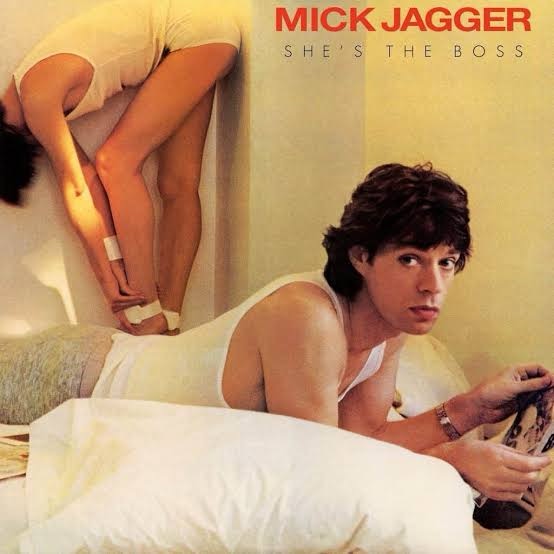
Mick Jagger – She’s the Boss (1985) In the 1980s, the top Stones drifted apart and instead of working together did solo albums. Jagger got a lot of publicity for this album, which sold a lot of copies but isn’t really memorable. A couple of songs are good (“Just Another Night”, “Lucky in Love”) but the rest are very generic and sound like Stones rejects. C+
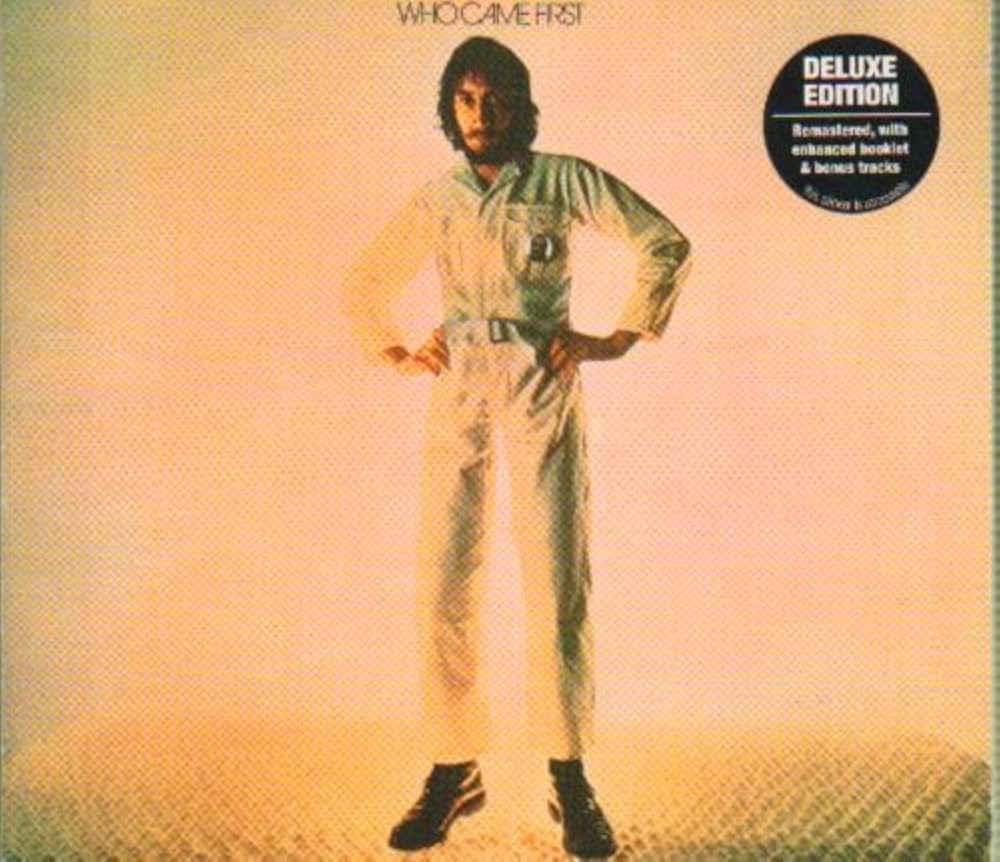
Pete Townshend – Who Came First (1972) Townshend gathered a few tunes previously released with some Lighthouse project demos and added a few additional songs for his first official album release. “Pure and Easy” is the most recognizable song here. Townshend’s name alone sold albums, but fans would need to wait until Empty Glass (1980) for Townsend’s first deserving solo album of original material. C-

Steve Winwood – Steve Winwood (1977) After years of leading Traffic, Winwood steps out front on his own. “Hold On” , “Time is Running Out” and “Vacant Chair” are very good, but not great songs. This is not the album critics and fans expected. Low-key, moody and meandering, the songs did not pop, they felt like a lazy river, going nowhere in particular. Winwood would rebuild his career, this was only the first rung, it would get better. B-

Keith Richards – Talk Is Cheap (1988) Keif figured that the other Glimmer Twin could release a solo album, so could he. This album sounds more alive than some Rolling Stones albums. Richards and his cowriter and co-producer Steve Jordan present a very enjoyable album. “Take it So Hard” and “You Don’t Move Me” are top picks. B

David Gilmour – David Gilmour (1978) A very stripped-down affair, not the huge production of a Pink Floyd project. “Mihalis” , “There’s No Way Out of Here”, “Cry From the Street” Gilmour writes most of the songs and produces. A bluesy, rock album, with lots of Gilmour guitar. He doesn’t use any of this for his set lists, too bad. A-
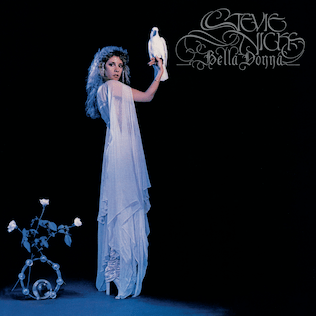
Stevie Nicks – Bella Donna (1981) Stevie Nicks was the breakout star from Fleetwood Mac. With production help from Jimmy Iovine and Tom Petty, this is a first-rate effort. Nicks wrote most of the songs, hired top session musicians and sings her heart out. “Stop Draggin’ My Heart Around”, “Edge of Seventeen” and the title track are the top songs, but it’s all good. A-

Donald Fagen – The Nightfly (1982) Steely Dan were on hiatus, so Fagen released a solo album. In places it sounds remarkably like a Steely Dan album, except with more jazz. The album picked up two Grammy Awards and was a strong seller. “I.G.Y.”, “New Frontier” and “The Nightfly” are superb songs. Like a Steely Dan album, there are several songs that I know are great, but just not my style. B+

Eric Clapton – Eric Clapton (1970) Finally, Clapton gathered songs and friends to record his own album. With help from Bonnie Bramlett, they wrote many of the songs while Delaney Bramlett produced. Clapton wrote several and covered a few others. In many ways this is Clapton’s warmest and best album. He covers a lot of ground including multiple genres. “After Midnight”, “Easy Now”, “Let it Rain” and “Slunky” are great songs. B

Alice Cooper – Welcome to My Nightmare (1975) I positively love this album and have for 50 years. Alice stayed true to sound of the Alice Cooper Group (ACG) by sticking with producer Bob Erzin. “Welcome to My Nightmare”, Department of Youth”, “Devil’s Food”, “Steven” Propelled by guitarists Dick Wagner and Steve Wagner, the strong guitar-riff sound of the ACG, along with Alice’s sense of humor/horror helped make this a great debut. A-
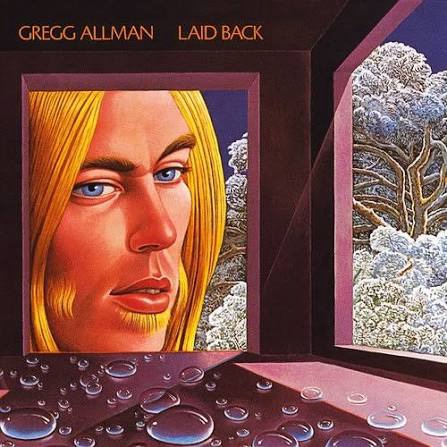
Gregg Allman – Laid Back (1973) Things were a bit tense in the Allman Brothers camp at the time Allman decided to record a solo record. Allman was still mourning his brother’s loss and not in the best of shape. Work continued on Brothers & Sisters, the ABB’s fourth album, while Allman worked on both. Allman’s version of “Midnight Rider” is superior to the ABB’s version. “These Days” is a classic, and Allman’s voice was already suited for the song, but in later years it would have even more meaning. The albums is a mixture of genres, but it suited Allman’s embrace of many styles of music. His debut record would be hard for him to match. B
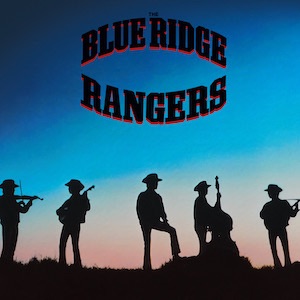
John Fogerty – The Blue Ridge Rangers (1973) Fogerty decided to record country & Western tunes written by others. Not exactly top 40 radio in the early 1970s. Fogerty didn’t use him name to promote it either. It would take Fogerty another decade to find success under his own name. D

Tony Banks – A Curious Feeling (1979) The first Genesis solo album was released by Steve Hackett, then Peter Gabriel, then Tony Banks. As a primary songwriter and leading musical force of Genesis, Banks was primed to release albums under his own name, and continuing his role in the band. A Curious Feeling was more progressive than rock, not exactly radio-friendly tunes, but finely constructed songs. The other issue is that Banks isn’t a strong vocalist, so Kim Bacon handles the lead vocals. Banks would sing lead on later albums. “From the Undertow”, “A Curious Feeling”, “For A While”, “In the Dark” This is a moody, ethereal and rewarding album. It’s not for everyone, but I still enjoy it. B+





 Ticket 2 Ride
Leave a reply to Mike Miller Cancel reply