
Paul McCartney: Man on the Run (2025) is a new documentary that appeared briefly in theaters last week and then premiered on Amazon Prime this week. Covering roughly the 1969-1980 period, from the end of the Beatles through the run of Wings, his arrest in Japan and John Lennon’s murder.
Produced by Amazon Studios in cooperation with McCartney’s MPL Communications, Man on the Run is a fairly honest and deep dive into his life and career during the 1970s.
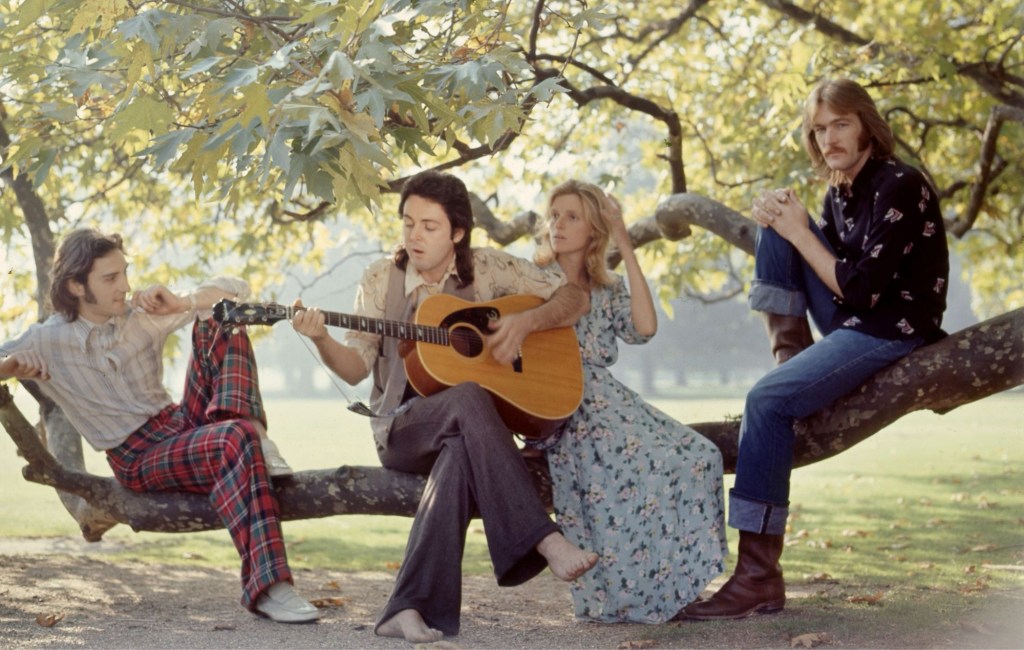
If I had to distill the period of his life into a sentence, it would be that after leaving the Beatles essentially in 1969, Paul McCartney had to grow up and establish his life going forward. The term “growing up” is used several times in the film, so I’m not climbing out on a limb. In the film you see him as a newly married man and starting his family. He obviously must restart his musical career apart from the Beatles. Despite having earned a vast amount of money as a Beatles, his finances were a mess and the dissolution of the Beatles tied up a lot of his money. As he would soon find out as a solo artist in charge of a band, he was naive about money – it was handled for him as a Beatle. The 1970s would be a transitional period for him, and when he got to the 1980s, his life would change again.
There’s a lot to like in this film. The home movies, interviews with former Wings members, family and voice-over reflections from McCartney himself, tell many compelling stories. Sean Lennon also helps to represent his father in the tangled and emotional relationship between John Lennon and McCartney. The film is somewhat successful at describing the back and forth between the ex-Beatles that resulted in their reconciliation, although there’s a lot that not presented. Ringo shows up in a backstage film clip, but nothing was mentioned about his relationships with Ringo or George Harrison, aside from the complicated legal case involving the dissolution of the Beatles as a business unit.
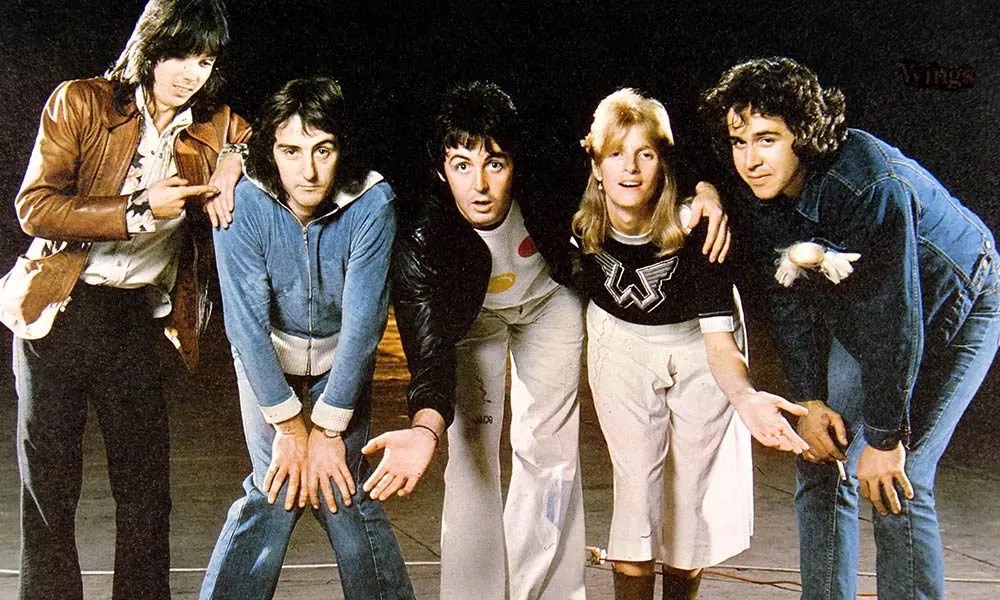
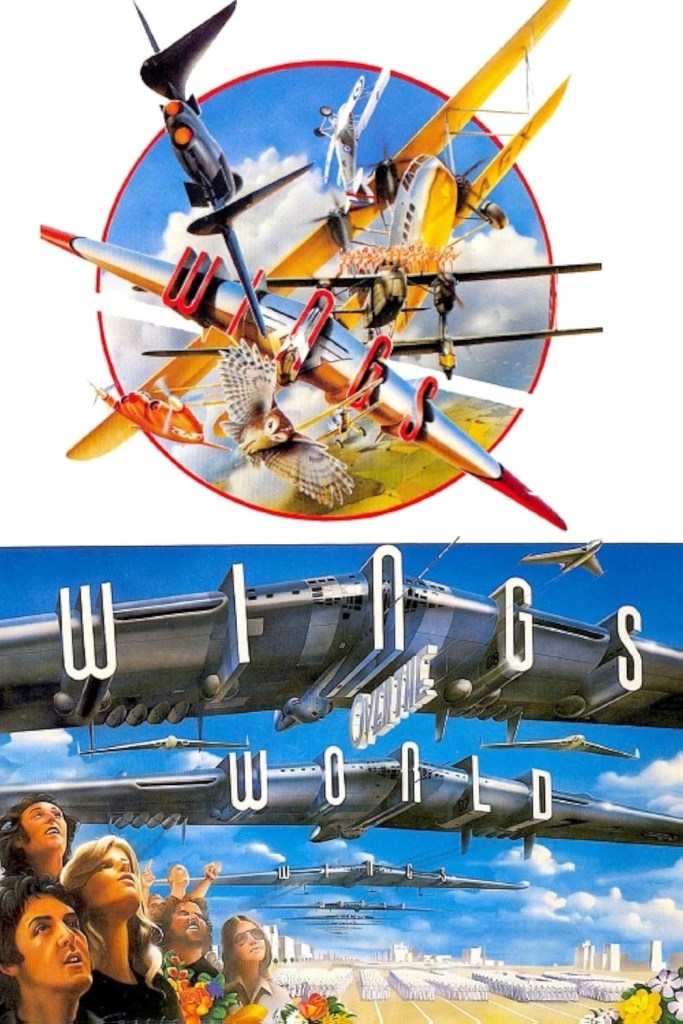
What was clear is that most of the members of Wings felt like underpaid and under appreciated as sidemen in McCartney’s band. In the end, McCartney would simply stop using the last Wings lineup including longtime member Denny Laine.
It’s interesting to look back at that 1969-1972 period, McCartney was searching for direction, drawing a lot of criticism for his albums McCartney, Ram and Wild Life, plus singles “Give Ireland Back to the Irish” and “Mary Had a Little Lamb”, and for putting his non-musician wife in the band. All of this only intensified his drive and creative juices to succeed. And boy, did he.
The film clips of recording sessions, concerts, home movies and news reports take the viewers inside and behind the crazy world McCartney was living. McCartney became an astute businessman, dealing with music publishers, Apple and especially Allen Klein taught him some lessons. McCartney was able to surround himself with trusted business and legal representation, which the film hints at, but takes direct aim at the nefarious Klein, and even includes Lennon later saying McCartney was right about Klein.
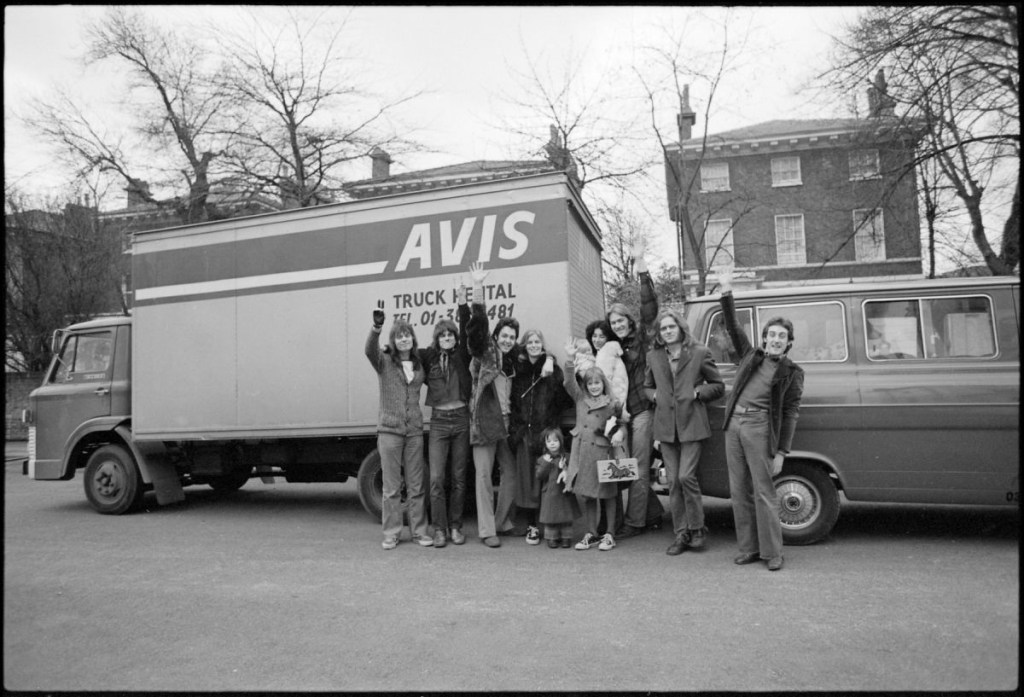
Most fans already know McCartney’s 1970s period, but the film, and particularly the creative style of the storytelling makes it a pleasant and enjoyable journey.

 Ticket 2 Ride
Leave a comment