
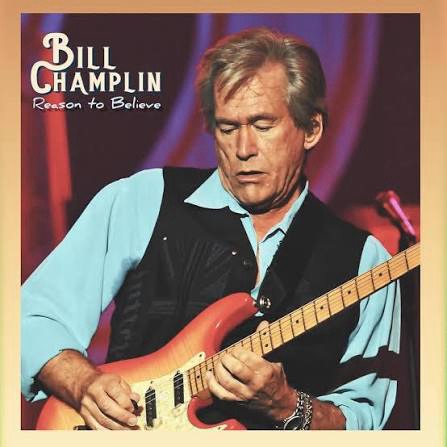
In the 1980s, singer-songwriter Bill Champlin was asked to join the band Chicago – he bridged the Peter Cetera era with the post Cetera years. Many people remember him as a member of the band, from 1981-2008.
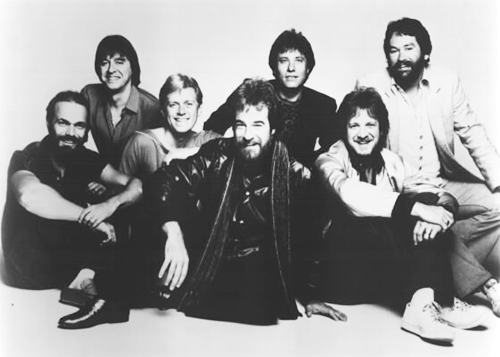
Champlin may be the least remembered former member of the band, which is surprising considering his long tenure, and keeping his solo career going at the same time. I have to be fully honest, those years he was in Chicago are my least favorite period of the band. They transitioned from rock to adult-contemporary and pumped out the schmaltzy power-ballads. They were trying to get played on the radio and sell albums – I get it. Recruiting Champlin gave them another lead voice, a proven songwriter, and someone to play guitar and contribute another keyboard part. Champlin had a deep, soulful voice that fit the late Terry Kath’s songs. Smart strategy.
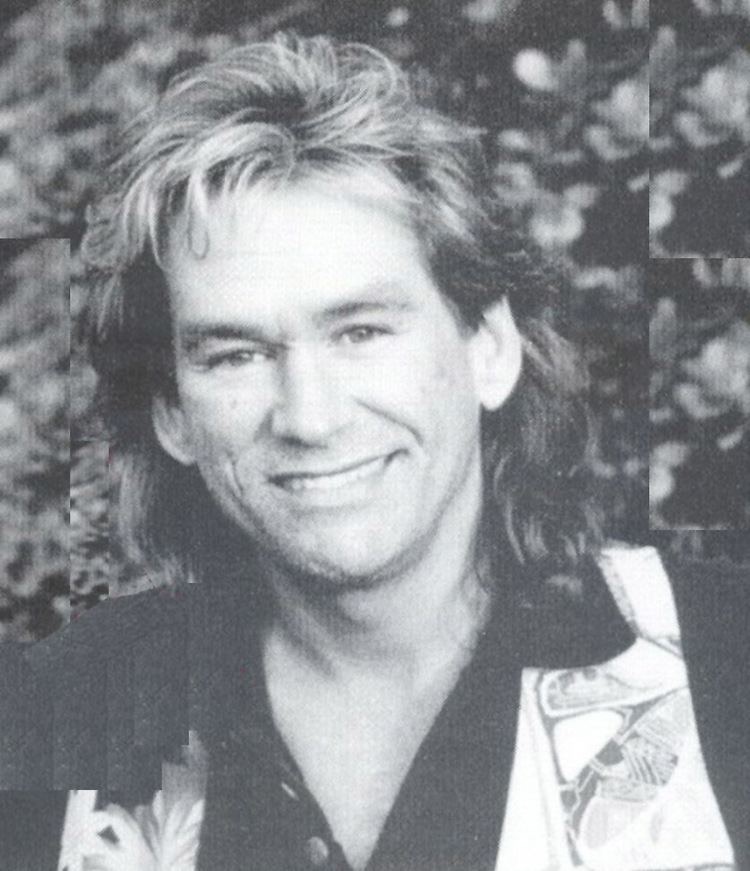
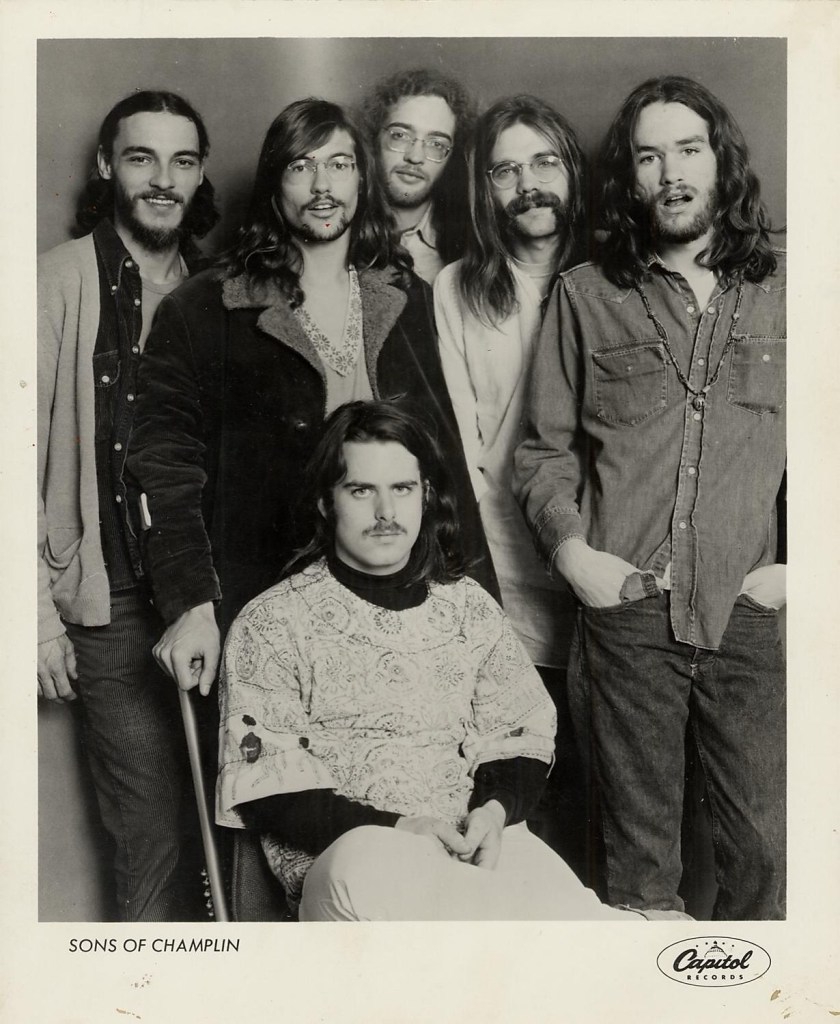
Champlin has enjoyed a really long career, reaching back to 1965 when he co-founded the rock band, The Sons of Champlin. He left in 1977 to join the Rhythm Dukes. He was doing a ton of session work in L.A. mainly as a vocalist, but also played guitar and keyboards.
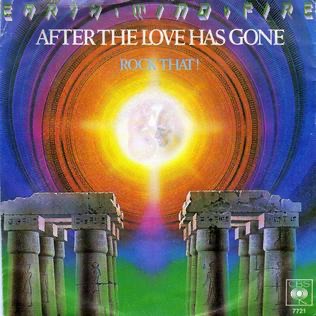
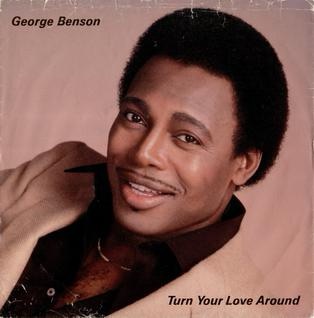
During this solo period he co-wrote several Grammy-winning songs. With guitarist Jay Graydon and producer David Foster composed “After the Love is Gone” which became a No. 2 hit for Earth, Wind & Fire in 1979. He also cowrote “Turn Your Love Around” with Graydon and Steve Lukather (Toto) which was a No. 5 hit for George Benson.
Champlin’s version “Turn Your Love Around”
Champlin’s version of “After the Love is Gone”
As a solo artist, Champlin wasn’t having a lot of success. His album, Runaway (1981), I thought was a bit too pop-rock vanilla, slick and generic L.A. sounding. But very competent and passable for the time. Chicago came calling. Champlin knew David Foster, who had overproduced Runaway and a prior single of his, who was now working with Chicago. It seemed like a dream job.
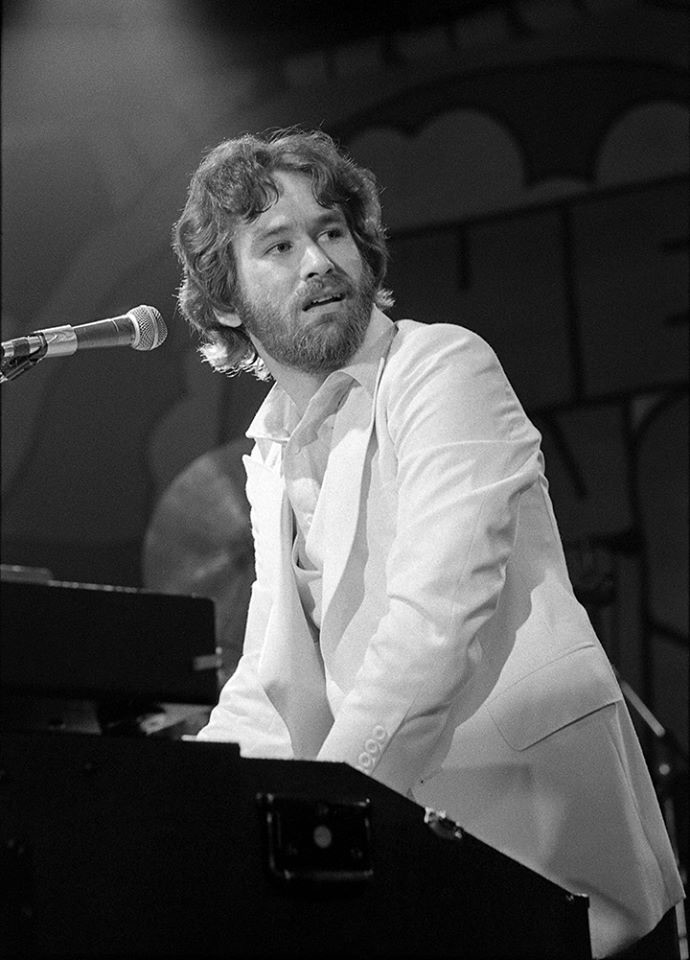
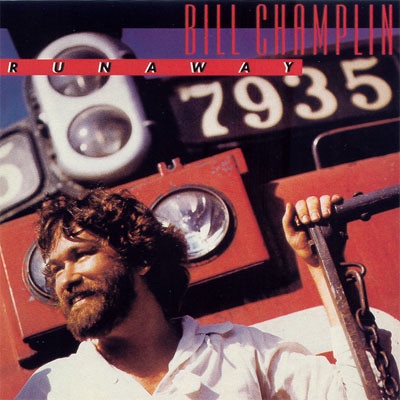
With Chicago, Champlin appeared on Chicago 16, singing lead or sharing lead vocals with Cetera on four tracks. He co-wrote “Sonny Think Twice” with drummer Danny Saraphine.
On Chicago 17 (1984) Champlin co-wrote “We Can Stop the Hurtin’”, “Remember the Feeling” and “Please Hold On”, while singing lead or sharing lead vocals on four songs, including the monster hit, “Hard Habit to Break.”
On Chicago 18 (1986), Champlin had only two songwriting credits, but sang lead or co-lead on seven songs.
Chicago 19 (1988) found the band outsourcing most of the writing to people like Diane Warren. Champlin cowrote two songs, but sang lead or co-lead on five songs, including Warren’s “Look Away”, the last number one charting song by Chicago
Twenty 1 (1991) continues the trend of outsourcing the writing, although Champlin cowrote three songs. He sang lead or co-lead on seven songs. This was one of Chicago’s weakest albums, certainly in terms of sales.
Night & Day: Big Band (1995), and time for something really different – big band, swing and jazz. All covers. Champlin sang on four tracks.
Chicago XXV: The Christmas Album (1998) was mostly holiday songs. Champlin cowrote one song and sang on 10 on the songs.
After a long gap of an album of original songs, Chicago XXX (2006) arrives with most of the songs including one or more band members sharing writing credits. Champlin had four writing credits and seven lead or co-lead vocals.
Stone of Sisyphus (2008) was a long-delayed album. Champlin shares two writing credits, and provides lead or co-lead vocals on six songs.
Chicago was continually on the road, even when they were weren’t supporting a new album.
Champlin departed Chicago in 2009, a split that evokes snarky comments from both sides. Champlin is barely mentioned in the Chicago film documentary, who has said in interviews that the original members prefer to forget that period, and focus on their old stuff. Champlin defends the Foster-Cetera years as saving the band from obscurity and making them a lot of money in the process.
Interestingly, former Chicago drummer Danny Seraphine has his own group, CTA (Chicago Transit Authority), which plays a lot of Chicago tunes. Champlin has played with CTA on occasion. Seraphine was fired from Chicago years ago. A few years back, Seraphine, Champlin and another former Chicago member, Jason Scheff, were all on stage together. Scheff had joined Chicago to replace Cetera on bass and sing lead on his songs.
Champlin is still going strong in his 78th year. He’s rejoined Sons of Champlin, formed Bill Champlin and the WunderGround, and was a part of Bill Champlin Joseph Williams Peter Friestedt *All Star Band*, and released more solo music and played with other artists.
If I sound like I don’t respect Bill Champlin, that’s not true. He’s very talented and he’s got the Grammys and platinum records to show for it. To still be in the game at his age is saying something to his creative drive and reputation.




 Ticket 2 Ride
Leave a reply to Mike Miller Cancel reply