
MTV, the channel created to play music videos, hasn’t played them for years. In fact, MTV has little to do with music. Neither does VH1 or CMT, two other channels created around music.
What happened?
Cable television channels, or networks as some are designed, are business assets, and therefore are apt to be bought, sold, merged, rebranded or terminated. Fads, consumer interest, demographics or business models change, and suddenly your favorite channel goes from independent films to “reality” programming and game shows. It’s about viewers, advertising dollars and asset value. The list below is not about a channel dropping a show, it’s about a major transformation that changes the concept of that channel. But I want my MTV! Go suck it, kid! You’ll get reality shows and like it!
[Side note: By the way, the term “reality show” or its classification as “unscripted entertainment” is less than honest. There are a lot of hands in the mix to guide and create interesting events on camera. Whether it’s casting, arranging production, producer feedback, staging events or interactions, editing, or producer assistance to stoke the drama, it’s semi-reality at best.]
What most of the channels below have in common is ownership by a few giant media corporations, who acquire them like game pieces, wanting viewership demographics or program libraries. The channel names, in most cases, have nothing to do with the content or original focus. Most of the channels below were created in the 1980s or 1990s, they have passed through so many hands you’d think they were party girls in a hangout for sailors.
The decline of intelligent, original programming mirrors what is referred to as the decline of linear television viewing. In other words, people are preferring to stream, and select their own program choices, rather than watching what is fed into their TV. More and more people are cutting the chord, and have more digital content choices.
Now, time to travel down memory lane. Thanks, for the memories….
MTV
Music Television, with video music jockeys, music news, music videos (of course), live concerts (Live Aid, Live 8, Woodstock, interviews, programs about music and musicians.
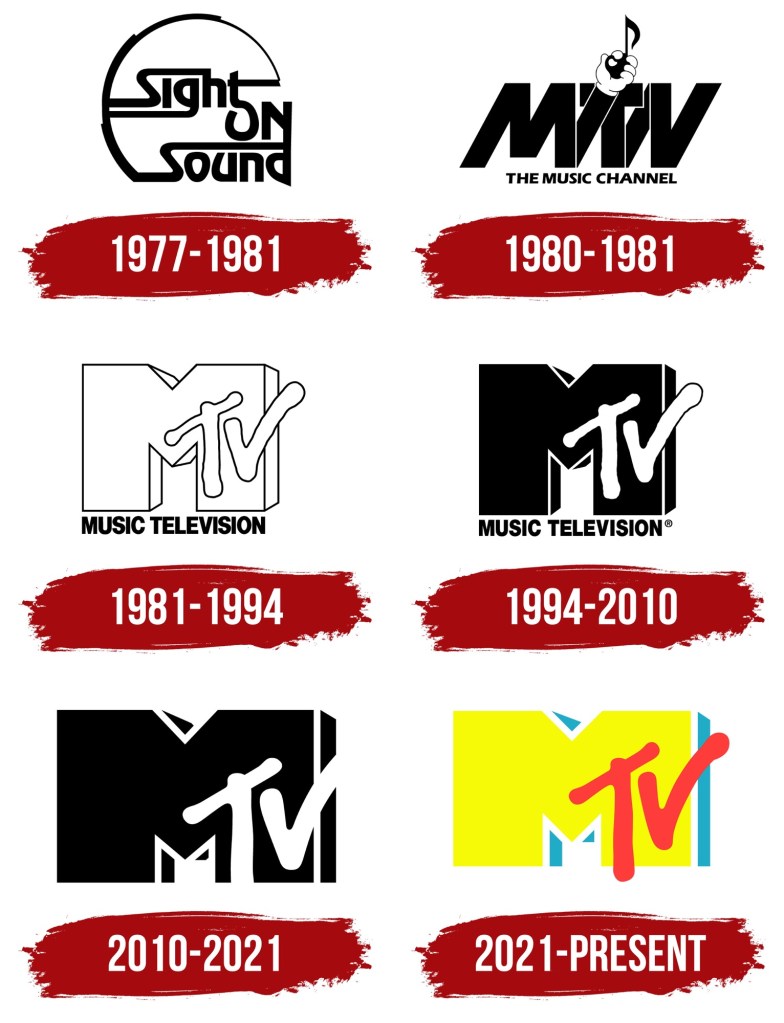
Premiering in 1981, MTV revolutionized how people looked at and listen to new music. This lasted for 20 years, but music video content had been on the decline for a number of years. The MTV Music Video Awards began in 1984 and became a major cultural award, and continues airing to this day.
Then, reality shows began to creep into the programming lineup and eventually, that’s all, folks. Jersey Shore, The Osbournes, The Real World, Catfish, House of Style, Singled Out, Road Rules, Jackass, Punk’d, and many other shows.
VH1
Created for an older generation of music fans. Like its sister MTV, music no more. Launched in 1984, it was the remnant of a Ted Turner vehicle that started as Night Tracks, an alternative to MTV. He sold it to Warner Bros. and it turned into VH1. After a few years, the music focus shifted to classic rock, adult contemporary and Top 40.
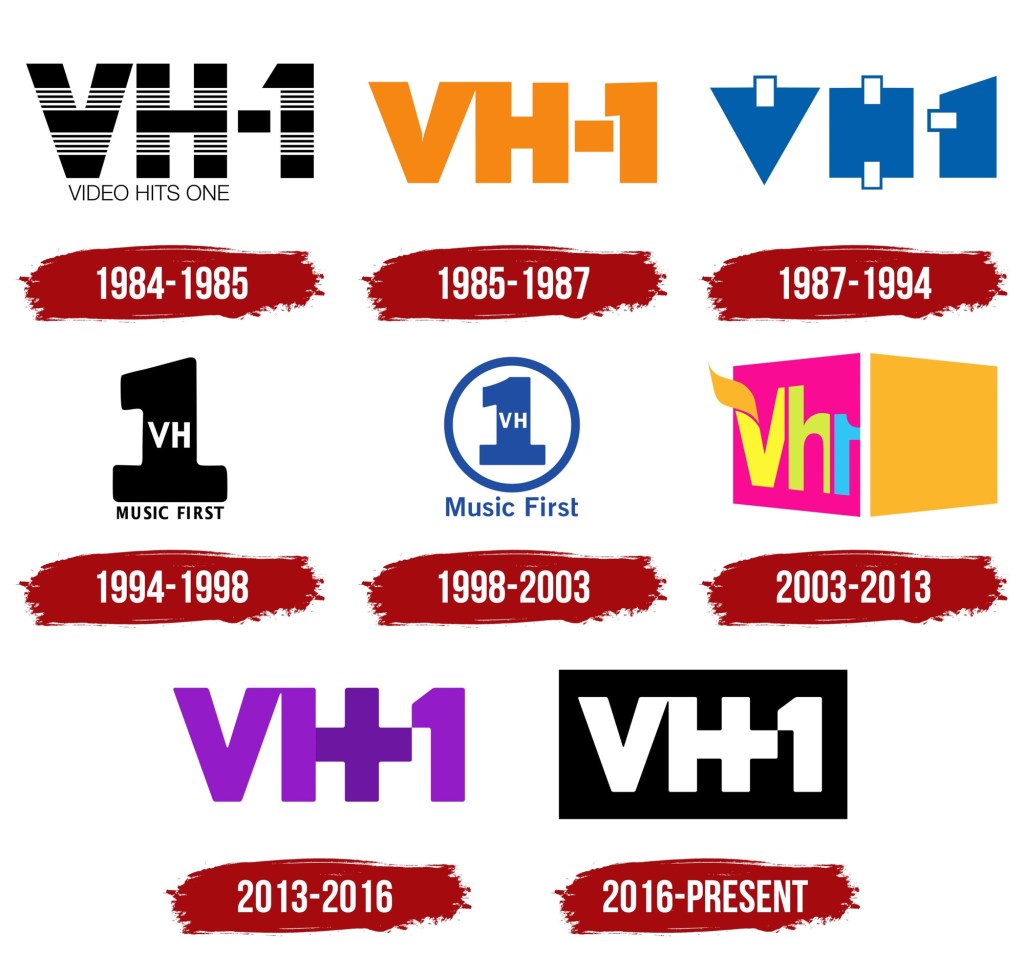
Later came the reality programming such as Behind the Music, the I Love… series, the Celebreality block, The Surreal Life, Flavor of Love, Love & Hip Hop, and Basketball Wives.
TLC
Delivering big laughs, real emotion and true escapism, TLC brings together the best in scripted and unscripted entertainment – from comedy to culture, movies to medical reality. – TLC website
TLC used to stand for The Learning Channel. Acquired by the Discovery Network in 1998, TLC is about “reality” shows about broken people. Trash TV.
Body Parts, Breaking Amish, Best Funeral Ever, America’s Worst Tattoos, 1000-lb Best Friends, Crack Addicts, Extreme Cougar Wives, I Love a Mama’s Boy, My Giant Life, My Five Wives – all actual TLC shows.
Media stars are made of those featured on these programs who are exploited (usually willingly) in their searches for happiness or love (or both). Just what we need, people who are famous for being famous. I admit, I watch this channel occasionally, just like I can’t turn away from a fire or car wreck.
History Channel
The History Channel was originally programmed with shows, documentaries and films that taught, as well as entertained, about historical events and personalities. It wasn’t about a pawn shop family and staged buying of “valuable” items, cutting down forests or truckers on icy roads.
The channel even employed several former newspersons (Roger Mudd, Sander Vanocur) who introduced programming and led discussions with historians. This was in the early years of a focus on military history and WWII in particular.
The channel has received a lot of criticism from many different directions over programming about conspiracy theories, ancient aliens, the end of the world and other topics called pseudoscience.
A&E
A&E used to stand for Arts & Entertainment, a merger of the Arts Channel and The Entertainment Channel in 1984. A longtime program, Biography, was a key A&E show. In 1995, the name was changed to A&E Network, as programming shifted away from the anything thought of high-brow entertainment, towards more general fare. Reruns of mystery and crime shows were popular programming.
Reality television began to show up on the schedule. Duck Dynasty, Wahlburgers, Dog the Bounty Hunter, Married at First Sight and Storage Wars boosted viewership, along classy shows like with WWE Wrestling and Secrets of Playboy. Longmire ran several seasons before moving to Netflix.
Bravo
Bravo used to feature arts-related and film-related programming. Inside the Actors Studio with James Lipton, was a long-running program. Page to Screen discussed turning a written story into a film.
Bravo is the premier lifestyle and entertainment brand that drives cultural conversation around its high-quality, interactive original content across all platforms. – Bravo website
The Real Housewives, Vanderpump Rules, Project Runway, Bravo’s Love Hotel and Below Deck are the premier series now on Bravo. Bravo is currently owned by NBCUniversal.
CMT
Country Music Television. Launched in 1983, it was acquired by Gaylord Entertainment in 1991. Gaylord also owned The Nashville Network. Country Music Television no more. CMT was country music oriented programming. Now, its reruns of sitcoms and reality shows. Now owned by Paramount/Skydance.
TNN (see CMT)
The Nashville Network is now Paramount/Skydance. Music is a lesser focus.

In the beginning, talk/variety shows like Nashville Now (hosted by Ralph Emery), Crook & Chase, Fandango, and regular broadcasts of the Grand Ole Opry. NASCAR and The Dukes of Hazzard were staples. New owners shifted away from the country music image, dropping Nashville from the name. The channel was rebranded as Spike TV, with the focus on mixed martial arts, Bar Rescue, Ink Master, and other programming aimed at an aggressive male audience. Then, in 2018, the channel became the Paramount Network, which kept some of the programming but added Yellowstone and content from Paramount/Skydance owned libraries.
SyFy
Premiering in 1992 as Sci-Fi Channel, now known as SyFy. After many sales and handoffs, the channel is owned by NBCUniversal (Comcast), and assigned to a spinoff company called Versant.
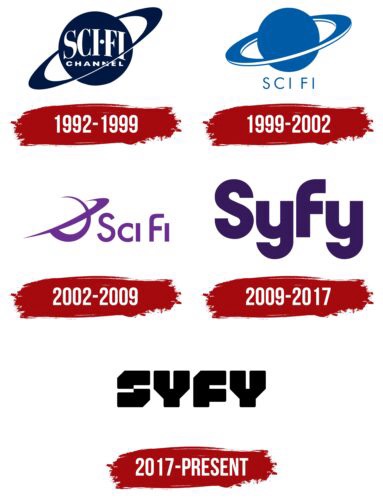
The early schedule included Star Trek, Dark Shadows, Doctor Who, Night Gallery, and many films of the horror or supernatural genre.
The channel’s focus has moved beyond science fiction as the corporate leadership has introduced programming like the Olympics, crime dramas, WCG Ultimate Gamer, and professional wrestling from WWE (including ECW, NXT, and SmackDown).
AMC
AMC used to stand for American Movie Classics. Now it’s just AMC. What began as a subscription fee channel that presented classic movies from the Golden Age of Hollywood, with no commercials. George Clooney’s father was one of the hosts.
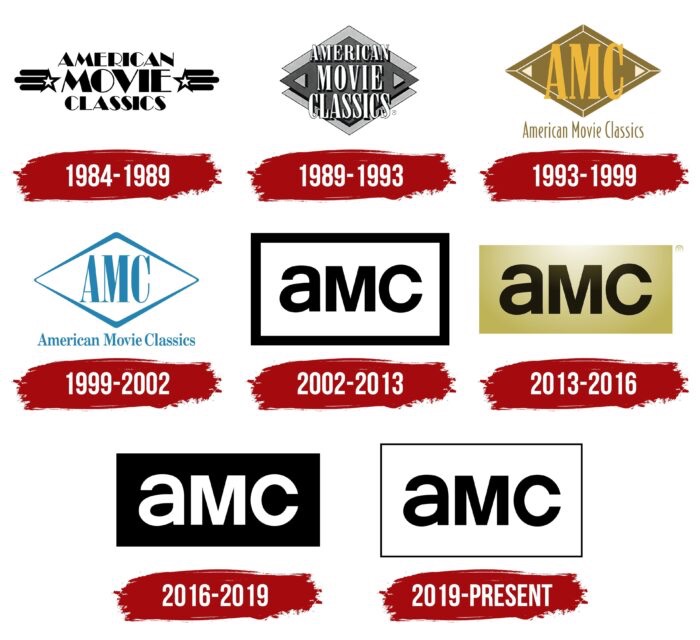
Then, commercial were added, but with only interruptions. Then, a lot of interruptions. Then, original drama programs were added and the focus shifted from “classic films” to more recent films and edgy series. AMC became like another channel, only it showed Breaking Bad, Mad Men, The Walking Dead, Dark Winds, etc.
CourtTV
Courtroom Television Network was launched in 1991, with a goal to feature live court proceedings and legal-based shows. CourtTV was there for the O.J. Simpson and Menendez brothers trials.
Later, the channel began running drama series in the evenings. New owner Time Warner changed the name to truTV, with an expanded focus beyond legal programming. Scripps bought the CourtTV name and rights to programming in 2018, relaunching CourtTV as a digital over the air channel.
Discovery Health
Discovery Health (with had merged with FitTV) was transformed into the Oprah Winfrey Network (OWN) in a deal with Warner Bros./Discovery. Remnants of the health and fitness content lives on in Discovery Life.
The WB and UPN
The WB Television Network, formed by Warner Bros., Tribune Broadcasting and Jamie Kellner. United Paramount Network (UPN) was formed by United Television (a subsidiary of Chris-Craft Industries) and Paramount Television (a subsidiary of Viacom). Warner Bros. and Paramount each launched broadcast networks to ensure a platform for their television products. Neither was very successful against the other networks, so they merged their channels in 2006, creating the CW (C for CBS which owned UPN at the time, and W for Warner Bros.).
The WB’s target audience was the 13 to 34 age group. The Jamie Foxx Show, The Steve Harvey Show, 7th Heaven, Gilmore Girls, Smallville, Everwood, Dawson’s Creek, Felicity, Charmed, Buffy the Vampire Slayer were the popular programs. A hip network was closed when it merged.
UPN programming included: Star Trek: Voyager, Star Trek: Enterprise, Roswell, Veronica Mars, Malcolm and Eddie, Moesha, Clueless, The Parkers, The Hughleys, America’s Next Top Model.
The CW kept many of these programs and natural added to it. Each of the two networks had somewhat different audience targets, so the combination made sense.
Classic Sports Network
Classic Sports was acquired by ESPN, and renamed ESPN Classic. After a year or two it was shutdown.


Old sports programming, such as games, matches and other events, along highlight shows and celebrity game shows disappeared into vaults somewhere. I miss this old channel, thankfully, some of the content is available on YouTube.
SoapNet
Owned by Disney/ABC, repeats of ABC soaps were aired in the evenings. Episodes of older daytime and evening soaps were shown.

I’m not a watcher of daytime dramas, so I never watched. Soaps seem to have been replaced by reality TV programs. This channel was shutdown the channel assignment became Disney Jr, which has nothing to do with the subject of daytime dramas. Launched in 2000, the channel stuck around until 2013.
The Comedy Channel
A merger of the Comedy Channel and Ha! Resulted in The Comedy Network, soon to be Comedy Central in 1991.
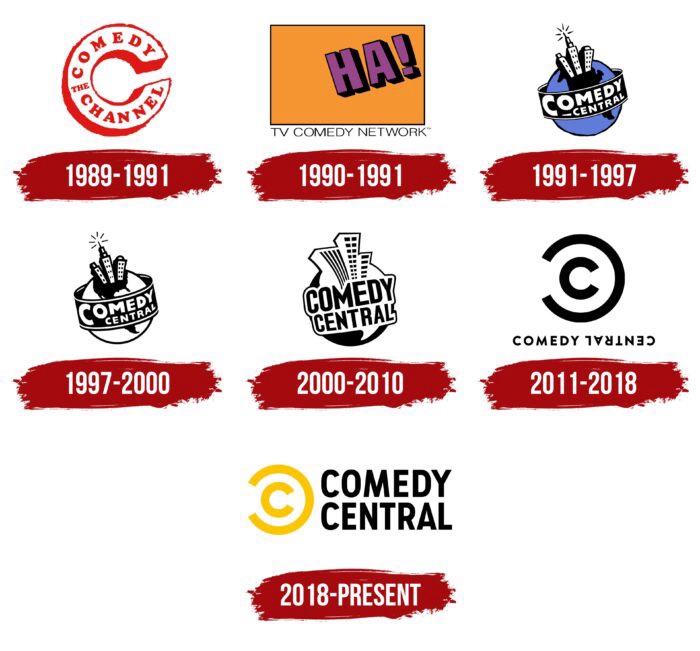
The Comedy Channel had some great reruns of Monty Python and classic cartoons. Comedy Central is now owned by the corporate bloodsuckers Paramount-Skydance. Older programming content was removed from Comedy Central and place within the bowels of subscription service, Paramount+.
This obviously isn’t every channel that has undergone a rebranding or complete makeover.



Leave a Reply