
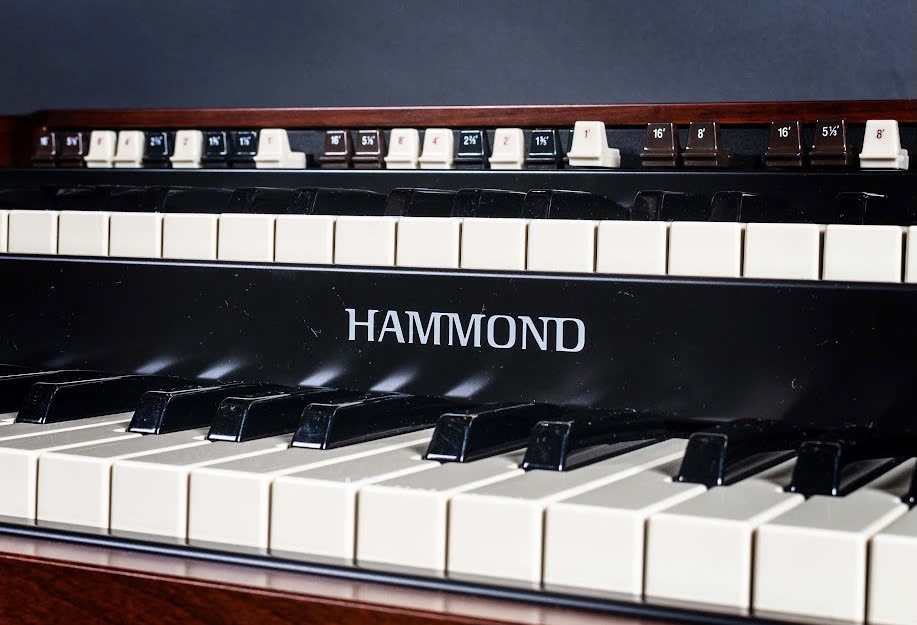
I pity the roadies who used to haul those large, heavy Hammond B3 organs from gig to gig. There were other, smaller keyboards at the time, but no alternative to the sound of the Hammond.
Some of these guys still toured with the Hammond, Winwood and Allman were two I saw in concert with them. The organ has such a unique sound, maybe it’s the deep, echoing sound of the church organ that gets ingrained in your head. Technology evolved the keyboard into smaller, more portable and more versatile sound generators, but the original Hammond organ through the Leslie speaker sound is hard to beat.
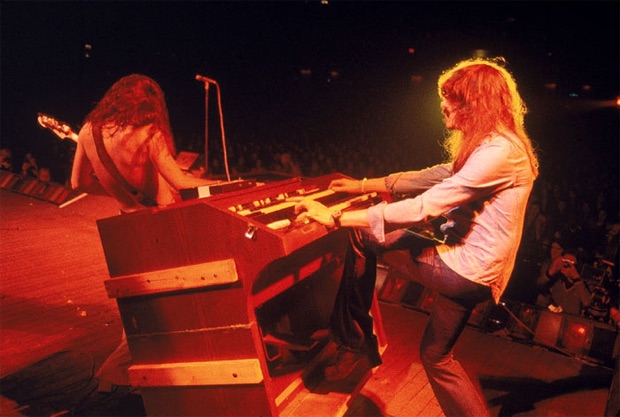
Jon Lord – Founding member of Deep Purple, he was the musical counterpoint to Ritchie Blackmore’s guitar. Lord used the Hammond and integrated the Moog into his sound, but it was “Hammond-Leslie sound through Marshall amplification, Lord created a growling, heavy, mechanical sound” as stated on Wikipedia. Lord’s sound was fairly easy to recognize. The song “Hush” represents Lord’s sound. Machine Head, Who Do Think We Are and Live in Japan are classic Lord.
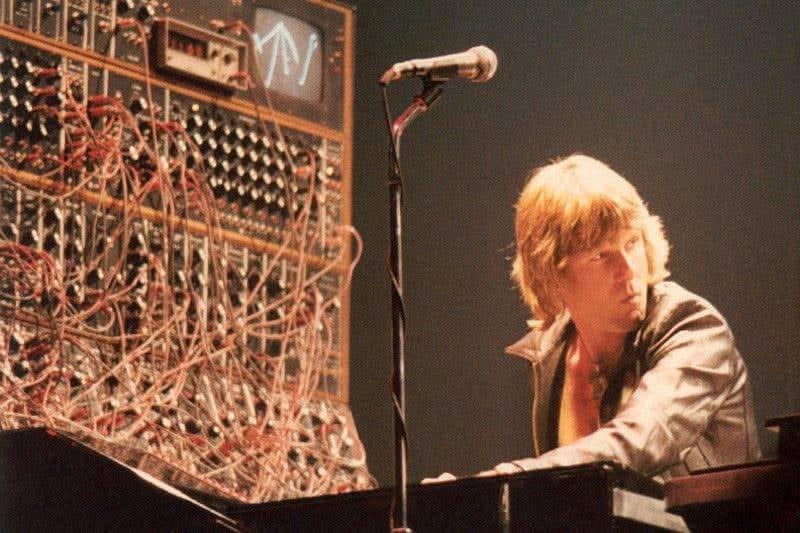
Keith Emerson – Founding member of The Nice, and Emerson, Lake & Palmer. Emerson’s keyboards were the foundation of those groups. While he infused synthesizers and piano into his arrangements, the organ was the key to his sound. He played notes faster than the ear could process the sound. “Fanfare for the Common Man”, “Jerusalem”, “Tarkus” and “Karn Evil 9” are just some of his influential works.
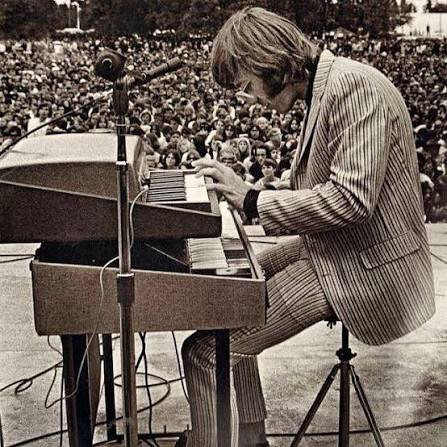
Ray Manzarek – Co-founder of The Doors, one of the architects of the band’s musical sound. From the opening notes of “Light My Fire” to the eerie intro to “Riders on the Storm”, Manzarek’s fingers painted the soundscape of the late 1960s. Mainly he played the Vox Continental combo organ, Gibson G-101 Kalamazoo combo organ and a Farfisa organ, and the Fender Piano Bass with his other hand. Absolutely amazing.
Steve Winwood – The Spencer Davis Group, Traffic and Blind Faith, plus a lengthy solo career. He played a variety of keyboard instruments and the guitar. From “Gimme Some Lovin’” and “I’m a Man”, to “Glad”, “Freedom Rider”, “Freedom Overspill”, “Holding On” and “The Low Spark of High Heeled Boys”, Winwood has lots of different sounds, incorporating jazz, R&B and World Music.
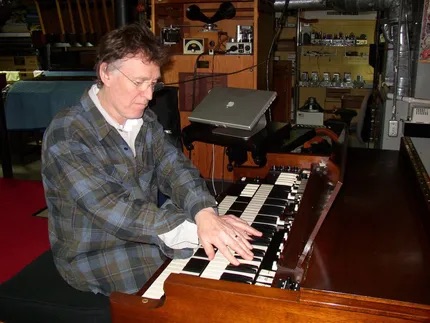
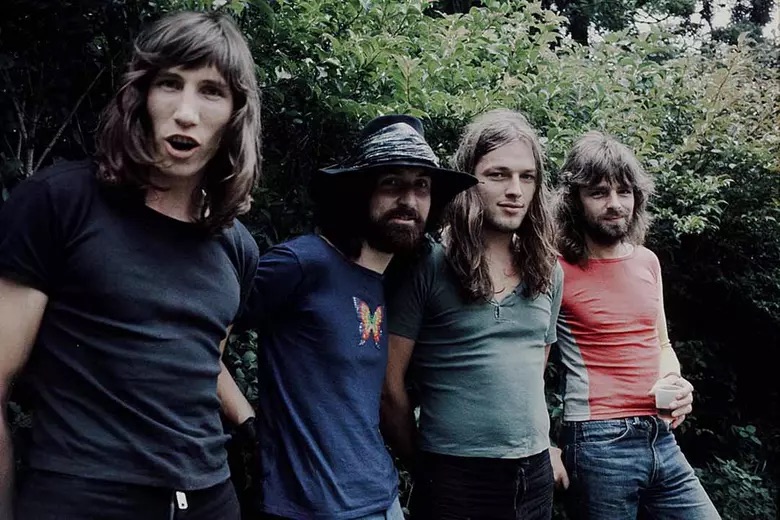
Richard Wright – A member of Pink Floyd (of course). He was a major songwriter in the early years. His fills and gentle chords were a huge chunk of Floyd’s soulful, ethereal sound. His work on the 1970s Floyd catalogue was outstanding, giving it grit or dreamy textures, whatever was needed. His work was often copied, but never replicated.
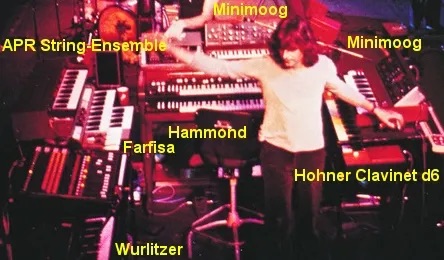
Other worthy selections:
Gregg Allman – Founding member of the Allman Brothers. Played the organ, piano and also the guitar. Besides the ABB, Allman had a successful solo career. A deep, soulful voice, he helped define whatever Southern Rock was meant to be. Not a flashing keyboardist, his role was to set the stage for the guitar players in the band and provide fills.
Booker T. Jones – Founding member of Booker T. & the MG’s. “Green Onions” was his signature sound. His band represented the Memphis Sound or the Stax Sound since they were the house band for the label. He played thousands of sessions over his long career and is still going strong.
Billy Preston – A member of Ray Charles’ band and toured with Sam Cooke before playing sessions with the Beatles. He played organ on “Let it Be”, and electric piano on “The Long and Winding Road” among other songs. Played the organ on the Rolling Stones’ “Can’t You Hear Me Knocking”, and clavinet on “Heartbreaker” and other songs. He was a touring member of the Rolling Stones for years, and had a successful solo career.
Rod Argent – Original member of the Zombies and founder of Argent. With the Zombies he wrote She’s Not There”, “Tell Her No”, and “Time of the Season”. His band Argent had a big hit with the keyboard heavy “Hold Your Head Up.”
Garth Hudson – Maybe the least well-known of anyone on this list. A consummate musician, Hudson is primarily known for his work with The Band, yet he released several solo albums and contributed to many recordings as a session player. It was his soulful playing that found the heart of The Band’s songs. “The Night They Drove Old Dixie Down”, “The Weight” and “The Shape I’m In” are notable songs where Hudson played his Lowery organ. He also played saxophone and accordion.
Rick Wakeman – A showman like Keith Emerson, Wakeman wearing his cape and racks of keyboards was quite the spectacle. A periodic member of Yes, my favorite tracks with his organ sound were “South Side of the Sky”, “Roundabout”, “Heart of the Sunrise” and “Parallels.” Wakeman was classically trained, also dabbled in jazz and blues, and has released many solo albums.
Chuck Leavell – Member of the Allman Brothers Band, founder of the Jazz-fusion band Sea Level. Longtime touring keyboard player for the Rolling Stones.
John Paul Jones – A busy session player in the 1960s before he joined Led Zeppelin. He played a variety of keyboards on all Zeppelin albums except Presence (which used no keyboards).
Larry Knechtel – A member of the Wrecking Crew playing on thousands of sessions, a member of the soft-rock group Bread. Contributed organ on the Beach Boys’ Pet Sounds album. He was a proficient bass player, guitarist and a variety of keyboard instruments. He played piano on Simon & Garfunkel’s “Bridge Over Troubled Waters.”
Tony Banks – Member of Genesis and one of the main writers. Through the 1970s, his work was heavy with organ, piano and Moog, incorporating new sound capabilities into Genesis recordings. It was often Banks taking the solos instead of Antony Phillips, Steve Hackett or Mike Rutherford.
Gregg Rolie – Member of the original Santana band and co-founder of Journey. His organ playing and lead vocals were important to those bands. Favorite Santana songs with Rolie: “as “Black Magic Woman”, “Oye Como Va”, “No One To Depend On” and “Evil Ways”. Favorite Journey songs with Rolie: “Feeling That Way” / “Anytime”, “Wheel in the Sky”, “Any Way You Want It” and “Just the Same Way”.


 Ticket 2 Ride
Leave a comment