

I’ll be the first to say that I don’t know much about jazz. For many decades I’ve listened to jazz that crosses over into rock, especially progressive rock. I know what I like and what I perceive as inventive, colorful and stimulating the emotions. I’m not a jazz snob, ask me questions about jazz greats, and I’ll surprise you with my ignorance. I write very little about jazz, because I’m still learning, but I keep looking for new albums and artists that expand my vibe.
Let’s look at several jazz albums that fascinate me, several brand new to me, others that I learn more about with each listen.
Heavy Weather (1977) – Weather Report
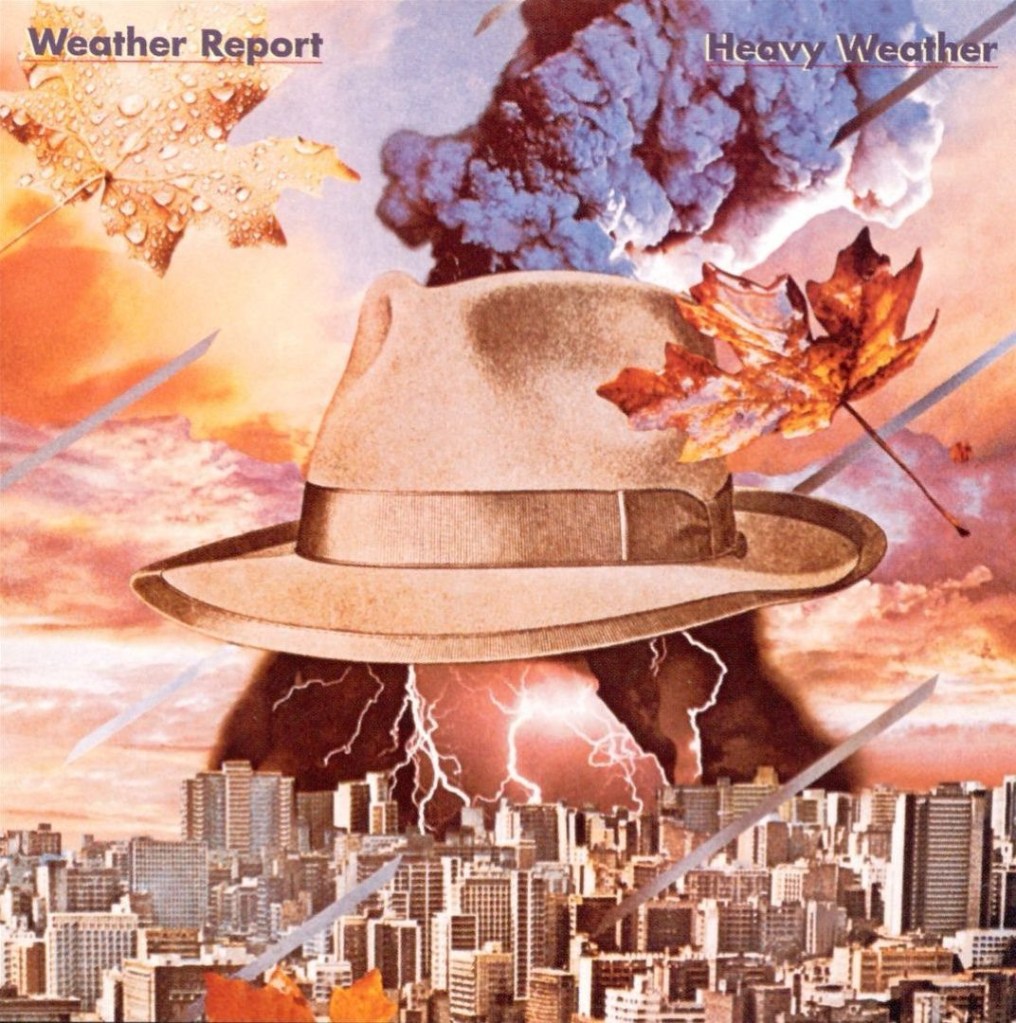
Wayne Shorter, sax Jaco Pastorius, bass, drums, mandolin Joe Zawinul, keyboards, guitar, drums, bass Alex Acuña, drums, percussion Manolo Badrena, percussion. Incredible musicians, all of them.
Jazz-fusion at its most accessible. I have to thank my friend Tommy for introducing me to this sound, although it took years for me to fully appreciate what this album was.
Some call this “easy listening jazz” because it is smooth, easy to digest and has apparent musical hooks. I was attracted to artists like Spyro Gyro, Foreplay, Larry Carlton, Bob James, The Rippingtons and Pat Metheny. We like what we like.
“Birdland”
Bitches Brew (1970) – Miles Davis
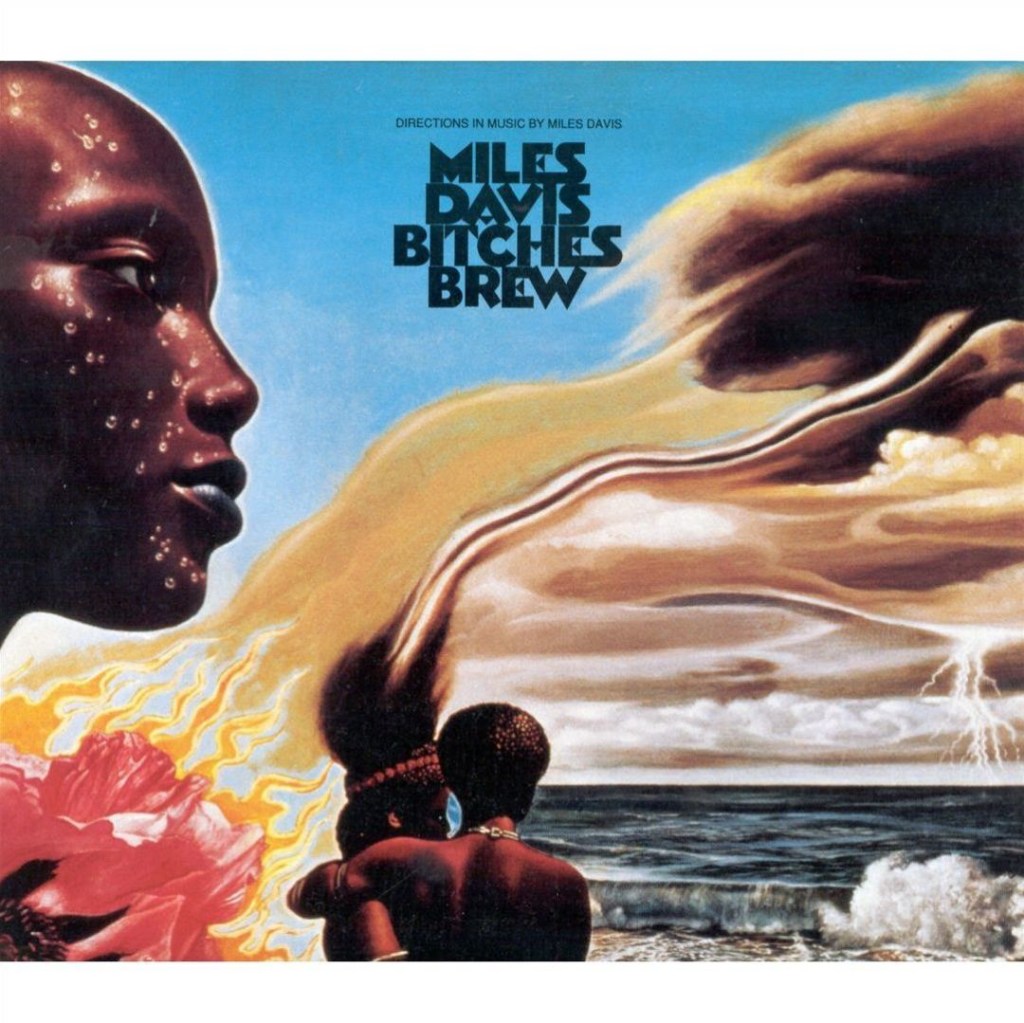
The one album I’m still working on penetrating remains allusive, but I’m making progress. What a long list of contributors to this groundbreaking work of jazz. The large number of musicians on the record – three keyboardists, two bassists, and two drummers, etc. – is like a busy urban expressway. Bands like Ginger Baker’s Air Force and later versions of King Crimson employed musical duplicates to create an ocean of music.
This album is noted for a changing direction in Miles Davis’s sound, one that he was criticized for. I’m not familiar with much of his earlier work, so I’ll accept the printed opinions at the time. In reading about the album, I learned that producer Teo Macero edited the compositions together, picking pieces of performances to create these very long tracks.
processing his trumpet with echo, working with electric keyboards and electric guitar, adding new percussion colors and experimenting with rock rhythms.
Offramp (1982) – Pat Metheny Group
Never one to stand still, Metheny trots out his new addition, the Roland GR-303 guitar synthesizer. A guitar was not just a guitar, technology began transforming the electronic guitar into an orchestra of new sounds, which are displayed on this album. The Synclavier was another early sampling instrument that both Metheny and Mays played on the album.
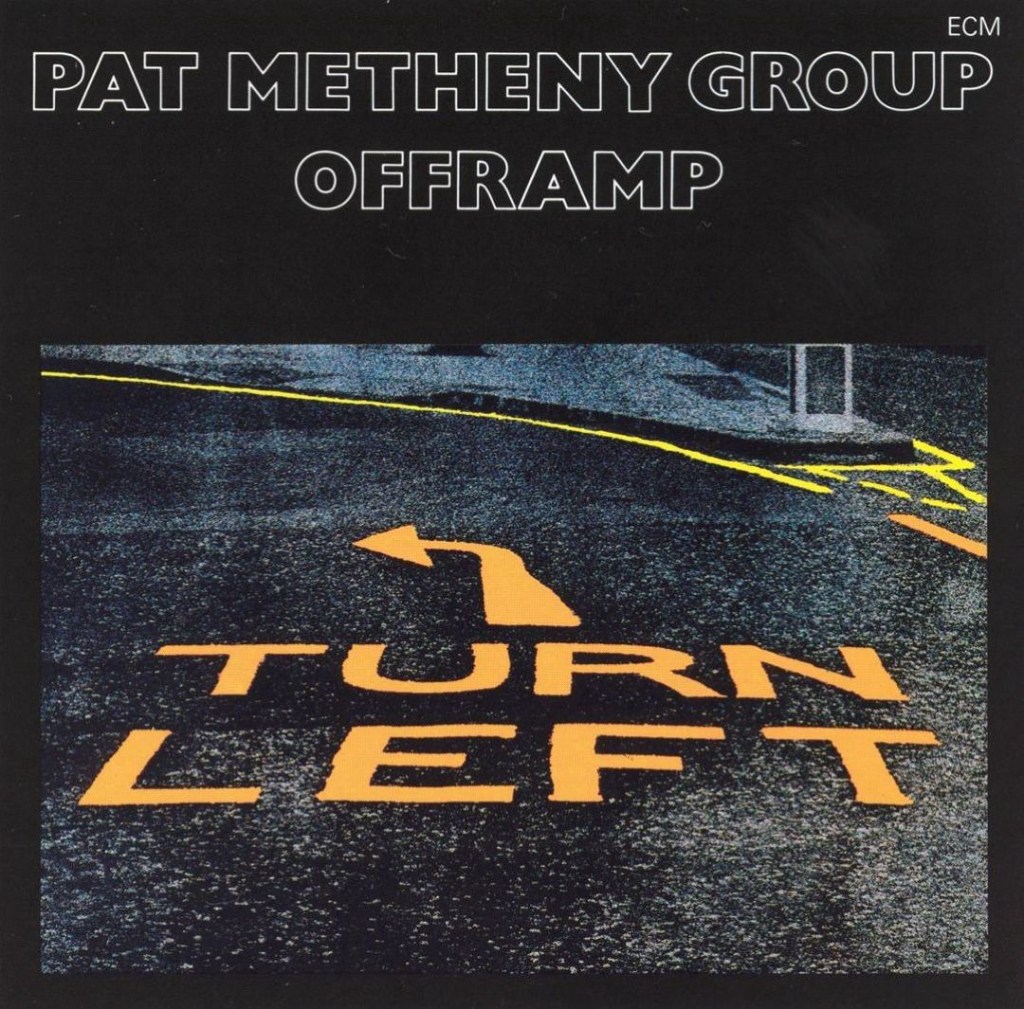
The songs on this record are relaxed and very open musically. Unlike As Falls Wichita, So Falls Wichita Falls, Offramp is not a loud frenzy of instruments, it’s a cool-jazz version of jazz-fusion. The soundscapes are airy and the notes breathe.
This version of the PMG were Pat Metheny, Lyle Mays, Steve Rodby and Danny Gottlieb along with percussionist and vocalist Naná Vasconcelos.
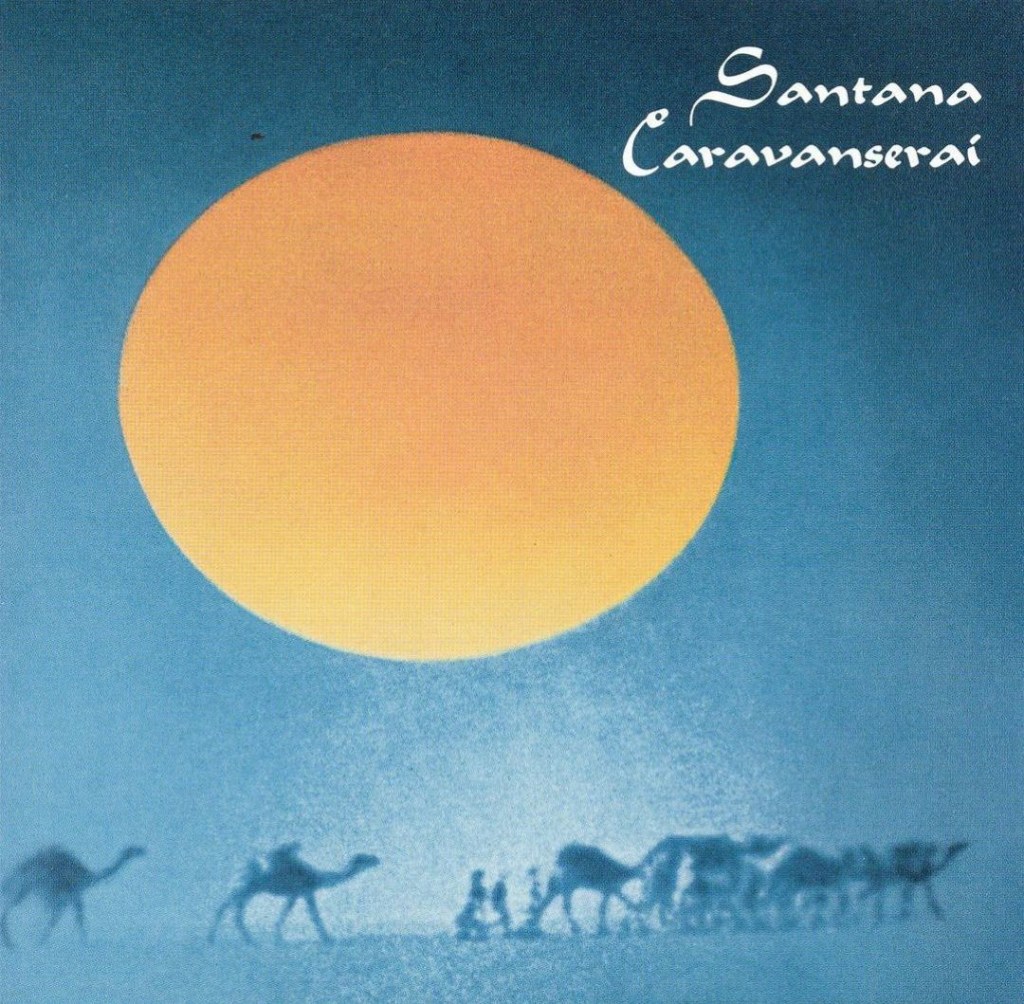
Caravanserai (1972) – Santana
I’ve written about this album before so I won’t dwell on it. The fourth album by the Santana group. Caravanserai is a transitional work as Carlos Santana moved toward jazz-fusion as Greg Rollie and Neal Schon moved towards starting Journey.
The Inner Mounting Flame (1971) – Mahavishnu Orchestra
All music.com’s Richard S. Ginell wrote that The Inner Mounting Flame “is the album that made John McLaughlin a semi-household name, a furious, high-energy, yet rigorously conceived meeting of virtuosos that, for all intents and purposes, defined the fusion of jazz and rock a year after Miles Davis’ Bitches Brew breakthrough.”
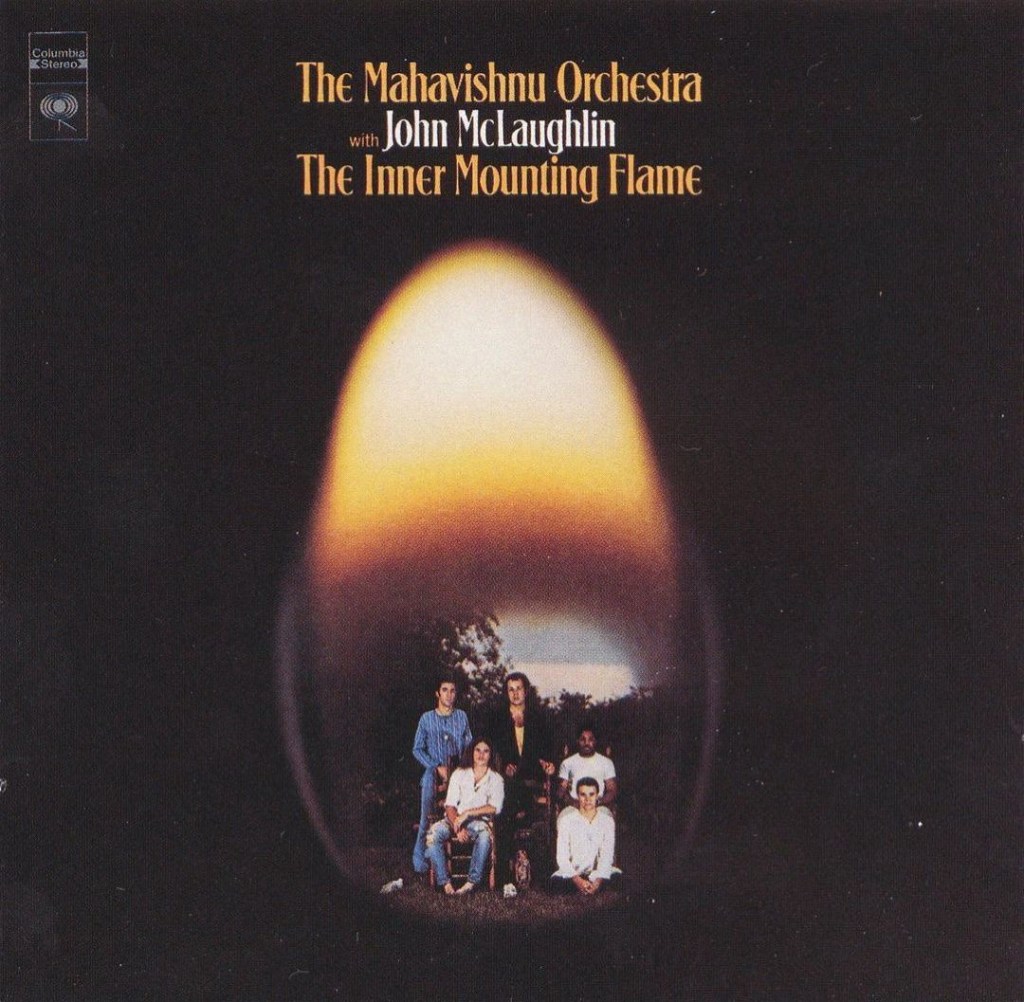
I would agree while Bitches Brew is a hurricane, The Inner Mounting Flame is a rainstorm – both are heavy, noisy and spray notes like a Tommy Gun.
McLaughlin is on my radar to explore, as is the thunderous percussive virtuoso Cobham.
John McLaughlin – guitar
Rick Laird – bass
Billy Cobham – drums, percussion
Jan Hammer – keyboards, organ
Jerry Goodman – violin
Where Have I Known You Before (1974) – Return to Forever
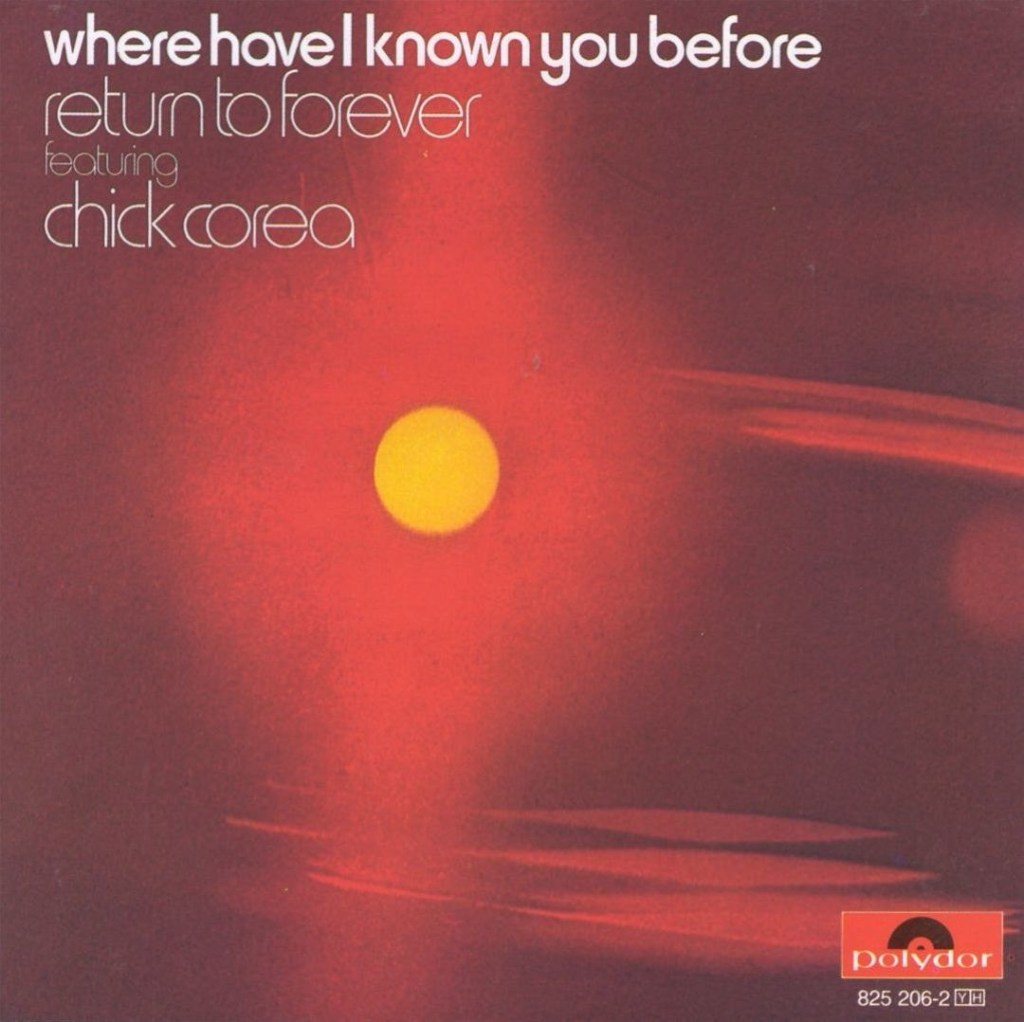
Chick Corea – electric piano, clavinet, organ, synthesizers, percussion
Al Di Meola – electric guitar, acoustic twelve-string guitar
Stanley Clarke – bass guitar, organ, bell tree, chimes
Lenny White – drums, congas, bongos, percussion
The fourth album by this jazz-fusion band. “Vulcan Worlds”
Mingus Mingus Mingus Mingus Mingus (1964) – Charles Mingus
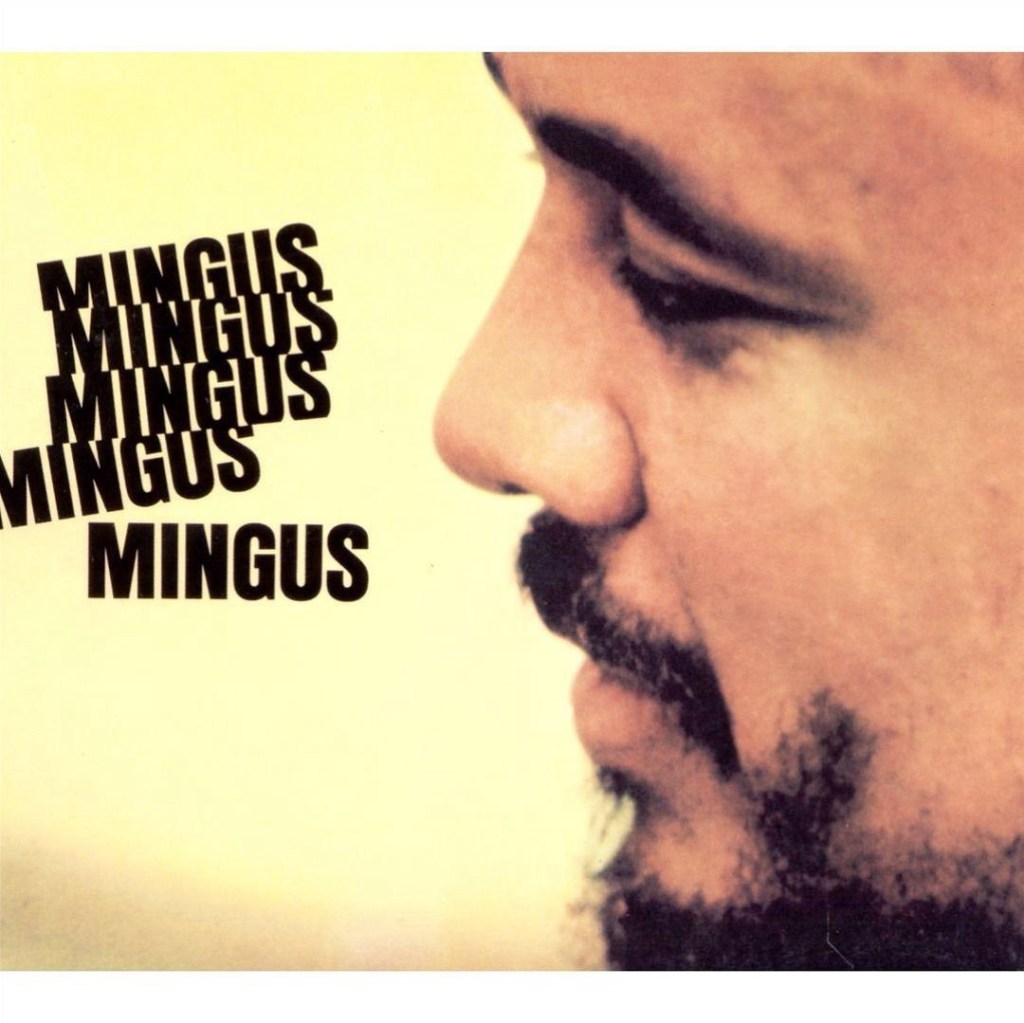
This is my first journey into Charles Mingus. I’m a neophyte when it comes to different forms of jazz.
When I was in elementary school I first became aware of modern jazz. This is what I imagined it to be – powerful, urban restlessness, brooding, sounds of the city. Swinging, yet not too abstract for my tastes.
Songs written by Charles Mingus unless otherwise noted. These are reworked versions of other Mingus songs (with the exception of “Celia”).
“II B.S.” 4:46, “I X Love” 7:38, “Celia” 6:12, “Mood Indigo (by Duke Ellington and Barney Bigard)” 4:43, “Better Get Hit in Yo’ Soul” 6:28, “Theme for Lester Young” 5:50, Hora Decubitus” 4:41, “Freedom”
I also gave Mingus ah um, a listen. Mingus swings!




Leave a Reply