

Known primarily as guitarist for the Art-rock band Roxy Music, Phil Manzanera’s musical contributions as a solo artist, collaborations and producer credits in other genres besides rock are extraordinarily diverse.
His book, From Revolucion to Roxy (2023), tells the story of a rock musician, who is really a world music artist, juggling several different audiences across numerous continent. Manzanera is his Colombian mother’s name. His father was English, and the family bounced from England to Cuba, to NYC to Hawaii and South America before he would head out on his own, soon to join Roxy Music.

Manzanera’s book delves into his early experiences in different cultures that stimulated his musical appreciation for many types of music.
“Whenever I found myself falling back on my own resources, searching inside myself for inspiration, I could always feel the stirrings of the deep-rooted sounds and rhythms which had swirled around the tables of those Cuban nightclubs, permeating my young and impressionable brain, and establishing themselves as part of my musical core.”
Manzanera was known as a rocker, abet an art-rocker, who was growing listless. “In the first ten years of doing interviews with Roxy Music, no one ever asked me about my Latino roots, and I don’t suppose anyone even knew I was fluent in Spanish,” he writes.
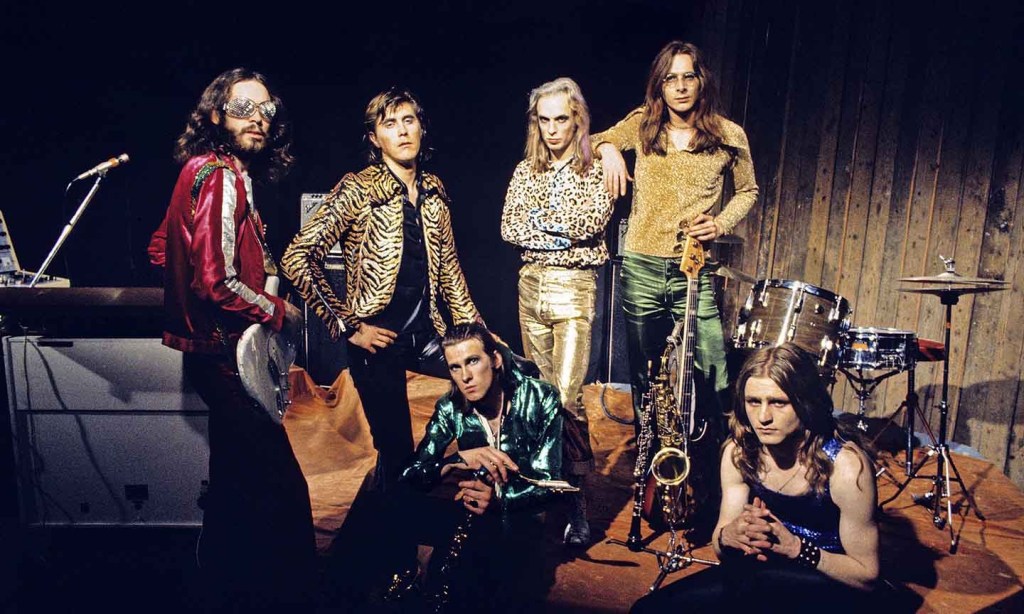
Roxy Music was never really a democracy and as time marched on, Manzanera’s musical input was less and less. It evolved into Bryan Ferry’s band. “I’d absolutely loved what we’d produced for the first three Roxy albums, but the newer material seemed to be getting more middle-of-the-road, less rocky, and too smooth. There was less room for any of the improvised and strong guitar solos which I’d occasionally been able to include in the past.”
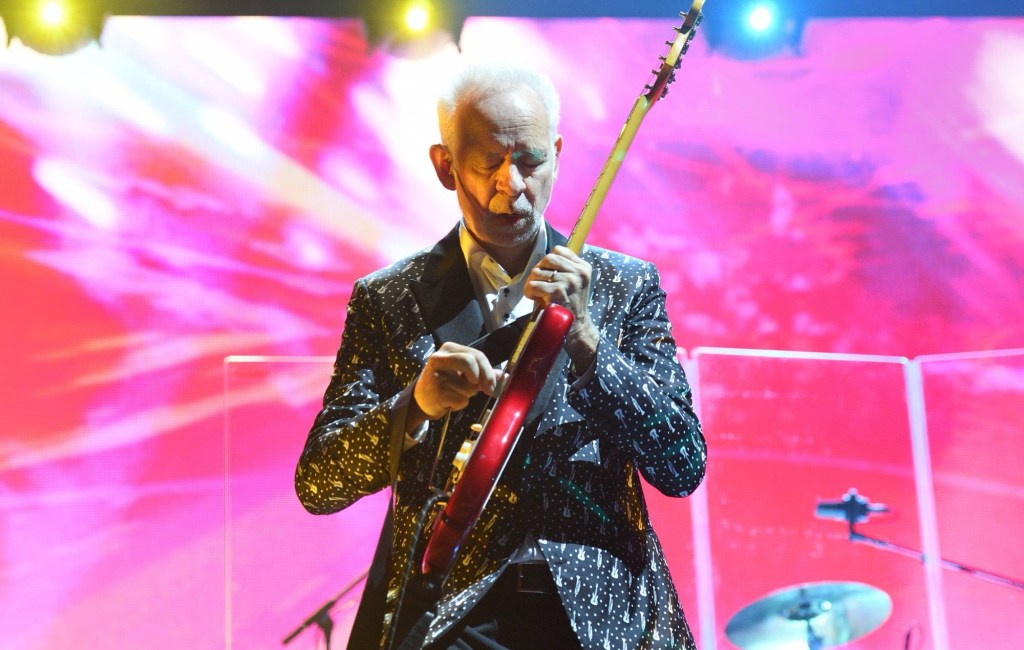
“Looking back on it, I realise that part of the reason I was feeling unfulfilled was because I’d become used to being close to the centre of decision-making when working on my own or other collaborative projects. Here I was, once again, with Roxy, in which I had to find out what was going on more or less by accident. Different session musicians would be hired apparently at random for different tracks, without discussion or agreement.”
Manzanera said that Ferry treated Mackay and him more as part of his backing group rather than as full band members. The anger growing inside eventually boiled over at the end of the Avalon tour.
“The elevator stopped, the door opened and there, standing waiting to get in, was Bryan. I took a step forward, shook his hand and said, ‘It’s been a great pressure working with you. Goodbye.’ It would be eighteen years before we all worked together again.”
Manzanera believed the conflict going on in his sub-conscious, was pushing him to outwardly embrace “the passion and excitement of those Latin-American beats which had permeated my 6-year-old head in all those exotic nightclubs were hammering to get out.” He needed to counterbalance the Roxy music with different genres dancing around within. The solution was to follow the lead of Ferry, Mackay and Eno and make solo albums, which he did.

The book also details Manzanera’s long collaboration with David Gilmour on both his solo albums and the reconstituted Pink Floyd. Manzanera seemed to live for those projects: writing, recording, producing, mixing and touring. It lasted over 20 years which was a great run.
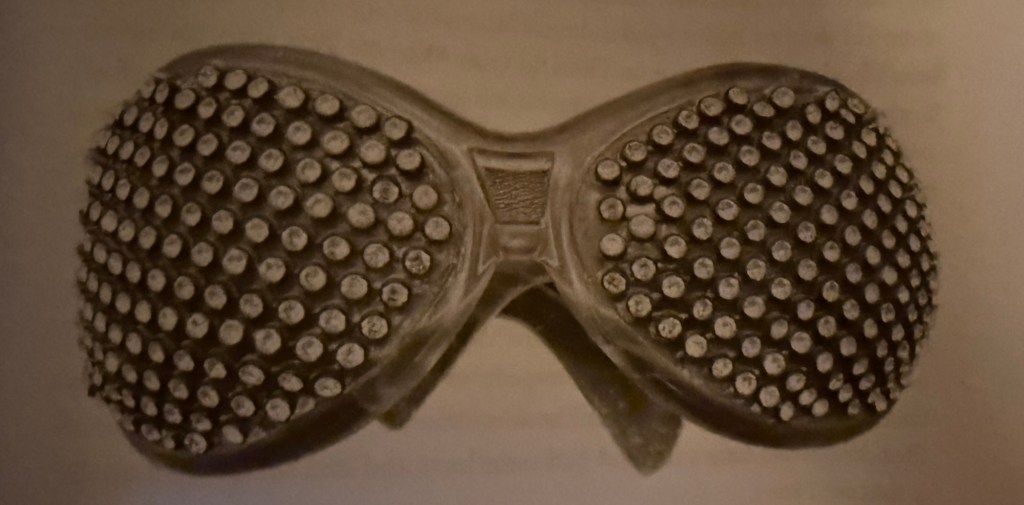
We cannot forget the bug glasses, which were as much a part of his look as the long hair and the outlandish wardrobe. A wardrobe assistant handed him the glasses early on and the look stuck.

From Revolucion to Roxy is a fun book to read, but it can be challenging to find. Manzanera eventually found a way to tap into his culture and to celebrate his roots through his music. It’s unfortunate that it’s really not a part of Roxy Music. That’s exemplified by the same year release of Avalon, the band’s last and most acclaimed album while Manzanera released a solo album (Primitive Guitars) that barely caused a ripple. Well, I bought the album when it came out and still enjoy it today.





Leave a Reply