
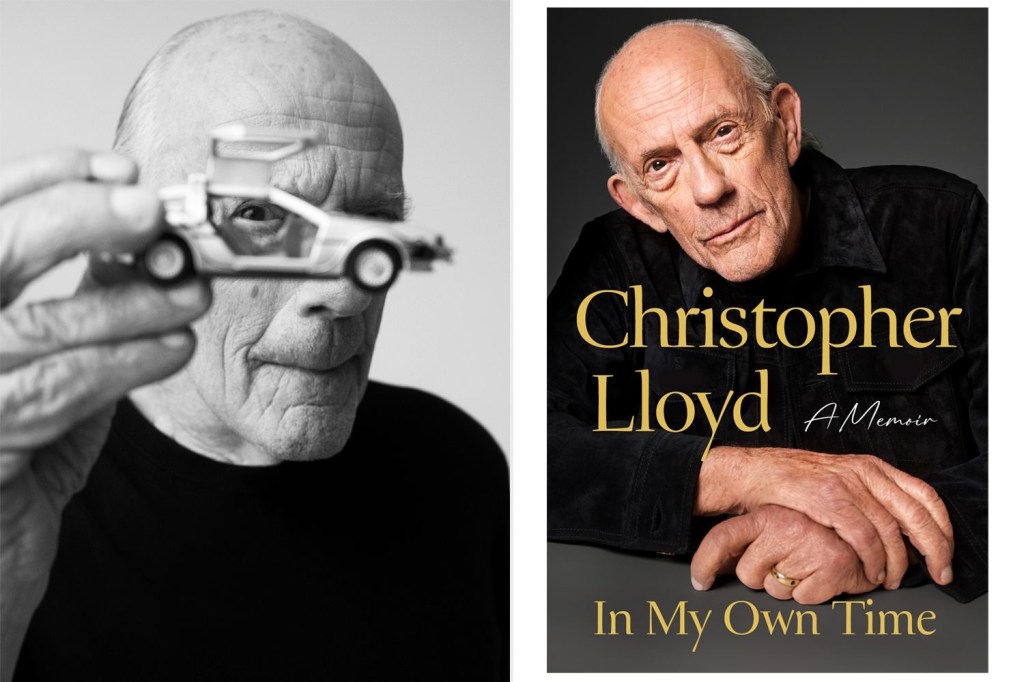
Great Scott, it’s actor Christopher Lloyd! To most people he’s Doc Brown, Reverend Jim or the mental patient from Cuckoo’s Nest. He’s all of those.
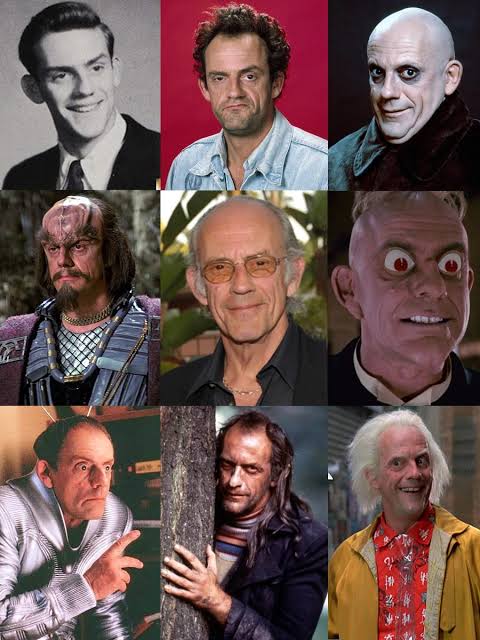
Lloyd, underneath his many outrageous characters is a different man to figure out. He had a very unusual childhood. Borne into an upper-class lifestyle, and the youngest of a blended family, he described himself as an introvert who never really experienced what we might think of as a normal home life. His parents split, and while money was never an issue, parental expression of love was in short supply. A bright and curious kid, he didn’t finish school, in fact, he was told it would be better for him to quit. What he wanted to do was act – an interesting realization from an introvert.
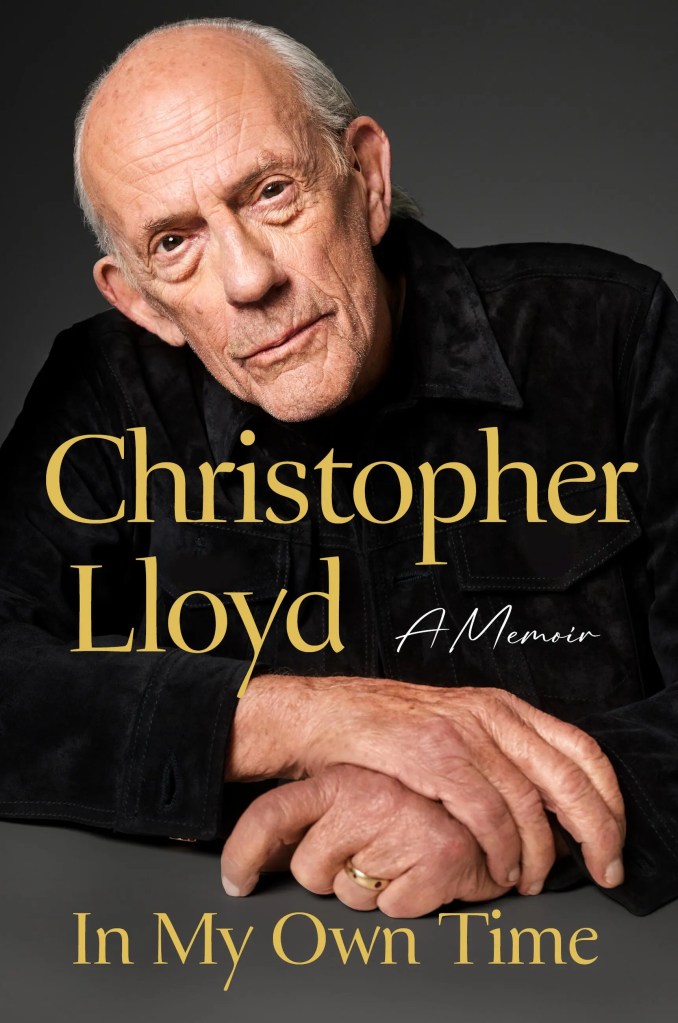
Christopher Lloyd: In My Own Time, A Memoir (2026, Hatchette Books)
Half or more of the book details his years of toiling in drama classes, workshops, summer stock and off-Broadway acting jobs. It was a long journey.
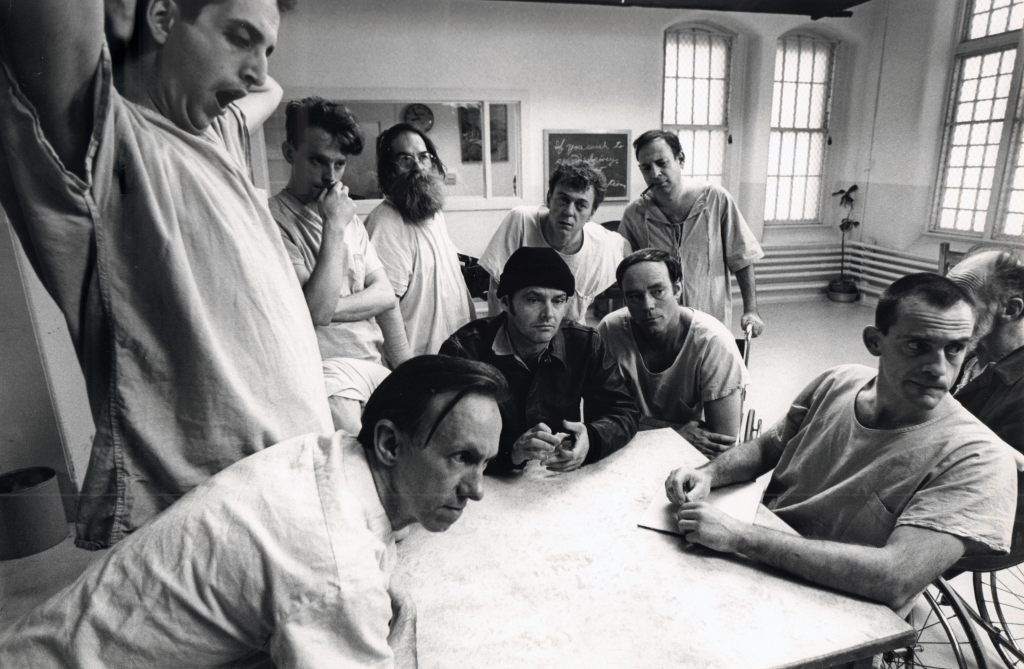
Lloyd’s first non-theatre job was a supporting role as a mental patient in One Flew Over the Cuckoo’s Nest. He credits the film for giving him a film career. Although he never stopped his stage work, film and television would be the center of his career. Another film with Jack Nicholson, Goin’ South, gave him the opportunity to play another offbeat character, this time a Deputy Towfield out to corral Nicholson’s failed-outlaw character. Lloyd was perfecting the outrageous facial expressions that would be common to many of his characters to come.
The role of Reverend Jim Ignatowski on Taxi, introduced Lloyd to those who hadn’t seen him in Cuckoo’s Nest. Lloyd took home two Emmy Awards for that role. Early on, Lloyd had instructed his agent to not send him on any television acting jobs. As an actor who had worked on Broadway, TV would be a step down. Despite that edict, he was sent to talk to the producers of Taxi. His initial resistance faded quickly. A one-off guest episode led to an opportunity to join the cast in their second year.
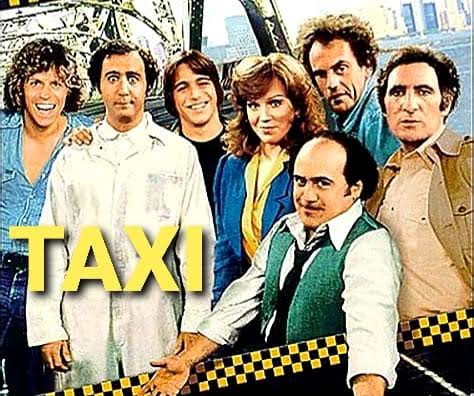
“I could tell that this one (Taxi) was special. I stood in the wings of the stage on the Paramount lot, watching them rehearse, and I was amazed at how well they worked together – how understanding they seemed to be of one another, how comfortable they were, and how they genuinely seemed to be enjoying what they were doing…And I very badly wanted to be part of it.”
Taxi would remain a pivotal event in Lloyd’s life. He built connections with each member of the cast that stand to this day. During COVID, they had regular Zoom gatherings.
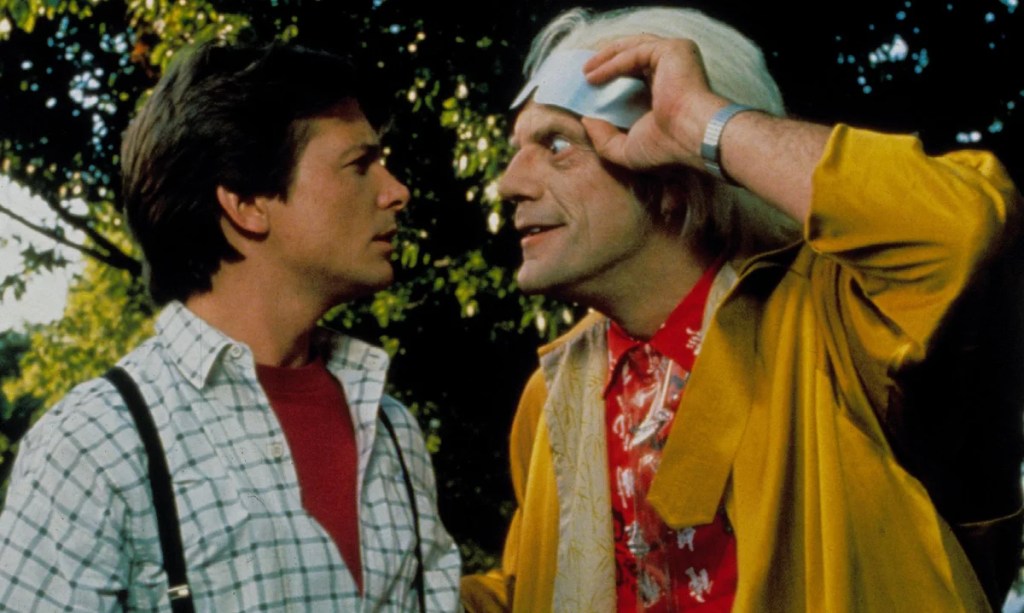
Back to the Future is the story many people are interested in. Across three films, Lloyd says he finally understood Doc Brown; and he established a deep friendship with Michael J. Fox. The funny part of it, Lloyd initially expressed no interest in that film, even tossing the script in the trash. It was a friend that reminded him of how he seriously considered each theatrical role open to him.
“So I thought about what she said and felt there was some truth to it. I took the script out of the trash and looked at the title: Back to the Future. I read it, flew back to L.A. for the weekend, and met with its director, Bob Zemeckis.”
It’s difficult for me to think of Christopher Lloyd, all of those larger-than-life characters he played being such a reserved and quiet person in real life. “I’m just not much of a conversationalist. Sometimes my wife and I will go to dinner with people, or to a party, and I don’t say anything.”
As a student studying acting, Lloyd was hopeful no one would notice him. “In fact, when I would get to the studio, I would pick a seat in the back of the classroom where I believed I couldn’t be seen, and I would spend the hour hoping that the clock would run out before I was called on…Everyone around me seemed to have a little swagger, a little confidence-or was at least trying to give the impression of having confidence. I didn’t know how to pretend at that.”
“Most of my growing-up years, my mother was unable to provide love, and she was drinking all the time. My father just had a problem acknowledging the concept of love and so he gave nothing of that. When people appreciate what I do and I connect with them, that character, and their reality, that’s my satisfaction at what I can do, and I didn’t get that growing up.”
“In truth, I’ve tended to be somewhat insular most of my life. I grew up surrounded by privilege and opportunity, but emotionally I often felt quite alone. Crowded gatherings were never really where I felt most comfortable. I didn’t find connections with people, a comfortable way of interacting with them. I just went through the day in my own head.”
Until late in the book, Lloyd doesn’t really talk about the women in his life, although the only one he mentions by name is his current wife, Lisa. If you Google him, Lisa is wife number four. He writes that he doesn’t feel he has the right to say anything about his previous relationships, but he’s respectful in acknowledging them.
At the end of the book, do you understand Christopher Lloyd any better? Hard to answer. I know more about him, but understand is a much deeper and complicated term. For Lloyd to emerge from that cocoon of his upbringing to become a famous actor might seem improbable on the surface, but acting was the portal he needed to connect with the world. That’s my analysis.
I would have appreciated more observations and stories from his TV and film experiences. For a man as insular as he states, I guess that we’re fortunate he gave us what he did.




Leave a Reply