
I have to admit, it’s been at least 30 years since I’ve played Synchronicity. Back in the day, I got burned out on that album, and despite the gazillion units sold and chest full of awards, I never thought it was their best album. Blasphemy, I know.
None of The Police albums are bad, I’m just comparing them against each other, and I have a different take than a lot of the critics. Here is my ranking, from good to great.
Outlandos d’Amour (1978)
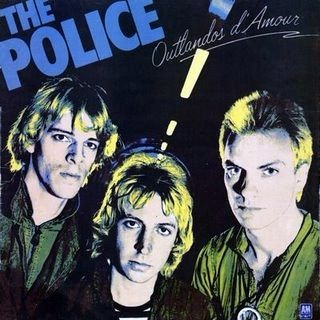
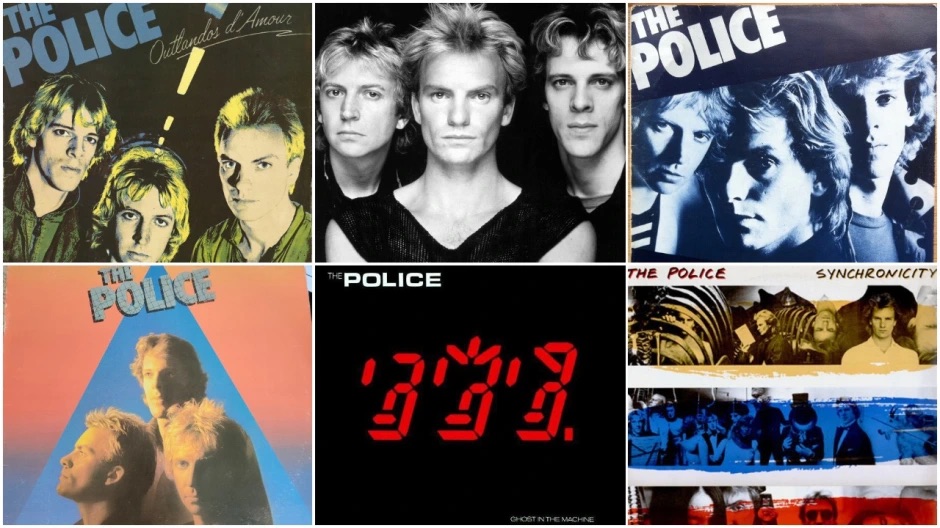
The debut album; three blonde, tough looking rockers. They aren’t sneering like your garden variety rock rocker because they weren’t, despite some marketing efforts to paint them as danger to society bums. These were experienced and talented musicians.
Outlandos d’Amour was a great introduction, just not a great album. The production is weak (the band self-produced the album) and there’s filler, and several undercooked songs like “Peanuts”, but what remains is swagger, pulsating rhythms, and several knockout songs. “Roxanne”, “Can’t Stand Losing You”, “So Lonely” and “Next to You” deliver the goods. When the band steps out of the “punk persona” and they use that energy more creatively, the album is strongest.
Zenyattà Mondatta (1980)
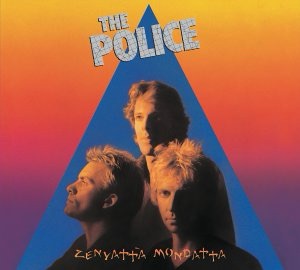
The third album, very good, but not great. The album was written and recorded quickly because the band had to head out on tour. While the results do feel rushed, and not a big step forward, what’s good is very good. Zenyattà Mondatta, what does that even mean?
“” is instantly enjoyable, classic Police. “Don’t Stand So Close To Me” and “Driven to Tears” are cousins, cut from the same driving rhythm, but each go their own way. Great songs, super enjoyable. “When the World Is Running Down, You Make the Best of What’s Still Around” is superb, and sounds almost effortless. “Voices Inside My Head” is almost an instrumental, it has a jam feel to it.
Also notable are the cheesy “Canary in a Coalmine” and Grammy-winning instrumental “Behind My Camel”, which Sting refused to play on because he hated it. Half the album has classic songs, the rest are forgettable.
Ghost in the Machine (1981)
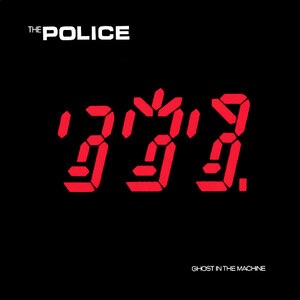
The Police could now command a bigger production budget, hired emerging engineer/producer Hugh Padgham and recorded in Monserrat. The sound is bigger and cleaner, except for the overuse of echo and the now dated sounds of the era. The rise of the 1980s synth sound.
“Invisible Sun” was a big single in Europe, but not released in the U.S. “Everything Little Thing She Does Is Magic” has magical keyboards by Jean Roussel. A huge single all over the world, the recording caused strife in band (but then, what didn’t). and “Spirits In The Material World” is a synth-driven song, which there is more of on this album, pushing Summers’ guitar into the background. It’s a cool song though. “Demolition Man” is a noisy song, with Sting credited on the saxophone, that feels like a long jam. “Hungry for You” is a minor gem as is “Darkness.
Like I said with Zenyattà Mondatta, Ghost in the Machine has a handful of classics, and the rest fill out the record. I rate Ghost slightly higher because it feels like a step forward, even with the dated production affectations.
Synchronicity (1983)
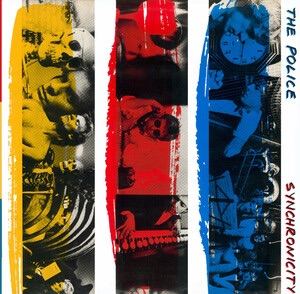
What? Only the second best Police album? It’s a very good album, no argument. Slickly produced, sophisticated and radio-friendly. As I said, big seller, many awards. Sting made a fortune off the publishing alone. In fact, it seems like a Sting solo album.
So, what’s the problem? It’s not a very exciting album. It’s devoid of energy, experimentation, plowing any new ground. It’s safe and reliable. Nothing wrong with that. Maybe it was time to pack it in.
“Synchronicity II” has the most energy on the album, but not as rocking or clever as previous Police rockers. “Every Breath You Take” again, a fabulous song but too MOR, and played out. “Walking in Your Footsteps” doesn’t really go anywhere. “King Of Pain” takes awhile to get going, it’s a good mid tempo rocker.
Summers contributed the awful “Mother” and Copeland the goofy “Miss Gradenko”, both forgettable. “Tea in the Sahara”, is there a song here? I can’t find it.
“Wrapped Around Your Finger” is the most interesting song, a plaintive ballad, fueled by Summers’ various guitar layers.
On numbers like “Murder By Numbers” the band lets go somewhat, but it’s a jazzy groove, not a rock groove. The Police became the 1980s version of Steely Dan or the Doobie Brothers in their sophisticated grooves, increased use of keyboards and downshift in tempo.
Reggatta de blanc (1979)
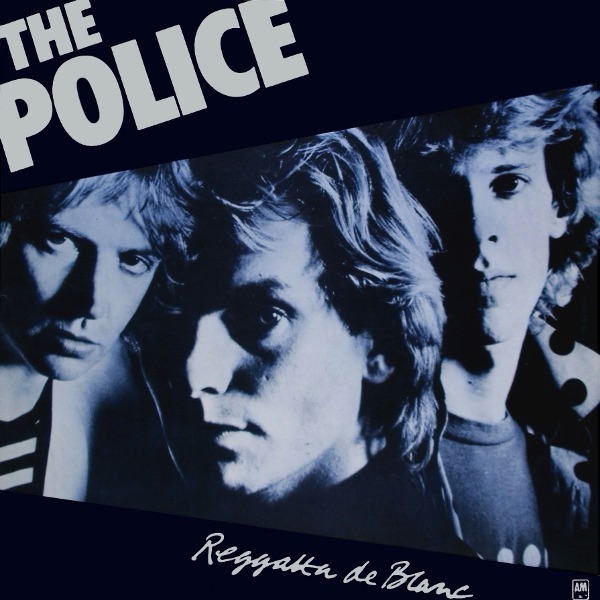
This is probably a surprise selection, their second album. It certainly doesn’t have the polish or breath of Synchronicity, but so what? This was the Police just being themselves. I admit, it was hard not to have rising expectations after Outlandos d’Amour. However, this was still a band figuring themselves out, wisely they had their engineer Nigel Gray co-produce the album. Andy Summers guitar playing is more to the front with fills and effects.
The album’s production was still focused on these three guys, the fancy studio wizardry and fuller instrumentation would come soon. One of the album’s strengths is how much more musically this album shines over the debut album.
Summers and Copeland contribute more songs than the debut, but Sting will always be the main songwriter.
“Message in a Bottle,” might be their best track ever, Summers’ playing is phenomenal. Sting’s bass is powerful and Copeland drumming drives the song. “Walking on the Moon” is one of Sting’s best songs, certainly his bass is like a lead guitar. “Bring On the Night” has some gorgeous guitar work and the title track, a Grammy-winning instrumental written by the band.
I like the freshness of this album. No, it not perfect and few of the songs rise to the level of interest of those of Synchronicity. But, Reggatta de blanc is just more fun and a better feel good listen.
Final thoughts…
Going back and listening to these five albums was fun. Over the course of six years, these guys grew as musicians, performers and songwriters. From unknowns to arguably the biggest band in the world. There was a volatile chemistry between them that burned bright, and then was done.
I marveled at the incredible musicianship of Sting, Summers and Copeland as I listened to their studio albums. Sting played the bass like a lead instrument, leading the way, as Copeland’s precision and unique drum patterns came from all directions, and Summers’ ringing, guitar fills and rhythms washed over the melodies. Like the best trios, these three musicians were a symphony of new beats, grooves and soundscapes.
In the wisdomof Sting, De Do Do Do, De Da Da Da, They’re meaningless and all that’s true.





Leave a Reply