
Television networks used to be headed by broadcasting pioneers and visionaries, who took chances, stumbling at times, but not putting profit over a responsibility to tell the truth and do the right thing. The strength of a network not just the number of affiliates or the advertising revenue, it was its news division, which stood independently and lit the way like a beacon of the truth, especially in uncertain times. That was then. Much has changed.
CBS, the Columbia Broadcasting System, was nicknamed the “Tiffany Network” for its reputation for high-quality, prestigious programming and elegant aesthetic during William S. Paley’s tenure. The “gold standard” of broadcasting was classy and tasteful. Genuine and trustworthy. The news division at CBS was to be envied. Edward R. Murrow and Walter Cronkite led America through some dark times, giving us the truth, holding politicians and other powers accountable, exposing frauds, and covering the most important events of the time. Murrow provided news from Europe during WWII along with “his boys” which included Cronkite, who would take us through the Kennedy assassination, civil rights, Vietnam (issuing his commentary after Tet), the moon landing and Watergate.
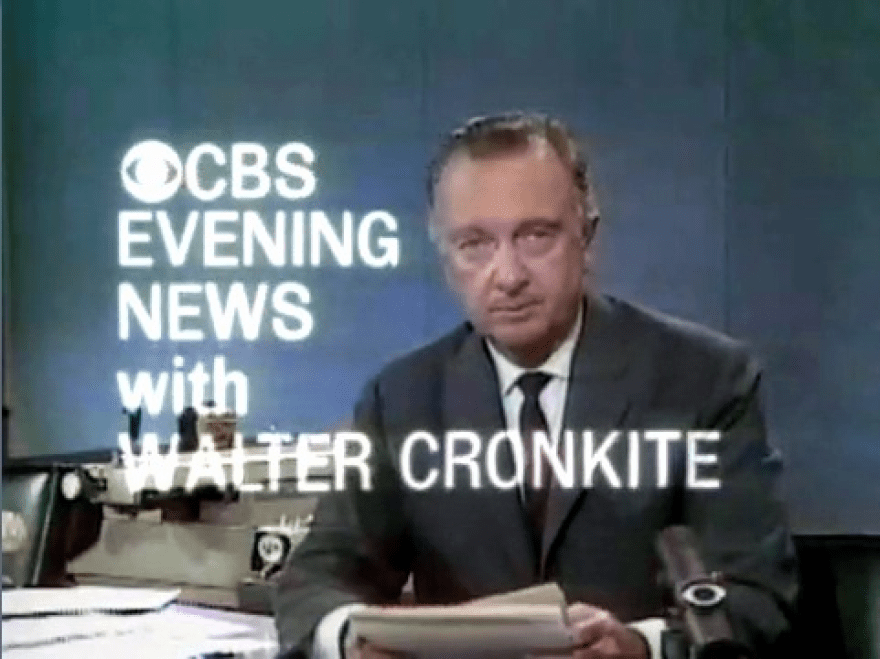
Mike Wallace, Dan Rather, Roger Mudd, Ed Bradley, Morley Safer and others covered the White House, Vietnam, elections, Watergate and many other important events. Don Hewitt sent his 60 Minutes reporters and cameras into ambushes and tough interviews about deception, fraud, scandals, people caught in the act of crimes, product dangers and many other news worthy stories not covered by other news sources. Rather was despised by Richard Nixon, as was Daniel Shore. When Morton Dean, Marvin Kalb, Ike Pappas, Bernard Kalb, Bill Plante, Richard Threlkeld, Robert Pierpoint, Charles Kuralt, Connie Chung or Bob Schiefer reported from assignment, you paid attention. These were seasoned professionals, schooled in the Murrow and Douglas Edwards and Cronkite way.
The Unwinding of 60 Minutes


The news magazine was a novel concept back in 1968. It took awhile for Wallace, Reasoner and Hewitt to build an audience. It literally took years, but it happened, the program became a success. A mixture of hard news investigations, interviews of celebrities and notable personalities, features on science, art or anything of unique interest. Hewitt mixed in commentary from curmudgeon Andy Rooney, point-counterpoint mini-debates of an issue and other efforts to inform and also entertain.
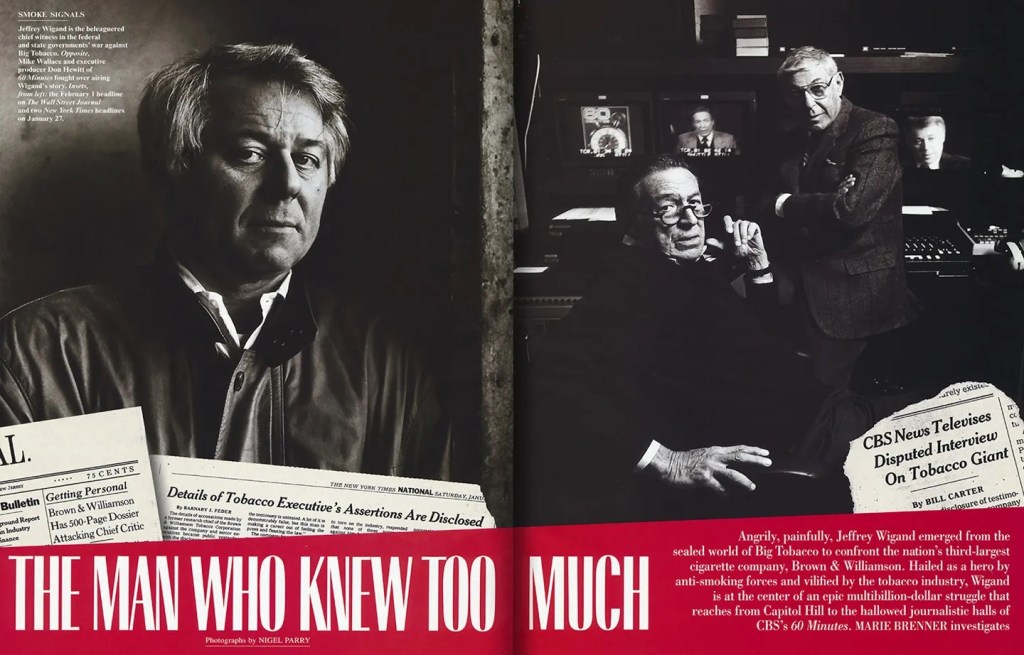
And then something happened. Some questioned the tactics of reporters and whether we were getting the full story or not, singling out Wallace, and later Rather, and the toxic management style and conduct of Hewitt. Wallace got tangled up in a tobacco industry report that he never quite recovered from. Rather never recovered from his story on George W. Bush’s time in the Texas Air National Guard and he was banished to CBS Siberia.
In recent times, 60 Minutes incurred the wrath of Donald Trump over the editing of an interview of presidential candidate Kamala Harris. CBS used to stand behind their reporters and news stories. Not so much now.
60 Minutes is a shadow of its former self. The program was best when its producers and reporters pushed the edge and went where network executives were nervous but resisted outside threats of lawsuits. Wallace, Rather, Reasoner, Safer, Leslie Stahl, Bradley, Bill Simon, Steve Kroft, Norah O’Donnell and others delivered hard-nose, but fair interviews and investigative reports. Certainly Trump thinks O’Donnell is a horrible, nasty person because she asked him real questions, unlike those at FoxNews.
Censoring The Smothers Brothers
In the late 1960s, Tommy and Dick Smothers hosted a very hip and cutting-edge comedy-variety show on Sunday nights. Not yet a teenager, I didn’t get some of the humor or understand the significance of some of the musical guests. I do now. Tommy Smothers ran the show and he wasn’t afraid to bump heads with CBS over some of the satirical and political material, in particular speaking out against the Vietnam War. President Lyndon Johnson let it be known that he didn’t appreciate what CBS was putting on the air. CBS CEO Paley felt a growing heat from advertisers, some affiliates and the White House. In particular, songs like Pete Seger’s “Waist Deep in the Big Muddy” which pertained to Vietnam; Harry Belefonte’s “Don’t Stop the Carnival” which had film footage of the melee in Chicago at the 1968 Democratic Convention; Joan Baez who dedicated a song to her husband who was in jail for refusing military service; David Steinberg and his comedy sermons that offended many congregations; and various skits, standup comedy and other anti-establishment guests.
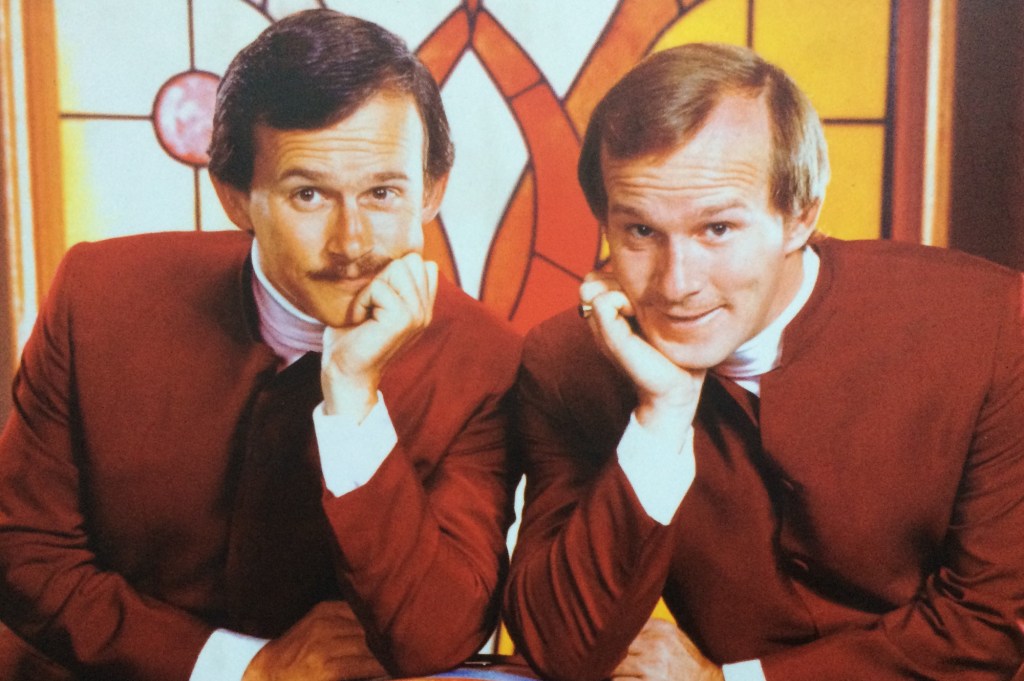
Tommy Smothers and his producers were constantly battling CBS censors and network executives. Finally, Paley pulled the plug on the show, after what the network claimed, were producers intentionally missing the deadline for network executives to screen an upcoming show before the scheduled airing.
The Takeover of the News Division
The evening news game is not like it used to be. Ratings, ratings, ratings. But that’s not the entire story. Being a “network” which uses the public airwaves, the CBS eye falls under the watchful eye of the Federal Communications Commission, something that talk radio, the Internet or cable television channels do not. In truth, the FCC was bastardized when the Fairness Doctrine was trashed. It used to be that the corporate owners and executive staff stayed away from interfering with the network news divisions, although they kept a firm hand on the entertainment people, because you can’t trust comedians or writers. Network “standards and practices” people were reviewing scripts and the sets, and making sure that language was not even suggestive and married couples slept in twin beds. They could only think about missionary position (kidding).
Paramount acquired a 49% ownership interest of CBS in 1929. Paramount was forced to see their shares in 1932. William Paley became the majority stockholder and ran the company until Westinghouse purchased controlling interest in 1994. Then Viacom, which began life as a division of CBS and was spinoff as a separate company, bought CBS. Later came Sumner Redstone who bought the company and then sold it to Paramount/Skydance, where it resides today. Prior to the sale, a pesky lawsuit by Donald Trump against CBS threatened to scuttle the sale, which had to be approved by the FCC, which although independent, cow-tows to Trump. The lawsuit was settled, Trump received millions for his hurt feelings, the sale went through and the news division got a new boss. Veteran news staff began leaving the network, wanting nothing to do with new henchwoman Bari Weiss.
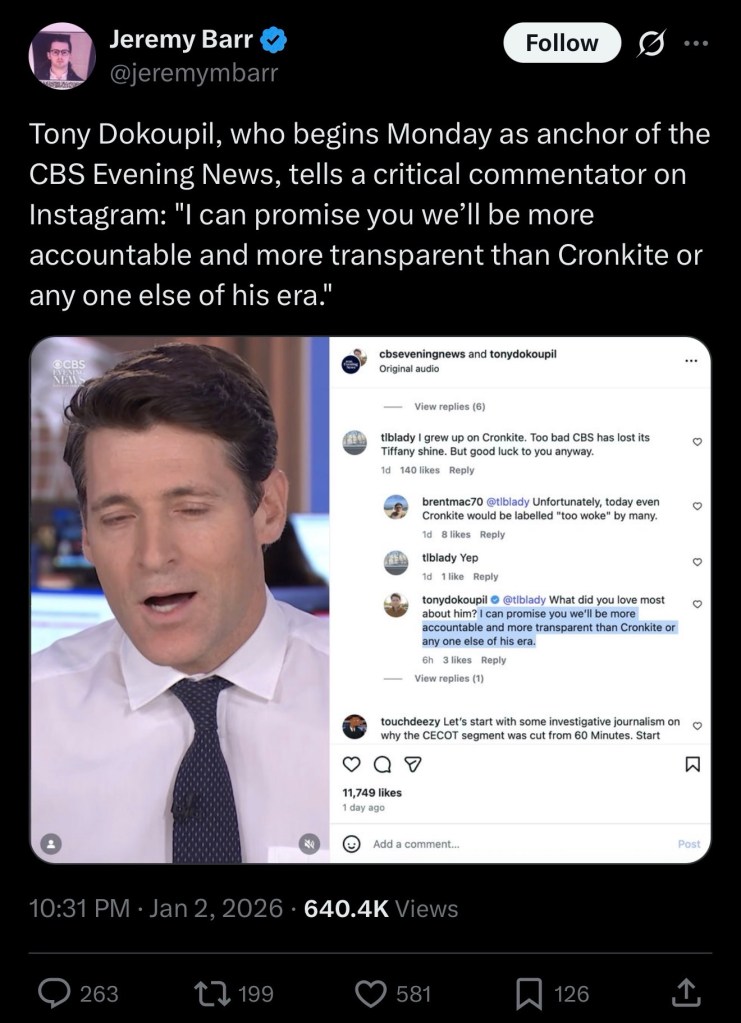
Weiss installed Tony Dokoupil as the Evening news anchor in January 2026, replacing John Dickerson and Maurice Dubois. Dokoupil immediately fumbled his first evening newscast and tripped on his own ego when he took to social media to proclaim, “I can promise you we’ll be more accountable and more transparent than Cronkite or any one else of his era.”
That sounded like something a Trump press secretary would say: ridiculous and tone deaf. Mr. Dokoupil, you will never approach the respect and professionalism of Walter Cronkite. Suck it.
Stephen Colbert, You’re Fired!
Under the guise of a cost reduction, The Late Show Starring Stephen Colbert was given its walking papers. CBS claims The Late Show was never a money maker. Colbert and others say it was pressure from Trump and others who were unhappy with the political attacks, especially since with the bazillion dollar merger on the line.
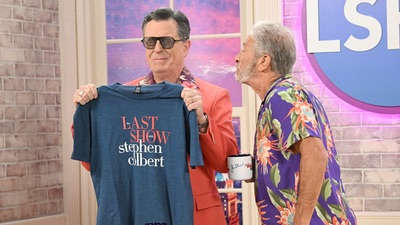
The Late Show goes dark next month. In its place is bargain basement comedy programming from Byron Allen’s production company. Maybe CBS should go back to running reruns of old television shows and movies like it did for many years against The Tonight Show.
CBS, a viewer’s choice
I was a longtime viewer of CBS programming, many decades of watching entertainment, sports and news. CBS had the wittiest and most entertaining comedy shows in the 1970s. The Carol Burnett Show was the variety show at its best.
Once upon a time, I was a sports junkie but not so much anymore. CBS had some of the best football broadcast teams. College basketball, particularly during the March tournament was must see.
I’ve never been much of an early morning news person, and when I was, I tuned into The Today Show. For many years, CBS was lost when it came to morning news programming. Efforts at competing against Today, and then Good Morning America with David Hartman and Joan Lunden were uphill battles. CBS went through numerous iterations of a news format, it finally seems to have established a program that works, but management will find a way to screw it up.
CBS Sunday Morning has been going strong since 1979, from Charles Kuralt to Charles Osgood to Jane Pauley, the show is a winner and perhaps the most intelligent show on television.
After some reflection, I’ve decreased my network viewing across the three major networks to a very minimal level. If my wife didn’t turn on CBS Sunday Morning, Matlock and NFL Football, there would be no CBS at all in our home. From a big television consumer to essentially nothing is a huge step.





Leave a Reply