
I’m not a big film soundtrack person, but in looking back there are five or six soundtracks that have great original music. For me, a great soundtrack has an original score, instrumental cues and a main title song, and can include new songs, or occasionally a well-placed song not originally written for the film. Collections of songs that were just plugged into the film to set mood, but weren’t written for the film, aren’t high on my list. No musicals either, but you’ll find a few under Honorable Mention.
These five might not be the best, but I can listen to them from start to finish anytime. I know the scenes when I hear the music.
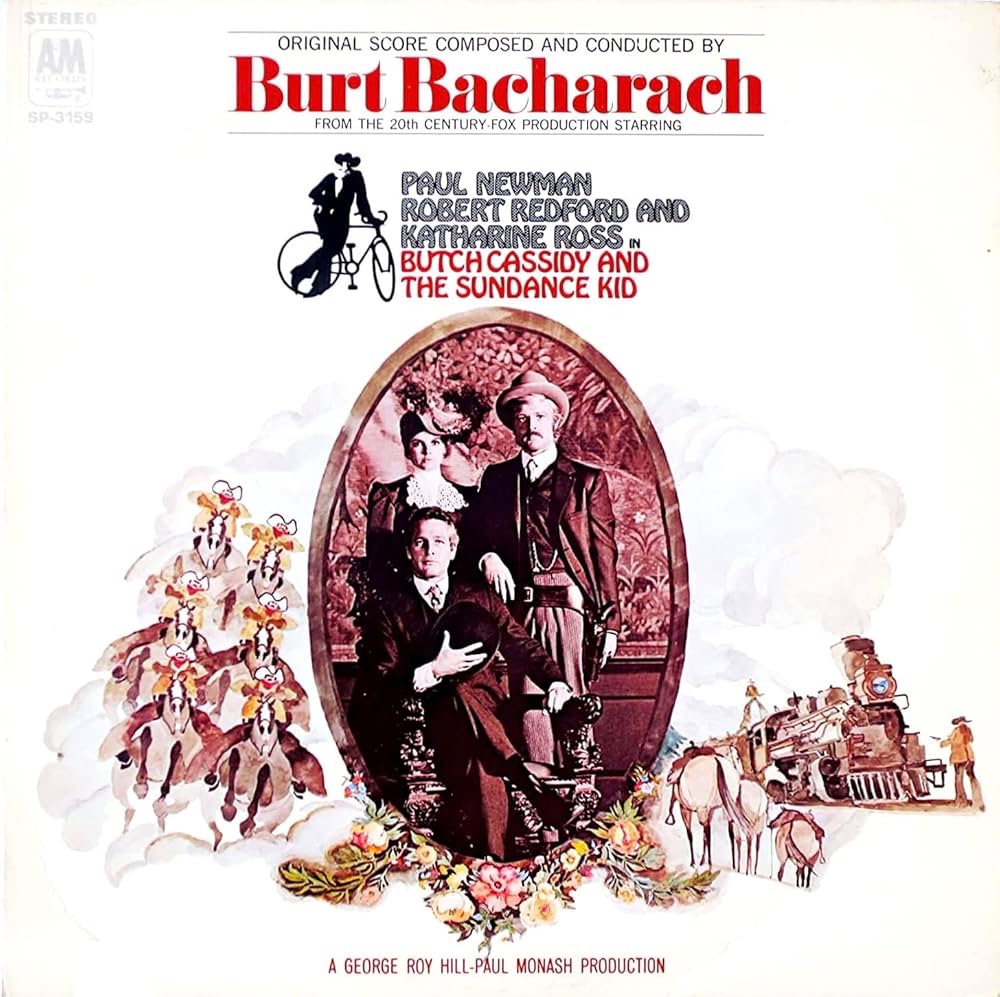
Butch Cassidy and the Sundance Kid (1969) – Film critic Roger Ebert said this film contained the very first semi-obligatory lyrical interlude, referring to the bicycle scene where Paul Newman and Katharine Ross ride to the song “Raindrops Keep Fallin’ On My Head”. Ebert didn’t like the film and thought the studio spent lavishly on things like the music that ruined what was a good film beneath the unnecessary production values. I disagree.
The music did not fit a traditional Western, which this wasn’t. Burt Bacharach’s score and the Bacharach/David’s “Raindrops Keep Fallin’ On My Head” are perfect. Bacharach does his best work here, the music is a majestic dose of pop and brilliantly arranged.
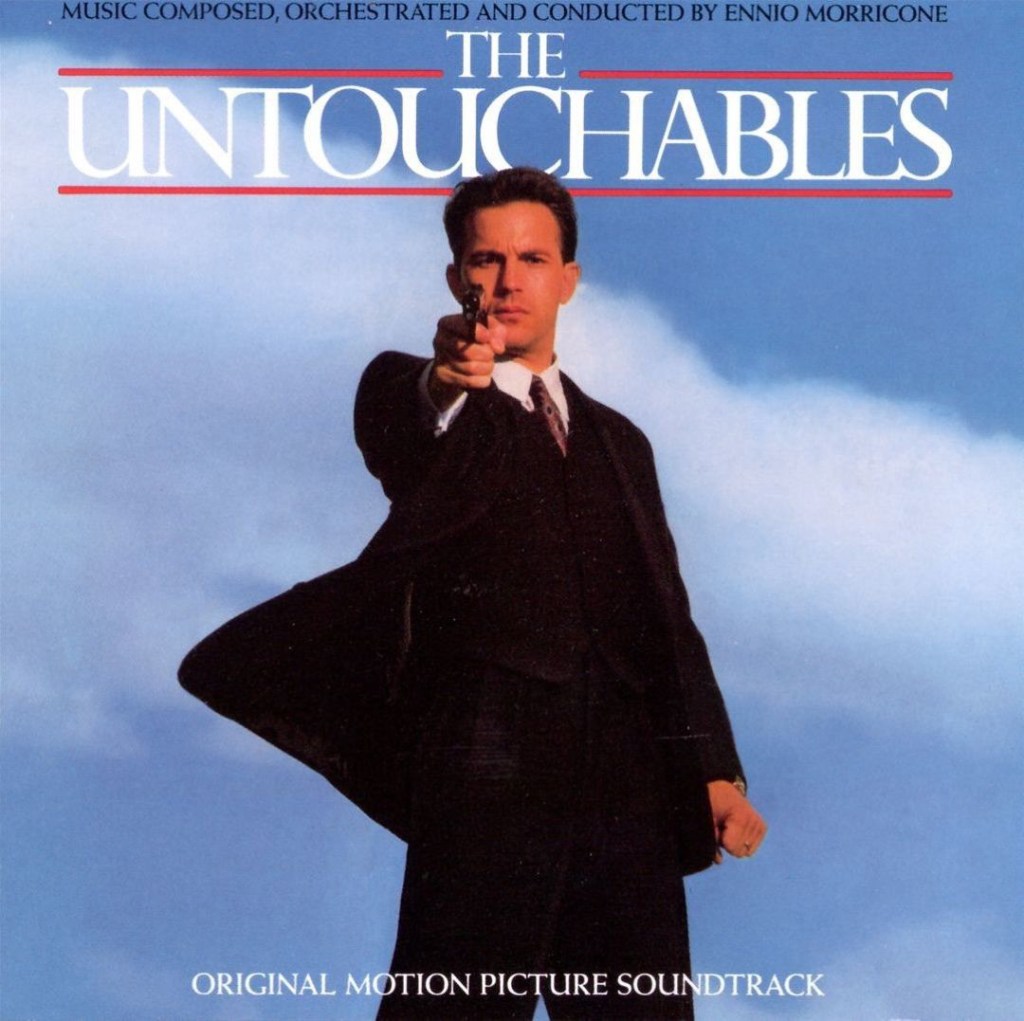
The Untouchables (1987) – The music in The Untouchables was composed by Ennio Morricone. I wouldn’t have thought of Morricone as the logical choice for this film, but what he delivers is exquisite and more than meets the range of tones for this expansive story.
“The Untouchables” main theme is magnificent and majestic, as is the “End Title” which continues the theme but with variations, as does “Victorious” with the sweeping strings and horns. The eerie and suspenseful “Machine Gun Lullaby,” the lush, melodic and romantic “Ness and His Family,” and the appropriately poignant and sad “Four Friends” and “Death Theme.”
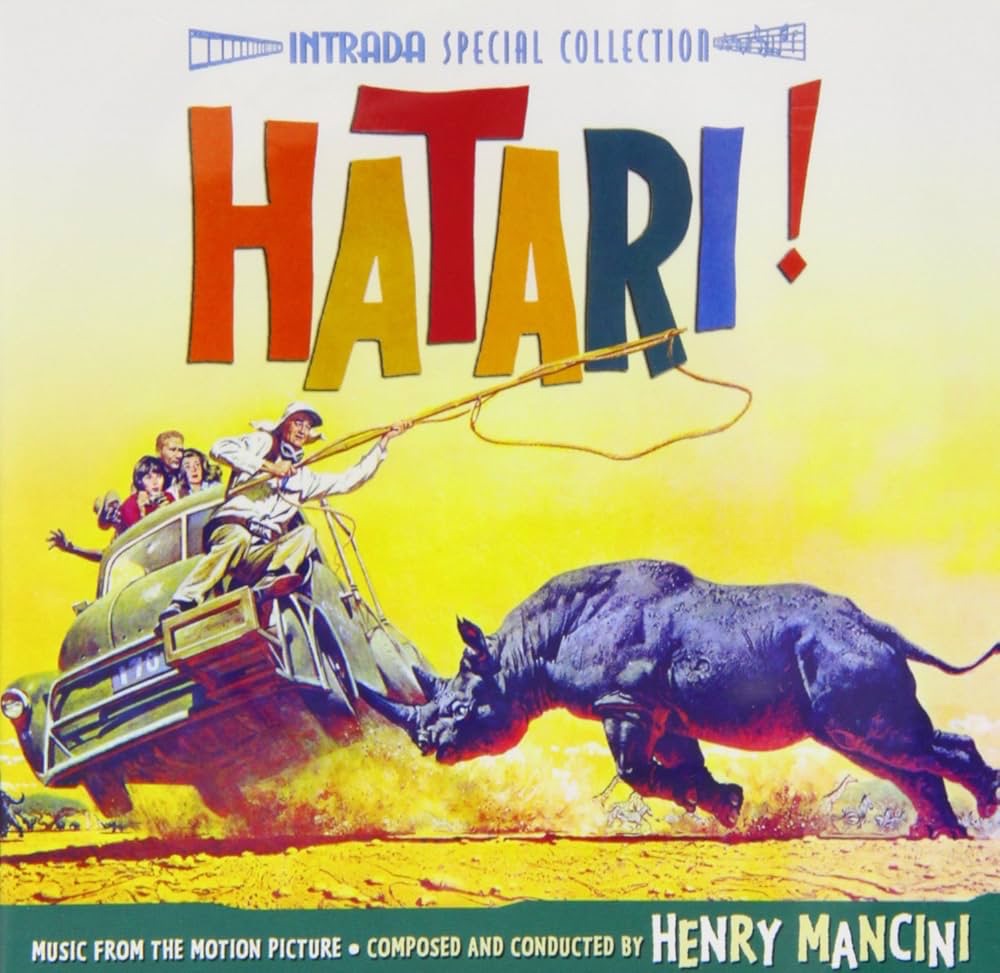
Hatari! – Henry Mancini at the top of his game. The “Baby Elephant Walk” is quite famous, reaching no 48 on the charts. The rest of the soundtrack is from Mancini’s score. The music is very ethic to Africa. Mancini uses a variety of percussion and other traditional instruments to get a set of pieces that fit the culture and locale. Mancini doesn’t forget how to make jazzy, sophisticated, easy listening songs, there are several on this soundtrack, but the mix shows the expanse of his talent.
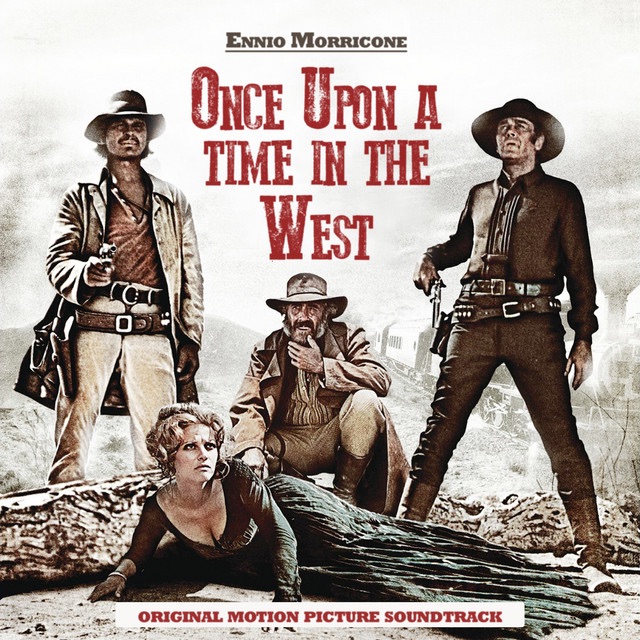
Once Upon a Time in the West (1968) – Each of the four main characters has their own leitmotif when they appear onscreen. Ennio Morricone wrote the score before the film was made, which seems backwards, but it allowed director Sergio Leone to shape the scene around the music.
“Frank”
“Finale”
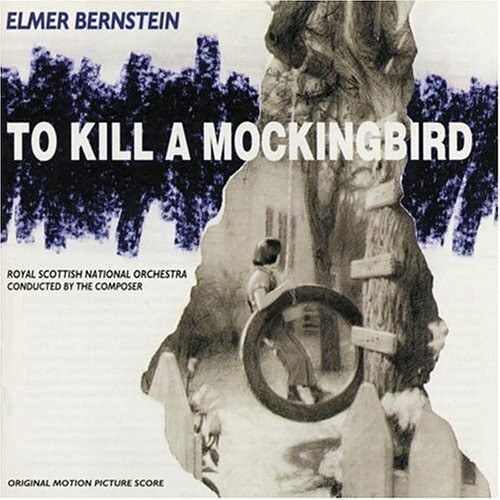
To Kill a Mockingbird – Elmer Bernstein, who could write scores for any genre, found the heart and soul of this tender story. It was sweet and sentimental at times, but jarring and overwhelming at others. Bernstein evokes the bittersweet nostalgia with the passing of time that carries away our childhood.
For me, the soundtrack is seared in my mind along with the black & white images. The music alternates between innocence and then foreboding danger, felt through a child’s perception of a world that is hard to understand.
“Footsteps in the Dark / Assault in the Shadows”
Honorable Mention: The Lion King, Mary Poppins, Saturday Night Fever, Chinatown, Grease, Fiddler on the Roof, North By Northwest.





Leave a Reply