
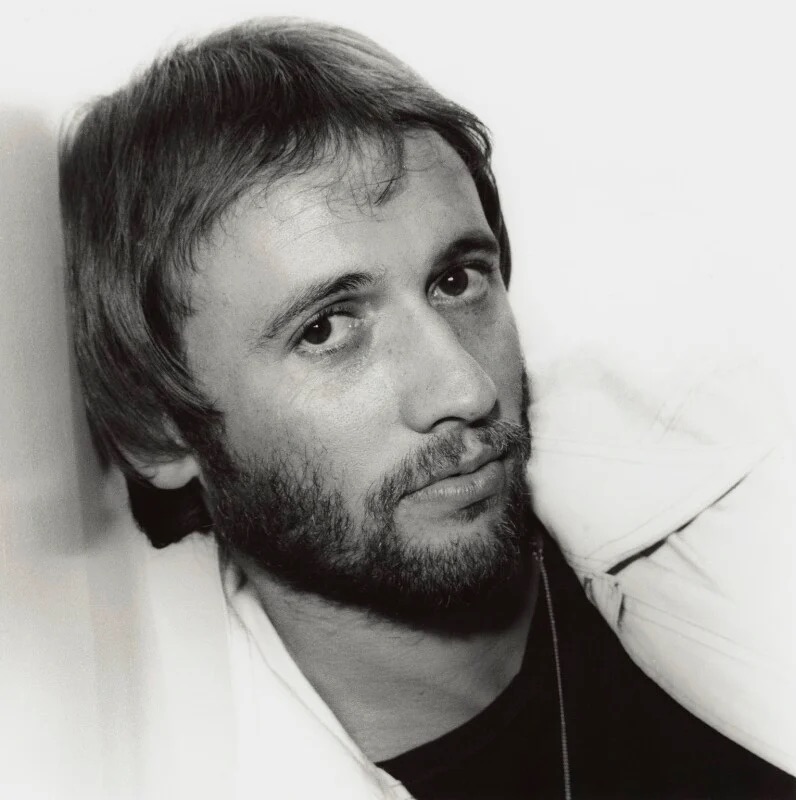
There were four Gibb brothers: Barry the oldest, fraternal twins Robin and Maurice, and youngest brother Andy.
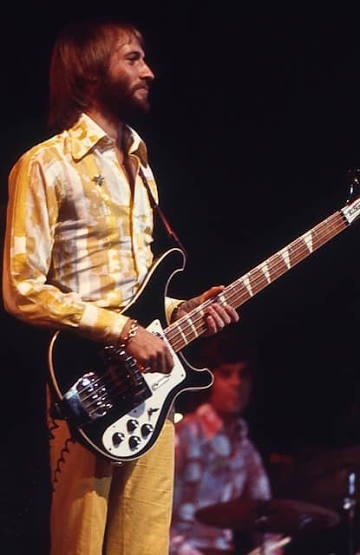
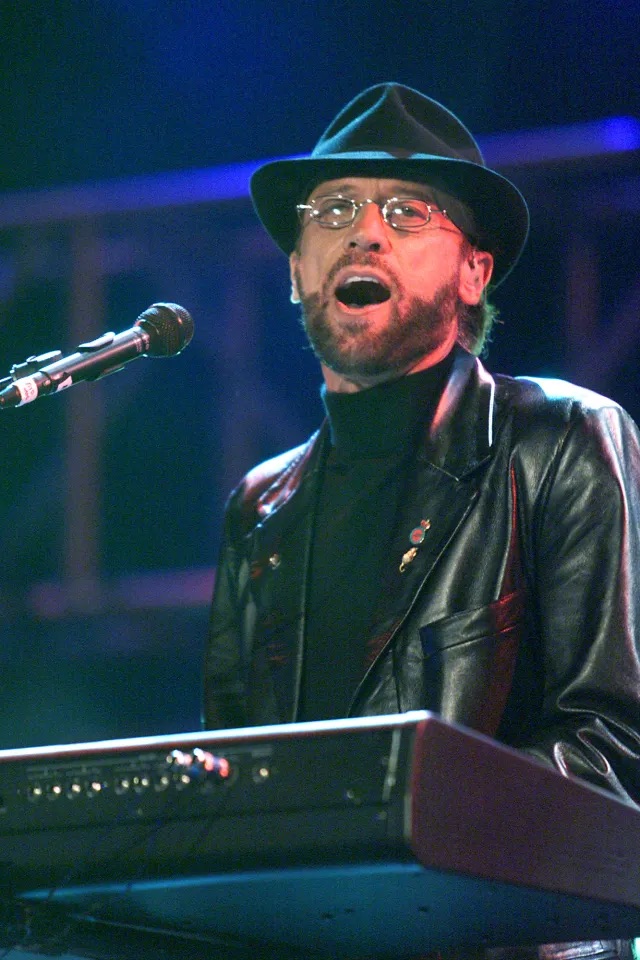
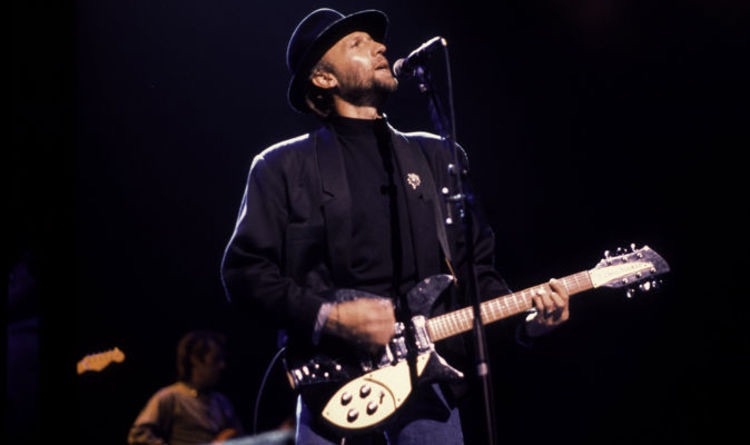
Maurice was the musical dynamo behind The Bee Gees. His other brothers enjoyed the spotlight and being the voice and face, while Maurice excelled with the music, production and musicianship. Robin and Barry competed for singing lead and writing the lyrics. Maurice played bass, guitar and keyboards, and sang harmony vocals, teaching the songs to the other musicians, and surprisingly only periodically singing lead.
This is not my list, but some of Maurice’s outstanding vocals:
Robin had the falsetto and sang lead on many early hits, with Barry emerging as the main voice. Barry also played rhythm guitar, while Maurice mainly played bass, but in later years switched to electronic keyboards on stage. Maurice also played a lot of guitar on the recordings. The Bee Gees were such a tightly-blended musical group. Trying to unthread each of the three Gibb brother’s contribution to The Bee Gees, that’s challenging. The songwriting was mainly done together, the harmony vocals are blended, the brothers worked with various producers constructing songs in the studio. Who contributed what? Hard to say, but musically, Maurice was the jack-of-all instruments, and his skills were on display in concert, from his versatile playing to his blended harmony vocals.
- Above and Beyond”
- “Angel of Mercy” (co-lead with Samantha Gibb)
- “Being for the Benefit of Mr. Kite” (co-lead with George Burns & Peter Frampton)
- “The Bridge” (co-lead with Samantha)
- “Closer than Close”
- “Elisa” (co-lead with Robin Gibb & Barry Gibb)
- “Islands in the Stream” (co-lead with Barry)
- “Lay it On Me”
- “Lonely Days” (co-lead with Barry & Robin)
- “Love Never Dies” (co-lead with Robin)
- “Man in the Middle”
- “On Time”
- “Wildflower”
- “You Know It’s For You”
Maurice found his niche in the band, and that balanced the competitive energy between Barry and Robin. The Bee Gees drummer, Dennis Byron, in You Should Be Dancing (2015), remarked that Maurice, contrary to what many assumed, was very chatty with audiences, and was known for his sense of humor and friendliness. The conflict between Barry and Robin resulted in Robin leaving the group for 18 months. Robin released two solo albums to little notice, while Barry and Maurice released Cucumber Castle (1970), which was rejected by fans and critics.
Robin rejoining his brothers was a positive step forward, but the problem was rooted in the Bee Gees’ sound. It would take Atlantic Records setting them up with producer Arif Mardin, a talented backing band, having an album rejected by Atlantic, and manager Robert Stigwood informing the brothers that big changes were coming if the next album didn’t sell. The story of how the Bee Gees got that groove happy R&B sound has many versions. The car tires making that rhythmic sound going across a New York City bridge was the source of “Jive Talkin’”, but it took more to overhaul the band’s broader sound. That’s where the backing band helped to infuse a harder, driving R&B sound to the development of songs in the recording process.
“I have never been pushing or jealous,” Maurice told the Daily Beast. “My biggest asset, I suppose, is that I get on with people. I keep my mouth shut and stay in the background.”
Maurice accepted the “man in the middle”, role. During Robin’s time as a solo artist in 1969–70, Maurice played on Robin’s first two solo albums while also working with Barry on new Bee Gee music. When the band took another break in the 1980s, Maurice helped Robin release a trio of solo albums, contributing writing, production, musicianship and vocals.
Married twice, first to singer Lulu, Maurice battled alcohol for a lengthy period of his life. He married Yvonne in 1975, and remained together until his death. With Yvonne, Maurice had two children, and found eventual sobriety.
According to The Bee Gees, the Biography (2013) by David N. Meyer, Maurice was well aware of the years he had left slip by while he medicated himself with drink. By the time of Spirits Having Flown (1979), Maurice was too sick to contribute much to the album or the resulting tour. He partied with Ringo, Keith Moon and other hard drinkers of the era. Andy’s death hit him hard, both struggled with substance abuse. It took Maurice pulling a gun on his family, a crisis point no one could ignore, that led him to rehab.
Maurice passed away in 2003, at age 53. He suffered from an inherited condition that caused his small intestine to twist, and cut its access to the blood supply. He also suffered cardiac arrest at the hospital.
The Bee Gees’ story is an interesting one for many reasons. Maurice wasn’t the most talented of the brothers, although he used his talent effectively in the power structure of the family business.







Leave a Reply