
When choosing how to address someone, the etiquette has certainly changed through the years. Watch any TV show with characters under age 50, and they use “hey” as a greeting, more that the standard “hi” or the now-quaint “hello.”
Hey, is informal and hip. Hey, has crept into our everyday life, and with the exception of addressing prospective in-laws, the King of England or Judge Judy presiding over your court case.
I grew up using “hi” with friends and “hello” for adults. It was a matter of respect, at least for me. We deferred to adults as a matter of routine, and “please” and “thank you” were automatic, and still are. “Sir” or “ma’am” were part of my vocabulary as well.
Hey, has taken over as example of the informality in our culture, like t-shirts replacing collared shirts and wearing sweatpants is now an alternative to blue jeans. Ever see photos of people attending a baseball or football game back in the 1950s? Everyone was dressed up, like they came directly from church or the temple. Travel on an airplane was jacket and tie, or nice dress. White gloves were optional.
“Yo” or “howdy” or “what’s up” are other simple greetings that are moving from party-time to anytime. I’ve yet to be greeted by “top of the morning” or “hello, gov’nor.”
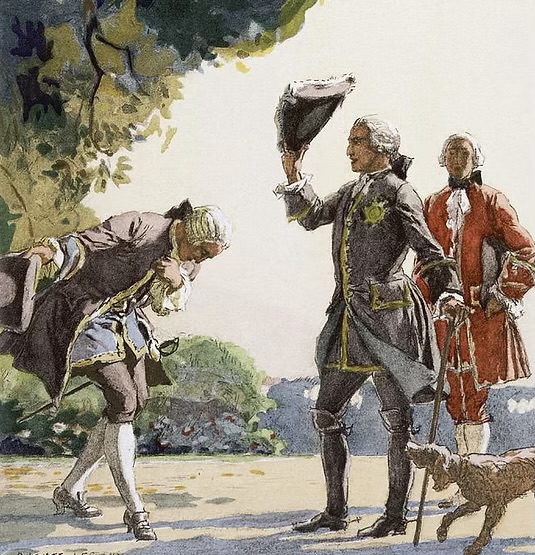
There was a time when bowing and curtsying were the norm, but that was back in the days of top hats and hooped skirts. The old familiar, “times change” is certainly a driver in custom and formality, and determining the appropriate and respectable manner of greeting. When’s the last time you approached your partner shouting “greetings and salutations!”
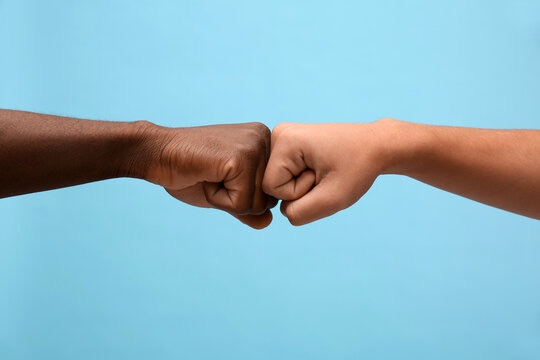
Just as the verbal greeting has changed, the modern, casual handshaking or fist bumping or sliding palms or other synchronous hand gestures show closeness between dudes. Don’t expect chest bumps or hugs with dignitaries or between strangers, and certainly not with your 85 year old grandmother.
The handshake has long been the traditional greeting of many cultures for business and personal meetings. Ancient Greece and Romans utilized the custom to “seal the deal” and to make sure the other party wasn’t about to introduce a hidden weapon into the conversation. The handshake has taken on different meanings, and variations emerged to denote special occasions. In some cultures, an embrace and kisses on the cheek are common, somewhat replaced by “air kisses” by those in high society.
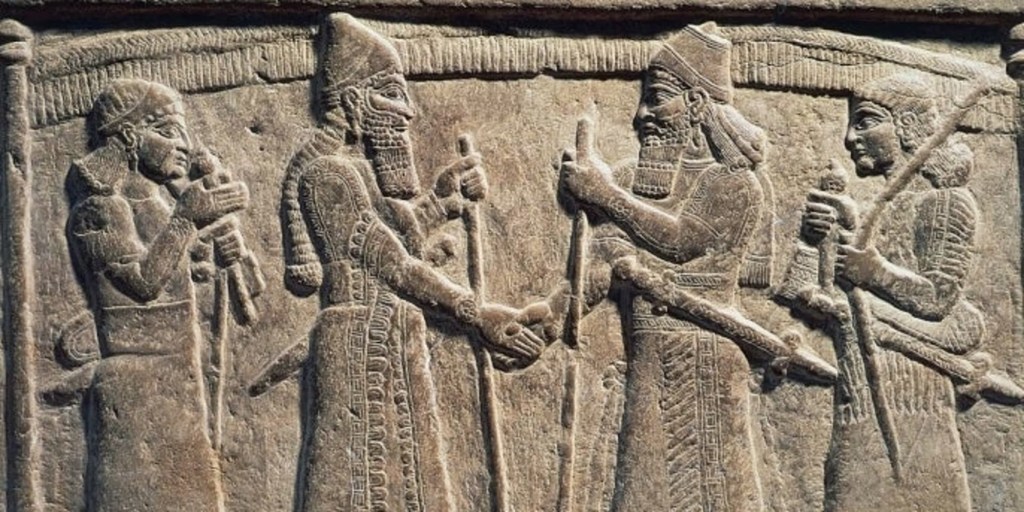
Today, there is an entire “Art of the handshake” and what different styles of hand clasping signifies.
- Level 1 – A weak or limp offering of the hand, interpreted as a lack of confidence or timidity.
- Level 2 – Light grip, little or no eye contact, soft voice. Lack of interest, no impressed.
- Level 3 – Firm grip, attentive, warmth, positive exchange.
- Level 4 – Strong and prolonged grip, or palm turned down. Shows aggressiveness, control, ego.
- Level 5 – Bone-crushing grip, jerky motion, putting person towards them (a Donald Trump favorite). Attempt to intimidate, establish control, power move.
When I started looking around at the use of “hey” in greetings, I immediately found the smartmouth blog. To my surprise (and dismay), Susan Schwartz McDonald had already waded into the hey or hello waters several years ago. She had written a perceptive blog on the subject, so I decided to veer off in slightly different direction for my blog.
McDonald writes on smartmouth.blog that “Emily Post was concerned at the popularity of ‘hi’ among young people in 1922, and in that same edition, advised sternly against its use as a greeting in social situations where people were first being introduced. Post might have advised her readers to say, ‘Good Day,’ a greeting that brings to mind the tip of a gentleman’s hat. It is largely gone from American English but remains standard polite usage throughout European languages today.”
McDonald, who earned a PhD in communications and co-owns a PR firm, points out that credit for “hello” as a universal greeting goes to Thomas Edison, who advocated for it as standard phone etiquette. McDonald also points out the proliferation of email has also changed our use of greetings.
When was the last time you received a handwritten letter? Writing and mailing a letter was a bid deal. People had desks in their homes, not for computers, but for correspondence and doing their monthly budgeting. We expected the mail to take days or more than a week to reach its destination. Stamps cost only a few cents then, much less expensive than a long distance telephone call, placed through an operator. That was reserved for holidays and big news.
Welcome to the digital age. An email is not a handwritten letter, where formality was expected, along with legible, cursive writing. Certainly, business correspondence requires more formality, a template for standardized, and often edits from legal staff. Business emails have gone the way of business correspondence. Disclaimers and legalese punctuate email correspondence along with the inclusion of the “electronic signature”.
Have you ever read a book of letters? That was a serious question. There are books of letters published by famous or notable people, insights into their thoughts, philosophy, discoveries, travels and relationships. (Jane Austen’s Letters, The Letters of Vincent van Gogh, 84 Charing Cross Road, The Letters of John and Abigail Adams) Letters can be like someone’s personal journal, private and thoughtful. Have you ever found your own or a family member’s letters in boxes in the basement or attic? Maybe your Mom kept the letters you wrote from camp when you in junior high school, or your Dad’s letters to your Mom when he was deployed. Telephone calls disappear into the ether, and emails get deleted or misfiled.
I’ve wondered off topic a bit. The Age of Informality is upon us. Our social customs have fewer and less restrictive rules for our interactions. Business have adapted in several ways. There is something called “business casual” that takes into account a relaxed workplace. Working remotely is a holdover from COVID, but it also addresses a growing workforce that prefers not to work at a central business location. People wear sweats or pajamas while working.
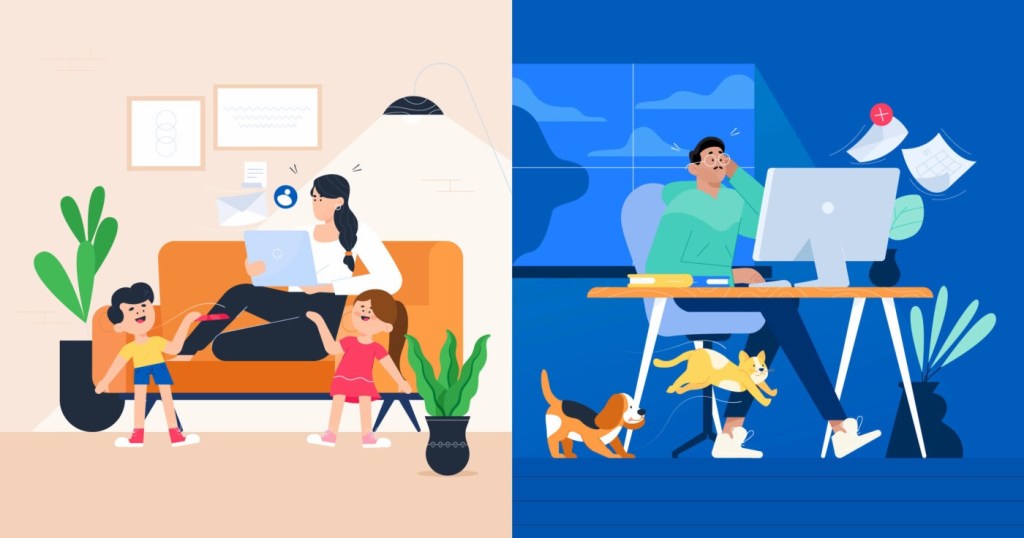
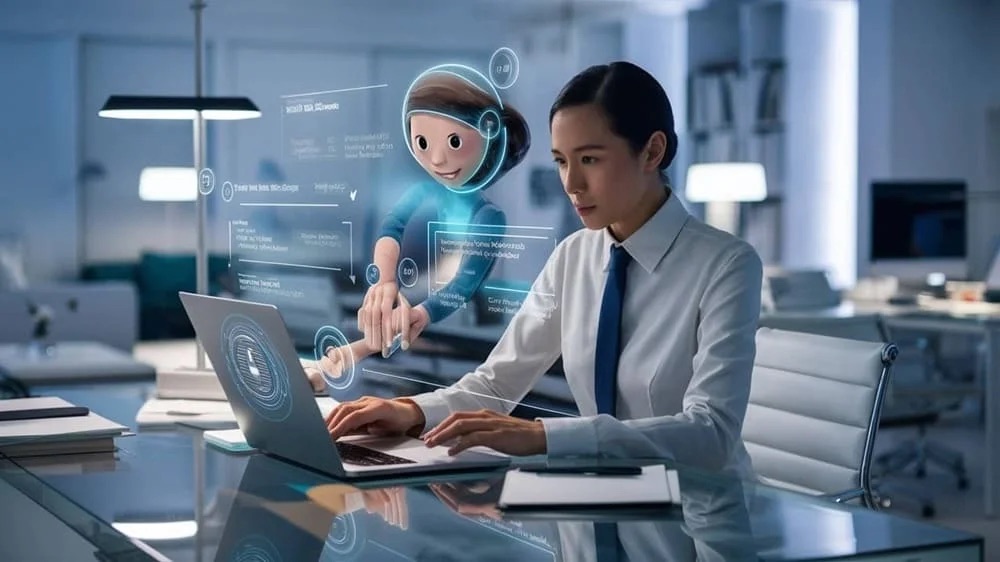
Informality is prevalent most everything. Informality is not the same as convenience, but they are very compatible terms. Drive-thru restaurants, pharmacies, banking, grocery pickup are just some of the options. Home-delivered shopping is quite popular along with meals delivered. The world is going away from person to person interactions. Bill paying, banking, medical consultations and all kinds of services can be done over the phone or computer. Again, things changed by COVID. Just try to call a utility, government office, bank, medical office, or any large business and expect to be connected to be real person. Normally you get a recorded menu of options, or increasingly you get an AI assistant who will run you the some basic questions and then forward your call somewhere.
The AI assistant is not programmed to greet the caller with “hey.” Not yet anyway.


Leave a Reply