

There’s not a great name for this category, these contributors come from all areas of the world of music.
This is the first in a series of posts looking back at a diverse group of “contributors” to the music of a past generation. Aside from the musical artists, many people play roles in what you see and hear. This list includes those in the studio, record company, promotion and art, touring, management, photography, instruments and technology, concert staging, music publishing, songwriting, film and video, music writing, etc. Some of these names you might know, others maybe not.
Giddy up!
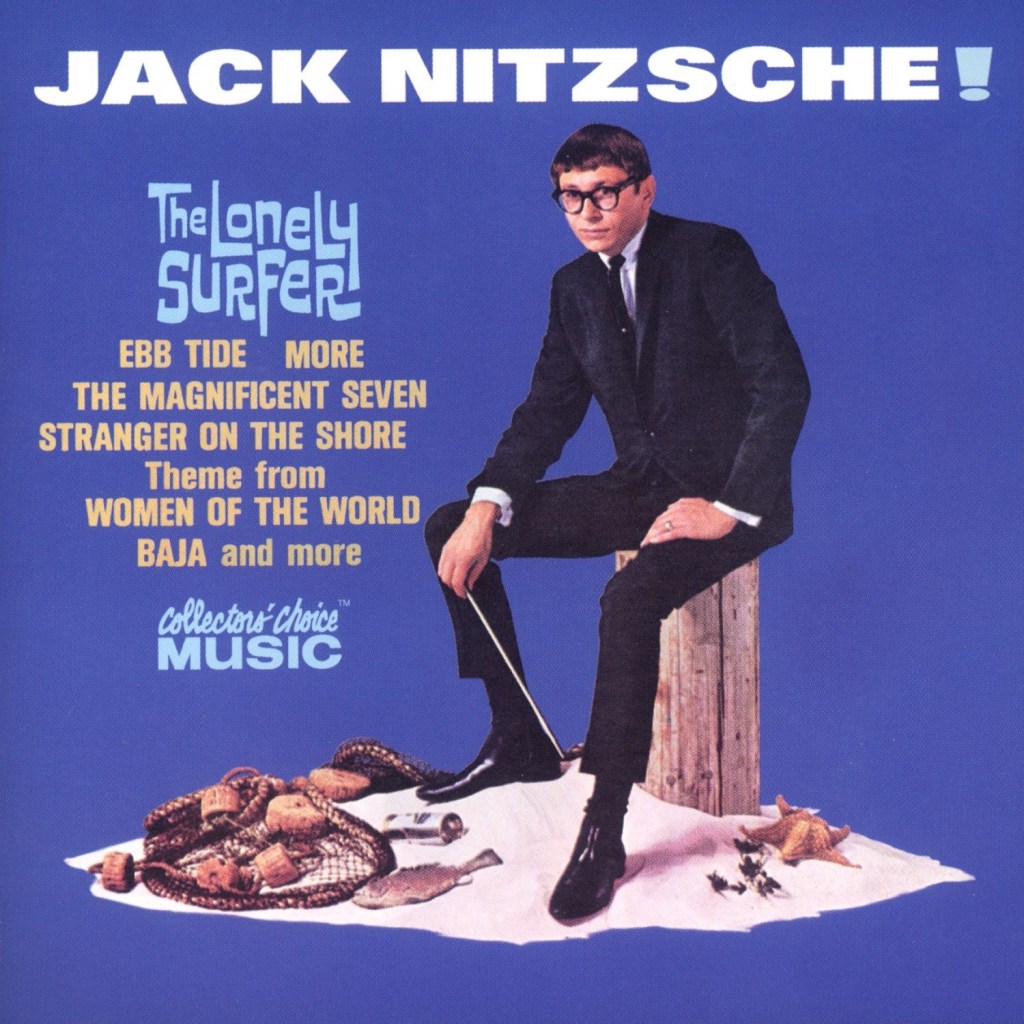
Jack Nitzsche
A talented musician, Jack Nitzsche was an arranger, scored films, arranged strings and horns for recordings, produced sessions and toured with artists like Neil Young. His credits are mind-boggling.
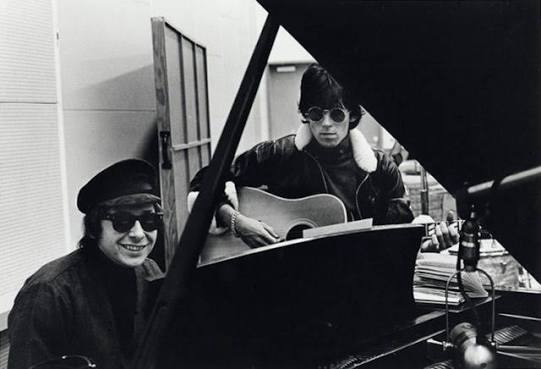
Early on, he was hired by Sonny Bono, and he became an arranger and producer for Phil Spector. Nitzsche worked a lot of sessions in the 1960s, cutting records with the Rolling Stones, Buffalo Springfield, Ike and Tina Turner and many others. For a few years he was in Neil Young’s band, playing on Young’s first five solo albums. Nitzsche dabbled in songwriting, co-writing such songs as “Needles and Pins” and “Up Where We Belong” which won him an Academy Award in 1983.
With the Rolling Stones he arranged the chorus for “You Can’t Always Get What You Want” and played piano on some of there 1960s hits.
His real flair was composing and arranging musical scores for films including Performance, The Exorcist and One Flew Over the Cuckoo’s Nest. Later in his career he produced albums for rising artists Graham Parker & the Rumor and Mink DeVille.
Nitzsche’s musical career was sizzling in the 1960s and 1970s. He died in 2000, at age 63, his health failing in later years.
Bob Ludwig
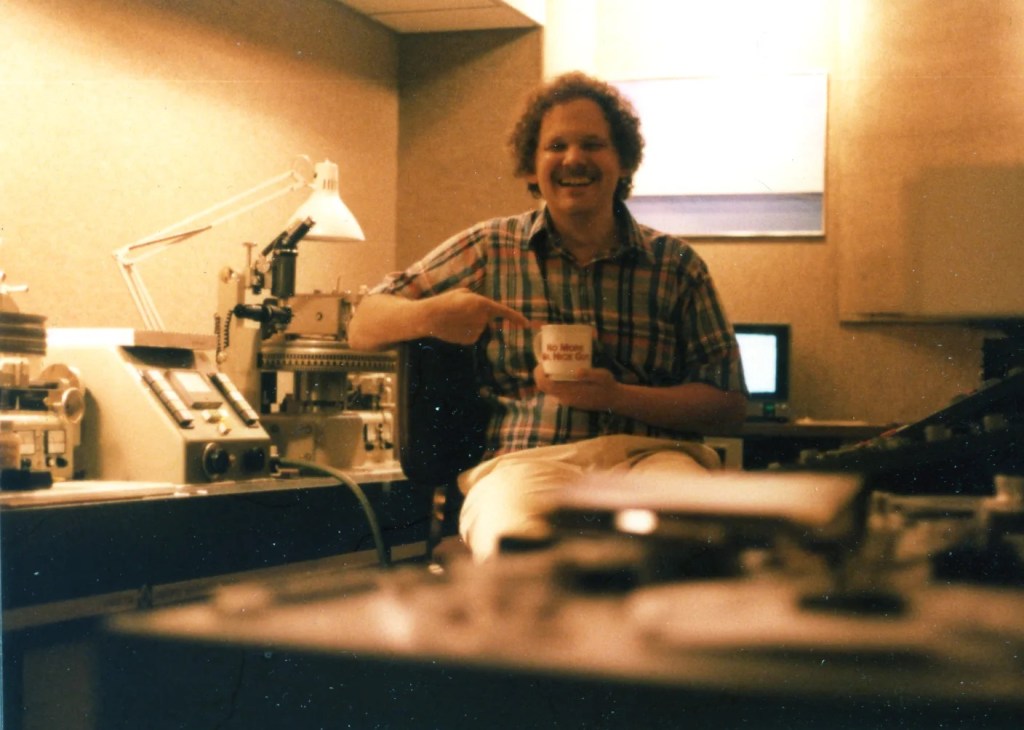
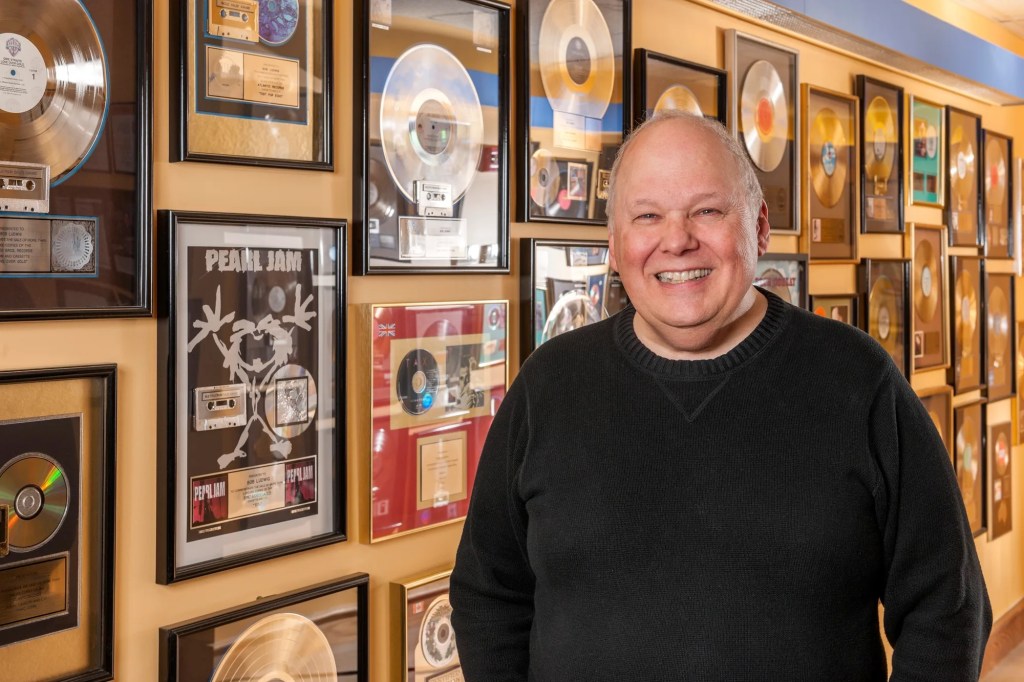
If you read album credits, the name Bob Ludwig is one you will know. In his long career, Ludwig, who is still very active, has mastered 8,000 to 9,000 albums. His career is legendary, and received 13 Grammy Awards. Later, he opened based at Gateway Mastering Studios.
He mastered albums for artists like Led Zeppelin, Beyoncé, and Queen, Bruce Springsteen, Nirvana, Metallica, Bowie, Pet Shop Boys, the Police, U2, Madonna, Janet Jackson, Queen, Supertramp, Radiohead, Paul McCartney, and The Band, Megadeth, AC/DC and Elton John.
Some legendary albums he mastered:
Led Zeppelin II by Led Zeppelin
Back in Black by AC/DC
Moving Pictures by Rush
Synchronicity by The Police
Random Access Memories by Daft Punk
Odelay and Sea Change by Beck
Brothers in Arms by Dire Straits
The Nightfly by Donald Fagen
Ludwig is going strong at 81, but is happily retired.
Eddie Kramer
Producer/engineer Eddie Kramer is best known for his work with Jimi Hendrix. He worked on all of Hendrix’s albums, helping to create his signature sound and experimenting with new techniques to capture his unique playing style. Kramer has also worked with a wide range of other artists, including Led Zeppelin, The Rolling Stones, Clapton, the Kinks, Santana, Bowie, KISS, Carly Simon, Foghat, Peter Frampton, Robin Trower, Buddy Guy, John Mayall, Humble Pie, Curtis Mayfield, Traffic, Petula Clark, Sammy Davis, Jr. and many others.
Among the albums he engineered are: Frampton Comes Alive!, Led Zeppelin II, Are You Experienced?, Woodstock Live, Beggars Banquet, Derek & the Dominoes Live In Concert, etc.
Kramer is a spry 84.
Don Arden
In the old days, managers didn’t use lawyers, they used other kind of muscle. Don Arden epitomized the tough, no-nonsense managers of old. He was referred to as “Godfather of Rock” and “Al Capone of pop” because it was his way or no way. Some of his most unethical stunts saw him dangle Robert Stigwood, the manager of the Bee Gees, from a window after he tried to steal the Small Faces from Arden.
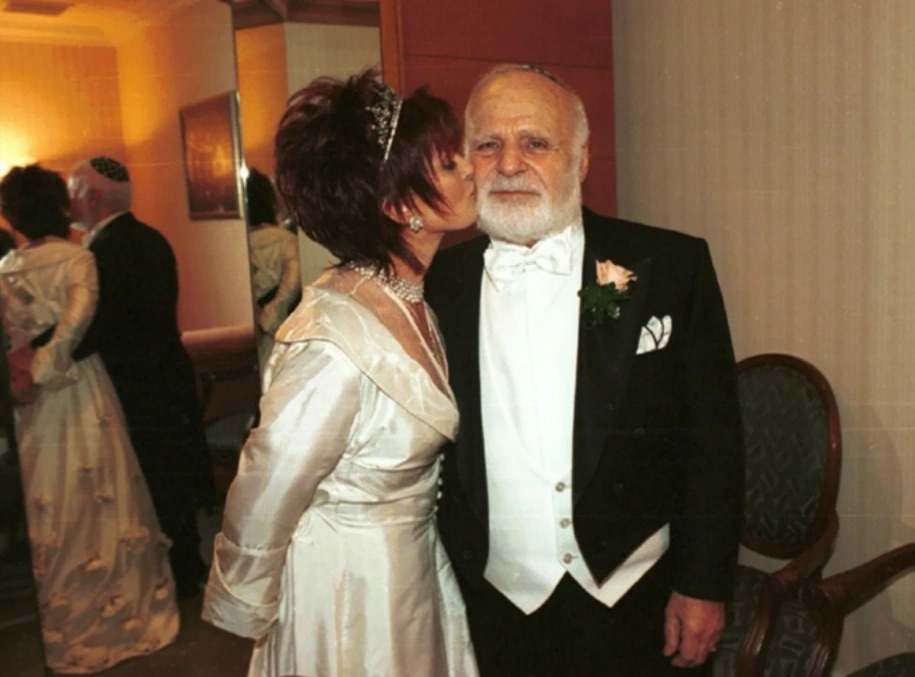
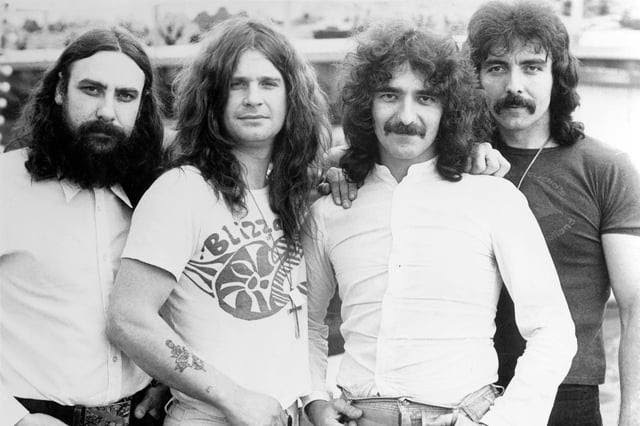
After Black Sabbath fired Ozzy Osbourne due to his substance abuse, Arden wanted to become his manager, but daughter Sharon beat him to it.
Arden managed the careers of rock acts like Black Sabbath, Little Richard, Jerry Lee Lewis, Gene Vincent, Small Faces, The Move, and the Electric Light Orchestra.
Arden died in 2007.
Storm Thorgerson
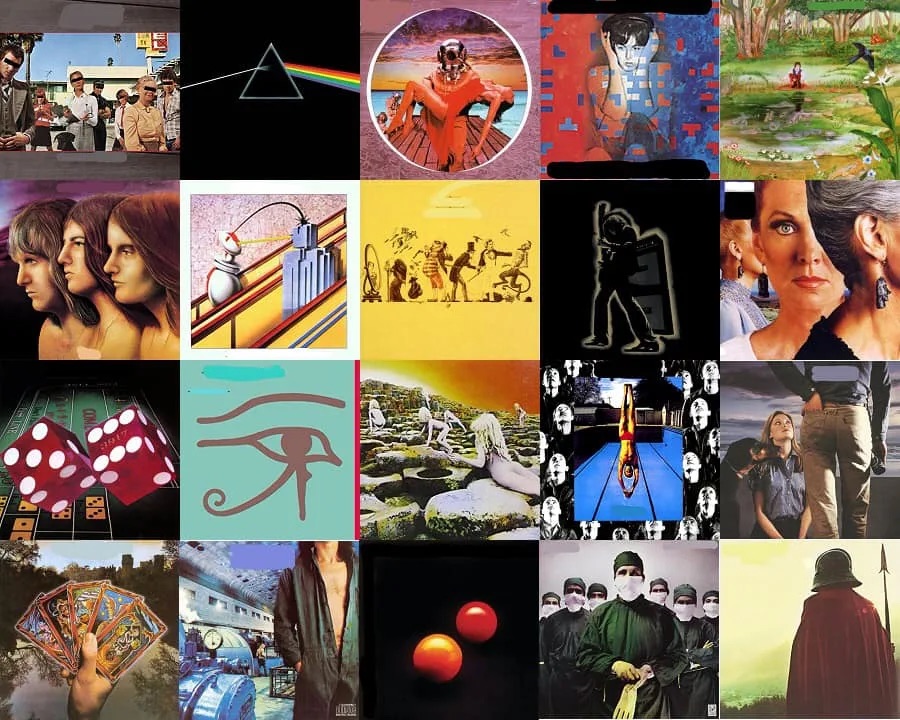
Storm Thorgerson is arguably the most significant album cover artist in history. In 1968, Storm established the London-based graphic design studio Hipgnosis with his creative partner Aubrey Powell (Po), beginning with the psychedelic cover for A Saucerful of Secrets. Pink Floyd were regular clients, as well as Led Zeppelin, Genesis, Black Sabbath, Yes, Peter Gabriel, 10CC, Renaissance, the Alan Parsons Project, Bad Company and Paul McCartney & Wings.and Al Stewart. Among his more notable album covers were Led Zeppelin’s Houses of the Holy, Presence and In Through the Out Door; Genesis’ Lamb Lies Down on Broadway, Trick of the Tail and Wind and Wuthering; and Pink Floyd’s Dark Side of the Moon, Ummagumma, Wish You Were Here and Animals. His album designs were works of art.
Thorgerson died in 2013.
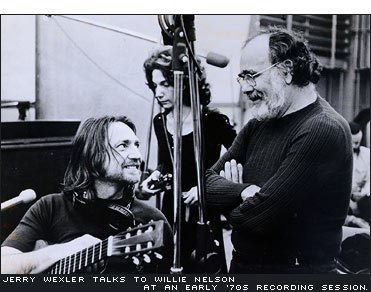
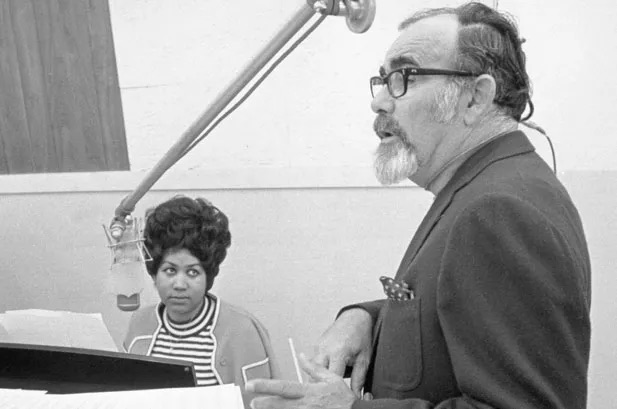
Jerry Wexler
As a writer for Billboard magazine in the 1940s, Wexler coined the term “rhythm and blues” for the magazine’s black music charts, Wexler met Ahmet Ertegun and forged a friendship that lead to his position as co-director of Atlantic Records, a then small r&b label in New York.
Atlantic Records was a big label home for African-American performers in the 1950s and ’60s, and later broadened its base to include Led Zeppelin, Yes, Bad Company, The Rolling Stones and many other rock artists.
Wexler was also active as a producer, his credits include Franklin’s “Respect” and Wilson Picket’s “In the Midnight Hour,” among other classic songs. Wexler also worked with such artists as Willie Nelson, Delaney & Bonnie, Carlos Santana, Bob Dylan, Dire Straits, and George Michael.
In 1967, Wexler and Ahmet Ertegun sold Atlantic Records to Warner Bros. but both continued to oversee the company. Wexler was the old school, hands-on executive who scouted, signed and worked with artists. Inducted into the Rock and Rill Hall of Fame in 1987.
Wexler died in 2008.
John Peel
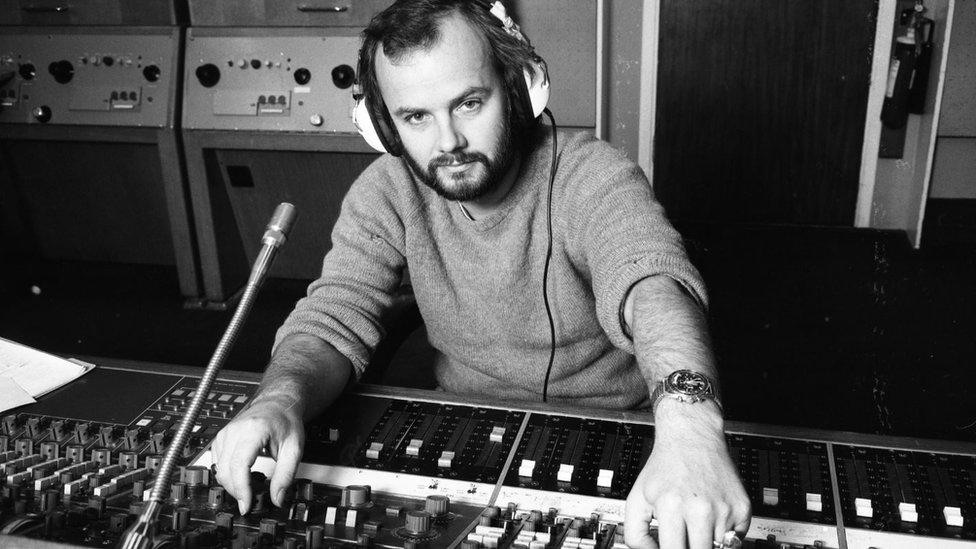
John Peel was the longest-serving of the original BBC Radio 1 DJs, broadcasting from 1967 until his death.
Peel is synonymous with rock and roll in Britain. He championed underground, punk, indie, and alternative music, launching the careers of iconic bands like Joy Division, The Smiths, and The Undertones.
His famous “Peel Sessions” featured exclusive live radio recordings from hundreds of emerging artists. He invited musical acts into the BBC studio to record exclusive live sessions, hosting over 4,000 sessions by more than 2,000 artists. He helped launch and support iconic artists like David Bowie, Joy Division, The Smiths, Nirvana, and The Undertones long before they found mainstream success.
Peel died in 2004, at age 63.
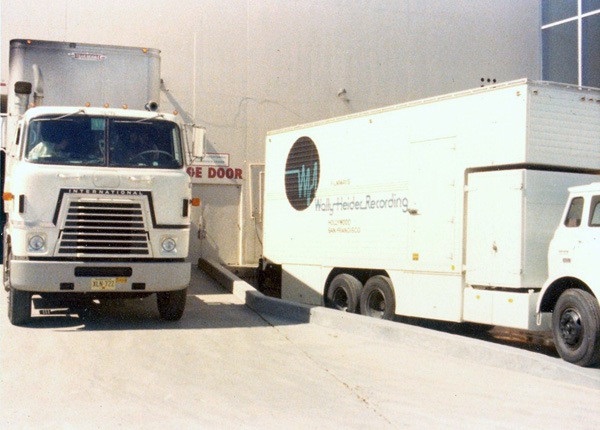
Wally Heider
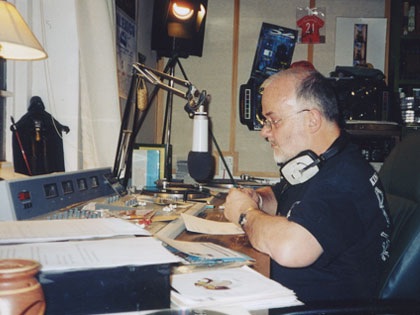
Wally Heider was an American recording engineer and recording studio owner (Wally Heider Studios.) After a career as an engineer in the 1940s and 1950s, he was instrumental in recording the San Francisco Sound in the late 1960s and early 1970s. A significant number of Rolling Stone Magazine’s Top 500 albums were recorded in his studio including Volunteers by Jefferson Airplane, Everybody Knows This Is Nowhere by Neil Young with Crazy Horse, Déjà Vu by Crosby, Stills, Nash & Young, Electric Warrior by T. Rex, Tupelo Honey by Van Morrison, American Beauty by the Grateful Dead, Green River by Creedence Clearwater Revival and Abraxas by Santana.
Heider died in 1989.
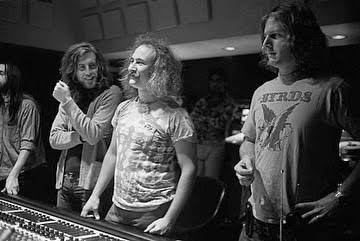
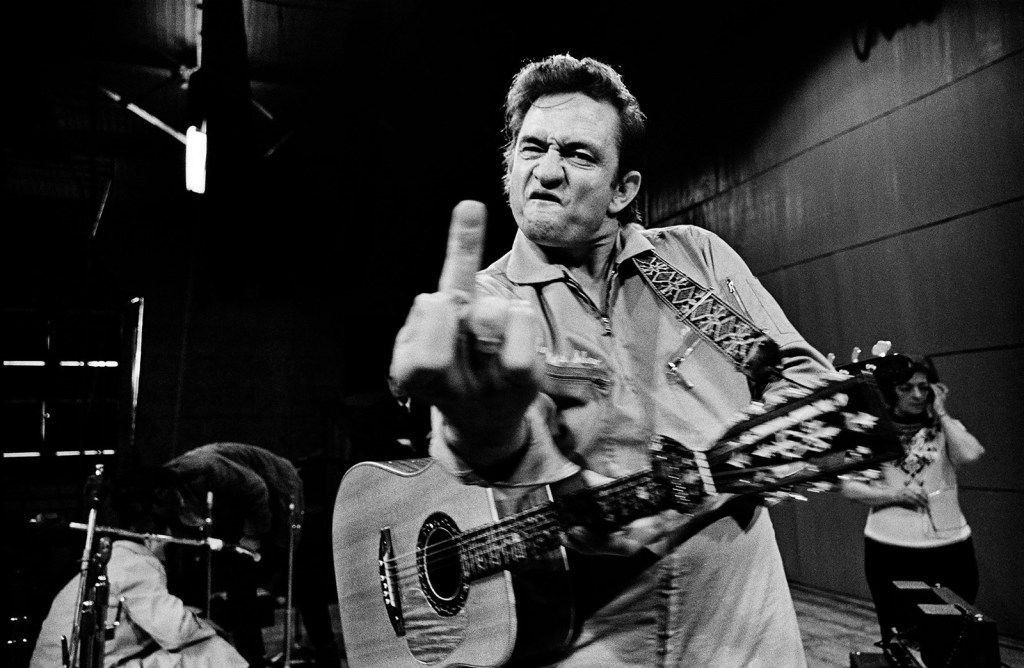
Jim Marshall
He lived inside the counterculture and music scenes of the 1960s and 1970s, functioning more as an insider or anthropologist than an outsider paparazzi.
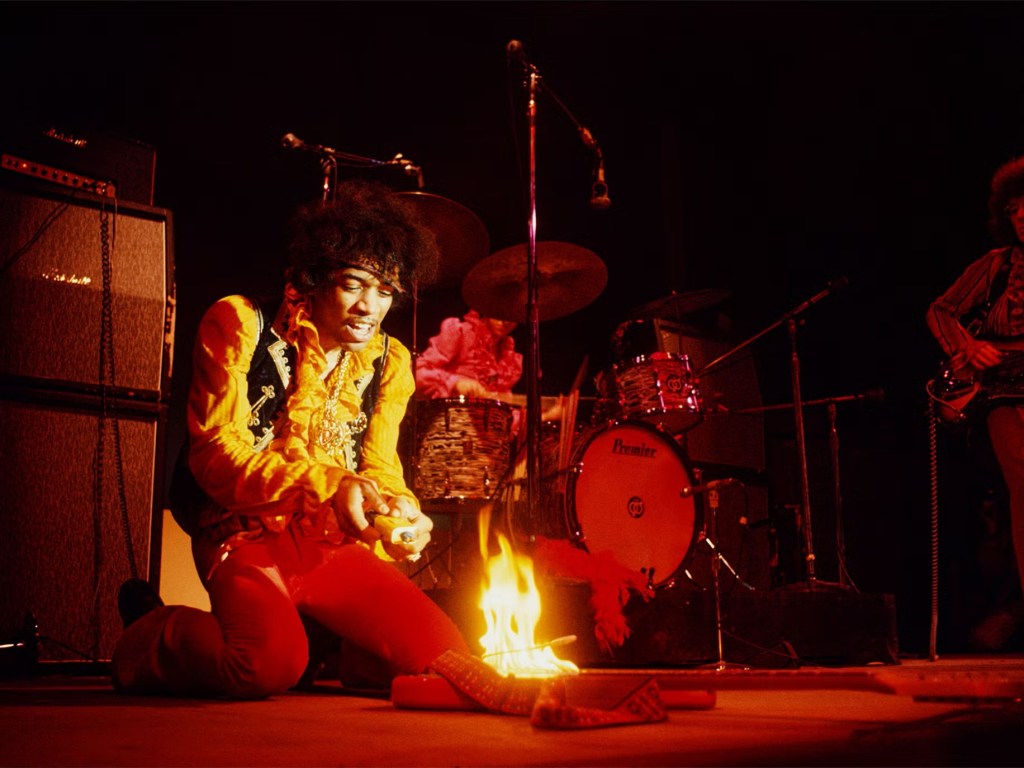
Musicians like John Coltrane, Miles Davis, Jimi Hendrix, and Janis Joplin trusted him completely, allowing him backstage, into recording studios, and on tour. He was the official photographer for the Beatles’ final concert at Candlestick Park and the head photographer at Woodstock.
Marshall died in 2010, at age 74, working right till the end, doing what he loved.
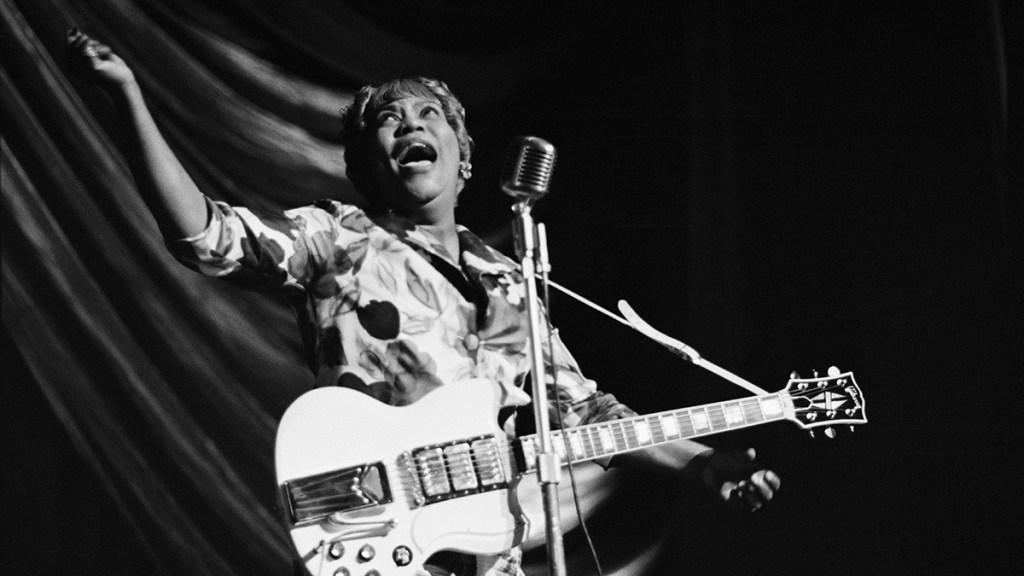
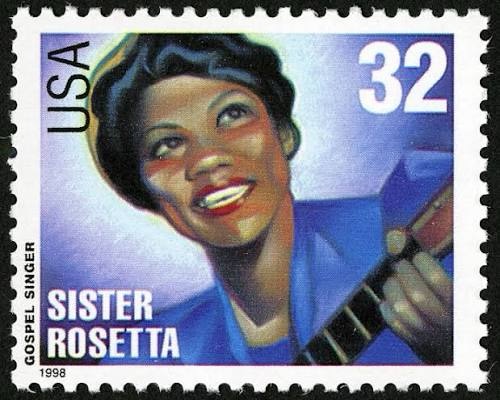
Sister Rosetta Tharpe
Born Rosetta Nubin, he gained popularity in 1930s and 1940s with her gospel recordings. She earned the name, the Godmother of Rock and Roll.
Tharpe brought the electric guitar, heavy rhythm, and secular energy to spiritual music, years before the music was referred to as rock and roll.
Sister Rosetta was among the first to use distortion on electric guitar while playing gospel music. She was self-taught on the guitar, mastering it by age six. On stage, she was known for whipping windmills with her arm while playing the guitar. While she straddled the line between sacred and secular music, she had fans on both sides.
She never stopped playing her church music to crowds, she blended all kinds of music and later took to the blues. While she was hugely influential and entertained crowds, she could never commit to pursuing popular music. In the 1950s, she was bypassed by younger performers who were identified as rock and roll and popularizing a youth market music. She kept busy touring Europe and drew crowds, but she didn’t see much of the money. Failed marriages and management problems kept her working where she could find work.
Even losing a leg to diabetes, she worked right up to her death in 1973, at age 58. She was inducted into the Rock and Roll Hall of Fame as an Early Influence.



Leave a Reply